Erase Water Stains from Wood: Proven Home Fixes
Discover effective DIY methods using everyday items like oils and heat to banish water marks from your wooden treasures effortlessly.
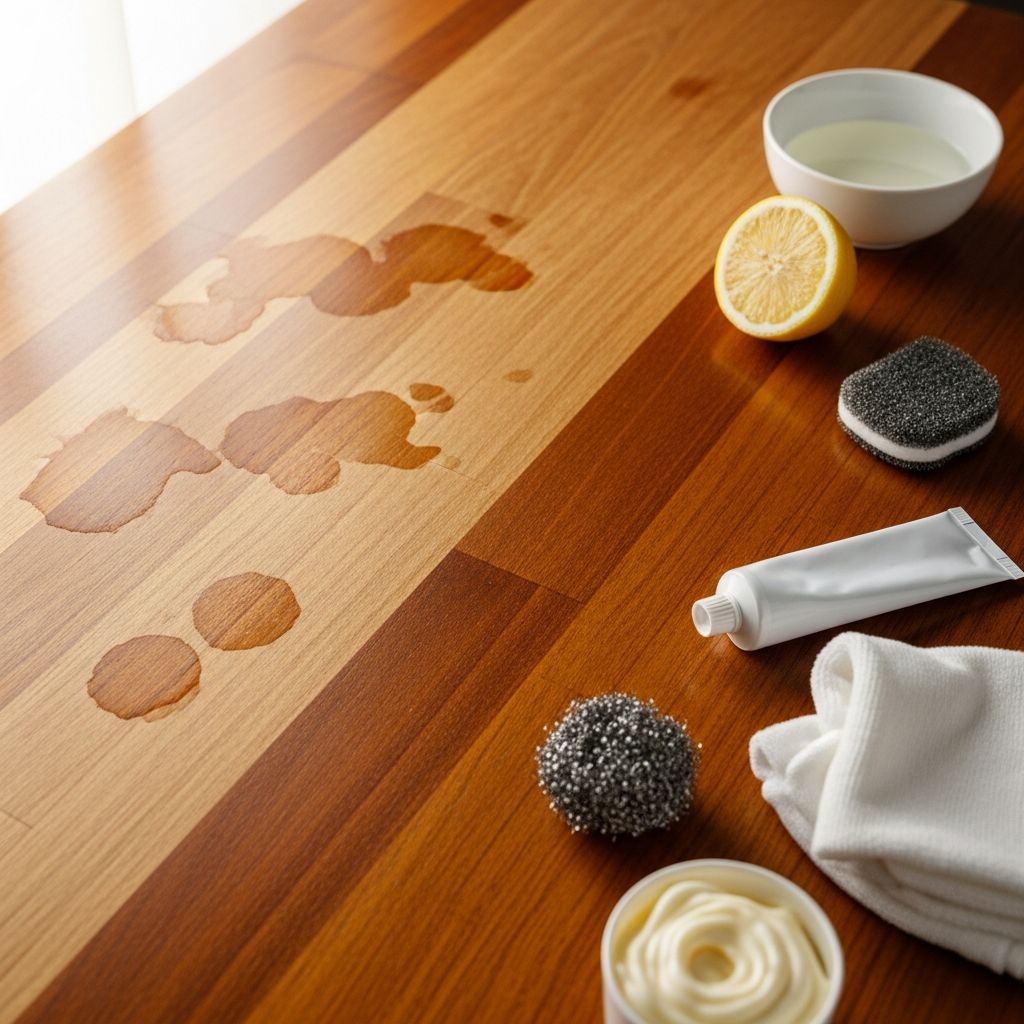
Wooden furniture adds warmth and character to any home, but exposure to moisture often leaves unsightly water stains that diminish its appeal. These marks form when water penetrates the finish, clouding the surface or seeping deeper into the grain. Fortunately, many can be treated with common kitchen items and minimal tools, avoiding expensive professional services. This guide explores reliable strategies for both fresh, hazy spots and entrenched discolorations, drawing from time-tested practices to help you restore pieces like coffee tables, dressers, and hardwood floors.
Understanding Water Damage on Wood Surfaces
Water stains appear in two primary forms: light, cloudy rings from recent spills that affect only the topcoat, and dark, persistent ones indicating moisture trapped beneath with possible mold growth. Light stains respond well to gentle absorption or evaporation techniques, while dark ones demand more aggressive removal of affected layers.
Preventing stains starts with vigilance—use coasters, trivets, and prompt wiping. Sealed finishes like polyurethane offer protection, but even they aren’t impervious. When stains emerge, act swiftly; delays allow penetration, complicating removal.
Simple Solutions for Fresh, Light Stains
For new marks that haven’t deeply embedded, non-abrasive methods excel by drawing out moisture without harming the wood.
Oil-Based Absorption with Mayonnaise or Petroleum Jelly
Mayonnaise, with its oil content, penetrates finishes to displace trapped water, effectively lifting stains. Apply a small amount directly to the spot using a soft cloth, rubbing gently along the grain. Cover with plastic wrap or a paper towel to prevent drying, and leave for several hours or overnight. Wipe away residue with a damp cloth followed by dry polishing. This method suits finished woods and often yields results overnight.
- Pros: Gentle, uses pantry staples, minimal risk to finish.
- Cons: Oily residue requires thorough cleaning; not for unfinished wood.
- Tip: Opt for full-fat varieties for best oil penetration.
Citrus and Vinegar Mixtures for Gentle Scrubbing
A blend of equal parts white vinegar and water, or lemon juice with a pinch of salt, acts as a mild abrasive cleanser. Dampen a cloth with the solution and rub in circular motions following the wood grain. The acidity breaks down moisture bonds while salt provides grit. Buff dry immediately and apply furniture polish to restore shine. Ideal for very recent stains on varnished surfaces.
| Method | Ingredients | Application Time | Best For |
|---|---|---|---|
| Vinegar-Water | 1:1 ratio + salt | 1-2 minutes | New hazy rings |
| Lemon Juice | Lemon + water + baking soda | 2-5 minutes | Light surface clouds |
Toothpaste as a Quick Abrasive Fix
Non-gel white toothpaste’s mild abrasives buff away superficial marks. Dab onto a cloth and rub softly for no more than 60 seconds to avoid scratching. Rinse with a water-dampened cloth and dry thoroughly. This works on flat surfaces like tabletops but test in an inconspicuous area first.
Heat Techniques to Evaporate Moisture
Heat accelerates water evaporation from within the finish, perfect for stains unresponsive to liquids.
Hair Dryer Method
Set a hair dryer to high heat and hold 6-8 inches from the stain, moving steadily for 5-10 minutes. The warmth pulls moisture to the surface for evaporation. Monitor to prevent overheating, which could warp wood.
Ironing with a Barrier Cloth
Place a clean cotton cloth or tea towel over the stain. Iron on medium heat in short bursts, checking progress every 10-15 seconds. Steam from the iron aids evaporation without direct contact. This faded severe marks significantly in tests, though full removal may require repetition.
Caution: Never apply iron directly to wood; always use a barrier to distribute heat evenly and avoid burns.
Tackling Stubborn, Darkened Stains
Dark stains signal deeper penetration, often with mildew. Surface treatments fail here; sanding exposes clean wood beneath.
Hand Sanding for Small Areas
Use 150-220 grit sandpaper, sanding lightly with the grain until the stain vanishes. Clean debris, apply a mildew killer like diluted bleach solution, then dry fully. Match the original finish with stain, oil, or varnish. For tabletops, this takes 15-30 minutes.
Power Sanding for Large Surfaces
Floors or broad furniture demand orbital sanders. Start coarse (80 grit), progress finer, and refinish promptly to prevent reabsorption. Rent equipment for one-day jobs.
Commercial Aids and Finishing Touches
If DIY fails, wood polishes or restorers like Howard Restor-A-Finish penetrate and rejuvenate. Apply per instructions, waiting 6-8 hours. For varnish thinning, use mineral spirits sparingly.
Post-treatment, seal with wax or oil: Danish oil nourishes while protecting, applied in thin coats.
Prevention Strategies for Lasting Wood Beauty
- Employ coasters and mats religiously.
- Wipe spills instantly with microfiber cloths.
- Reapply protective finishes annually.
- Maintain humidity at 40-60% to avoid cracks.
- Position away from humid areas like kitchens.
Frequently Asked Questions
What causes water stains on wood furniture?
Water stains result from moisture seeping into porous finishes, clouding them or penetrating the grain, especially on unsealed or waxed surfaces.
Can mayonnaise really remove water marks?
Yes, its oils displace water effectively on light stains; apply, let sit hours, then clean. Results vary by stain age.
Is sanding safe for antique wood?
For valuables, consult professionals; light sanding suits modern pieces, but over-sanding removes patina.
How do I fix a stain after ironing?
Ironing lightens marks; follow with oil or polish if residue lingers. Repeat if needed.
What’s the best preventive sealant?
Polyurethane for durability; tung or Danish oil for natural looks. Reapply every 1-2 years.
Comparative Guide to Removal Methods
| Stain Type | Top Method | Success Rate | Effort Level | Risk |
|---|---|---|---|---|
| Light/New | Mayonnaise/Oil | High | Low | Minimal |
| Light/New | Heat (Iron) | Medium-High | Medium | Low-Moderate |
| Dark/Deep | Sanding | High | High | Moderate |
Choosing depends on stain severity: start mild, escalate as needed. Most resolve light issues in under a day.
References
- 5 Ways to Remove Light or Dark Water Stains From Wood — Business Insider. 2023-10-15. https://www.businessinsider.com/reference/how-to-remove-water-stains-from-wood
- 5 Ways to Remove Watermarks From Wooden Furniture — Little House on the Corner. 2022-05-20. https://www.littlehouseonthecorner.com/5-ways-to-remove-watermarks-from-wooden-furniture/
- Removing White Water Rings and Heat Stains from Wood Furniture — WeRefinish (YouTube). 2019-05-25. https://www.youtube.com/watch?v=GZK1jjHsurs
Similar Articles



Read full bio of Sneha Tete