Ways to Remove Water Stains from Wood Furniture
Restore your wood furniture with proven methods to remove water stains effectively and safely.
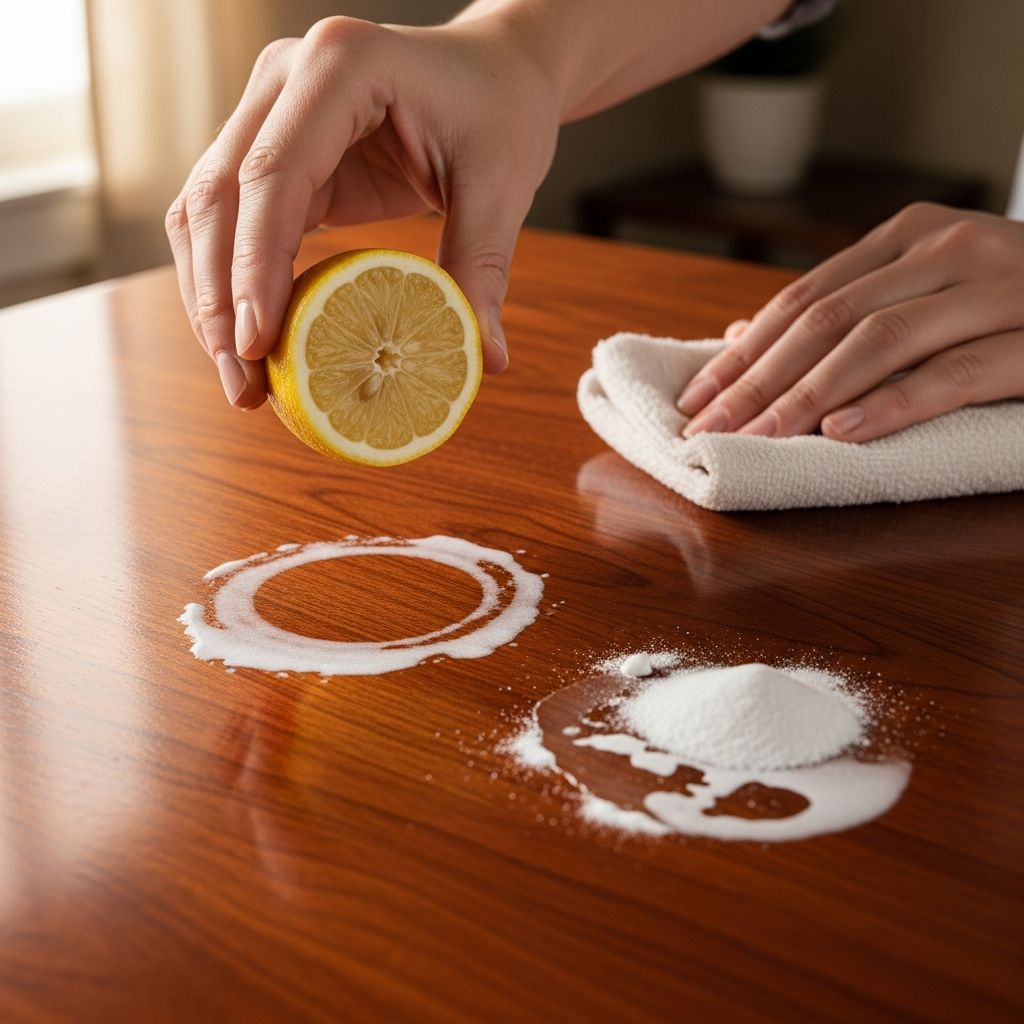
Water stains on wood furniture are one of the most common issues homeowners face. Whether caused by a forgotten glass, a spilled drink, or humidity damage, these unsightly marks can diminish the appearance of your beloved pieces. The good news is that most water stains can be removed with patience, the right techniques, and materials you likely already have at home. Understanding the difference between surface-level water rings and deeper stains will help you choose the most effective removal method.
Understanding Water Stains on Wood
Water stains on wood furniture come in two primary forms: white water stains and dark water stains. White water stains, also called water rings, appear when moisture sits on the surface of the wood, disrupting the finish without penetrating the wood grain. These are the easiest to remove. Dark water stains, conversely, penetrate deeper into the wood and are more challenging to eliminate. They occur when water has been in contact with the wood for an extended period, allowing moisture to seep beyond the protective finish and into the wood itself.
The severity of the stain depends on the type of finish applied to your furniture, the duration of moisture exposure, and the temperature at which the water was sitting. Lacquered finishes tend to be more susceptible to white staining, while oil finishes may allow water to penetrate more easily, causing darker stains.
Method 1: Using Heat to Remove Water Stains
Heat is one of the most effective methods for removing white water stains from wood furniture. When moisture becomes trapped under the finish, gentle heat can help evaporate it, making the stain disappear.
Steps for Heat Application:
- Use a hair dryer: Set your hair dryer to a low or medium heat setting and hold it approximately 6 inches away from the stain. Move it continuously over the affected area for 5-10 minutes, being careful not to concentrate heat in one spot for too long, which could damage the finish.
- Try a heat lamp: Position an incandescent heat lamp near the stain for 15-20 minutes. The gentle, consistent warmth can gradually evaporate the trapped moisture.
- Iron method: Place a clean cloth over the stain and use a warm (not hot) iron over the cloth. Set the iron to low heat and move it slowly over the area. This method works particularly well for flat surfaces like tabletops.
The heat method works best on fresh water stains and is completely safe when done correctly. It requires no chemicals and won’t strip or damage the existing finish on your furniture.
Method 2: Vinegar and Olive Oil Treatment
A simple mixture of vinegar and olive oil is a traditional remedy for water stains that has proven effective for generations. This combination helps remove the stain while also conditioning the wood.
Application Instructions:
- Mix one part white vinegar with one part olive oil in a small container.
- Apply the mixture to the stain using a soft cloth, rubbing in the direction of the wood grain.
- Continue rubbing for several minutes, allowing the mixture to work on the stain.
- Wipe away excess moisture with a clean, dry cloth.
- Buff the area to a shine.
This method is particularly effective for moderate water stains and adds a natural luster to the wood. The vinegar works to break down the stain while the olive oil conditions the wood and helps restore its natural appearance. Always test this solution on an inconspicuous area first to ensure it won’t damage your specific furniture finish.
Method 3: Baking Soda Paste
Baking soda is a gentle abrasive that can effectively remove stubborn water stains without harming the wood finish. This method is ideal for stains that haven’t responded to gentler treatments.
Creating and Using Baking Soda Paste:
- Mix baking soda with a small amount of water to create a thick paste.
- Apply the paste directly to the water stain.
- Let it sit for 5-10 minutes to allow it to work on the stain.
- Using a soft cloth, gently rub the paste over the stain in circular motions.
- Rinse the area with a damp cloth and dry thoroughly.
- Apply wood polish or conditioner to restore shine.
The mild abrasive nature of baking soda makes it suitable for most wood finishes, though you should always test it in a hidden area first. Avoid excessive scrubbing, which could damage the finish or remove stain or paint from the furniture.
Method 4: Alcohol-Based Solutions
Rubbing alcohol can be effective for removing certain types of water stains, particularly on lacquered finishes. This method requires careful application to avoid damaging the finish.
Using Rubbing Alcohol:
- Dampen a soft cloth with rubbing alcohol (isopropyl alcohol).
- Gently rub the cloth over the water stain.
- Work in the direction of the wood grain.
- Wipe with a clean, damp cloth to remove any residue.
- Dry the area immediately with a soft cloth.
Rubbing alcohol evaporates quickly and can help lift stains without leaving additional moisture. However, this method should be used sparingly, as excessive alcohol application can damage certain finishes. Never use this method on unfinished wood or wood with an oil finish.
Method 5: Mayonnaise Application
Surprisingly, mayonnaise can be an effective remedy for water stains. The oil content in mayonnaise helps penetrate the finish and lift the stain while also conditioning the wood.
Mayonnaise Method Steps:
- Apply a generous amount of mayonnaise directly to the water stain.
- Let it sit for 5-10 minutes, allowing the oils to work on the stain.
- Gently rub the mayonnaise into the stain using a soft cloth.
- Wipe away all excess mayonnaise with a clean cloth.
- Follow up with a dry cloth to remove any remaining residue.
- Polish the area to restore shine.
This method works particularly well on fresh stains and can be surprisingly effective for stubborn marks. The natural oils in mayonnaise condition the wood while helping to restore its appearance. Always use regular mayonnaise, not low-fat versions, as the oil content is crucial for effectiveness.
Method 6: Commercial Wood Stain Removers
For persistent or deep water stains that don’t respond to home remedies, commercial wood stain removers are available at most hardware and home improvement stores. These products are specifically formulated to target water stains while protecting the wood finish.
Using Commercial Products:
- Read and follow the manufacturer’s instructions carefully.
- Test the product on a hidden area of the furniture first.
- Apply the product according to directions, typically using a soft cloth.
- Allow adequate drying time before using the furniture.
- Reapply if necessary for stubborn stains.
Commercial removers often contain specialized solvents designed to penetrate the finish and lift trapped moisture. They can be more effective than home remedies for difficult cases but should be used in well-ventilated areas.
Method 7: Sanding and Refinishing
For severe water damage that penetrates deep into the wood, sanding and refinishing may be necessary. This is the most labor-intensive solution but can completely restore severely damaged furniture.
When to Consider Sanding:
- When stains have penetrated deeply into the wood grain.
- When previous removal methods have failed.
- When the furniture has significant water damage affecting multiple areas.
Sanding removes the damaged surface layer of wood, eliminating deep stains. After sanding, the furniture can be refinished with stain or varnish to restore its appearance. This method should typically be performed by professionals for valuable antiques or heirloom pieces.
Prevention Tips for Future Water Stains
Preventing water stains is significantly easier than removing them. Implementing proper furniture care practices can minimize the risk of staining:
- Use coasters: Always place drinks on coasters to prevent direct contact with the wood surface.
- Wipe spills immediately: Act quickly when liquids are spilled to prevent moisture from penetrating the finish.
- Maintain humidity levels: Keep indoor humidity between 30-50% to prevent moisture-related damage.
- Apply protective finishes: Use quality furniture polish and protective finishes regularly.
- Use furniture pads: Place pads under lamps, vases, and other items to prevent moisture accumulation.
- Avoid prolonged moisture contact: Don’t leave wet items sitting on wood surfaces.
Safety Considerations When Removing Stains
When working with various removal methods, safety should always be a priority. Ensure proper ventilation when using alcohol-based or commercial products. Wear gloves to protect your hands, especially when using vinegar or rubbing alcohol. Test all solutions on inconspicuous areas before applying to visible surfaces. Never mix cleaning products, as chemical reactions can produce toxic fumes.
Knowing When to Call a Professional
Some situations warrant professional furniture restoration services. These include extensive water damage, valuable antique pieces, specialized finishes that you’re unsure about, and stains that have caused structural damage to the wood. Professional restorers have advanced techniques and equipment that may achieve better results than home remedies.
Frequently Asked Questions
Q: Can all water stains be removed from wood furniture?
A: Most water stains can be removed or significantly improved. White water stains are almost always removable, while dark stains that have penetrated deeply may require professional restoration or refinishing. Early treatment increases success rates considerably.
Q: How long does it take to remove a water stain?
A: This varies by method and severity. Simple heat methods may take 10-20 minutes, while deeper stains requiring multiple treatment attempts may take several hours or even days of repeated applications.
Q: Is it safe to use vinegar and olive oil on all wood finishes?
A: While generally safe, always test this mixture on a hidden area first. Some delicate finishes may react negatively. For antique or valuable furniture, consult a professional before applying any solution.
Q: Can I use a heat gun instead of a hair dryer?
A: Heat guns produce much higher temperatures than hair dryers and can damage wood finishes. Stick with lower-heat options like hair dryers or heat lamps to avoid burning or warping the finish.
Q: What’s the difference between white and dark water stains?
A: White stains are surface-level moisture trapped under the finish, while dark stains represent water that has penetrated into the wood itself. White stains are typically easier to remove using heat or moisture-evaporating methods.
Q: Should I sand my furniture if water stains won’t come out?
A: Sanding is an option for severe damage, but it’s intensive and should generally be handled by professionals for valuable pieces. Consider consulting a furniture restoration expert first.
References
- Wood Care and Maintenance Guide — The Hardwood Manufacturers Association. 2023. https://www.hardwoodinfo.com
- Furniture Finishing and Repair: Best Practices — Furniture Care International. 2024. https://www.furniturecareinternational.org
- Understanding Wood Moisture and Damage — U.S. Forest Service, Forest Products Laboratory. 2022. https://www.fpl.fs.fed.us
- Household Cleaning Solutions for Wood Surfaces — Consumer Reports. 2024. https://www.consumerreports.org
- Professional Furniture Restoration Standards — American Society of Furniture Designers. 2023. https://www.asfd.com
Similar Articles



Read full bio of medha deb