Complete Guide to Removing Bed Frame Wheels
Step-by-step instructions for safely removing casters from bed frames.
Understanding Bed Frame Wheel Systems
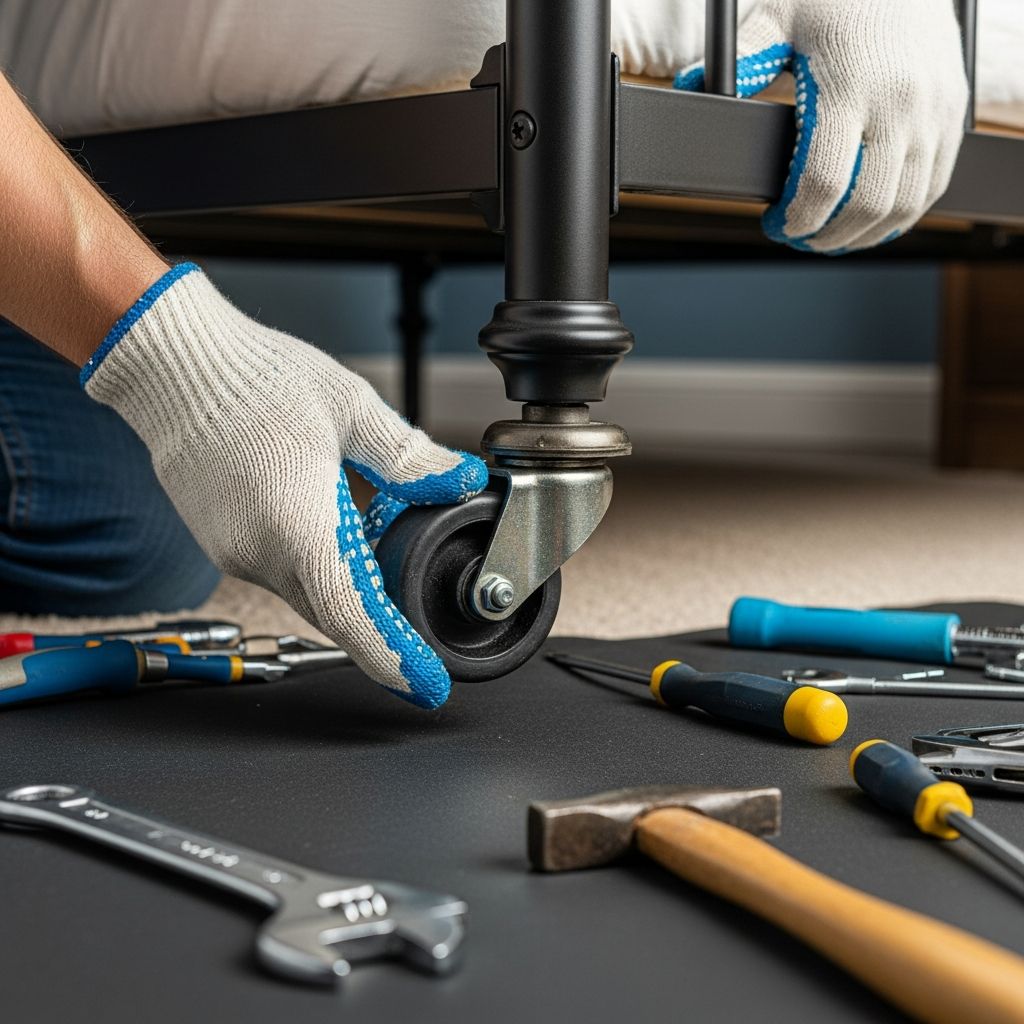
Bed frames equipped with wheels, commonly known as casters, provide mobility and convenience for repositioning heavy furniture without excessive strain. These wheels are typically mounted on the bottom legs of the bed frame using one of several attachment mechanisms. Understanding how your specific caster system works is the first step toward successful removal. Some bed frames utilize grip stem casters that rely on friction to stay in place, while others employ threaded casters that screw into the frame legs. Additionally, some modern bed frames feature proprietary caster insert systems designed for quick replacement. Before attempting removal, take time to examine your bed frame’s wheel attachment method, as this will determine which removal technique is most appropriate for your situation.
Preparation Steps Before Wheel Removal
Proper preparation ensures a safer and more efficient removal process. Begin by clearing the area around your bed frame to provide adequate working space. Remove the mattress and any bedding from the frame to reduce weight and prevent damage to these items during the removal process. If your bed frame is particularly heavy, enlist assistance from another person to help stabilize and lift the frame as needed. This is especially important when you need to access the wheels located on the underside of the legs.
Next, assess the condition of your bed frame to identify potential trouble spots. Look for rust, corrosion, or debris accumulation around the wheel attachment points, as these factors can make removal significantly more difficult. Document the current wheel type and configuration by taking photographs or notes. This information becomes invaluable if you decide to replace the wheels or if you need to reference the original setup later. Finally, gather all necessary tools before beginning the removal process to avoid interruptions during the work.
Essential Tools and Materials
Having the right tools on hand makes the wheel removal process considerably easier and reduces the risk of damaging your bed frame. The most fundamental tool is a flathead screwdriver, which serves multiple purposes including prying and leverage. A rubber mallet or hammer can be helpful for gently persuading stubborn casters to release from their sockets. For wheels that refuse to budge, a small prying tool or putty knife provides additional leverage without requiring excessive force.
Lubricants play a crucial role in easing removal of stuck casters. Keep soapy water, silicone spray, or penetrating oil nearby for application to stubborn connections. A damp cloth helps clean away debris and rust that may impede smooth removal. If you anticipate installation of replacement wheels, having a can of grease or specialized caster lubricant ensures proper functioning of new components. Protective equipment such as work gloves prevents hand abrasions and improves grip when pulling on wheels, while old towels or cloths provide cushioning and protection for both the wheel and the bed frame surface.
Identifying Your Caster Type
Different caster types require different removal approaches, making identification essential before you begin. Threaded casters feature visible spiral threads along the stem and screw directly into sockets in the bed frame legs. These are typically the easiest to remove since you simply turn them counterclockwise until they release completely. Grip stem casters have smooth stems with small grip rings or clips that hold them firmly in place through friction and mechanical locking. These require pulling force rather than rotation for removal.
Open socket or stemless casters fit into receiving sockets without protruding metal components, while grip neck casters feature soda bottle-shaped stems with grip rings positioned at the top. Each type has distinct characteristics that affect removal difficulty and technique. Examine the caster attachment point carefully, and if possible, consult your bed frame’s original documentation or manufacturer website for specific guidance. This investigation phase, though it takes a few minutes, often prevents frustration and potential damage later in the process.
Standard Removal Technique for Grip Casters
For grip stem casters, the primary removal method relies on direct pulling force. Start by positioning yourself so you have stable footing and good leverage. Grasp the wheel firmly with one hand while placing your other hand on the bed frame leg for stability. With a smooth, deliberate motion, pull the wheel directly away from the leg. Most grip casters will pop out with moderate force, though some may require significantly more strength depending on how tightly they are fitted.
If initial pulling does not work, try wiggling the wheel slightly from side to side while maintaining steady pressure. This rocking motion can help break the seal between the caster stem and the socket. For additional assistance, wrap an old towel or cloth around the wheel to improve your grip and provide cushioning for your hands. This technique is particularly useful for wheels that are slightly corroded or have developed a tight bond with their sockets over time. The towel also prevents your hands from slipping if the wheel is dusty or slightly greasy from the bed frame’s normal use and wear.
Removal Process for Threaded Casters
Threaded casters offer one of the simplest removal processes since they rely on rotational motion rather than pulling force. Hold the bed frame leg steady with one hand while grasping the wheel with your other hand. Slowly rotate the wheel in a counterclockwise direction, maintaining steady pressure. Continue turning until the caster completely separates from the socket in the leg. This process requires minimal physical effort and is unlikely to cause damage to either the wheel or the frame when performed correctly.
If the threaded caster seems stuck despite rotation, you may apply a small amount of lubricant to the threaded area and allow it to sit for a few minutes before attempting removal again. This approach gives the lubricant time to penetrate and break down any corrosion or mineral deposits that may have accumulated on the threads. Never force rotation excessively, as this can strip the threads and make future installation of replacement casters problematic. A gentle, patient approach yields better results than aggressive turning.
Dealing with Stubborn or Stuck Wheels
Some bed frame wheels resist removal despite employing correct techniques for their caster type. In these situations, lubrication becomes your most valuable ally. Apply penetrating oil, silicone spray, or soapy water generously around the point where the caster stem enters the socket. Allow the lubricant to soak for ten to fifteen minutes, giving it time to penetrate tight connections and dissolve corrosion. After waiting, attempt removal again using the appropriate technique for your caster type.
If lubrication alone proves insufficient, employ a flathead screwdriver as a prying tool. Position the screwdriver between the caster and the bed frame leg, then carefully apply leverage to create separation. Move around the caster connection point, working the screwdriver into slightly different positions to gradually work the caster loose. This distributed approach prevents damage to both the caster and the frame leg by avoiding concentration of force in a single location.
For truly stubborn casters, a rubber mallet or hammer can provide helpful percussive assistance. Place the flat of a cloth or towel over the caster stem and strike gently with the mallet. The impact can help break corrosion bonds and loosen the connection. Apply several light taps rather than one heavy blow, gradually increasing pressure as needed. This technique works particularly well for grip casters that have been in place for many years and have developed strong corrosion bonds with their sockets.
Using Tools for Leverage and Extraction
When manual techniques fail, proper tool usage becomes necessary for successful caster removal. A flathead screwdriver serves as a lever when inserted between the caster and the bed frame leg. Apply steady, even pressure to gradually increase the separation. Work around the perimeter of the caster connection, making small gains with each lever application rather than forcing maximum pressure in a single location. This methodical approach distributes stress and reduces damage risk.
For wheels with particularly tight fits, two screwdrivers can work in tandem. Position one screwdriver in a central location while using the second to apply pressure from a different angle. This technique helps lift the caster more evenly from its socket. Some bed frame wheels sit in grooved sockets that require specific extraction angles. Identify these grooves and orient your screwdriver accordingly to follow the natural path of removal.
Protecting Your Bed Frame During Removal
Careful attention to preventing damage during caster removal protects your bed frame’s long-term functionality and appearance. Always place a cloth or towel under your screwdriver or prying tool where it contacts the bed frame leg. This barrier prevents scratches, dents, and gouges in the wood or metal finish. Work slowly and deliberately rather than forcing tools with sudden pressure that could slip and cause damage.
Support the bed frame appropriately during removal to avoid stress on the legs and joints. If removing wheels from a higher leg position requires tilting the frame, ensure stable support that prevents tipping or sudden movement. Never place your hands or feet in positions where frame movement could cause injury. For particularly heavy bed frames, having another person spot and provide support dramatically improves safety and reduces the likelihood of accidental damage.
Installation of Replacement Wheels
Once you have successfully removed the original casters, installing replacement wheels follows similar but reversed procedures. For threaded casters, position the new wheel and rotate it clockwise into the socket until snug. Hand-tighten initially, then verify alignment before applying final pressure. For grip stem casters, apply lubricant to the socket and insert the new caster by pushing firmly until you hear or feel a distinct click indicating the grip ring has locked into place.
If replacement casters do not seem to seat properly, clean the socket area of any debris or old lubricant residue that might interfere with proper seating. Apply fresh lubricant designed specifically for casters, which is formulated to enhance grip while facilitating smooth wheel rotation. A rubber mallet can gently encourage the new caster fully into place, ensuring the grip ring aligns with the socket’s locking mechanism. Test each newly installed caster by trying to pull or twist it to confirm secure installation before putting weight back on the bed frame.
Maintenance Tips for Bed Frame Wheels
Regular maintenance extends caster lifespan and prevents many removal difficulties before they develop. Periodically inspect wheels for debris accumulation, hair wrapping, and tread wear patterns. Clean wheels with a damp cloth, removing any visible buildup that might impede rotation. For wheels that show signs of sluggish movement, apply a light coating of caster-specific grease to the wheel axle and stem area.
Monitor your bed frame for signs of caster problems such as uneven rolling, resistance in certain directions, or squeaking noises during movement. Addressing these issues promptly through cleaning and light maintenance prevents corrosion and deterioration that makes future removal significantly more difficult. If you notice rust beginning to form on the caster or its socket, apply a small amount of penetrating oil and work it into the connection area to prevent oxidation from worsening.
When to Replace Versus Repair Wheels
Not all wheel problems require complete caster replacement. Light corrosion can often be managed through cleaning and lubrication, returning wheels to functional condition. However, wheels with significant tread damage, wobbling, or seized bearings typically require replacement. If a wheel no longer rotates smoothly despite cleaning and lubrication, the bearing assembly is likely damaged and replacement is the practical solution.
Consider the age of your bed frame when deciding on wheel maintenance strategies. Older frames with original casters may benefit from replacement, as modern casters often feature improved materials and bearing designs that provide smoother operation. If your bed frame is relatively new and wheels are simply dirty or lightly corroded, cleaning and maintenance often restore full function. The decision ultimately depends on the specific condition of your wheels and your preferences regarding effort versus replacement cost.
Frequently Asked Questions
Q: How much force should I apply when removing grip casters?
A: Apply steady, firm pressure rather than jerking or sudden force. Most grip casters release with moderate pulling when using proper technique. If significant force is required, use lubrication or tools to reduce the effort needed.
Q: Can I damage my bed frame by removing wheels?
A: Careful removal using appropriate techniques and tools minimizes damage risk. Always use cloth protection under prying tools and work slowly to avoid slips that might scratch or dent the frame legs.
Q: What type of lubricant works best for stuck casters?
A: Penetrating oils like WD-40, silicone spray, or soapy water all work well. Allow lubricant to soak for 10-15 minutes before attempting removal to maximize effectiveness.
Q: How do I know if my casters need replacement?
A: Replace casters if wheels no longer rotate smoothly, show significant tread wear, wobble, or if the stem is bent or cracked. Light cleaning and lubrication can often restore performance before replacement becomes necessary.
Q: Should I remove all casters at once or one at a time?
A: Removing one caster at a time is generally safer and allows you to maintain frame stability. This approach is particularly important for heavier bed frames that may be unstable when multiple support points are removed.
Q: Can I replace casters with leg caps instead?
A: Yes, many bed frames accommodate both casters and stationary leg caps. If switching from wheels to caps, ensure the caps are designed for your specific bed frame model to guarantee proper fit and stability.
References
- How to Remove Caster Wheels: Do’s and Don’ts — Caster Central. 2024. https://castercentral.com/blogs/blog/how-to-remove-caster-wheels-dos-and-donts
- How To Remove A Bed Castor — Core Castors. 2024. https://core-castors.co.uk/blog/how-to-remove-a-typical-castor
- How To Remove Caster Inserts In A Flex A Bed — Flex-A-Bed. https://www.youtube.com/watch?v=rX9Ruilhc4c
- Tech Team 00910 Replacement Bed Caster Socket Bushing — Tech Team. https://www.youtube.com/watch?v=w7sZ-2G9S_s
Similar Articles





Read full bio of Sneha Tete