Removing Brown Stains from Vintage Textiles
Expert techniques to safely eliminate brown spots from heirloom fabrics, quilts, and clothing without causing damage.
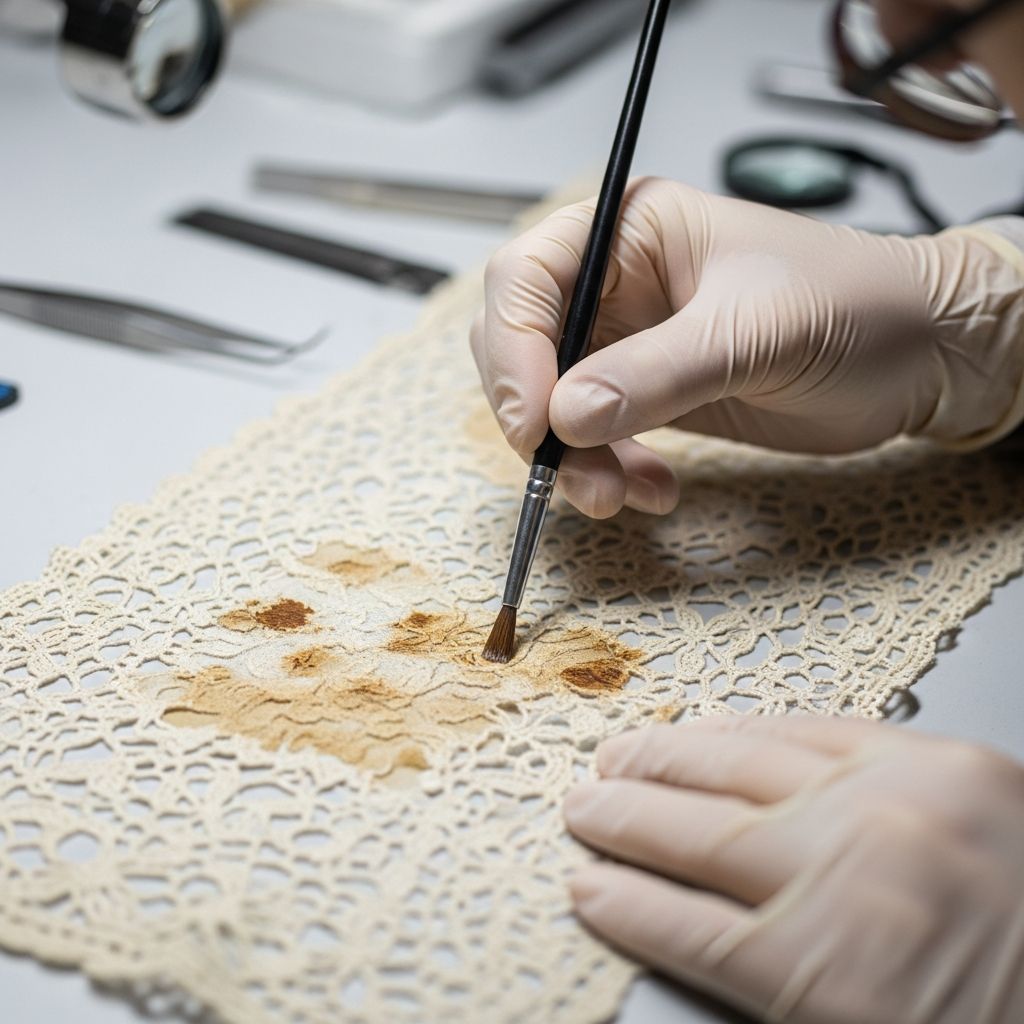
Brown stains on old fabrics often result from years of storage, environmental exposure, or embedded contaminants like rust, oils, or organic residues. These marks can diminish the beauty of heirlooms such as quilts, linens, and garments, but with careful application of targeted treatments, many can be reversed. This guide provides a comprehensive approach to identifying causes, selecting appropriate methods, and executing cleanings that prioritize fabric integrity.
Understanding the Origins of Brown Discoloration
Brown spots on aged textiles typically stem from oxidation, metallic residues, biological factors, or accidental spills. Oxidation occurs when fabrics react with air over decades, leading to yellowing or browning, especially in cotton or wool items stored in attics or basements. Rust from pins, needles, or zippers embedded during sewing transfers iron particles that oxidize into reddish-brown stains. Oils from batting materials in quilts, like those in older cotton battings containing seed fragments, can migrate and discolor surrounding cloth over time.
Other common culprits include food splatters, smoke residue, water spotting from uneven drying, or even insect droppings like fly dirt. Protein-based stains from blood or sweat accumulate in high-contact areas, darkening with time and dust. Identifying the likely source guides the choice of remover—solvent for oils, acid for rust, enzymes for proteins—preventing further damage.
- Oxidation and age: Uniform yellow-brown haze, common on untouched items.
- Rust: Sharp-edged, orange-brown spots near metal contacts.
- Oils/food: Greasy, irregular patches that feel waxy.
- Water/mold: Tide-line patterns or fuzzy edges.
Preparing for Safe Stain Treatment
Before any cleaning, assess the fabric’s condition. Test treatments on an inconspicuous area, such as a seam or hem, to check for color bleeding or weakening. Work in a well-ventilated space on a protected surface like a white towel over a table. Gather tools: soft brushes, cotton swabs, sponges, distilled water, white cloths, and gloves. Avoid rubbing; always blot or tamp gently to lift stains without spreading them.
For fragile antiques, consider professional conservation. Museums recommend sequential, repetitive applications rather than aggressive scrubbing, allowing time for chemical reactions to break down residues. Never use hot water initially, as it can set protein or tannin stains permanently.
Household Remedies for Common Brown Spots
Many effective treatments use pantry staples, minimizing risk to delicate fibers. Start with the mildest option and progress if needed.
Vinegar and Dish Soap for Water-Based and Tannin Stains
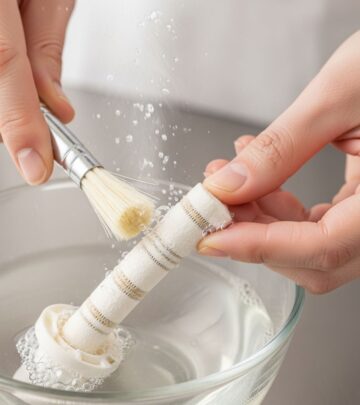
Diluted white vinegar (1:1 with water) neutralizes acids in tea, fruit, or age-related spots. Mix with a fragrance-free dish soap like Dawn for mild detergency. Apply via cotton swab, tamp gently, then rinse with distilled water. Repeat 3-5 times, air-drying between sessions. This alternates acid and detergent to dissolve tannins without harming dyes.
Oxygen Bleaches for Versatile Removal
Products like OxiClean or Biz, containing sodium percarbonate, release hydrogen peroxide when activated in warm water. Soak affected areas for 3-6 hours, agitating periodically with a soft tool. Safe for most colors (test first), these excel on sweat, food, and oxidation stains. Forum users report success on quilts by pretreating spots and machine-washing on gentle cycles.
| Stain Type | Recommended Soak | Duration | Notes |
|---|---|---|---|
| Oxidation/Sweat | OxiClean in warm water | 3-6 hours | Rinse thoroughly; sun-dry for whitening. |
| Food/Oil | Biz powder + hot water | Overnight | Agitate minimally; avoid wool/silk. |
| Rust | Vinegar soak post-solvent | 1 hour | Follow with baking soda poultice. |
Sunlight and Enzyme Boosters
After chemical treatment, expose damp fabric to indirect sunlight. UV rays naturally bleach residual discoloration. For protein stains, enzyme laundry boosters break down organic matter; apply as a paste, let sit 30 minutes, then rinse.
Advanced Techniques for Stubborn Marks
When household methods fall short, escalate to targeted chemicals, handling with precision.
Rust and Iron Oxide Removal
Rust demands oxalic acid or commercial rust dissolvers, but these are hazardous—use sparingly on cotton/linen only. Apply as a poultice (mixed with glycerin for lubrication), tamp, and neutralize with ammonia solution. Professionals pour boiling water from height on fresh fruit/rust combos to flush via fiber swelling, but this risks dyes.
Solvents for Grease and Oils
Quilt battings release oils causing brown halos; dry-cleaning solvents like perchloroethylene dissolve them. Dab sparingly, evaporate fully, then follow with detergent. For home use, rubbing alcohol or acetone (avoid acetates) lifts greasy spots when mixed 1:1 with water.
Hydrogen Peroxide Poultices
Mix 3% hydrogen peroxide with baking soda into a paste for localized bleaching. Cover with plastic wrap for 20-30 minutes, then rinse. Effective on smoke or blood but monitor for dye fading.
Special Considerations for Heirloom Quilts and Garments
Quilts pose unique challenges due to layered construction and batting. Avoid full immersion; spot-treat only. Users suggest RetroClean for batting oils and Q-tip applications of Dawn for testing. Vintage clothing with metallics requires solvent pre-treatment before water-based steps.
For silks/wools, skip enzymes and alkalis, as they degrade proteins. Opt for ethanol solvents followed by glycerin-lubricated vinegar. Always flat-dry on screens to prevent stress.
Prevention Strategies for Long-Term Preservation
Preserve cleaned textiles by storing in acid-free boxes with silica packs in cool, dark spaces. Use rust-free pins and wash pillowcases weekly to curb sweat buildup. Install water softeners for laundering, as hard water exacerbates stains. Regular airings and gentle vacuuming with screens maintain freshness without moisture introduction.
Frequently Asked Questions
Can I machine-wash stained vintage quilts?
Yes, after spot-testing and pretreating with oxygen bleach. Use gentle cycle, cold water, and extra rinse. Dry flat.
Is bleach safe for colored old fabrics?
No—chlorine bleach yellows proteins and fades dyes. Stick to oxygen alternatives.
What if the stain returns after cleaning?
Often indicates batting oils or incomplete removal. Repeat soaks or consult conservators.
How do I remove brown spots from silk?
Use ethanol solvent first, then mild soap/vinegar. Avoid water immersion.
Does sunlight alone whiten old fabrics?
It helps post-treatment but can degrade fibers if prolonged. Use indirectly.
Professional Help and When to Seek It
For irreplaceable items, textile conservators employ pH-balanced solutions and vacuum suction. Dry cleaners with spotting expertise handle complex cases without full immersion. Costly but ensures longevity.
In summary, patience and method specificity restore most brown stains. Start mild, document progress, and prioritize fabric health over speed.
References
- Stain Removal — Museum Conservation Institute (Smithsonian). Accessed 2026. https://www.mci.si.edu/stain-removal
- Brown Spots on Quilts — Quiltingboard Forums. 2014-06-18. https://www.quiltingboard.com/main-f1/brown-spots-quilts-t248679.html
- How to Remove Brown Stains — Threads Magazine. Accessed 2026. https://www.threadsmagazine.com/forum/how-to-remove-brown-stains
- Stain Removal Guide — The American Cleaning Institute. Accessed 2026. https://www.cleaninginstitute.org/cleaning-tips/clothes/stain-removal-guide
Similar Articles



Read full bio of Sneha Tete