Removing Oil Stains From Vinyl Flooring: 6 Proven Steps
Complete guide to eliminating oil marks and greasy residue from vinyl floors safely.
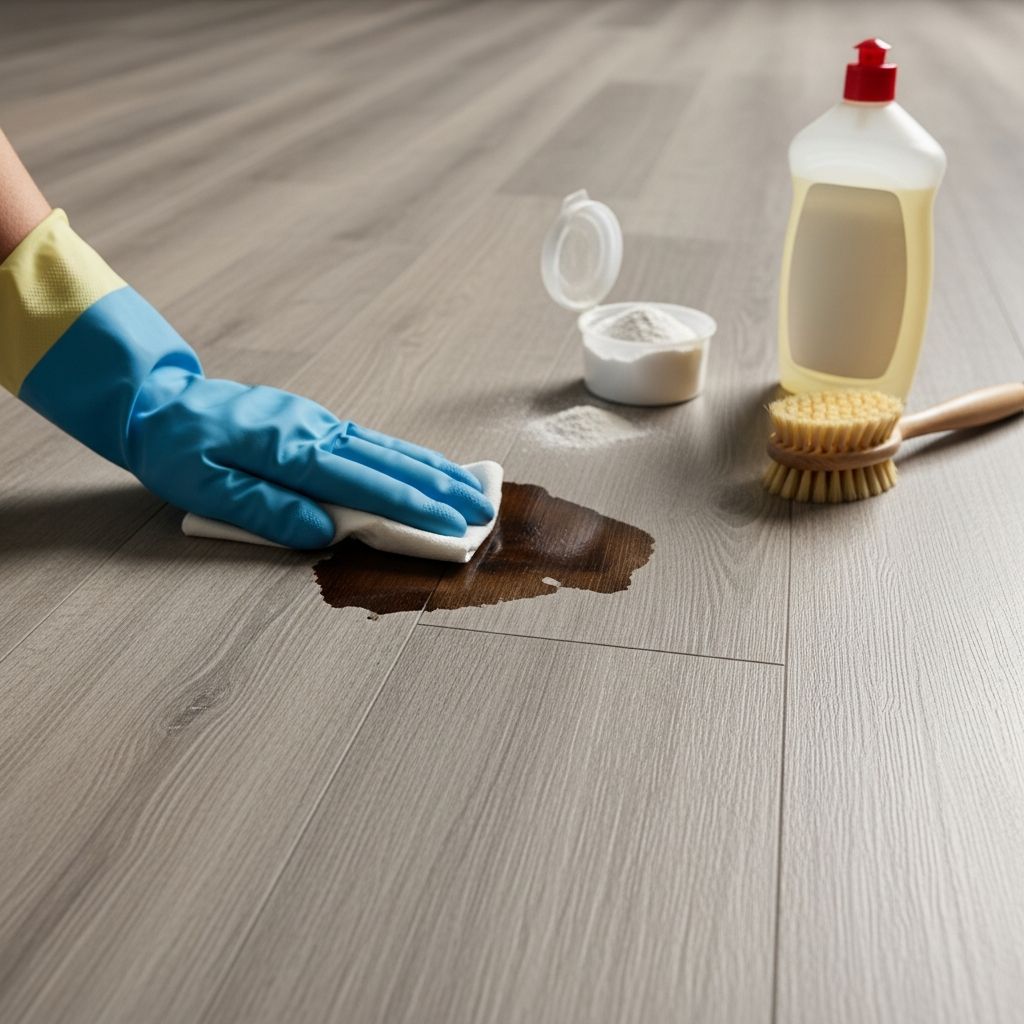
Removing Oil Stains from Vinyl Flooring: A Comprehensive Guide
Oil stains represent one of the most stubborn challenges when maintaining vinyl flooring. Whether caused by cooking accidents, automotive leaks, or accidental spills, oily residue can leave unsightly marks that seem impossible to remove. Understanding the right approach to tackle these persistent blemishes will help preserve the appearance and longevity of your vinyl floors. This guide provides detailed strategies for addressing oil-based stains while protecting your flooring investment.
Understanding Oil Stains on Vinyl Surfaces
Oil stains differ from ordinary dirt and require specialized treatment because of their adhesive nature. Unlike water-based spills that evaporate or absorb into cleaning solutions, oil creates a slick barrier that resists standard mopping techniques. The composition of vinyl flooring—typically made from polyvinyl chloride—can be sensitive to certain solvents, making it crucial to select appropriate cleaning methods that remove stains without damaging the protective surface layer.
The severity of an oil stain depends on several factors, including how long it has been present, the type of oil involved, and the thickness of the residue. Fresh oil spills are considerably easier to address than aged stains that have had time to set into the vinyl’s pores. Identifying these variables helps determine which removal strategy will work most effectively for your specific situation.
Initial Preparation: Clearing the Work Area
Before attempting any stain removal, proper preparation ensures safety and effectiveness. Begin by clearing the affected area of furniture, rugs, and other obstacles. This provides unobstructed access and prevents spreading the oily residue to other surfaces.
Next, remove loose debris by sweeping or vacuuming the floor thoroughly. Pay special attention to corners, edges, and the space around the stained area. This preliminary step prevents dirt particles from mixing with your cleaning solution and creating a muddy paste that could further damage the floor’s finish.
Dry Absorption Technique
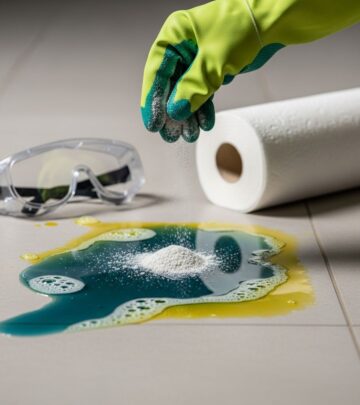
The first line of defense against fresh oil stains involves absorbing excess liquid before it penetrates deeper into the vinyl. Blot the spill immediately with absorbent materials rather than wiping, which spreads the oil across a larger surface area.
Effective absorption materials include:
- Paper towels or newspaper
- Clean cloth rags
- Baking soda or talcum powder
- Kitty litter (non-scented varieties work best)
Sprinkle powdered absorbers directly onto the oily spot and allow them to sit for 15-30 minutes. These materials draw moisture upward, reducing the amount of oil that requires chemical treatment. Once the powder has absorbed the excess, vacuum or sweep it away before proceeding to liquid cleaning methods.
Natural Cleaning Solutions for Oil Removal
Many homeowners prefer natural alternatives to commercial cleaners because they avoid harsh chemicals while proving highly effective against oily stains. These solutions are safer for households with pets and children, and they typically cost less than specialized floor cleaning products.
Vinegar-Based Solution
White vinegar serves as an excellent degreaser due to its acidity, which breaks down oily residues effectively. The smell, while initially strong, dissipates quickly as the floor dries.
To create a vinegar cleaning mixture:
- Combine 1 cup of white vinegar with 1 gallon of warm water
- For enhanced degreasing power, add ½ cup of rubbing alcohol to the mixture
- Include 1-2 drops of dish soap if needed for additional cutting power
Dip a soft cloth or microfiber mop into the solution, wring out excess liquid thoroughly, and apply to the stained area using gentle circular motions. Allow the solution to sit for several minutes before wiping clean with a damp cloth containing plain water. The vinegar’s natural acidity works to dissolve oil without leaving a protective coating that could trap future dirt.
Baking Soda Paste
Baking soda provides a gentler, slightly abrasive approach that works well for moderately stubborn oil marks. This natural compound is safe for all vinyl flooring types and won’t cause discoloration or finish damage.
To prepare a baking soda treatment:
- Mix baking soda with water to achieve a paste consistency
- Apply directly to the oil stain using a soft cloth
- Gently rub in circular motions for 2-3 minutes
- Wipe clean with a damp cloth, then dry thoroughly
If the stain persists after the initial treatment, repeat the process. The mild abrasive action helps lift stubborn residue without scratching the vinyl’s protective layer.
Rubbing Alcohol Application
Isopropyl alcohol effectively dissolves oily compounds and evaporates quickly, leaving minimal residue. This makes it particularly useful for surface-level oil stains that haven’t penetrated deeply into the vinyl.
Apply rubbing alcohol by:
- Dampening a soft cloth with the solution
- Pressing it against the stain for several seconds to allow penetration
- Gently buffing the area in small circular motions
- Repeating as necessary until the stain disappears
- Following with a water rinse to remove any alcohol residue
Commercial Floor Cleaning Products
When natural solutions prove insufficient, quality commercial cleaners designed specifically for vinyl flooring offer more concentrated cleaning power. The key consideration involves selecting products that won’t damage the vinyl’s protective finish.
Choose cleaners with these characteristics:
- pH-neutral formulation to prevent surface degradation
- Non-abrasive formula that won’t scratch or dull the finish
- Specifically labeled as safe for vinyl or luxury vinyl flooring
- No wax, sealing agents, or oil-based additives that create buildup
Apply commercial cleaners according to manufacturer instructions, typically by diluting with water and applying with a damp mop. Always test new products in an inconspicuous area before treating visible stains to ensure compatibility with your specific vinyl flooring type.
Advanced Stain Removal Techniques
Laundry Detergent Method
Powdered laundry detergent creates an effective paste for tackling stubborn oil stains. The surfactants in laundry soap break down oily molecules, lifting them from the vinyl surface.
To use this method:
- Mix powdered detergent with minimal water to form a thick paste
- Spread the paste over the oil stain
- Allow it to set for 10-15 minutes
- Scrub gently with a soft nylon brush or old toothbrush
- Rinse thoroughly with clean water and dry completely
Specialty Oil Treatments
Certain household products interact with oil in ways that enhance removal effectiveness. These treatments work best on fresh to moderately aged stains:
- Baby Oil or Essential Oils: While counterintuitive, small amounts of oil can sometimes help dissolve and lift stubborn oil stains. Use sparingly and rinse thoroughly afterward
- Lemon Juice: The citric acid in fresh lemon juice provides mild degreasing action suitable for light to moderate stains
- Nail Polish Remover: For stains combined with adhesive or similar substances, acetone-based nail polish remover can help break down multiple contaminants simultaneously
Step-by-Step Oil Stain Removal Process
| Stage | Action | Duration | Key Considerations |
|---|---|---|---|
| 1. Initial Response | Blot excess oil with absorbent materials | Immediately | Act quickly; fresh oil is easier to remove |
| 2. Dry Absorption | Apply powder (baking soda, talc, or kitty litter) | 15-30 minutes | Allow powder to fully absorb excess moisture |
| 3. Primary Cleaning | Apply chosen natural or commercial cleaner | 5-10 minutes | Choose solution appropriate for stain age |
| 4. Scrubbing | Gently work solution into stain | 2-5 minutes | Use soft tools; avoid aggressive scrubbing |
| 5. Rinsing | Wipe area with clean water multiple times | Until clean | Remove all cleaner residue to prevent buildup |
| 6. Drying | Use towels or allow air drying | Varies | Complete drying prevents water damage |
Preventative Measures and Long-Term Care
Minimizing oil stains requires implementing preventative strategies throughout your home. In the kitchen, where cooking oils present the greatest risk, consider placing protective mats in high-traffic areas and near appliances. These mats catch spills before they reach the vinyl floor.
Establish a regular cleaning schedule using appropriate vinyl maintenance techniques. Weekly mopping with pH-neutral cleaner maintains the floor’s protective layer. This routine cleaning prevents dirt and oil from accumulating to problem levels.
Train household members to wipe up spills immediately and to be cautious when handling oily substances. Many oil stains result from preventable accidents that quick action could mitigate significantly.
What to Avoid When Cleaning Vinyl Floors
Certain cleaning methods damage vinyl flooring and should never be used, regardless of how stubborn a stain appears. Steam mops, while popular for other floor types, can warp vinyl and cause permanent damage. The heat and moisture combination compromises the vinyl’s structural integrity.
Avoid these problematic approaches:
- Bleach-based cleaners (except as an absolute last resort with extreme caution)
- Harsh chemical solvents that degrade vinyl
- Abrasive scrubbing tools like steel wool or wire brushes
- Wax or sealant products that create unwanted buildup
- Excessive water that sits on the surface rather than being mopped immediately
- Steam cleaning equipment of any kind
Addressing Stubborn, Set-In Stains
Oil stains that have existed for extended periods become increasingly difficult to remove as they oxidize and bond more firmly to the vinyl. These aged stains may require multiple treatment applications spanning several days.
For persistent stains, try layering different removal methods sequentially. Begin with baking soda paste, follow with vinegar solution the next day, and finish with a commercial vinyl cleaner if needed. This graduated approach prevents overexposure to any single chemical while maximizing the probability of complete removal.
If all other methods fail, bleach represents the final option, though it carries significant risk of discoloration or permanent damage. Dilute household bleach with water (one part bleach to two parts water), test on a hidden area first, and apply only as a last resort when replacement seems more likely than continued use of the stained floor.
Determining When Professional Help is Needed
Severely discolored vinyl or stains that persist after multiple thorough treatment attempts may indicate the damage has penetrated beyond the surface layer. In such cases, consulting a professional floor cleaner or considering floor replacement becomes more practical than continuing intensive DIY efforts.
Professional services have access to industrial-strength equipment and specialized solutions unavailable to consumers. They can assess whether a stain is permanent or merely requires expert-level intervention. For valuable vinyl flooring installations, this investment often proves worthwhile.
Maintaining Vinyl Floor Beauty After Stain Removal
Once you have successfully removed an oil stain, implement maintenance strategies to preserve the clean appearance and prevent future incidents. Establish a weekly mopping schedule using appropriate vinyl floor cleaners. Avoid products containing oils or waxes that create buildup and attract dirt.
Place protective mats in areas prone to oil spills, such as in front of the stove, sink, or in garages. These barriers catch spills before they contact the flooring. Regular mat cleaning prevents the mats themselves from becoming sources of oily residue.
Address any new stains promptly using the techniques outlined in this guide. The longer an oily substance sits on vinyl flooring, the more difficult removal becomes, making quick action your best defense against permanent staining.
References
- How to Clean Vinyl Floors — The Home Depot. Accessed February 2026. https://www.homedepot.com/c/ah/how-to-clean-vinyl-floors/9ba683603be9fa5395fab901ef3fd99c
- How to Clean Vinyl Floor — Narwal Robotics. Accessed February 2026. https://us.narwal.com/blogs/cleaning-guide/clean-vinyl-floor
- How to Clean Vinyl Floors: Hot Tips You Need to Know — Flooring Inc. Accessed February 2026. https://www.flooringinc.com/blog/how-to-clean-vinyl-floors
- DIY Floor Cleaners (Hardwood, Laminate, & Vinyl) — Clean My Space. Accessed February 2026. https://cleanmyspace.com/diy-floor-cleaners-hardwood-laminate-vinyl/
- Vinyl Floor Cleaning — Flooring Forum. Accessed February 2026. https://www.flooringforum.com/threads/vinyl-floor-cleaning.6273/
Similar Articles








Read full bio of medha deb