Removing Paint from Masonry Surfaces
Expert guide to safely strip paint from brick, stone, and concrete without causing damage to your home's exterior.
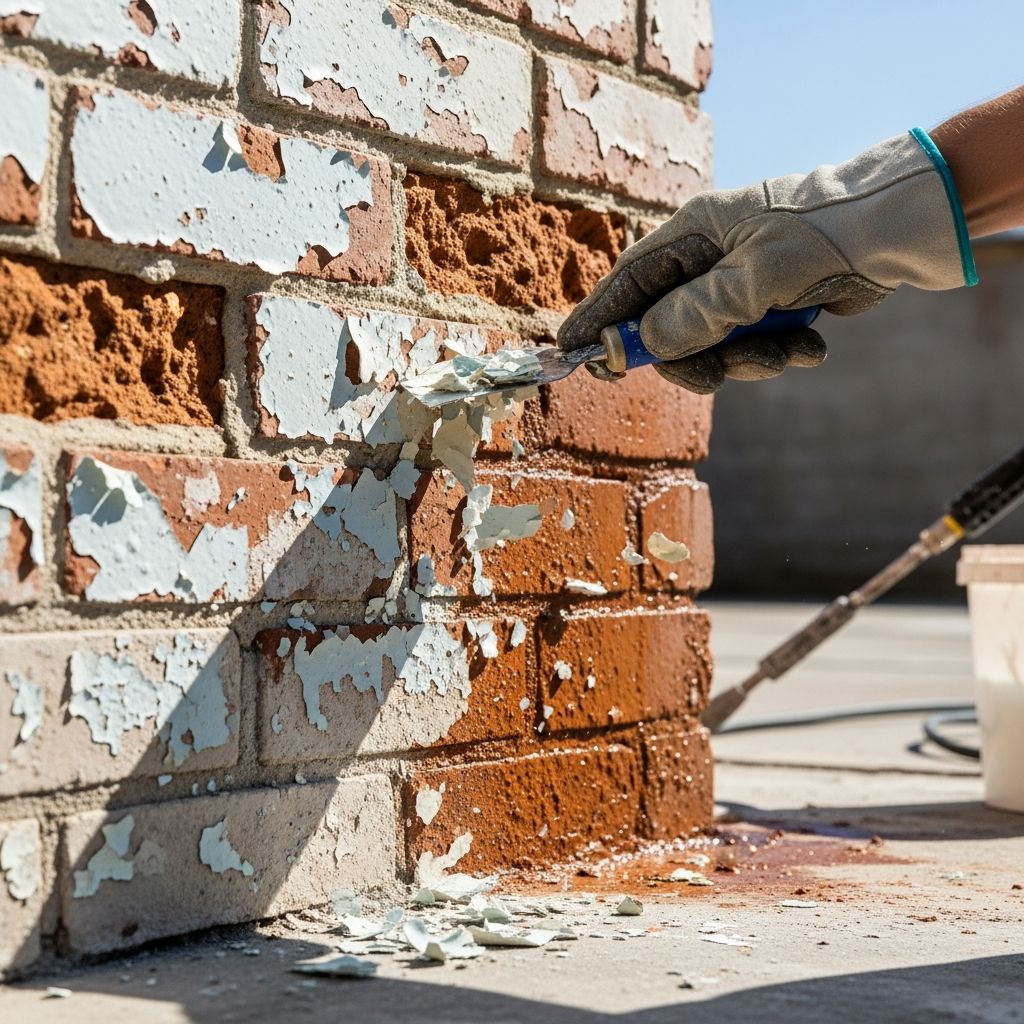
Masonry surfaces such as brick, stone, and concrete often accumulate layers of paint over time, either from previous coatings or accidental applications. Removing this paint restores the natural beauty of these materials but requires careful methods to avoid etching or damaging the substrate. This comprehensive guide outlines proven techniques, safety protocols, and finishing steps for successful paint removal.
Understanding Masonry Paint Challenges
Paint on masonry adheres differently than on smooth surfaces due to the porous nature of brick and stone. Oil-based or latex paints can penetrate deeply, making removal tougher. Factors like paint age, surface condition, and environmental exposure influence the best approach. Always assess the paint type first—soft, peeling layers respond to mechanical scraping, while hard, adhered paint demands chemical intervention.
Essential Safety Precautions
Paint stripping involves hazardous chemicals and debris. Prioritize protection to prevent inhalation, skin contact, or eye irritation.
- Wear chemical-resistant gloves, safety goggles, long sleeves, pants, and closed-toe shoes.
- Use a NIOSH-approved respirator mask for fume protection, especially with solvent-based strippers.
- Ensure excellent ventilation by opening windows, using fans, or working outdoors.
- Protect surrounding areas with plastic sheeting to contain drips and residue.
- Keep a neutralizing agent like baking soda solution nearby for acid spills.
Consult product safety data sheets (SDS) for specific hazards. Dispose of waste per local regulations, as strippers may contain regulated substances.
Gathering the Right Tools and Materials
Selecting appropriate equipment ensures efficiency and minimizes damage. Here’s a curated list:
| Category | Items | Purpose |
|---|---|---|
| Tools | Putty knife, wire brush, natural bristle brush, steel wool (#0000 grade), pressure washer (low PSI), garden hose | Scraping, scrubbing, rinsing without abrasion |
| Protective Gear | Gloves, goggles, respirator, coveralls | Personal safety |
| Chemicals | Masonry paint stripper (alkaline or solvent-based), detergent, hydrochloric acid (diluted), masonry sealer | Loosening paint, cleaning, sealing |
| Supplies | Plastic sheeting, buckets, sponges, drop cloths | Containment and cleanup |
Choose strippers formulated for masonry, such as those containing methylene chloride or alkaline agents like trisodium phosphate (TSP). Test compatibility on a small area first.
Step-by-Step Paint Removal Process
Follow these stages methodically for optimal results. Work in manageable sections (e.g., 10×10 ft) to prevent stripper drying.
1. Surface Preparation
Clean the area thoroughly to remove dirt, grease, or efflorescence, which can block stripper penetration. Mix dish detergent with warm water and scrub using a wire brush. Rinse with a hose and allow to dry. This step enhances chemical efficacy.
2. Testing Paint Hardness
Scrape a small spot with a putty knife. If paint flakes easily, proceed to mechanical removal. For stubborn layers, apply stripper. This initial test dictates the method and prevents unnecessary chemical use.
3. Applying Paint Stripper
Generously coat the surface with a paintbrush or roller, working into joints. Apply in thick layers per manufacturer dwell time (typically 15-30 minutes). Avoid direct sunlight to slow evaporation. Reapply if needed for multi-layer paint.
4. Scraping and Scrubbing
Once bubbling occurs, gently scrape with a putty knife at a 30-degree angle. Use steel wool or a soft brush for residue in pores. Never use wire brushes on soft stone like limestone, as they cause micro-abrasions.
5. Neutralizing and Rinsing
Neutralize alkaline strippers with a vinegar-water mix (1:10 ratio) or acidic ones with baking soda solution. Rinse copiously with low-pressure water (under 500 PSI) to flush residues. Repeat until runoff is clear. Allow 24-48 hours drying.
Alternative Methods for Delicate Surfaces
Chemicals aren’t always ideal for vintage or porous masonry. Consider these gentler options:
- Wet Sanding: Use a HEPA-vacuum sander with fine grits (120+) for precision removal without dust.
- Low-Heat Stripping: Infrared or steam methods soften paint for scraping, suitable for historic buildings.
- Biodegradable Strippers: Eco-friendly formulas like soy-based or citrus products for lighter jobs.
- Pressure Washing: Only for loosely adhered paint, at 400-800 PSI with wide nozzle.
For limestone or vintage brick, start with mild cleaners like PROSOCO products before escalating to strippers.
Post-Removal Restoration and Sealing
After paint-free surfaces, address any exposed damage. Fill cracks with hydraulic lime mortar matching the original. Clean residual stains with specialized restorers. Apply a breathable masonry sealer to protect against moisture while allowing vapor escape. Silane/siloxane sealers are ideal for brick. Avoid film-forming sealants that trap water.
Common Mistakes to Avoid
Steer clear of these pitfalls for professional results:
- Skipping test patches, leading to discoloration.
- Over-aggressive scraping, etching the masonry.
- Inadequate rinsing, causing chemical burns on stone.
- Ignoring weather—rain dilutes strippers; heat accelerates drying.
- Repainting too soon without full neutralization.
Environmental and Health Considerations
Many strippers contain volatile organic compounds (VOCs). Opt for low-VOC alternatives where possible. Collect runoff in buckets for proper disposal at hazardous waste facilities. For large projects, hire EPA-certified professionals. Biological growth post-cleaning requires biocides like quaternary ammonium compounds.
FAQ
Can I use a pressure washer alone to remove paint?
Low-pressure (under 800 PSI) works for flaking paint but risks driving residue into pores for adhered layers. Combine with stripping for best results.
Is chemical stripping safe for historic brick?
Yes, with alkaline strippers and natural brushes. Test first and use low-pressure rinses to preserve patina.
How long does the process take?
A 100 sq ft wall takes 4-8 hours per coat, plus drying. Multi-layer jobs span days.
What if paint doesn’t bubble after stripper application?
Reapply or switch products. Ensure surface is clean and dwell time is met.
Should I repaint after stripping?
Only if breathable; limewash or mineral paints suit masonry best for moisture management.
Advanced Tips for Professional Finishes
For optimal outcomes, integrate these pro techniques:
- Use orbital sanders with 40-80 grit for joint smoothing after scraping.
- Layer strippers in sections to maintain wet dwell time.
- Monitor pH during neutralization for complete residue removal.
- Document progress with photos for matching repairs.
Scaling up? Rent scaffolding for heights and consider soy-gel strippers for reduced fumes. Regular maintenance prevents future paint needs.
References
- How to Remove Exterior Paint from Bricks — Lowe’s. 2023. https://www.lowes.com/n/how-to/how-to-remove-exterior-paint-from-brick
- Removing Paint from Vintage Masonry — Chicago Bungalow. 2019-10-16. https://www.chicagobungalow.org/post/2019/10/16/removing-paint-from-vintage-masonry
- How to prepare loose flaky masonry paint — YouTube (Home Renovation Experts). Accessed 2026. https://www.youtube.com/watch?v=mAIK9ezVscs
Similar Articles



Read full bio of Sneha Tete