Removing Plumber’s Putty: Complete Guide
Master the art of safely removing plumber's putty from sinks, faucets, and fixtures with proven techniques for all surfaces.
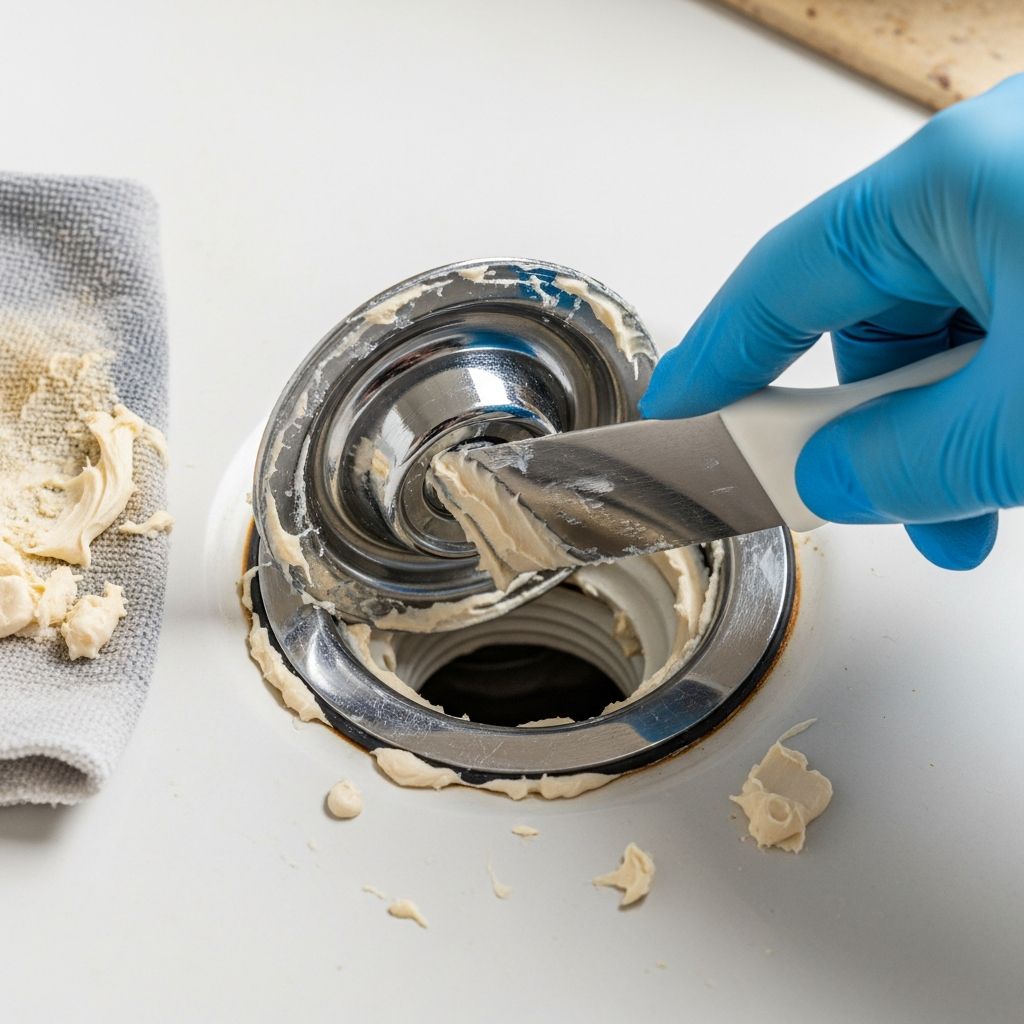
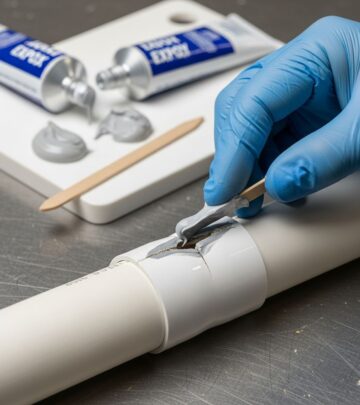
Plumber’s putty serves as a pliable sealant for plumbing fixtures like sinks and drains, creating watertight barriers without hardening into a rigid bond. Over time, it dries out, leaving residue that must be cleared for new installations or maintenance. This guide details safe removal strategies tailored to different materials, ensuring no scratches or damage occur during the process.
Understanding Plumber’s Putty Composition and Behavior
Composed primarily of linseed oil mixed with clay-like fillers and limestone dust, plumber’s putty remains soft and moldable when fresh, allowing easy application around faucet bases or strainers. Upon exposure to air, the linseed oil oxidizes, causing it to harden and crumble over days or weeks. This non-adhesive quality makes it removable without specialized removers, unlike caulks or glues that bond permanently.
When tackling removal, recognize that fresh putty peels away effortlessly, while aged versions require gentle scraping to avoid surface harm. Always test methods on inconspicuous areas first, especially on delicate finishes.
Essential Tools and Materials for Removal
Gather these items before starting to streamline the process:
- Plastic or wooden putty knife for scraping without scratching.
- Soft cloths or microfiber rags for wiping.
- Mild dish soap and warm water solution.
- Mineral spirits or paint thinner for stubborn residue.
- Hairdryer or heat gun on low setting for softening.
- Gloves to protect hands from solvents.
- Baking soda or vinegar for natural alternatives.
These tools handle most scenarios, from porcelain sinks to stainless steel. Avoid metal scrapers on polished surfaces to prevent gouges.
Step-by-Step General Removal Process
Follow this universal approach for most plumbing tasks:
- Peel initial layer: Use fingers or a plastic tool to lift and roll away bulk putty. Apply light pressure to break hardened edges.
- Scrape remnants: With a putty knife at a 30-degree angle, gently chip away fragments. Work in small sections to maintain control.
- Wipe with soap: Dampen a cloth in warm soapy water and rub surfaces. This lifts oily films left by linseed components.
- Solvent application: For persistent spots, apply mineral spirits sparingly with a rag. Let sit 1-2 minutes, then wipe clean. Rinse thoroughly.
- Final polish: Dry with a clean towel and inspect for haze. Buff with a dry cloth if needed.
This method typically clears 90% of residue in under 15 minutes per fixture.
Surface-Specific Removal Techniques
Different materials demand adjusted approaches to preserve integrity. Use this table for quick reference:
| Surface Type | Primary Method | Secondary Solvent | Precautions |
|---|---|---|---|
| Porcelain/Enamel | Plastic scraper + soapy water | Mild mineral spirits | Avoid abrasives; test heat gently |
| Stainless Steel | Wooden tool + warm water | Mineral spirits diluted | No metal tools to prevent scratches |
| Granite/Marble | Heat gun low + soft cloth | Vinegar solution | Minimal solvent; protect stone pores |
| Chrome/Brass Fixtures | Finger peel + microfiber wipe | Soap only initially | Polish after to restore shine |
| Pipe Threads | Wire brush lightly + spirits | Paint thinner | Ensure threads remain intact |
Handling Porcelain and Enameled Sinks
These glossy surfaces scratch easily. Begin by softening with a hairdryer for 30 seconds, then scrape parallel to the grain. Follow with soapy water to dissolve oils, ensuring the sink gleams afterward.
Stainless Steel and Metal Sinks
Resilient yet prone to visible marks, stainless responds well to plastic tools. After scraping, a vinegar-dampened cloth neutralizes residues without pitting the metal.
Stone Countertops and Natural Surfaces
Heat softens putty without chemicals. Apply low heat from 6 inches away, wipe immediately, and seal stone post-cleaning to prevent stains.
Natural and Eco-Friendly Alternatives
For solvent-averse users, these household options work effectively:
- Vinegar soak: Spray white vinegar, let dwell 5 minutes, scrub with a baking soda paste for abrasion.
- Lemon juice mix: Combine with salt for a citrus paste; ideal for light residues on non-porous areas.
- Cornstarch absorber: Dust on fresh putty to draw out oils before scraping.
- Castile soap: Dilute for a gentle, biodegradable cleaner on all metals.
These methods reduce fumes and environmental impact while matching commercial efficacy on softer buildups.
Common Challenges and Solutions
Hardened putty flakes but leaves films; address with vigorous solvent wiping. Over-application leads to excess—prevent by using thin ropes during installs. If putty migrates to threads, a nylon brush restores grooves without galling.
For clothing mishaps, freeze fabric first, scrape, then pretreat with dish soap before laundering. Always ventilate areas during solvent use.
Preventive Measures for Future Applications
To minimize removal hassles:
- Clean fixtures meticulously before applying new putty.
- Roll putty into 1/4-inch snakes for even coverage.
- Store in airtight containers to prevent premature drying.
- Opt for silicone alternatives on leak-prone areas, reserving putty for non-moving seals.
Proper use extends usability and cuts cleanup time significantly.
FAQs
How do I remove plumber’s putty from a sink drain?
Break up the hardened putty by hand, scrape with a plastic knife, and clean residue using mineral spirits on a rag. Rinse well.
Can I use heat to soften old plumber’s putty?
Yes, a hairdryer on low for 20-30 seconds softens it safely on most surfaces, making scraping easier without chemicals.
Is plumber’s putty removable from clothing?
Freeze the item, scrape off solids, apply dish soap, and wash per label instructions for full removal.
What if mineral spirits don’t work?
Escalate to paint thinner sparingly, or use a baking soda-vinegar paste for mechanical breakdown.
Does plumber’s putty expire?
It dries out if exposed; store sealed for up to two years shelf life.
Safety Considerations During Removal
Wear gloves and eye protection, especially with solvents. Work in ventilated spaces to avoid inhaling fumes. Dispose of putty waste as non-hazardous, but soak solvent rags in water before trashing to prevent fires. Keep children and pets away from work areas.
References
- Clean Plumbers Putty: Effective Removal Techniques — Integrity Plumbing Texas. 2023-05-15. https://integrityplumbingtexas.com/blog/clean-plumbers-putty/
- How to Properly Use Plumber’s Putty – Tips & Mistakes to Avoid — Oatey. 2024-02-10. https://www.oatey.com/faqs-blog-videos-case-studies/blog/how-properly-use-plumbers-putty-tips-mistakes-avoid-and-when-use
- Expert Guide: How To Remove Plumbers’ Putty Effectively — Onya Magazine. 2023-11-20. https://www.onyamagazine.com/australian-affairs/expert-guide-how-to-remove-plumbers-putty-effectively/
Similar Articles


Read full bio of medha deb