Removing Poison Oak from Upholstered Furniture
Safe methods to eliminate toxic poison oak oils from couches and fabric furniture.
Understanding Poison Oak Contamination on Household Furniture
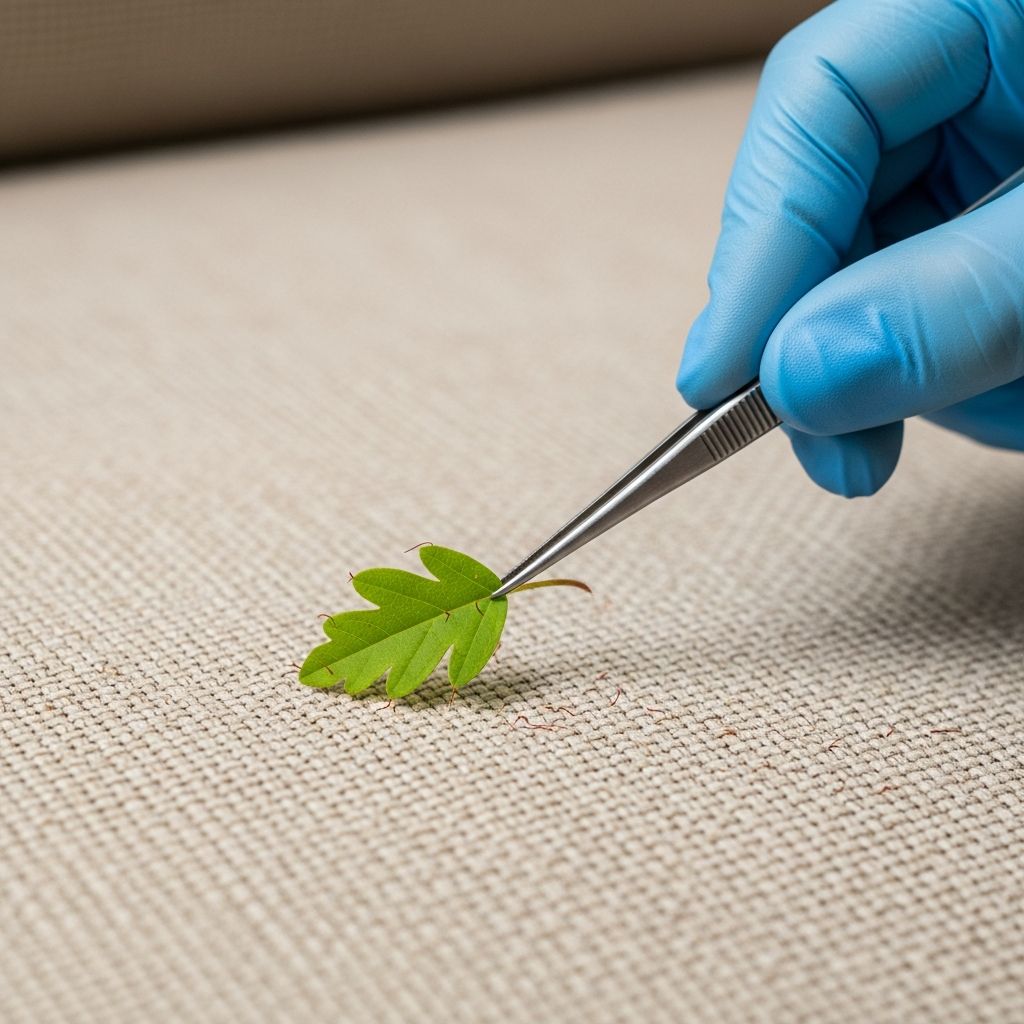
Poison oak is a plant that produces urushiol oil, a potent substance capable of causing severe allergic reactions when it comes into contact with human skin or personal belongings. Unlike what many people assume, the risk of contamination extends beyond outdoor activities—poison oak oils can easily transfer onto furniture, clothing, and household items through direct contact or via contaminated clothing and gear. Understanding the nature of this contamination is the first critical step toward effectively addressing the problem and protecting your household from prolonged exposure.
The urushiol oil present in poison oak remains active and hazardous even after the plant material has dried or been removed from the surface. This means that sitting on a contaminated couch or handling upholstered items without proper protection can result in developing the characteristic rash and itching associated with poison oak exposure. The oil can persist on fabric fibers for extended periods, making thorough cleaning essential for restoring the safety of your furniture.
Initial Assessment and Safety Preparation
Before initiating any cleaning process, it is crucial to evaluate the extent of the contamination and prepare appropriate protective equipment. Determine which areas of the couch have been exposed to poison oak by identifying regions where contact occurred, such as armrests, cushions, or backrest areas. This assessment helps you focus your cleaning efforts efficiently and ensures complete removal of harmful oils.
Personal protective equipment forms the foundation of safe poison oak cleanup. The following protective measures should be implemented:
- Wear heavy-duty disposable or easily laundered gloves that can be removed without skin contact with the contaminated surface
- Use long-sleeved clothing that covers your arms completely to prevent accidental skin exposure
- Consider wearing an apron or protective layer that can be removed and laundered separately
- Ensure adequate ventilation in the room where cleaning occurs to prevent inhaling airborne particles
- Have paper towels and designated disposal bags readily available for contaminated materials
Never underestimate the importance of these precautions. The oils from poison oak can transfer to your skin or clothing during the cleaning process, potentially spreading contamination to other areas of your home or causing additional exposure.
Mechanical Cleaning Methods for Upholstered Surfaces
Professional-grade upholstery and carpet cleaning machines offer one of the most effective approaches for removing poison oak oils from couch fabric. These machines use pressurized water combined with specialized cleaning solutions to extract oils from deep within fabric fibers, providing superior results compared to manual cleaning methods alone.
To use an upholstery cleaning machine effectively, follow this systematic approach:
- Fill the machine’s water tank with cold water, as hot water can potentially open fabric pores and spread the oil rather than remove it
- Add the appropriate cleaning solution as specified in your machine’s user manual, ensuring compatibility with your couch’s fabric type
- Attach the upholstery cleaning head to the machine and test it on an inconspicuous area of the couch first to verify that the cleaning solution will not damage or discolor the fabric
- Work systematically across the contaminated areas, passing over each section multiple times to ensure thorough extraction of urushiol oils
- Allow the couch to dry completely after cleaning, which may take several hours depending on humidity levels and ventilation in your home
The cold water setting is particularly important for poison oak contamination, as it prevents the oils from being driven deeper into the fabric fibers during the cleaning process. Multiple passes over the same area increase the likelihood of complete oil removal, which is essential for preventing future rashes or skin irritation.
Chemical and Commercial Cleaning Solutions
After initial mechanical cleaning, applying commercial upholstery and fabric cleaners specifically formulated for furniture can provide an additional layer of contamination removal. These products are designed to break down oils and residues that may remain in the fabric after machine cleaning.
The process for applying commercial cleaners involves the following steps:
- Select a commercial upholstery or fabric cleaner that is recommended for your specific couch material
- Apply the cleaner directly to the exposed areas using the product’s applicator or a soft cloth
- Allow the cleaner to sit on the fabric for the time recommended by the manufacturer to permit proper chemical action
- Gently blot the cleaner away using a clean, damp cloth, working from the outer edges toward the center to avoid spreading contamination
- Rinse the cloth frequently in clean water to prevent reapplying extracted oils back onto the furniture
- Repeat this process multiple times until no additional oil appears to be transferring to your cleaning cloth
Commercial cleaners often contain surfactants and other chemical agents specifically engineered to break molecular bonds in urushiol oil, making them more effective than water alone for complete contamination removal.
Homemade Natural Cleaning Solutions
For those preferring to avoid commercial chemical products, several effective homemade cleaning solutions can successfully remove poison oak oils from upholstered furniture. These alternatives use common household items that are both economical and environmentally conscious.
Laundry Detergent Solution: Combine one tablespoon of liquid laundry detergent with one quart of cold water to create a gentle yet effective cleaning mixture. This solution works by breaking down the oily composition of urushiol, allowing it to dissolve and separate from fabric fibers. Apply the solution to affected areas using a soft cloth, gently dabbing rather than rubbing to avoid driving the oil deeper into the upholstery. Blot away the solution with a clean, damp cloth and repeat the process until the furniture is thoroughly cleaned.
Vinegar and Water Mixture: White vinegar possesses acidic properties that can dissolve urushiol oil effectively. Mix equal parts white vinegar and water in a spray bottle, then spray the contaminated areas directly. Allow the mixture to sit for approximately thirty minutes to penetrate and break down the oil molecules before wiping clean with a cloth. This method also provides disinfecting benefits and leaves surfaces fresh and odor-free after the cleaning process is complete.
Baking Soda Paste: Create a paste by combining baking soda with water until achieving a consistency that can be spread onto the furniture. Apply this paste to contaminated areas and allow it to dry completely before scrubbing it away using a soft-bristled brush. The mildly abrasive nature of baking soda helps free urushiol oil from fabric surfaces without causing damage to delicate upholstery materials.
Isopropyl Alcohol Treatment
Isopropyl alcohol, commonly known as rubbing alcohol, serves as a powerful solvent for breaking down and removing urushiol oils from upholstered surfaces. This method should be employed after initial cleaning attempts or as a final treatment to ensure complete oil removal.
To apply isopropyl alcohol treatment safely:
- Dampen a clean cloth or rag with isopropyl alcohol, ensuring it is wet but not dripping
- Blot the alcohol-saturated cloth against the areas where poison oak oils are suspected to remain
- Work methodically across the contaminated regions, using fresh sections of the cloth as needed
- Repeat the blotting process several times, replacing the cloth when it becomes saturated with dissolved oils
- Allow the furniture to air dry completely after treatment, as isopropyl alcohol evaporates naturally
Isopropyl alcohol is particularly effective because it dissolves oils readily and evaporates quickly without leaving behind chemical residues. However, ensure proper ventilation during this treatment, as the fumes can be strong, and always test the solution on a hidden area first to confirm it will not damage the fabric’s color or texture.
Drying and Post-Cleaning Care
Proper drying is an often-overlooked but critical component of poison oak removal from upholstered furniture. Inadequate drying can lead to moisture accumulation, which promotes mildew growth and potentially reactivates urushiol oils on the fabric surface.
Implement these drying strategies for optimal results:
- Open windows in the room where the couch is located to maximize air circulation and natural ventilation
- Position fans to direct air flow across the cleaned furniture surfaces
- Avoid placing the couch against walls or in corners where air cannot circulate freely
- Allow several hours to a full day for complete drying, depending on humidity levels and fabric thickness
- Do not use heat from blow dryers or heating sources, as excessive heat can damage delicate upholstery
- Once dry, inspect the couch to verify that no residual sticky or oily sensations remain on the fabric
Proper drying also ensures that any remaining urushiol oils are brought to the surface where they can be detected and addressed if necessary. If the couch still feels sticky after drying, an additional round of cleaning may be required.
Handling Contaminated Cleaning Materials
The rags, cloths, and materials used during poison oak cleanup can themselves become contaminated with urushiol oil. Improper disposal or handling of these items can spread contamination to other areas of your home or cause additional skin exposure.
Cleaning materials should be managed using these protocols:
- Designate separate containers for contaminated and uncontaminated cleaning materials
- Remove contaminated gloves carefully by turning them inside out as you take them off to contain the oil
- Place all contaminated cloths and rags directly into the washing machine without folding or storing them elsewhere
- Wash contaminated textiles separately from other household laundry using hot water and strong detergent
- Disposable cleaning wipes and materials should be sealed in a bag before disposal in trash receptacles
- Wash your hands thoroughly with soap and water after handling contaminated materials, even if you wore gloves
Testing Fabric Safety Before Full Cleaning
Different upholstery fabrics respond differently to various cleaning solutions and methods. Before applying any cleaning product or technique to the entire couch, testing on a small, inconspicuous area is essential to prevent damage or discoloration.
Conduct a safety test by:
- Selecting a hidden area of the couch, such as the underside of a cushion or the back of a seat
- Applying your chosen cleaning solution in a small amount to this test area
- Observing the fabric for any color changes, texture alterations, or adverse reactions
- Allowing the test area to dry completely before making a final assessment
- Only proceeding with full-scale cleaning if the test area shows no negative effects
This precautionary step can prevent costly damage to your furniture while ensuring that your chosen cleaning method will be both effective and safe for your specific couch material.
Preventing Future Contamination
Once your couch has been thoroughly cleaned of poison oak contamination, implementing preventive measures helps avoid future incidents. Awareness of poison oak exposure risks and proactive management of outdoor gear and clothing can significantly reduce the likelihood of bringing urushiol oils into your home.
Prevention strategies include:
- Removing shoes and outer clothing immediately upon returning from outdoor activities in areas where poison oak grows
- Storing contaminated clothing separately before washing to prevent cross-contamination with other household items
- Washing outdoor gear and tools regularly, especially equipment used in areas with known poison oak growth
- Educating family members about poison oak risks and proper handling procedures
- Maintaining awareness of poison oak distribution in your local area during different seasons
- Installing storage areas near entrances for shoes and outdoor gear to contain potential contamination
Frequently Asked Questions
Q: How long does poison oak oil remain active on furniture?
A: Urushiol oil can remain active on surfaces for extended periods, potentially lasting weeks or months if not properly removed. Regular cleaning and proper storage of the furniture helps ensure that all contamination is eliminated over time.
Q: Is it safe to use bleach on upholstered furniture?
A: Bleach can damage or discolor most upholstery fabrics and should only be used on washable, non-delicate materials. Test any bleach-based solution on a hidden area first, and consider gentler alternatives for valuable or delicate furniture.
Q: Can poison oak oils spread through air or cause respiratory problems?
A: While urushiol oil itself is not typically airborne, burning poison oak plant material can release harmful oils into the air that cause serious respiratory issues. During cleaning, ensure adequate ventilation to avoid inhaling any airborne particles or chemical fumes.
Q: What should I do if I develop a rash after cleaning the couch?
A: Wash the affected area immediately with cold water and mild soap, then apply calamine lotion or an over-the-counter antihistamine. If the rash is severe or spreads rapidly, consult a healthcare provider for appropriate medical treatment.
Q: Is it necessary to replace upholstery if it has poison oak contamination?
A: Replacement is typically not necessary if cleaning is performed thoroughly and correctly. Most upholstered furniture can be successfully cleaned using the methods described above, restoring it to safe condition.
References
- How To Clean Poison Ivy Off Surfaces — Clorox. 2024. https://www.clorox.com/learn/how-to-clean-poison-ivy-off-surfaces/
- Poison Ivy, Oak, or Sumac: Tips for Washing — Kaiser Permanente Health Encyclopedia. 2024. https://healthy.kaiserpermanente.org/health-wellness/health-encyclopedia/he.poison-ivy-oak-or-sumac-tips-for-washing.hw75002
- How to Neutralize Poison Ivy Residue: Clean Poison Ivy Off Surfaces — PoisonIvyFree. 2024. https://www.poisonivyfree.com/how-to-neutralize-poison-ivy-residue/
- Stop Sneaky Rashes – How to Clean Poison Ivy Off Surfaces — Tecnu. 2024. https://tecnu.com/blogs/articles/stop-sneaky-rashes-how-to-clean-poison-ivy-off-surfaces
- Removing Poison Ivy from Clothes and Skin — Outdoor Joe’s. 2020. https://www.outdoorjoes.com/a-rhus-tox-guide/2020/09/02/guide-to-removing-poison-ivy-urushiol-from-clothes-and-skin
Similar Articles








Read full bio of medha deb