Removing Ski Bindings: Complete DIY Guide
Master the art of safely detaching old ski bindings at home with our detailed step-by-step instructions and pro tips for all binding types.
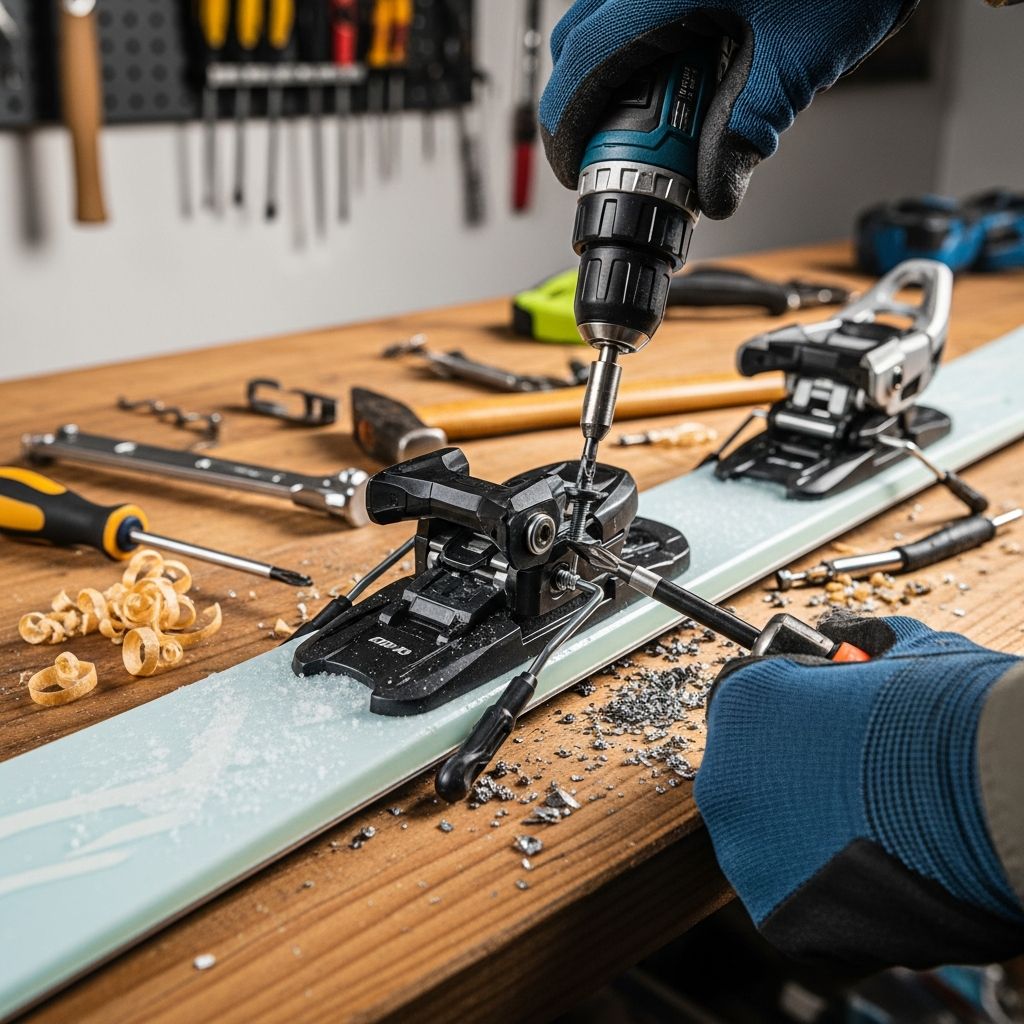
Detaching bindings from old skis is a fundamental skill for any skier looking to upgrade, repair, or customize their equipment. Whether you’re repurposing skis for a new setup or simply clearing space, knowing how to do this correctly prevents damage to the ski base and allows for future mounting. This guide draws from practical demonstrations and user experiences to provide clear, actionable steps applicable to most binding systems.
Why Remove Old Bindings?
Old bindings often become obsolete due to wear, incompatibility with modern boots, or changes in skiing style. Removing them exposes the ski core for inspection, retuning the base, or installing new mounts. Common reasons include switching from alpine to touring setups, salvaging parts for projects, or preparing skis for sale. Importantly, improper removal can strip screw holes or crack the ski topsheet, reducing resale value or usability.
Essential Tools and Materials
Gather these items before starting to ensure a smooth process:
- Precision screwdrivers: Phillips #2 and #3 for most alpine bindings; slotted for cross-country types.
- Posidrive bit: Common for European bindings like Marker or Salomon (often labeled “pozidriv” or with a ridge).
- Heat source: Hair dryer or heat gun to loosen adhesive tape.
- Pry tools: Plastic scraper, flathead screwdriver, or nylon wedge to avoid scratches.
- Protective gear: Gloves, eye protection, and a stable workbench.
- Cleaning supplies: Isopropyl alcohol, rags, and filler epoxy for old holes if remounting.
Work in a well-lit area with the skis secured upside down on a towel to protect the base.
Safety Precautions Before You Begin
Prioritize safety to avoid injury or gear damage. Always release tension in adjustable parts like brakes or levers. Inspect for rust or corrosion, which may require penetrating oil. If bindings are under warranty, consult the manufacturer first, as DIY removal might void it. Children or inexperienced users should have supervision. Finally, test ski integrity post-removal by flexing gently for delamination.
Step-by-Step Removal for Alpine Bindings
Alpine bindings, such as Marker Griffon or Jester, secure downhill skis with toe and heel pieces. They typically use 6-10 screws and may have brakes that need sliding.
- Position the ski: Flip ski upside down, binding facing up for access.
- Release the brake: Unscrew 2-4 small Phillips screws holding the brake assembly. Slide the brake rearward using a flathead if stuck.
- Detach heel piece: Remove rear screws (usually 2-3). Lift heel unit straight up; apply heat if glued.
- Remove toe piece: Unscrew front screws, prying plastic covers if hidden. Watch for concealed fasteners under stickers or plugs.
- Clear base: Pry off any remaining plates or tape, cleaning residue with alcohol.
For Marker models, start with brake screws to allow sliding, as shown in practical tutorials. This method takes under 10 minutes per ski.
Handling Cross-Country and Nordic Bindings
Cross-country bindings like NNN, SNS, or 3-pin differ with lighter construction and hidden fasteners. They often use double-sided tape alongside screws.
| Binding Type | Key Removal Steps | Common Challenges |
|---|---|---|
| NNN Auto | Pop button with ski pole, unscrew under it; lift flexor for more screws; heat tape on ridge plate. | Hidden button screws; sticky adhesive. |
| SNS Manual | Pry toe cap; open lever for ridge screws; pop heel plug. | Covered screws; double-sided tape. |
| 3-Pin | Straightforward screw access; no hidden parts. | Rarely glued; check for nails. |
| SNS Pro Pulse | Sticker-covered heel screw; pop flexor for toe. | Plastic plugs in middle. |
Begin by locating screws under buttons or flexors. Use a slotted driver for small covers and heat to soften tape without melting the ski. Peel stickers carefully on pilot skate types to reveal Torx screws.
Troubleshooting Common Issues
Stuck components are frequent with aged gear. Here’s how to address them:
- Seized screws: Apply WD-40, wait 10 minutes, then turn counterclockwise with proper bit to avoid stripping.
- Adhesive residue: Heat to 150°F and scrape gently; avoid metal tools on bases.
- Broken retainers: On ridge plates, remove outer screws first to prevent snapping plastic holders.
- Hidden fasteners: Check under heel inserts or toe levers; use thin blades for caps.
- Brake hinging: If it won’t slide, loosen all nearby screws fully.
Vintage Tyrolia bindings often hide screws under covers, requiring precise prying.
Post-Removal Care and Preparation for Remounting
After detachment, clean the mounting area thoroughly. Fill old screw holes with P-Tex candle or epoxy filler if reusing skis—drill new holes precisely using a template from the binding manual. Sand smooth and rewax the base. Inspect for core damage; flex skis to check integrity. Store bindings in a dry place if reusing, or recycle metal parts at ski shops.
For remounting, measure boot sole length and centerline carefully. Professional shops use jigs for accuracy, but DIY with a marker and straightedge works for experienced users.
Types of Ski Bindings Overview
Understanding binding categories aids removal:
- Alpine/Downhill: DIN-standard release for safety; heavier build.
- Cross-Country (NNN/SNS): Flex-focused for gliding; lighter screws.
- Touring/Telemark: Hybrid with walk modes; more screws.
- Pin/Tech: For splitboards; precise toe pins.
Each type’s mechanics dictate screw locations—alpine heels prioritize brakes, while Nordic emphasize toe flexion.
Environmental and Disposal Tips
Recycle responsibly: Plastics to curbside bins, metals to scrap yards, and foams to ski resorts’ programs. Avoid landfills for composite materials. Donate functional bindings to community programs or sell on forums.
FAQ
Can I remove bindings without special tools?
Basic screwdrivers suffice for most, but a Posidrive bit prevents stripping. Improvise with ski poles for buttons.
Will removing bindings damage my skis?
Not if done carefully—use correct drivers and avoid excessive force. Stripped holes are fixable with inserts.
How long does it take?
5-20 minutes per ski, depending on type and condition.
Should I heat gun or hair dryer?
Hair dryer is safer for beginners; keep under 200°F to avoid base damage.
Can I remount the same bindings elsewhere?
Yes, if undamaged. Match boot type and re-drill accurately.
Advanced Tips for Pros
For frequent tuners, invest in a binding-specific screwdriver set. Label screw positions with tape for reassembly. On carbon skis, use torque limiters to prevent cracking. Track DIN settings pre-removal for safety compliance.
This process empowers skiers to maintain gear affordably, extending equipment life and enhancing performance.
References
- Cross Country Ski Binding Removal, Secrets — Velotique (YouTube). 2019-01-09. https://www.youtube.com/watch?v=jokOVMh8aRI
- Removing bindings from old skis — Newschoolers.com Forum. Accessed 2026. https://www.newschoolers.com/forum/thread/79508/Removing-bindings-from-old-skis
- Marker Griffon & Jester Binding Removal.. DYI — Andyski (YouTube). 2024-02-15. https://www.youtube.com/watch?v=guqSVugaX0k
- How to disassemble an alpine ski binding — Pduesp (YouTube). 2017-06-06. https://www.youtube.com/watch?v=Arnt_r3ds5s
Similar Articles







Read full bio of medha deb