Renewing Blackout Roller Blinds: A Complete Fabric Replacement Guide
Master the art of refreshing your window treatments with expert fabric replacement techniques
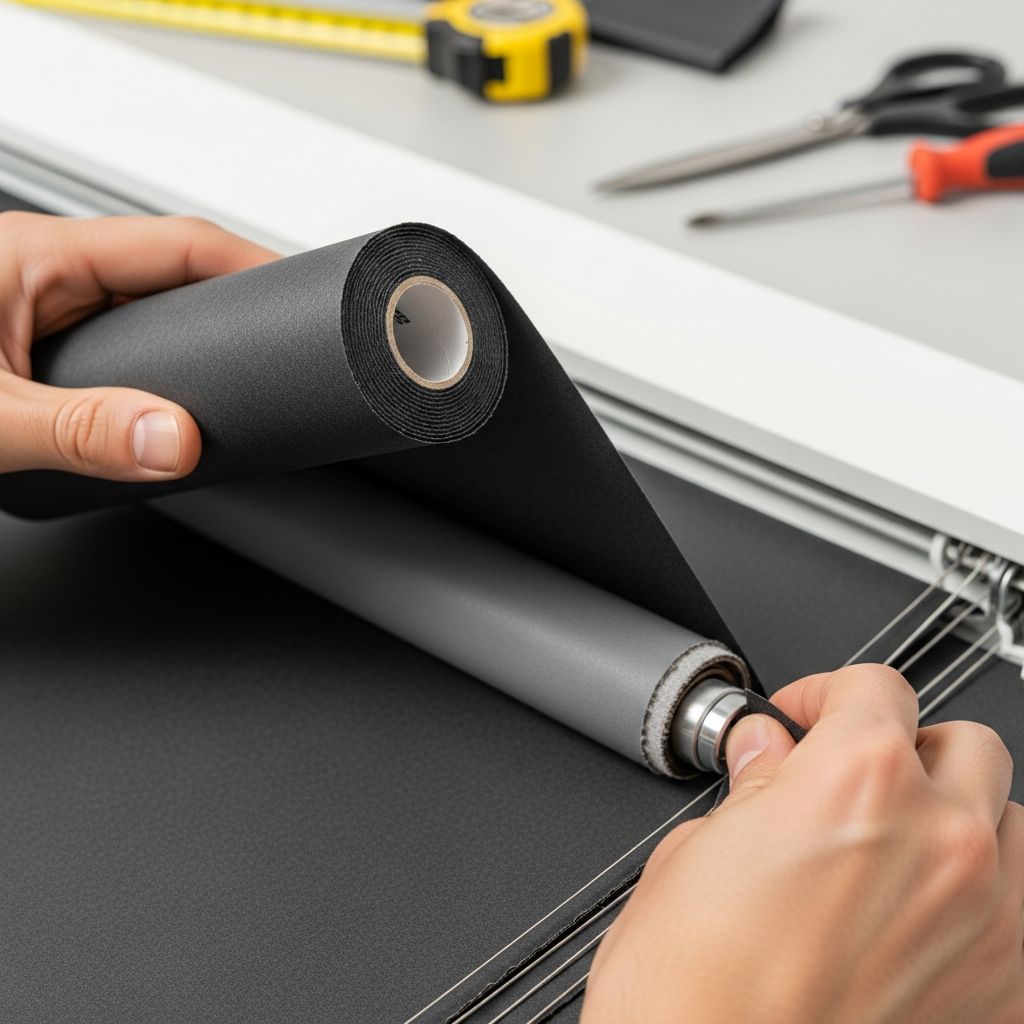
Blackout roller blinds serve as essential window coverings that provide privacy, light control, and thermal insulation for residential and commercial spaces. Over time, exposure to sunlight, dust accumulation, and general wear can diminish their aesthetic appeal and functional performance. Rather than discarding aging blinds entirely, many homeowners discover that replacing the fabric offers a cost-effective solution to breathe new life into existing mechanisms. This comprehensive guide explores the technical aspects, practical considerations, and systematic approach to successfully refresh your blackout roller blinds through fabric replacement.
Understanding the Fabric Replacement Decision
Before committing to a fabric replacement project, it is important to evaluate whether this approach aligns with your financial objectives and technical capabilities. The cost of replacement fabric can sometimes approach or match the price of purchasing an entirely new roller blind system. However, modern marketplace innovations have introduced affordable replacement options that make this strategy increasingly viable for budget-conscious consumers.
Several scenarios make fabric replacement particularly worthwhile. A primary consideration involves updating your interior design scheme when redecorating a room or moving into a new residence. Replacing fabric on individual windows allows you to achieve cohesive design aesthetics without replacing functional hardware. Additionally, if your current blinds feature durable mechanisms but the fabric has faded, stained, or lost its light-blocking properties, selective fabric renewal provides an economical alternative to complete replacement.
When evaluating cost-effectiveness, factor in the installation complexity specific to your blind type. Blinds mounted using removable brackets or hooks present significantly fewer challenges than those permanently affixed to walls or ceilings. Understanding your installation method before making purchasing decisions prevents unexpected complications or additional expenses.
Pre-Replacement Assessment and Planning
Successful fabric replacement begins with thorough planning and accurate assessment of your current system. Take detailed measurements of your existing blind dimensions, including width, length, and roller diameter. Document the specific mounting configuration—whether your blinds utilize side brackets, center supports, adhesive attachment, or permanent fixtures.
Photograph your current setup from multiple angles, capturing the mounting hardware, fabric attachment points, and any unique mechanical features. This visual documentation proves invaluable when ordering replacement fabric and serves as a reference guide during the removal and reinstallation process.
Contact your original blind manufacturer if possible, as they can provide precise specifications, fabric compatibility information, and sometimes offer pre-cut replacement options. Many manufacturers maintain detailed records of original purchases and can supply properly sized replacement fabric without requiring remeasurement or complex technical calculations.
Selecting Appropriate Replacement Fabric
Fabric selection involves balancing aesthetic preferences with functional requirements for blackout performance. When replacing fabric on individual windows within a larger space, precise color matching becomes essential to maintain visual harmony throughout your interior. Utilize color matching services provided by blind manufacturers or obtain fabric samples to compare against surrounding décor elements.
Consider the specific blackout performance you require. Some replacement fabrics offer varying degrees of light-blocking capability, from partial room darkening to complete light elimination. If your primary motivation involves improving thermal insulation or achieving complete darkness for sleeping areas, verify that your selected fabric meets these specifications.
Examine fabric composition and durability characteristics. High-quality blackout materials typically feature multi-layered construction combining a light-blocking middle layer with protective outer surfaces. These durable compositions resist fading, maintain their light-blocking properties over extended periods, and withstand regular rolling and unrolling cycles.
Essential Tools and Materials Assembly
Gathering appropriate equipment before beginning the replacement process facilitates smoother workflow and reduces frustration. Assemble the following items:
- Replacement blackout fabric pre-cut to specifications or bulk fabric requiring trimming
- Flathead screwdriver or wrench for bracket removal
- Cordless drill for fastener removal and reinstallation
- Flat-edge tool such as a putty knife or chisel for gentle prying of adhesive-mounted blinds
- Measuring tape for verification measurements
- Cloth and mild detergent for cleaning mechanisms and frames
- Replacement double-sided tape or adhesive if original mounting used glue
- Protective gloves to prevent injury from sharp edges or small components
Step-by-Step Removal Process
Begin by fully extending your blackout roller blind to its maximum unrolled position. This positioning reduces tension on the fabric and mechanical components, making separation easier and safer. Carefully locate and remove all fasteners holding the blind in its mounting position, working from one side to the other to maintain balanced support throughout the removal process.
For blinds mounted on removable brackets or hooks, simply lift the roller from its supports and place it on a clean work surface. For permanently mounted installations, exercise extreme caution when detaching adhesive-bonded systems. Apply gentle pressure with a flat tool along the mounting edge, working slowly to separate the blind from its attachment surface without damaging the wall or ceiling.
Once removed, examine the roller barrel and end caps for any visible damage or mechanical issues. Many homeowners discover this replacement process provides an opportune time to service mechanical components, replace worn springs, or address functional deficiencies that may have developed during the blind’s service life.
Next, locate the fabric attachment points where the blackout material connects to the roller mechanism. These connection points typically involve small fasteners, adhesive strips, or specialized clips depending on your blind’s specific design. Gently work the old fabric loose, unrolling it as you go. Take time to photograph each step if you are unfamiliar with the mechanism, as these images will guide your reassembly process.
Preparing the Blind Mechanism
After completely removing the old fabric, thoroughly clean all components of your blind mechanism. Use a damp cloth with mild detergent to remove accumulated dust, debris, and any residual adhesive from previous fabric attachment. Pay particular attention to the roller barrel surface, as any contamination could compromise the connection between new fabric and the mechanism.
Inspect the roller barrel and all moving parts for damage or wear. If you notice rust spots, rough patches, or mechanical issues, address these concerns before installing new fabric. Applying a light coat of silicone lubricant to moving parts can enhance mechanical performance and extend the service life of your refreshed blind.
Examine the end caps and mounting brackets for cracks or deformation. If structural damage exists, replacing these components now prevents future complications. Many blind manufacturers sell replacement end caps and brackets at reasonable cost, making this preventative maintenance investment worthwhile.
Installing New Blackout Fabric
Begin the installation process by positioning your new blackout fabric alongside the clean roller mechanism. Ensure the fabric is perfectly aligned with the roller barrel, as any misalignment will result in uneven rolling and potential mechanical binding.
Secure one end of the fabric to the roller using the attachment method appropriate to your specific blind design. Whether using adhesive strips, mechanical clips, or fasteners, apply these connections with deliberate precision. Many technicians recommend attaching the bottom end of the fabric first, then carefully rolling the mechanism to wind the fabric onto the barrel while maintaining tension.
As you roll the fabric onto the barrel, maintain consistent, gentle tension to prevent wrinkles or uneven winding. If your new fabric is thicker or thinner than the original material, the winding pattern may vary slightly. This variation is normal and does not indicate installation problems as long as the fabric winds smoothly without binding or slipping.
Secure the top end of the fabric using the appropriate attachment method, ensuring complete stability before performing any test cycles. Once both ends are secured, manually roll and unroll the blind several times to verify smooth operation and confirm that the fabric winds evenly onto the barrel.
Reinstallation and Final Adjustments
Before reinstalling your refreshed blind into its window mounting location, perform a thorough inspection of the frame and mounting surfaces. Remove any residual adhesive from previous installations using appropriate solvents, and clean these surfaces with a damp cloth. For adhesive-mounted installations, prepare fresh double-sided tape or apply new adhesive according to manufacturer specifications.
Carefully return your blind to its mounting position, working systematically to ensure even pressure distribution across all mounting points. If your blind uses removable brackets, insert the roller carefully to ensure both ends seat properly in their respective supports. For adhesive-mounted systems, apply steady pressure across the entire mounting surface for the recommended time period to ensure proper bonding.
Test the blind through several complete rolling cycles, listening for unusual mechanical sounds and feeling for resistance or binding. Smooth, quiet operation indicates successful installation. If you notice any grinding sounds, resistance, or mechanical issues, remove the blind and investigate potential causes before operating it repeatedly.
Addressing Installation Challenges
Some situations present particular challenges during fabric replacement. Blinds that have been bonded to wall or ceiling surfaces using strong adhesive require especially careful removal to prevent surface damage. Apply gentle, consistent pressure rather than sudden force, as this approach reduces damage risk while still achieving separation.
If your replacement fabric differs significantly in thickness from the original material, mechanical performance may change slightly. Some users report that thicker fabric takes additional rotations to fully retract, while thinner material may roll more compactly. These variations are typically minor and do not indicate installation problems.
In situations where the roller mechanism has become difficult to operate or shows signs of mechanical wear, consider professional service or component replacement. Attempting to force a compromised mechanism with new fabric can cause permanent damage requiring complete blind replacement.
Professional Service Alternatives
For individuals uncertain about their technical abilities or uncomfortable working with mechanical systems, professional fabric replacement services offer viable alternatives. Blind retailers and specialized window treatment companies frequently offer installation and replacement services at reasonable cost. These professionals possess specialized tools, extensive experience with various blind designs, and can typically complete projects more efficiently than first-time homeowners.
Professional services also provide valuable benefits beyond installation. Technicians can assess your blind mechanisms for damage or necessary maintenance, recommend appropriate fabric options for your specific needs, and provide warranties on their work. For complex installations or situations where mechanical issues have developed, professional expertise prevents costly mistakes.
Maintenance Practices for Extended Fabric Life
After successfully installing your new blackout fabric, implementing regular maintenance practices extends its service life and preserves light-blocking performance. Dust your blinds monthly using a soft brush or microfiber cloth, working in the direction of the fabric weave to capture accumulated particles without driving them deeper into the material.
Avoid touching the blackout fabric excessively, as skin oils can accumulate on the surface over time. If stains develop, address them promptly using appropriate cleaning methods recommended by your fabric manufacturer. Most blackout materials respond well to gentle cleaning with a damp cloth and mild detergent, though harsh chemicals or vigorous scrubbing should be avoided.
Prevent excessive sun exposure when possible by rotating your blind use among multiple windows or combining blackout blinds with additional window treatments. While blackout fabrics resist fading better than standard materials, prolonged direct sunlight exposure can eventually compromise aesthetic appearance and functional performance.
Frequently Asked Questions
Can I replace blackout fabric on any roller blind system?
Most standard roller blind designs support fabric replacement, though complexity varies depending on your specific mounting method and mechanical design. Blinds mounted using removable brackets present fewer challenges than those permanently affixed to surfaces. Consult your original documentation or manufacturer for specific guidance regarding your particular blind model.
How much does replacement fabric typically cost?
Pricing varies significantly based on blind size, fabric quality, and supplier. Budget estimates typically range from moderate costs for standard sizes to premium pricing for custom dimensions or specialized blackout materials. Obtaining quotes from multiple suppliers helps identify optimal value without compromising quality.
What is the typical timeframe for completing a fabric replacement project?
Most homeowners complete fabric replacement projects within two to four hours, depending on their technical experience and mechanical complexity. Professional technicians frequently accomplish installations in significantly less time, sometimes completing multiple blinds in a single appointment.
Will new fabric installation affect the blind’s warranty?
Warranty implications depend on your original manufacturer’s specific policies. Some warranties expire when you modify the original equipment, while others specifically address replacement scenarios. Contact your manufacturer before beginning work to understand any warranty modifications that may result from your fabric replacement project.
Can I mix different fabric types if I have multiple blackout blinds?
Mixing fabric types among multiple blinds is absolutely acceptable if your design aesthetic permits variety. Some homeowners strategically use different blackout fabric colors or patterns to create intentional visual contrast, while others prefer uniform fabric across all windows for consistent appearance.
References
- How do I change the fabric in a roller blind? — Family Rollo. https://familyrollo.co.uk/blog/how-do-i-change-the-fabric-in-a-roller-blind
- Fabric Changer Tutorial — Bloc Blinds. https://www.blocblinds.ie/2018/support/FabricChanger.aspx
Similar Articles



Read full bio of medha deb