Repainting Walls: Complete Guide
Transform your space effortlessly by mastering the art of applying fresh paint over existing layers with expert techniques for lasting results.
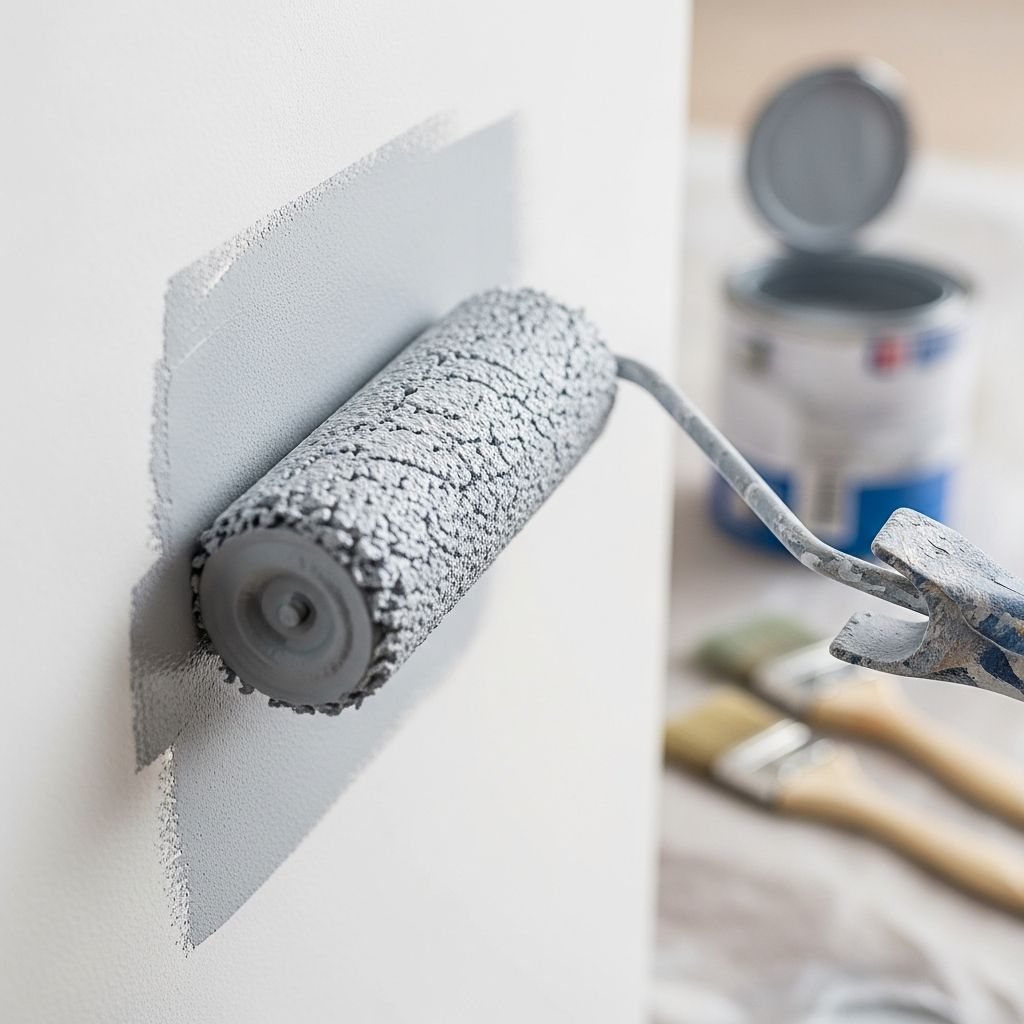
Repainting walls that already have paint offers a quick way to refresh your living spaces without the hassle of stripping everything down. This process saves time and money while delivering impressive results if done correctly. Whether you’re covering minor wear or dramatically changing colors, proper preparation ensures the new coat adheres well and lasts for years.
Assessing Your Walls Before Starting
The foundation of any successful repaint job begins with a thorough evaluation of the current wall condition. Inspect for peeling, cracking, or bubbling paint, which signal underlying issues like moisture or poor adhesion. Test the existing paint’s soundness by scoring a small X with a utility knife and applying tape; if paint lifts when removing the tape, the surface needs more attention.
Consider the paint type—latex (water-based) or oil-based—as compatibility affects adhesion. Dark or glossy finishes may require extra steps. Note any repairs needed, such as dents from furniture or hairline cracks. Good condition walls with matching paint types often skip primer, but damaged ones demand it.
Gathering Essential Tools and Materials
Equip yourself with the right supplies to streamline the project. Basic toolkit includes drop cloths, painter’s tape, ladders, brushes, rollers, trays, and extension poles. For prep, stock sandpaper (medium and fine grits), spackling compound, putty knives, cleaning solutions like sugar soap or mild detergent, and primers suited to your paint.
Paints and primers: Choose high-quality latex for interiors unless switching types. Calculate coverage—typically 350-400 square feet per gallon. Have rags, buckets, and a shop vac for dust control. Safety gear like masks, gloves, and goggles protects against fumes and particles.
Step-by-Step Surface Preparation
Preparation accounts for 80% of a paint job’s success. Start by clearing the room: remove furniture, hangings, and fixtures. Cover floors and items with drop cloths secured by tape. Vacuum dust from baseboards and corners.
Cleaning for Optimal Adhesion
Dirt, grease, and nicotine residue prevent paint from sticking. Mix sugar soap or detergent with water, apply with a sponge or brush, and scrub gently. Rinse thoroughly with clean water to avoid residue, then wipe dry. For stubborn spots, use a degreaser. Allow 24 hours drying time.
Repairing Imperfections
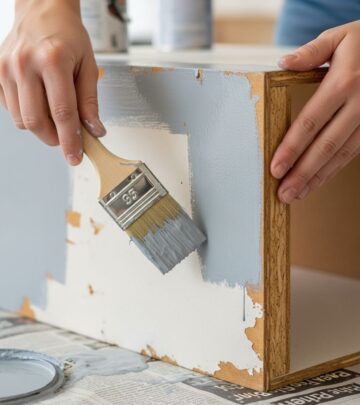
Fill holes and cracks with spackling paste using a putty knife. For larger gaps, use flexible filler. Once dry (check product instructions), sand smooth with 120-grit paper, progressing to 220-grit. Wipe dust with a tack cloth. Patch test areas ensure evenness.
Sanding for Smoothness
Lightly sand glossy or uneven surfaces with 150-grit sandpaper to create a profile for new paint. Focus on high-traffic areas. After sanding, vacuum and wipe with a damp cloth. This step is crucial for oil-over-latex or vice versa scenarios.
Priming: The Key to Professional Results
Primer bridges old and new layers, seals porous surfaces, and boosts coverage. Skip it only on clean, sound walls with similar colors and paint types. Otherwise, apply one or two coats.
| Scenario | Primer Needed? | Recommended Type |
|---|---|---|
| Good condition, same color/type | No | N/A |
| Repairs or damage | Yes | Standard drywall primer |
| Oil over latex | Yes (2 coats) | Oil-based bonding primer |
| Dark to light color change | Yes | Tinted primer |
Stir primer well, cut in edges with a brush, then roll in W-patterns. Maintain a wet edge to avoid lap marks. Dry time varies—typically 4 hours between coats.
Selecting and Applying the Perfect Paint
Match paint to room use: eggshell for living areas, semi-gloss for kitchens. Test samples on walls to check true color under your lighting. High-quality paints cover better and resist wear.
Stir thoroughly. Start with cutting in ceilings and edges. Roll walls top-to-bottom in sections, using a mini-roller for precision. Apply thin coats; two is standard, with 2-4 hours dry time between. For bold changes, three coats ensure opacity.
Techniques for Flawless Coverage
- Use angled brushes for crisp lines.
- Roll from dry areas into wet for seamless blends.
- Avoid overworking—light second passes suffice.
- Check for holidays (missed spots) in good light.
Masking and Protecting Adjacent Areas
Painter’s tape prevents drips on trim and floors. Apply to clean, dry surfaces; burnish edges with a putty knife. Remove while paint is semi-wet to avoid pulling. Score tape edges if fully dry.
Drying Times and Curing Process
Respect dry times: touch-dry in 1-2 hours, recoat in 4 hours, full cure in 7-30 days. Avoid humidity above 85% or below 50°F. Ventilate for faster off-gassing. Handle gently during curing to prevent marks.
Common Mistakes and How to Avoid Them
Rushing Prep: Leads to peeling; always clean and sand.
Wrong Primer: Causes cracking; match to paints.
Thin Coats: Results in streaks; build gradually.
Poor Ventilation: Slows drying; use fans.
Ignoring Tests: Color surprises; sample first.
Special Scenarios and Solutions
Painting Over Textured or Popcorn Walls
Sand lightly if sound; skim coat for smoothness if desired. Primer seals texture.
High-Humidity Areas like Bathrooms
Use mold-resistant primer and satin finish paints.
Exterior Walls
Adhesion test mandatory; power wash and use exterior-grade products.
FAQs
Can I paint latex over oil-based paint?
Yes, with a bonding primer to ensure adhesion.
How many coats for dark to light?
Primer plus 2-3 topcoats; tint primer gray for speed.
Is primer always necessary?
No, if walls are clean, matte, and similar paint.
What if paint bubbles during application?
Stop; check for moisture or poor adhesion. Sand and reprimer.
How long before hanging pictures?
Wait 2-4 weeks for full cure.
Maintenance Tips for Long-Lasting Paint
Dust quarterly with a microfiber cloth. Spot-clean with mild soap. Repaint every 3-5 years based on wear. Monitor for peeling early to catch issues.
References
- How Do I Paint Over Painted Walls? — Glidden Paints. 2023. https://www.glidden.com/advice/how-do-i-paint-over-painted-walls
- Can I just paint over old paint — Terapainting.com. 2024. https://www.terapainting.com/blog/can-i-just-paint-over-old-paint
- Can I just paint over old paint? Tips from the professionals — Dulux NZ. 2023. https://www.dulux.co.nz/how-to/general/painting-over-existing-paint/
- How to prep a previously painted wall for painting — Dulux Australia (YouTube). 2022-10-15. https://www.youtube.com/watch?v=DPguOIM_IHk
- Can you paint over old paint? — YouTube Shorts. 2023. https://www.youtube.com/shorts/cYCdpBwjnec
Similar Articles



Read full bio of Sneha Tete