Repainting Wooden Clapboard Siding
Master the art of refreshing your home's exterior with expert techniques for repainting wooden clapboard siding that lasts for years.
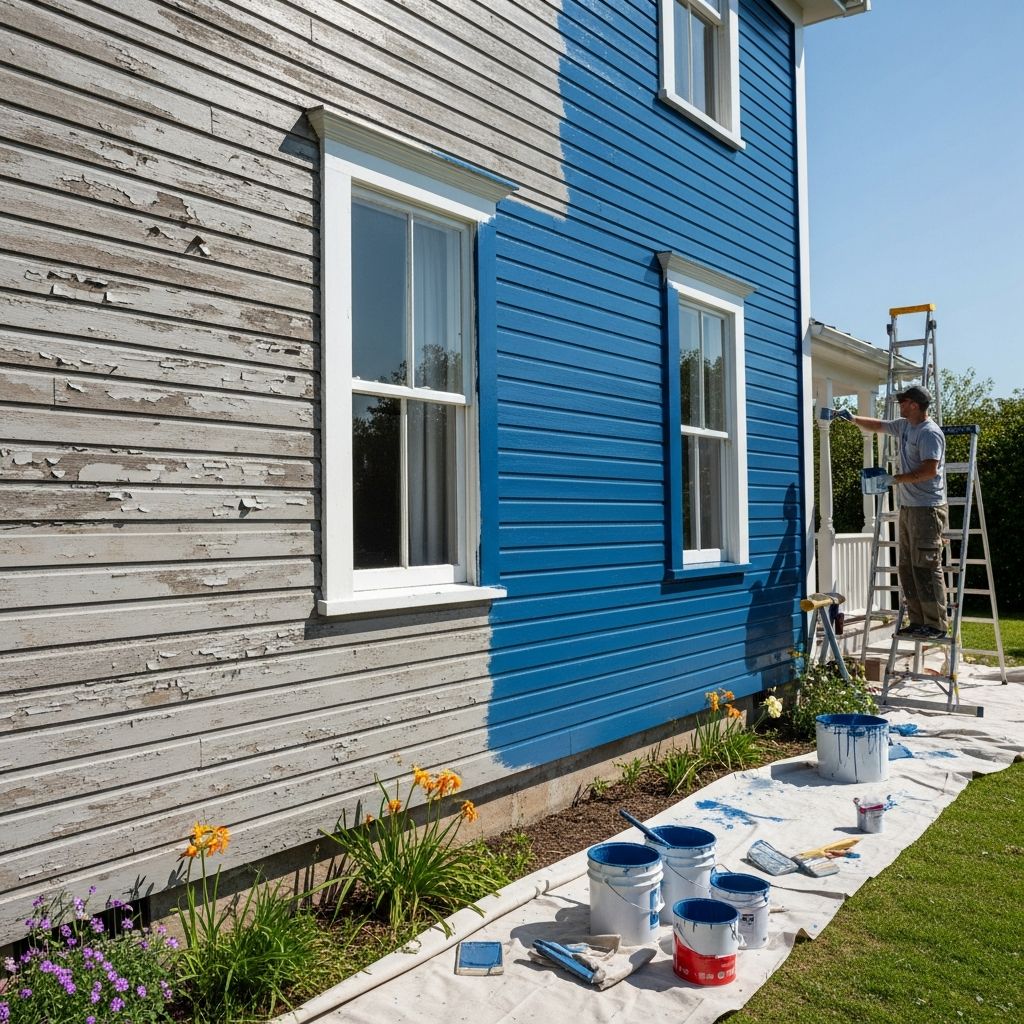
Wooden clapboard siding offers timeless charm to homes, but exposure to the elements can lead to peeling paint, rot, and deterioration. Repainting not only rejuvenates the appearance but also provides essential protection against moisture and UV damage. This guide outlines a complete process for achieving professional-quality results through meticulous preparation and proper application techniques.
Assessing the Condition of Your Siding
Before starting any repainting project, a thorough evaluation is crucial. Inspect the siding for signs of damage such as cracking, warping, or insect infestation. Check for loose boards, rusted nails, and areas where paint has failed. Use binoculars for hard-to-reach spots on multi-story homes. Document issues with photos to track progress and prioritize repairs.
Pay special attention to high-moisture areas like the bottom rows near the foundation, window sills, and trim edges. Probe soft spots with a screwdriver to detect rot. If more than 20% of the siding shows severe damage, consider partial replacement before painting.
- Examine paint adhesion by performing a cross-hatch test: score the surface in a grid and apply tape; if paint lifts, full stripping may be needed.
- Assess wood moisture content using a meter; levels above 18% indicate drying is required.
- Identify mildew or algae growth, which requires specific cleaning solutions.
Gathering Essential Tools and Materials
Equipping yourself properly ensures efficiency and safety. Basic tools include ladders, scaffolding for heights, scrapers, sanders, and brushes. Power tools like pressure washers and orbital sanders speed up preparation.
| Category | Items | Purpose |
|---|---|---|
| Cleaning | Pressure washer, stiff brushes, TSP cleaner, bleach solution | Remove dirt, mildew, and loose paint |
| Repair | Caulk gun, wood filler, epoxy consolidant, stainless steel nails | Fix cracks, holes, and loose boards |
| Sanding | Belt sander (60-120 grit), random orbit sander, dust masks (N95+) | Smooth surfaces and feather edges |
| Painting | Primer (oil or latex), exterior paint (acrylic latex), brushes, rollers, sprayers | Prime and apply topcoats |
Choose high-quality, breathable paints like acrylic latex for flexibility and mildew resistance. Brands tested for durability include those with self-priming formulas.
Cleaning and Removing Failed Paint
Cleaning removes contaminants that prevent adhesion. Start with a low-pressure wash (under 1500 PSI) from bottom to top to avoid streaking. For mildew, mix 1 part bleach with 3 parts water and TSP; scrub and rinse thoroughly. Allow 48-72 hours drying time.
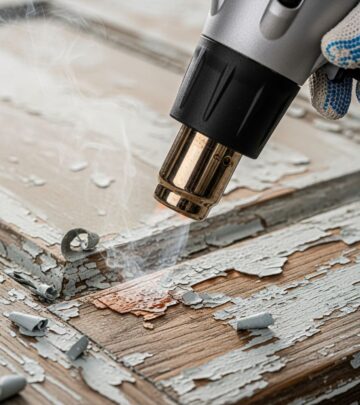
Scrape loose paint with a pull scraper, working along the grain. Avoid gouging the wood. Follow with sanding: coarse grit (60-80) for heavy removal, then 120 grit for smoothing. Feather edges to blend with intact paint. Vacuum debris frequently to maintain visibility.
Repairing Wood Damage and Gaps
Address structural issues before priming. Replace severely rotted boards by prying out and installing matching clapboard with stainless nails. For minor rot, apply epoxy consolidant like Abatron LiquidWood to harden soft wood.
Fill cracks and holes with exterior-grade polyester filler or spackling. Mix per instructions, apply with a putty knife, and sand smooth after curing. Avoid overfilling to prevent cracking. Nail loose boards and prime nail heads with rust converter if needed.
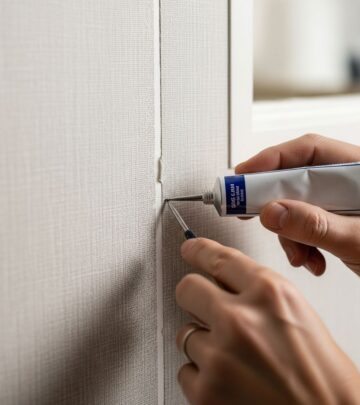
Caulk joints selectively: seal around windows, doors, and trim, but leave gaps at board bottoms for drainage. Use paintable silicone caulk for flexibility. Tool the bead for a clean finish.
Priming for Lasting Adhesion
Primer seals porous wood and blocks tannins. Apply a stain-blocking formula like Zinsser Bulls Eye 1-2-3 after sanding. Use a brush to work into imperfections; back-brush if spraying. One to two coats suffice, drying 24 hours between.
For bare wood, consider a paintable preservative first to enhance water resistance. Do not let primer cure longer than two weeks before topcoating to avoid soap formation.
- Thin primer if wood absorbs quickly for better penetration.
- Prime all repairs and edges thoroughly.
- Test compatibility on a small area if overpainting oil-based paint.
Applying Topcoats with Precision
Select premium exterior paint with 100% acrylic formulation for durability. Two coats provide optimal protection. Paint in mild weather (50-85°F, low humidity, overcast skies). Start top-down, walls before trim.
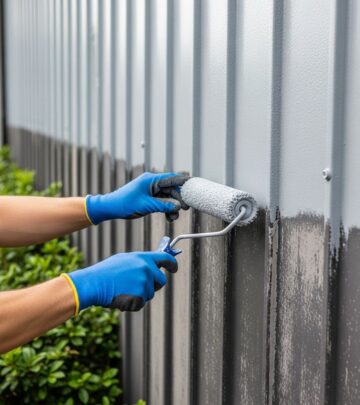
Brush is ideal for clapboard to push paint into grooves; supplement with rollers for flats and sprayers for speed on large surfaces. Maintain wet edges to prevent lap marks: overlap by 6 inches while paint remains tacky. Coverage: 350-400 sq ft per gallon.
Allow 4-6 hours dry time between coats. Inspect for holidays (missed spots) and touch up immediately.
Safety Measures and Best Practices
Prioritize safety with harnesses on ladders, respirators for dust/sanding, and eye protection. Cover plants and ground with tarps. Dispose of waste per local hazardous regulations.
Work in sections to manage drying times. Clean tools immediately with soap and water for latex products.
Maintenance for Longevity
Annual inspections catch issues early. Clean with gentle soap yearly; re-caulk as needed every 5 years. Repaint every 7-10 years depending on exposure.
Frequently Asked Questions (FAQs)
Can I paint over old paint without stripping?
Yes, if adhesion is good after scraping and sanding. Test a small area first.
What paint is best for clapboard siding?
100% acrylic latex exterior paint offers flexibility and weather resistance.
How do I handle lead paint on older homes?
Contain debris, wet scrape, and follow EPA guidelines for safe removal.
Is spraying or brushing better?
Brushing for texture penetration; spraying for coverage on large areas.
How long does repainted siding last?
10-15 years with proper prep and quality materials.
References
- Painting and Repairing Old Wood Siding – Step by Step — Old House Fix. Accessed 2026. https://www.oldhousefix.com/painting-and-repairing-old-wood-siding-step-by-step/
- How to Paint Wood Siding Like a Pro — True Value. Accessed 2026. https://www.truevalue.com/diy-projects/paint-and-stain/painting-wood-siding-like-a-pro/
- How to Prep and Paint Wood Siding — Performance Painting Contractors. Accessed 2026. https://www.performance-painting.com/how-to-prep-and-paint-wood-siding/
Similar Articles



Read full bio of Sneha Tete