Repair Siding: Use Kick-Out Flashing to Stop Rot
Learn how to install kick-out flashing to prevent water damage and rot in your home's siding.
Understanding Kick-Out Flashing: Essential Protection for Your Home
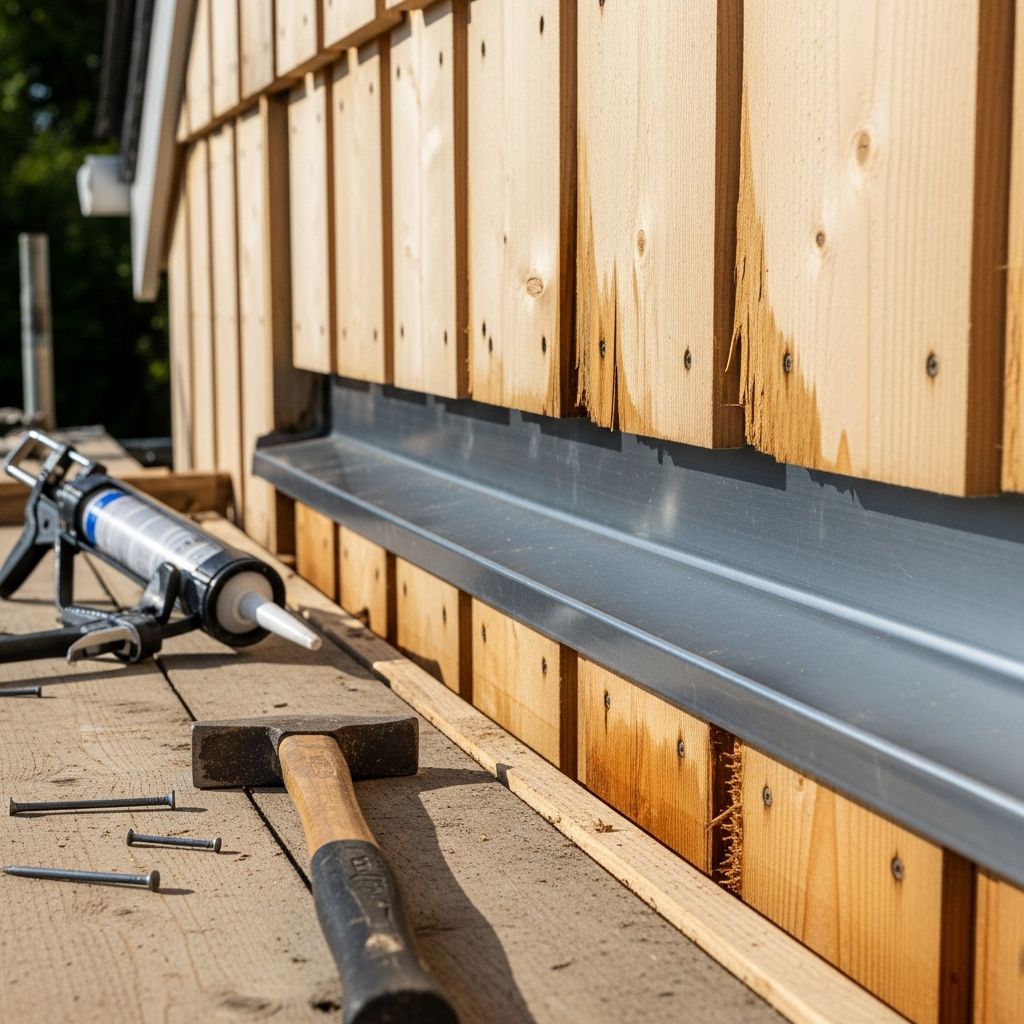
Kick-out flashing, also known as step flashing diverter or roof flashing, is a critical component in protecting your home’s structural integrity. This metal flashing is installed at the intersection where a roof meets a wall or side of the house, particularly in areas where chimneys, dormers, or roof valleys meet exterior walls. Its primary function is to redirect water that would otherwise flow down the siding and into the wall cavity, causing extensive water damage, rot, and mold growth.
Many homeowners are unaware of the importance of this simple yet effective solution. In fact, homes built before building codes mandated kick-out flashing often lack this crucial protection, leaving them vulnerable to water damage that can cost thousands of dollars to repair. Understanding how kick-out flashing works and why it matters is the first step toward protecting your home from costly water intrusion problems.
Why Kick-Out Flashing Matters
Water damage is one of the most destructive forces that can affect a home’s exterior and interior structure. When rain falls on a roof adjacent to a wall, it naturally travels downward. Without proper flashing, this water runs directly down the siding and behind it, seeping into the wall cavity where it saturates insulation, rots framing lumber, and promotes mold growth. This damage often goes unnoticed until significant structural compromise has occurred.
Kick-out flashing intercepts this water flow and directs it away from the wall and toward the ground or gutters. By installing or upgrading your kick-out flashing, you can prevent thousands of dollars in water damage repairs. The investment in proper flashing installation is minimal compared to the cost of replacing rotted framing, dealing with mold remediation, or addressing foundation issues caused by water intrusion.
Common Signs You Need Kick-Out Flashing Repair
Several warning signs indicate that you may have water infiltration problems related to missing or faulty kick-out flashing:
- Water stains or discoloration on interior walls beneath roof-to-wall intersections
- Visible rot or soft spots in exterior siding
- Mold or mildew growth on interior or exterior surfaces
- Peeling paint or damaged caulk at wall-to-roof transitions
- Musty odors coming from walls or attic spaces
- Sagging ceilings or water damage in upper-story rooms
- Deteriorating wood around dormers or chimneys
If you notice any of these signs, inspect your roof-to-wall connections immediately. Early detection and repair can save your home from serious structural damage.
How Kick-Out Flashing Works
Kick-out flashing operates on a simple but effective principle. This L-shaped or custom-formed metal piece is positioned at the lower edge of a roof where it meets a wall. One arm of the flashing is tucked under the roof shingles, while the other arm is positioned over the top of the siding or behind the siding material.
When water runs down the roof and reaches this flashing, it is redirected outward and downward, away from the wall. The flashing effectively “kicks out” the water, preventing it from flowing into the wall cavity. The water then drips onto the siding or into a gutter below, where it can drain away properly.
The key to effective kick-out flashing is proper installation and material selection. The flashing must be the correct size and shape for your specific roof-to-wall configuration, and it must be installed with appropriate sealants and fasteners to create a water-tight seal.
Materials and Tools Needed for Installation
Before beginning your kick-out flashing project, gather the following materials and tools:
- Kick-out flashing metal pieces (aluminum or galvanized steel)
- Roofing nails or stainless steel fasteners
- Roofing cement or high-quality flashing sealant
- Caulk or sealant appropriate for your climate
- Roof shingles (if replacement is needed)
- Utility knife or metal snips
- Hammer or pneumatic nailer
- Caulk gun
- Ladder with stabilizer
- Safety equipment (gloves, eye protection, fall protection)
- Measuring tape and pencil
Step-by-Step Installation Guide
Step 1: Safety First
Before climbing onto your roof, ensure you have proper safety equipment. Use a sturdy ladder with a stabilizer, wear non-slip footwear, and consider using a safety harness. Work on clear, dry days when the roof is not slippery.
Step 2: Remove Old Flashing (If Applicable)
If you’re replacing existing flashing, carefully remove the old piece. This may involve lifting roof shingles, removing old nails, and cleaning away old sealant. Take care not to damage the underlying roof structure or remaining shingles.
Step 3: Prepare the Installation Area
Clean the area thoroughly, removing any debris, old sealant, or damaged material. The surface must be clean and dry for proper adhesion of new sealants. If the substrate is wet, allow it to dry completely before proceeding.
Step 4: Position the Kick-Out Flashing
Carefully position your kick-out flashing at the roof-to-wall junction. The upper portion should nestle under the roof shingles, while the lower portion should sit over or behind the siding. Ensure the flashing is properly aligned and level.
Step 5: Secure with Fasteners
Use roofing nails or stainless steel fasteners to secure the flashing in place. Typically, nails should be placed along the upper edge of the flashing, under where the shingles will be, and possibly along the side edges. Space fasteners appropriately according to manufacturer specifications, usually 6 to 12 inches apart.
Step 6: Apply Sealant
Apply a bead of high-quality roofing cement or flashing sealant along all edges of the flashing, particularly where it meets the roof and wall surfaces. Use a caulk gun for precision application. Avoid over-applying sealant, which can trap moisture and actually promote water damage.
Step 7: Reinstall Roof Shingles
Carefully lift the roof shingles above the flashing and position them to cover the upper edge of the flashing. Secure shingles with roofing nails, typically 4 per shingle. Apply roofing cement under the shingle tabs to prevent wind damage and ensure a tight seal.
Step 8: Final Inspection
Once installation is complete, inspect your work carefully. Verify that all fasteners are properly driven, sealants are completely applied, and there are no gaps or exposed areas where water could intrude.
Different Types of Kick-Out Flashing
Kick-out flashing comes in various configurations to accommodate different roof-to-wall situations:
- Standard L-Shaped Flashing: The most common type, suitable for most roof-to-wall intersections
- Custom-Formed Flashing: Fabricated to fit specific roof pitches and wall configurations
- Extended Flashing: Provides additional coverage for areas prone to heavy water flow
- Valley Flashing: Designed for roof valleys where two roof planes meet near a wall
- Chimney Flashing: Specialized flashing designed for chimney-to-roof intersections
Material Considerations
Kick-out flashing is typically made from aluminum, galvanized steel, or copper. Each material has distinct advantages and limitations. Aluminum is lightweight and affordable but less durable in certain climates. Galvanized steel is strong and cost-effective but susceptible to rust in marine environments. Copper is extremely durable and long-lasting but significantly more expensive. Your climate, budget, and aesthetic preferences should guide your material selection.
Professional Installation vs. DIY
While kick-out flashing installation can be a DIY project for experienced homeowners, complex situations may warrant professional installation. Consider hiring a professional if you have a steep roof pitch, multiple intersections, or a complex roof design. Professional roofers have specialized equipment and extensive experience ensuring proper installation and preventing future water damage.
Common Mistakes to Avoid
Several common installation errors can compromise the effectiveness of your kick-out flashing:
- Installing flashing that is too small or incorrectly sized for the application
- Failing to properly seal all edges and joints
- Using incorrect fasteners that can rust or corrode
- Applying excessive sealant that traps moisture
- Not properly overlapping shingles over the flashing
- Installing flashing at an improper angle, preventing water diversion
- Neglecting to clean and prepare the installation surface
Maintenance and Long-Term Care
Once installed, your kick-out flashing requires periodic inspection and maintenance. At least twice yearly, check for signs of separation, rust, or deterioration. Clean gutters and downspouts regularly to ensure water flows away from your home. During severe weather, inspect your flashing for any damage or displacement. Promptly address any issues to prevent water intrusion.
Building Code Requirements
Modern building codes in most jurisdictions now mandate kick-out flashing at roof-to-wall intersections. If you’re planning a roofing project or siding repair, verify your local building codes to ensure compliance. Proper flashing installation is not only important for protection but also required for building permit approval and home inspections.
Cost-Benefit Analysis
The cost of installing kick-out flashing is modest, typically ranging from a few hundred to a couple thousand dollars depending on the complexity and scope of the project. Compare this to the potential cost of water damage repair, which can easily exceed $10,000 to $50,000 or more for extensive damage. The investment in proper flashing is minimal compared to the protection it provides.
Frequently Asked Questions
Q: What is the primary function of kick-out flashing?
A: Kick-out flashing redirects water away from wall cavities at roof-to-wall intersections, preventing water infiltration, rot, and structural damage.
Q: How long does kick-out flashing last?
A: Properly installed flashing can last 15 to 20 years or longer, depending on material quality and climate conditions. Regular maintenance can extend its lifespan.
Q: Can I install kick-out flashing myself?
A: Yes, experienced DIYers can install kick-out flashing. However, complex roof designs or steep pitches may require professional installation for safety and effectiveness.
Q: What materials work best for kick-out flashing?
A: Galvanized steel and aluminum are common choices. Galvanized steel offers durability and affordability, while aluminum is lightweight. Copper is premium but expensive.
Q: How often should I inspect my kick-out flashing?
A: Inspect flashing at least twice annually, preferably in spring and fall. Also inspect after severe weather events that might cause damage.
Q: What are signs that my kick-out flashing needs repair?
A: Look for water stains on interior walls, visible rot in siding, mold growth, peeling paint, or musty odors near roof-to-wall intersections.
Q: Is kick-out flashing required by building codes?
A: Yes, modern building codes in most jurisdictions require kick-out flashing at roof-to-wall intersections. Check your local codes for specific requirements.
Q: Can I repair existing flashing, or must I replace it?
A: Minor issues can sometimes be repaired with sealant, but significant damage typically requires replacement of the flashing to ensure proper water diversion.
References
- Building Construction Illustrated — Francis D.K. Ching. 2020. John Wiley & Sons. Comprehensive guide to construction details including flashing systems.
- International Building Code (IBC) – Roof Assemblies and Rooftop Structures — International Code Council. 2024. https://www.iccsafe.org/. Official building code standards for roof construction and flashing requirements.
- Water Management Best Practices for Residential Construction — U.S. Environmental Protection Agency. 2023. https://www.epa.gov/. Guidelines for preventing water infiltration in residential buildings.
- Residential Roof Covering Installation and Repair Standards — National Roofing Contractors Association (NRCA). 2024. https://www.nrca.net/. Professional standards for proper roof and flashing installation.
- Moisture Control in Buildings: The Key to Mold Prevention — Building Science Corporation. 2023. https://www.buildingscience.com/. Technical guidance on moisture prevention and structural protection.
Similar Articles





Read full bio of Sneha Tete