Repairing Cracked Toilet Tank Lids: Step-By-Step DIY Guide
Expert DIY guide to diagnose, repair, and replace cracked toilet tank lids for a seamless bathroom fix without professional help.
Repairing Cracked Toilet Tank Lids: A Complete DIY Guide
Toilet tank lids, also known as cistern covers, are essential for protecting internal components and maintaining a clean bathroom appearance. When they crack due to impact, age, or material fatigue, prompt repair or replacement prevents water exposure to mechanisms and aesthetic issues. This guide provides detailed, original strategies for homeowners to handle these repairs independently, drawing from proven DIY practices.
Understanding Toilet Tank Lid Damage
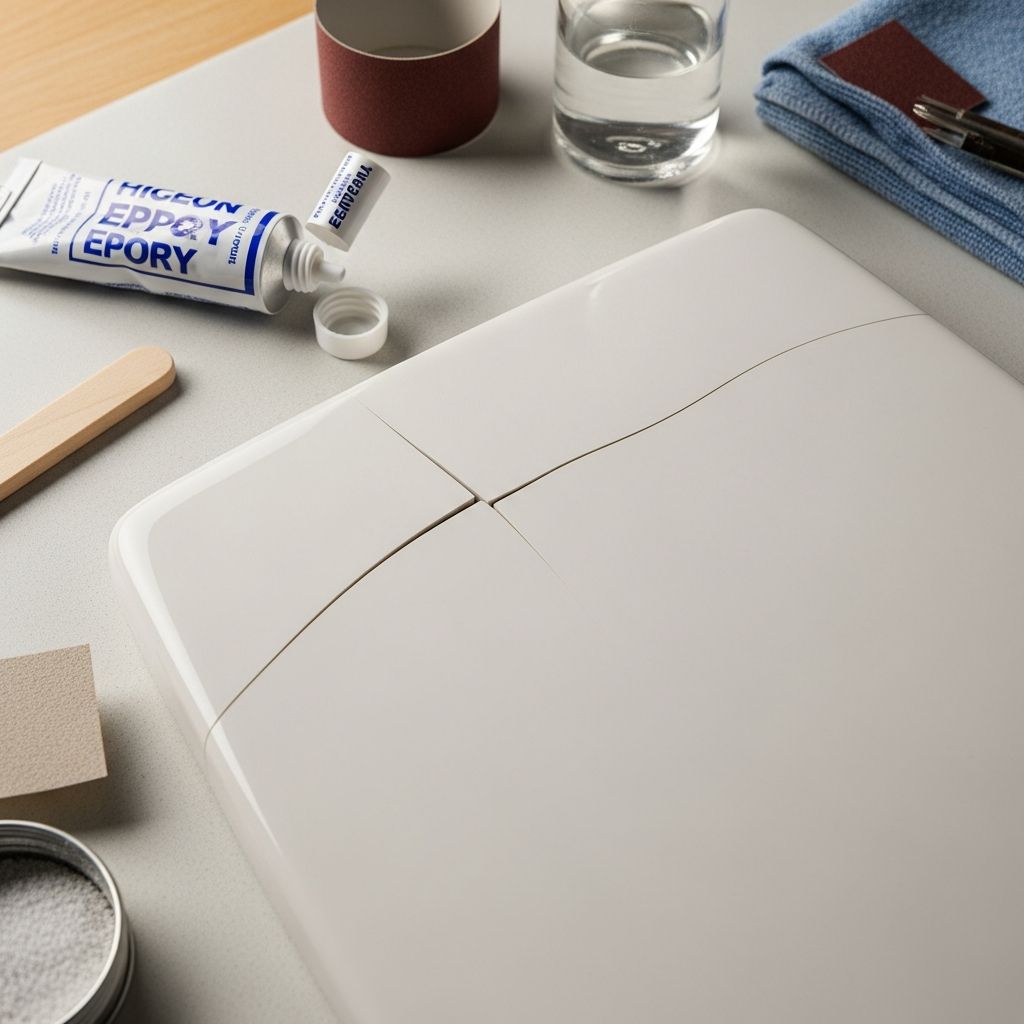
Cracks in toilet tank lids typically arise from everyday accidents like dropping heavy objects or children playing nearby. Ceramic lids, common in older models, are brittle and prone to shattering under force, while plastic ones may develop stress fractures over time from temperature changes or weight. Identifying the crack type—hairline, deep fissure, or complete break—determines the repair approach. Hairline cracks might seal temporarily, but larger ones often require full replacement to avoid further degradation.
- Hairline cracks: Superficial lines that may leak if water reaches them.
- Impact fractures: Jagged breaks from drops or knocks.
- Stress cracks: Gradual splits from expansion/contraction cycles.
Early detection through visual checks during routine cleaning saves on water bills and prevents internal rust or corrosion.
Essential Tools and Materials for the Job
Gathering supplies beforehand streamlines the process. Most repairs need minimal equipment, emphasizing accessibility for beginners.
| Item | Purpose | Notes |
|---|---|---|
| Safety gloves | Protect hands from sharp edges | Thick rubber or leather preferred |
| Flathead screwdriver | Remove buttons or clips on dual-flush models | Medium size for most cisterns |
| Epoxy resin or porcelain repair kit | Seal small cracks | Water-resistant, quick-dry formulas |
| Cleaning cloth and mild detergent | Surface prep | Avoid abrasives on porcelain |
| Measuring tape | Match replacement lid dimensions | Record length, width, hole positions |
For replacements, note flush type: lever, single button, or dual button, as misalignment disrupts operation.
Safety Precautions Before Starting Repairs
Water and sharp porcelain demand caution. Shut off the water supply valve behind the toilet to prevent unexpected flushes during work. Flush to empty the tank, then sponge out residual water. Wear gloves to handle shards, and place a towel underneath to catch debris. Work in a well-ventilated area if using adhesives, and keep children/pets away from the bathroom.
Step-by-Step Repair Process for Minor Cracks
For cracks under 2 inches without separation, epoxy offers a durable fix.
- Prepare the surface: Clean the crack thoroughly with detergent and dry completely. Sand lightly for adhesion if the surface is glossy.
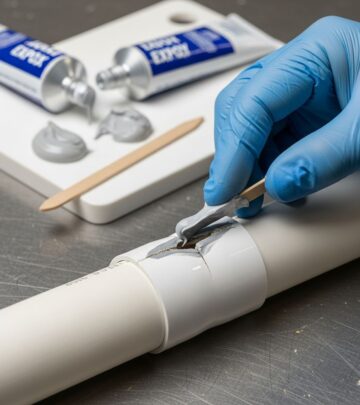
- Apply epoxy: Mix two-part resin per instructions, apply into the crack using a toothpick for precision. Overfill slightly for contraction.
- Tape and cure: Cover with waterproof tape, pressing firmly. Allow 24 hours curing time, avoiding water contact.
- Smooth and test: Sand excess, reinstall lid, and run multiple flushes to check integrity.
This method extends lid life by 1-2 years but isn’t permanent for high-stress areas.
Removing the Damaged Lid Safely
Dual-flush or push-button lids often have hidden mechanisms. For button types, pry out buttons with a flathead screwdriver from slots around the edges. Unscrew any central screws revealed underneath, then lift straight up. Lever models simply lift off after disconnecting chains inside the tank. Handle broken pieces gingerly to avoid injury, wrapping in newspaper for disposal.
- Inspect underside for model numbers or stamps.
- Photograph from multiple angles for matching replacements.
- Clean cistern top rim to ensure new lid seats flatly.
Finding the Perfect Replacement Lid
Universal lids rarely fit perfectly due to varying cistern shapes and flush alignments. Check inside the tank, under the rim, or on original packaging for manufacturer details like brand, model, or dimensions (e.g., 15×20 inches). Common brands include Kohler, American Standard, or Toto—search specialized plumbing parts sites with these specs. Measure flush hole distance from edges precisely, as even 1cm offsets render it unusable.
If identification fails, top-down photos help experts match via email. Plastic lids suit modern setups for lightness; ceramic matches vintage aesthetics but weighs more.
Installing a New Toilet Tank Lid
Installation mirrors removal but demands alignment precision.
- Position the lid: Center over cistern, aligning flush holes or lever slot.
- Secure mechanisms: Insert buttons or levers, ensuring smooth action. For screwed models, tighten central screw finger-tight, then quarter-turn with screwdriver.
- Test thoroughly: Flush 5-10 times, checking for wobble or sticking. Wipe down for a polished look.
No plumber needed—complete in under 10 minutes.
Troubleshooting Common Installation Issues
Misalignment tops the list. If buttons stick, re-seat the lid slightly off-center. Wobbly lids indicate unclean rims—scrape limescale gently. For lever models, adjust chain slack (½ inch ideal) to prevent incomplete flushes. If water seeps under the lid, apply silicone sealant sparingly around edges post-install.
| Problem | Solution |
|---|---|
| Button won’t depress | Realign hole over actuator rod |
| Lid rocks side-to-side | Clean and dry cistern rim |
| Lever doesn’t lift flapper | Adjust chain length |
Preventive Maintenance for Long-Lasting Lids
Extend lid life by avoiding placements for heavy items like cleaners or laundry. Use felt pads under candles or decor to distribute weight. Regularly dust and check for micro-cracks during monthly tank inspections. In hard water areas, descale cistern exteriors quarterly to prevent weakening.
- Opt for reinforced plastic lids in high-traffic homes.
- Teach family gentle handling rules.
- Upgrade to soft-close models if available.
Cost Analysis: DIY vs. Professional Repair
DIY reigns cost-effective: epoxy kits cost $10-20, replacement lids $20-80 depending on material. Professional calls average $150-300 including travel. Time savings favor DIY for minor jobs, but complex identifications might warrant pros for rare models.
FAQs
Can I use super glue for a cracked lid?
No, it lacks water resistance and flexibility, leading to re-cracking. Choose marine-grade epoxy instead.
How do I identify my toilet model without markings?
Take detailed photos of cistern shape, flush type, and overall toilet, then consult plumbing forums or suppliers.
Is it safe to use the toilet with a cracked lid?
Only short-term; shards pose injury risks, and exposure damages internals.
What if my lid has integrated buttons?
Buttons often pop out separately—pry gently; replacements may include new sets.
Can plastic lids replace ceramic ones?
Yes, if dimensions match, offering lighter, shatter-resistant alternatives.
Advanced Tips for Vintage Toilet Models
Older toilets (pre-2000) feature unique oval or rectangular lids. Source from salvage yards or online marketplaces specializing in vintage parts. Custom molding services exist for one-offs, costing $100+, but measure twice. During full tank overhauls, replace flappers and chains simultaneously for efficiency.
In summary, cracked toilet tank lids demand swift action but yield to simple DIY tactics. Mastering removal, repair, and replacement empowers homeowners, cutting costs and restoring functionality fast.
References
- How to Replace a Toilet Cistern Lid – Step-by-Step Guide — Bathroom Spare Parts. 2023. https://www.bathroomspareparts.co.uk/blogs/-how-to-replace-a-toilet-cistern-lid–stepbystep-guide
- How to Fix Common Toilet Problems (Easy DIY Guide) — The DIY Playbook. 2024. https://thediyplaybook.com/common-toilet-problems-fix/
- DIY Toilet Plumbing Repair: Step-by-Step Solutions — Supreme Plumbing and Wastewater. 2023. https://supremeplumbingandwastewater.com.au/diy-toilet-plumbing-repair-step-by-step-solutions/
- How to remove toilet cistern lid – Dual flush buttons — Billshowto (YouTube). 2020-08-31. https://www.youtube.com/watch?v=X9SAVudkyk
- How to Repair Toilet Tank Components | Ask This Old House — Ask This Old House (YouTube). 2022. https://www.youtube.com/watch?v=7ePc9cz__FM
Similar Articles








Read full bio of medha deb