Repairing Holes in Porcelain Sinks: Complete Guide
Master the art of fixing holes, chips, and cracks in porcelain sinks with proven DIY techniques for lasting results.
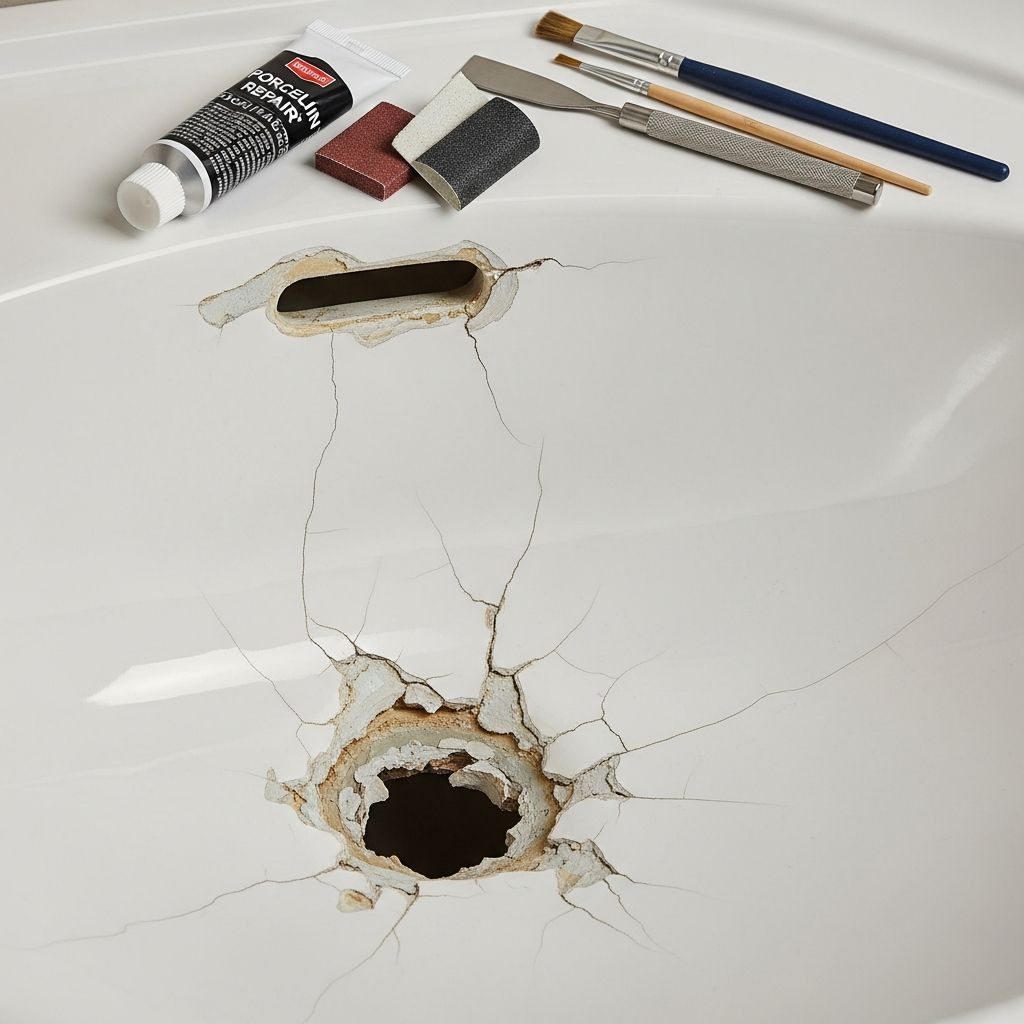
Porcelain sinks, prized for their glossy finish and durability, often suffer from chips, cracks, or holes due to everyday wear like dropped objects or mineral buildup. These damages not only compromise aesthetics but can lead to leaks or rust if the underlying cast iron is exposed. Fortunately, most repairs can be handled as DIY projects using accessible materials, restoring functionality without full replacement.
Understanding Porcelain Sink Damage
Porcelain enamel is a glass-like coating fused to a cast iron or steel base, making sinks resistant to stains but brittle under impact. A
hole
typically penetrates the enamel and possibly the base material, differing from superficial chips or hairline cracks. Common causes include heavy items falling, improper cleaning tools, or age-related wear. Early intervention prevents water infiltration, which accelerates rust on cast iron sinks.Assess the damage: shallow chips (under 1/8 inch) need minimal filling, while deeper holes require layered compounds. Solid porcelain sinks (no metal base) may allow reattaching broken pieces, but most residential sinks are enameled cast iron.
Essential Tools and Materials for Sink Repairs
Gather these items before starting to ensure a smooth process:
- Degreaser or all-purpose cleaner
- Fine-grit sandpaper (400-600 grit)
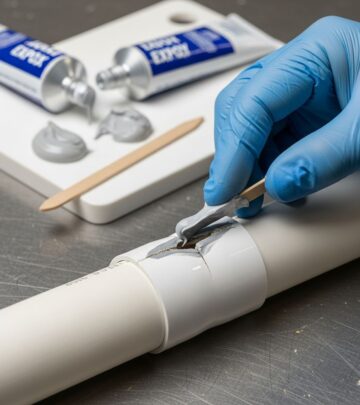
- Epoxy putty or two-part repair compound
- Porcelain touch-up paint (color-matched)
- Putty knife or small brush
- Alcohol pads or rubbing alcohol
- Gloves, painter’s tape, and microfiber cloths
- Sanding block and polishing compound (optional)
Repair kits from hardware stores often bundle these, including hardeners and colorants for about $20. For color matching, take a sink photo to the store or use universal shades like white or almond.
Preparation: Cleaning and Surface Prep
A flawless repair starts with a pristine surface. Residue prevents adhesion, leading to peeling.
- Clear the sink: Remove drain stoppers, faucets if needed (unfasten nuts under sink), and drain connections. Place towels to catch drips.
- Clean thoroughly: Spray all-purpose cleaner or degreaser, scrub with a non-abrasive sponge. Rinse and dry completely with microfiber cloths. Use alcohol pads for the damaged area to remove oils.
- Tape surroundings: Protect undamaged porcelain with painter’s tape.
Drying is crucial—moisture weakens bonds. Allow 30-60 minutes air drying.
Method 1: Epoxy Putty for Deep Holes and Chips
Ideal for holes deeper than 1/8 inch, epoxy putty fills gaps, seals durably, and sands smoothly. Loctite or similar brands excel here.
| Step | Action | Time Estimate |
|---|---|---|
| 1. Mix Putty | Cut putty portion, knead with gloves until uniform (1 minute). Add hardener if separate. | 1-3 min |
| 2. Apply | Press into hole with putty knife, overfill slightly. Smooth with soapy water-dipped finger. | 5 min |
| 3. Cure | Let harden 15-60 minutes per layer. For deep holes, apply in layers, sanding between. | 1-3 hours |
| 4. Sand | Use 400-grit, then 600-grit to level flush. Wipe dust. | 10-20 min |
Overfilling compensates for shrinkage. Multiple thin layers prevent cracking.
Method 2: Two-Part Epoxy Filler for Precision Fills
For controlled application, two-part epoxies (resin + hardener) offer strong bonds. True Value kits exemplify this.
- Mix equal parts on disposable surface with stir stick.
- Brush into damage, building layers for depth.
- Dry per instructions (often 1 hour), sand smooth.
These are color-matchable and waterproof once cured.
Method 3: Reattaching Broken Pieces on Solid Porcelain
If you have the fragment:
- Sand both surfaces lightly.
- Clean with alcohol.
- Apply clear epoxy (e.g., Loctite), press together 10 minutes. Clamp if possible.
Not for enameled sinks—fragments expose metal.
Finishing Touches: Painting and Polishing
Seal with porcelain touch-up paint for seamless look.
- Shake paint well, apply thin layers with brush.
- Dry 1-2 hours between coats (2-3 total).
- Polish with included compound for gloss.
Paint is waterproof, mimicking factory enamel.
Alternative Quick Fixes for Minor Damage
For hairline cracks or tiny chips without kits:
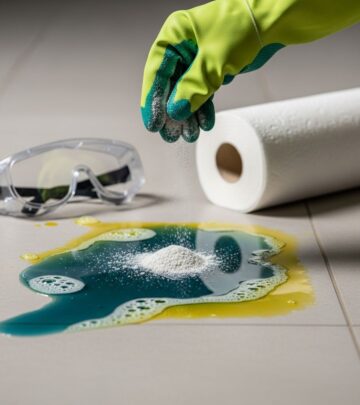
- Super Glue + Baking Soda: Apply glue, dust soda for instant hardening. Exothermic reaction fills gaps fast. Sand lightly.
- Touch-up Paint Alone: For scratches, no filler needed.
These are temporary; use for low-traffic sinks.
Troubleshooting Common Repair Issues
| Problem | Cause | Solution |
|---|---|---|
| Cracking Filler | Too thick layer | Apply thinner, multiple layers |
| Poor Adhesion | Dirty surface | Reclean with alcohol/degreaser |
| Color Mismatch | Wrong shade | Layer white over base, test on hidden spot |
| Rust Appears | Delayed repair | Fill immediately; use rust converter first |
Avoid abrasives post-repair to preserve paint.
Prevention Strategies for Long-Lasting Sinks
Prolong repairs:
- Use sink mats for dropped items.
- Clean with soft cloths, vinegar for hard water.
- Install strainers to catch debris.
- Address leaks promptly to avoid undermining enamel.
Regular waxing protects the surface.
When to Call a Professional or Replace
DIY suits most damages, but consider pros for:
Replacement costs $200-500; repairs under $50. If rust permeates, opt for new vitreous china or stainless.
Frequently Asked Questions (FAQs)
What causes holes in porcelain sinks?
Impact from heavy objects, thermal shock, or manufacturing defects. Cast iron bases rust if exposed.
How long does a porcelain sink repair last?
With proper application, 5-10 years or more under normal use.
Can I use regular filler instead of porcelain epoxy?
No—standard fillers crack under water exposure. Use waterproof epoxy.
Is repair safe for food prep sinks?
Yes, once cured and painted; FDA-approved epoxies are non-toxic.
How do I match paint color exactly?
Buy multi-color kits or consult hardware stores with sink photos.
References
- How to Repair a Ceramic or Porcelain Sink — True Value Hardware. 2023. https://www.truevalue.com/diy-projects/maintenance-and-repair/how-to-repair-a-ceramic-or-porcelain-sink/
- Porcelain Sink Repairs: Wash Away the Damage Quickly! — Loctite Products. 2024. https://www.loctiteproducts.com/ideas/fix-stuff/porcelain-sink-repairs-wash-away-the-damage.html
- EASY DIY | Fix a HOLE in BATHTUB or SINK — YouTube (Homesteady). 2022-10-15. https://www.youtube.com/watch?v=lbQHRoUmA_s
- DIY Sink Repair: Super Glue and Baking Soda Magic! — YouTube. 2023. https://www.youtube.com/watch?v=5gqVTlPUogA
Similar Articles








Read full bio of medha deb