Replace Kitchen Sink Shutoff Valve: Complete DIY Guide
Master the step-by-step process to replace a faulty kitchen sink shutoff valve and prevent leaks with confidence using DIY techniques.
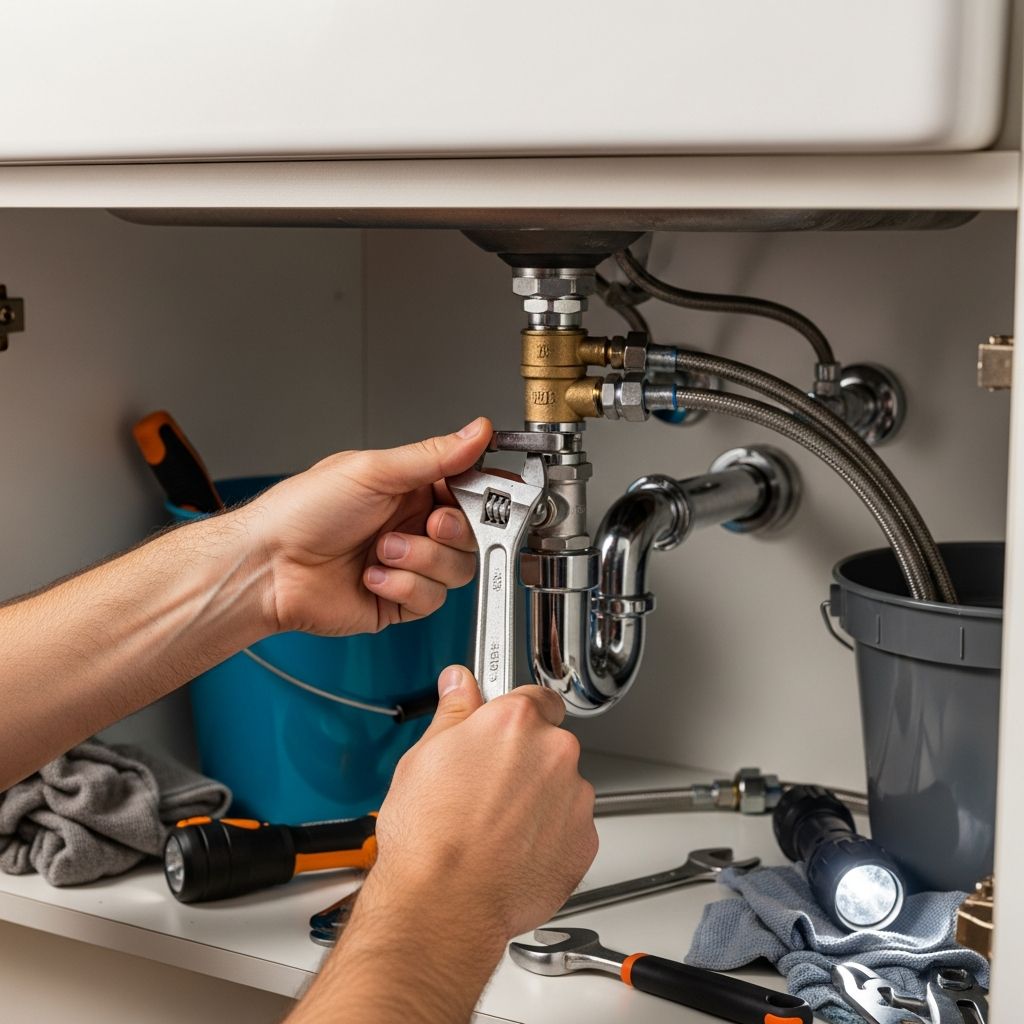
Replacing a kitchen sink shutoff valve restores reliable water control and stops leaks before they cause damage. This guide provides detailed instructions for homeowners to handle the task efficiently using common tools and modern valve types.
Understanding Shutoff Valves in Kitchen Plumbing
Shutoff valves, also called angle stops or stop-and-waste valves, control water flow to fixtures like kitchen sinks. Located under the sink, they allow isolation of the fixture for repairs without shutting off the home’s main supply. Common types include compression, quarter-turn ball valves, multi-turn valves, PEX crimp, push-fit, and sweat connections. Older valves often fail due to corrosion, mineral buildup, or worn seals, leading to drips or complete failure.
Regular inspection prevents issues. Signs of trouble include difficulty turning the handle, visible rust, low water pressure downstream, or leaks at the stem, body, or connections. Addressing these promptly extends plumbing life and avoids water waste.
Assessing When Replacement Is Necessary
Evaluate your valve before proceeding. Test by turning the handle fully clockwise to shut off water, then open sink faucets to drain residual flow. If it doesn’t seal completely or leaks persist, replacement is needed. Stiff operation or stripped handles also signal failure.
Consider pipe material: copper, PEX, CPVC, or galvanized steel. Match the new valve to existing connections for compatibility. Compression fittings work universally on rigid pipes, while PEX requires crimp rings or push fittings.
Gathering Essential Tools and Materials
Proper preparation minimizes frustration. Assemble these items:
- Adjustable wrenches (8-10 inch) or basin wrench for tight spaces
- Tongue-and-groove pliers
- Close-quarters tubing cutter or mini hacksaw
- Compression sleeve puller (for reusing pipe)
- Emery cloth or sandpaper (220-grit)
- Bucket, rags, and towels for water containment
- Pipe deburring tool
- New quarter-turn ball valve (match pipe size: 3/8-inch or 1/2-inch inlet/outlet)
- Compression nuts, ferrules/sleeves if not included
- Thread sealant (for threaded connections)
- Flux, solder, and torch (for sweat joints only)
Select a high-quality valve from reputable brands like Oatey or SharkBite for durability. Quarter-turn valves offer easier operation and better sealing than multi-turn.
Safety Precautions and Water Shutdown
Safety first: wear gloves and eye protection. Locate the main water shutoff (often at the meter or basement) and turn it clockwise until secure. Open all faucets to relieve pressure and drain lines. Place a bucket under the sink to catch residual water.
If no main shutoff exists, shut off the water meter valve. Verify no flow before cutting pipes. In multi-story homes, upstairs valves may require additional isolation.
Removing the Old Shutoff Valve
Position yourself comfortably under the sink. Place towels to absorb drips.
- Disconnect the supply line: Use wrenches to loosen the nut at the valve outlet. Hold the valve body steady with one wrench while turning the nut counterclockwise with another.
- Remove compression fittings: For inlet side, loosen the back nut. Insert a compression sleeve puller under the ferrule, thread the tool, and unscrew to extract without damaging pipe.
- If cutting required: Clean pipe with emery cloth 2 inches on each side. Use tubing cutter for straight cuts close to the valve, or hacksaw for tight access. Deburr ends.
- For soldered valves: Cut pipe, protect nearby fixtures with wet rag or aluminum foil shield during desoldering.
Avoid twisting pipes to prevent stress cracks. Inspect for damage; replace sections if corroded.
Installing the New Valve: Methods by Connection Type
Choose based on pipe type. Always clean ends thoroughly for sealing.
Compression Connection (Most Common for Copper/PEX)
Slide compression nut, then ferrule onto pipe. Push valve onto pipe until seated. Thread nut hand-tight, then use two wrenches: one on valve body, one on nut. Tighten 1/4 to 1/2 turn past snug. Avoid over-tightening to prevent cracking.
PEX Crimp Connection
Slide ASTM F1807 crimp ring over PEX tubing (1 inch from end). Insert valve barbed end fully. Crimp with calibrated tool per manufacturer specs. Check insertion depth gauge.
Push-Fit Connection
Mark 3/4-inch depth on pipe. Push valve firmly until collar seats at mark. Keep safety clip in place. No tools needed for connection.
Sweat (Soldered) Connection
Clean pipe and valve tailpiece with emery and flux. Heat evenly, apply solder until it draws in. Cool naturally. Use MAPP gas torch for efficiency.
Threaded Iron Pipe
Apply sealant to male threads. Thread valve on, align outlet. Tighten with wrenches to watertight seal.
Reconnect supply tube: Slide nut and sleeve on tube, thread to valve outlet, tighten securely.
Testing and Final Checks
Turn main water on slowly. Open new valve fully, check all joints for leaks with dry paper towels. Cycle valve open-closed several times. Inspect stem packing; tighten nut if dripping. Run sink hot/cold for 5 minutes, monitor pressure.
Secure valve handle if loose. Replace escutcheon plate for aesthetics, marking proper depth.
Common Challenges and Troubleshooting
| Issue | Symptom | Solution |
|---|---|---|
| Leak at compression nut | Drips after tightening | Re-cut pipe square, replace ferrule, tighten additional 1/4 turn |
| Valve won’t turn | Stuck handle | Replace entirely; lubricate stem only as temp fix |
| Low flow | Weak pressure | Check debris screen; ensure proper sizing |
| Sweat joint fails | Leaking solder | Clean flux residue, re-flux and solder |
| PEX won’t crimp | Slipping connection | Use expander tool if stiff; verify ring position |
For persistent issues, consult a plumber. Annual checks prevent recurrence.
Preventive Maintenance Tips
- Operate valves quarterly to prevent seizing.
- Insulate pipes in cold areas to avoid freezing.
- Flush lines yearly to remove sediment.
- Upgrade to quarter-turn valves during remodels.
- Document locations and types for future reference.
Cost and Time Estimates
Valve costs $10-30; tools if needed $20-50. DIY time: 30-90 minutes. Professional service: $150-300 plus parts.
Frequently Asked Questions (FAQs)
Can I replace just the stem packing instead?
Temporarily tighten the packing nut 1/8 turn if dripping from handle. Full replacement is best for long-term reliability.
What if there’s no shutoff valve under the sink?
Install a tee with valve on the supply line, or add stub-outs. Requires cutting main line.
Is soldering safe for beginners?
With practice, yes. Use lead-free solder, ventilate area, and have fire extinguisher ready.
How often should I replace shutoff valves?
Every 10-15 years or at first sign of failure. Proactive replacement during fixture installs.
Does valve type matter for water pressure?
Quarter-turn ball valves maintain better flow than gate types.
References
- How to Replace a Plumbing Shut-Off Valve — This Old House. 2023-05-15. https://www.thisoldhouse.com/plumbing/how-to-replace-a-shut-off-valve
- Replacing a WATER Shut Off Valve Under Sink — YouTube (Handyman Tutorial). 2022-08-10. https://www.youtube.com/watch?v=6O1dqZc-FWw
- How to Replace and Install a Shut Off Valve — Oatey (Manufacturer Technical Guide). 2024-02-20. https://www.oatey.com/resources/project-guides/replace-install-shut-off-valve
- Kitchen Shut-Off Valve Replacement — iFixit Repair Guide. 2023-11-05. https://www.ifixit.com/Guide/Kitchen+Shut-Off+Valve+Replacement/182771
- How To Remove/Install a LEAKY/NEW SHUT-OFF Valve — YouTube (Plumbing Expert). 2021-12-15. https://www.youtube.com/watch?v=OjD2UtzlX8w
Similar Articles







Read full bio of Sneha Tete