Replace Recessed Light Trim Kits: 5 Easy Steps
Master the art of swapping recessed light trim for brighter, modern interiors with our step-by-step DIY guide.
Replace Recessed Light Trim Kits
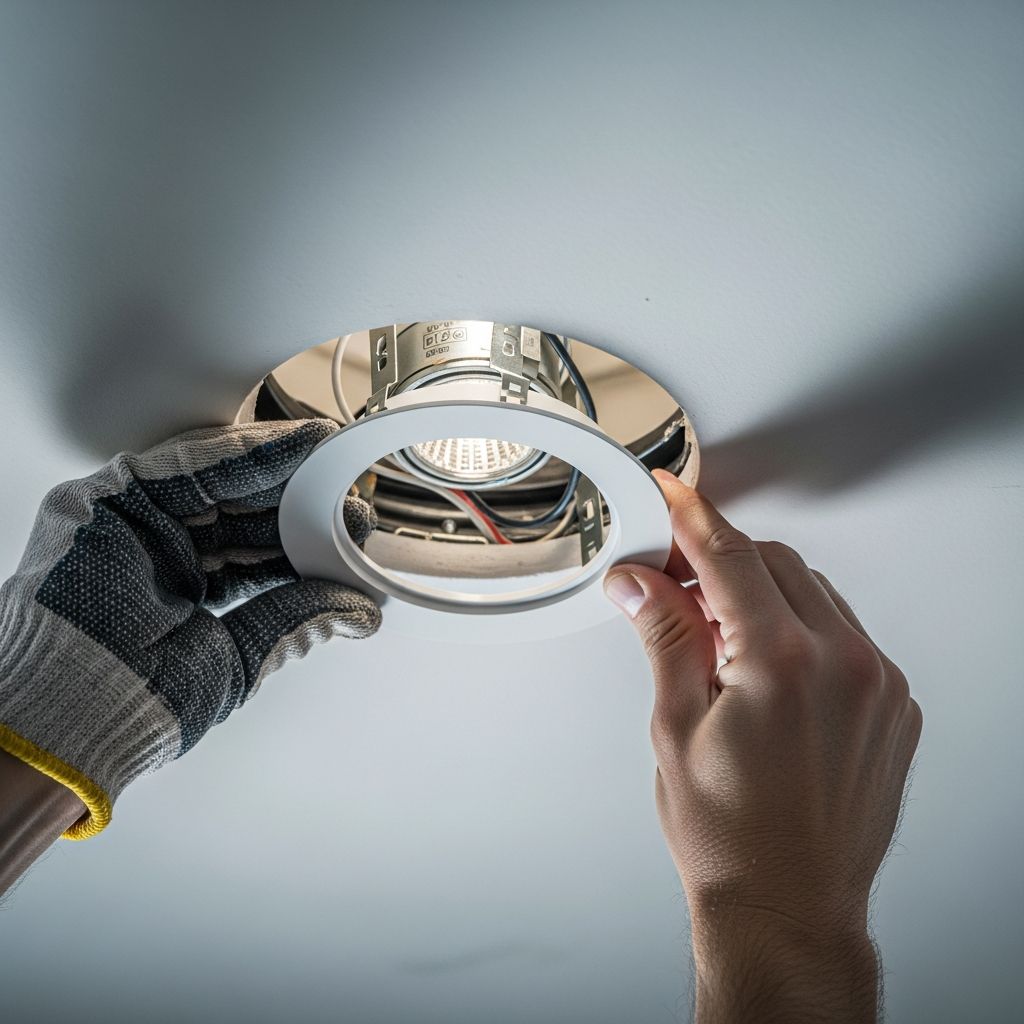
Updating the trim on recessed lighting fixtures refreshes your ceiling’s appearance and improves light distribution. These covers, often called trims, fit into standard housings to direct illumination precisely while concealing wiring and sockets.
Understanding Recessed Lighting Components
Recessed lights consist of a housing embedded in the ceiling, a socket for the bulb, and a trim kit that provides the visible surface. Trim types include baffles for glare reduction, reflectors for brighter output, and eyeballs for adjustable beams. Proper trim selection ensures compatibility with your 4-inch, 5-inch, or 6-inch cans.
- Housing: The metal canister that holds everything.
- Socket plate: Adjustable mount for the bulb.
- Trim springs or clips: Secure the cover flush against the ceiling.
Over time, trims yellow, sag, or fail to seal, allowing light leaks or drafts. Replacing them restores functionality without major renovations.
Tools and Materials for the Job
Gather these essentials before starting to avoid interruptions. A stable stepladder provides safe access, while gloves protect against sharp edges.
| Tool/Material | Purpose |
|---|---|
| Stepladder | Safe ceiling access |
| Screwdriver set | Release clips or screws |
| Needle-nose pliers | Handle springs |
| LED bulbs (compatible size) | Energy-efficient upgrade |
| New trim kit | Replacement cover |
| Cleaning cloth | Remove dust buildup |
Opt for trims matching your housing diameter. Check for spring-loaded or clip designs based on your fixture model.
Assessing Your Current Fixtures
Turn off power at the breaker to inspect safely. Remove the bulb if possible to access the trim. Note the attachment method: springs hook into housing slots, clips twist into place, or screws hold decorative rings.
Common issues include loose springs causing sags, insulation blocking flush fits, or mismatched sizes from renovations. Measure the opening diameter and depth for accurate replacements.
Step-by-Step Removal Process
Begin by powering down and confirming no voltage with a tester. For spring-clip trims, squeeze the metal arms inward and pull downward gently. Twist-lock models require a quarter-turn counterclockwise.
- Unscrew and remove the bulb to create access.
- Locate retaining springs or clips around the trim perimeter.
- Squeeze or unhook them using pliers if stiff.
- Lower the trim slowly to avoid damaging the socket.
- Clean the housing interior of dust and debris.
If the trim resists, check for hidden screws near the edge. Avoid forcing to prevent ceiling cracks.
Choosing the Right Replacement Trim
Select trims based on function and style. Baffle trims with textured interiors cut glare in living areas. Open reflectors suit kitchens for task lighting. Wet-rated glass lenses work for bathrooms or showers.
- Baffle: Matte finish reduces eye strain.
- Reflector: Shiny surface amplifies light.
- Eyeball: Swivels for spotlight effects.
- Shower trim: Gasket-sealed for moisture.
Match aperture size exactly—6-inch housings need 6-inch trims—to ensure a snug fit.
Installing New Trim Kits Securely
Align the new trim’s springs with housing notches. Compress the springs and insert hooks into the designated slots on opposite sides. Push upward until the springs snap into tension, holding the trim flush.
For screwless designs, center the trim and release the springs simultaneously. Test by tugging lightly; it should stay firm without gaps.
Visual aids show squeezing springs together before hooking, ensuring even pressure.
Troubleshooting Common Installation Hurdles
Sagging occurs if springs weaken or the socket sits too low. Adjust the socket plate’s wing nut to raise it within the housing. For light leaks, add weatherstripping or caulk the trim edge after painting.
- Trim won’t fit flush: Reposition clips higher inside the can.
- Springs too tight: Lubricate lightly or replace with compatible ones.
- Bulb interferes: Switch to recessed LED bulbs that sit higher.
In shower areas, ensure gaskets compress properly for waterproofing. Pre-clean notches to remove old insulation bits.
Upgrading to Energy-Efficient LEDs
While replacing trim, swap bulbs for LEDs compatible with recessed setups. These run cooler, last longer, and fit deeper into baffles without protrusion. Dimmable options maintain ambiance control.
Recessed lighting upgrades reduce energy use significantly, as LEDs consume up to 80% less power than halogens. Verify trim compatibility with LED heat output.
Safety Protocols During Replacement
Always de-energize circuits first. Use insulated tools near wiring. Wear eye protection when handling glass lenses. For high ceilings, secure the ladder with a spotter.
Avoid overloading circuits; consult an electrician if adding multiple new fixtures. Test each light post-installation before restoring power.
Enhancing Aesthetics with Decorative Options
Beyond basics, decorative trims feature trim rings, colored baffles, or adjustable gimbal rings. These elevate modern, transitional, or vintage interiors. Pair with smart bulbs for color-changing effects.
Layer lighting by mixing trim types: wall-washing reflectors alongside downlights. This creates depth without harsh shadows.
Maintenance Tips for Longevity
Dust trims monthly with a microfiber cloth. Vacuum housing interiors annually. Replace trims every 5-10 years or when discoloration appears. Monitor for socket corrosion in humid areas.
LED conversions extend overall fixture life, minimizing future interventions.
Frequently Asked Questions
Can I replace trim without removing the housing?
Yes, most designs allow direct swap via springs or clips without disturbing the embedded can.
What if my trim has no visible springs?
Look for twist-locks or friction-fit edges; gently rock while pulling downward.
Are all 6-inch trims interchangeable?
No, confirm spring type and baffle depth match your housing model.
How do I fix a trim that won’t stay up?
Bend springs outward slightly or adjust socket height upward.
Is special trim needed for showers?
Yes, use sealed glass versions with gaskets to prevent moisture ingress.
References
- How to Install Recessed Can Light Fixture Trim Cover — VideoJoeKnows. 2025-03-18. https://www.youtube.com/watch?v=i9ti3oKdUD8
- How to Install Recessed Lighting Covers – Shower Trim Rings — YouTube. N/A. https://www.youtube.com/watch?v=ujs1Z6uv7X8
- How to install a 6″ recessed baffle trim — Total Lighting Supply. 2011-11-03. https://www.youtube.com/watch?v=-pj9SlrLWb8
- How to Replace Recessed Lighting with LED — The Home Depot. N/A. https://www.homedepot.com/c/ah/how-to-replace-recessed-lighting-with-led/9ba683603be9fa5395fab90706df9c1
Similar Articles






Read full bio of Sneha Tete