Replace Vinyl Casement Windows DIY Guide
Master the step-by-step process to swap out old vinyl casement windows for better energy efficiency and modern appeal in your home.
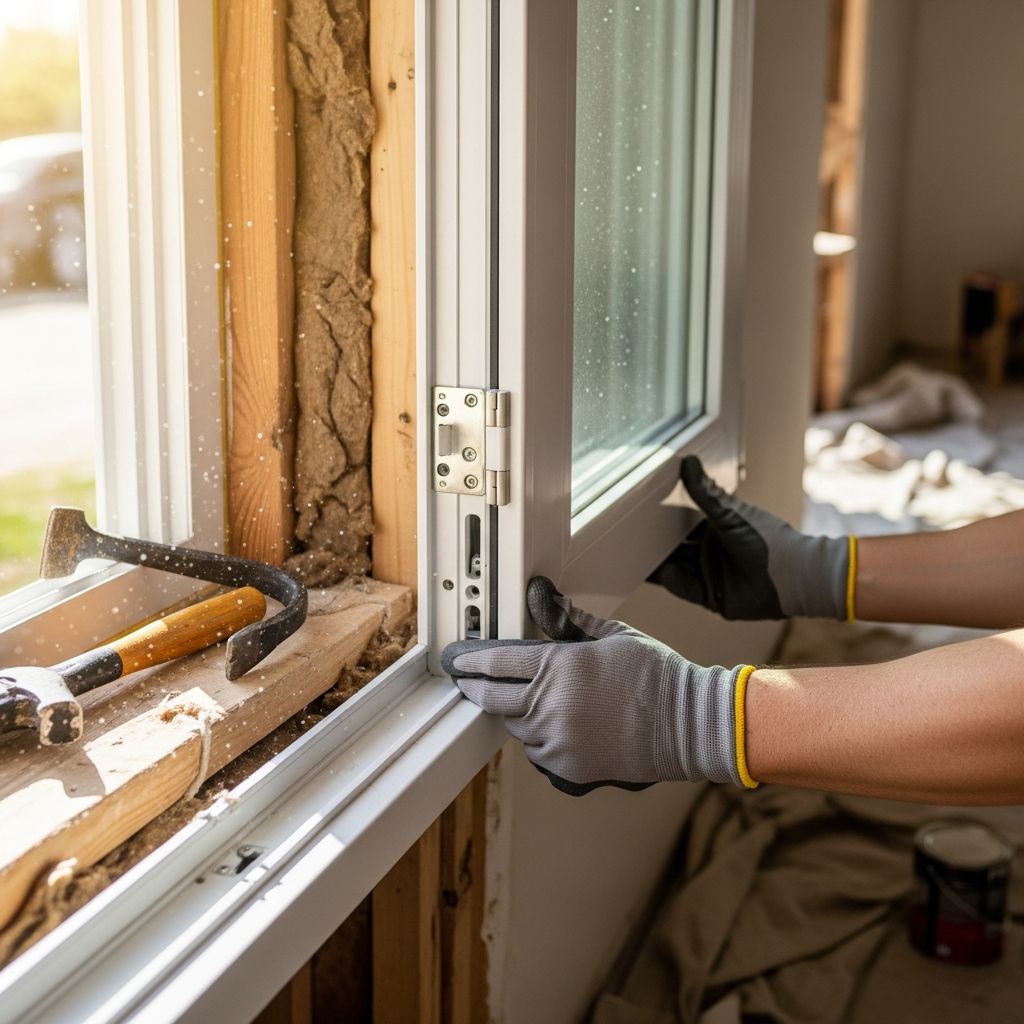
Vinyl casement windows offer homeowners an excellent blend of durability, energy savings, and ease of operation through their crank-out design that maximizes ventilation. Replacing them yourself can refresh your home’s appearance and performance without professional fees, provided you follow precise methods. This guide draws from established installation practices to ensure a secure, weather-tight fit.
Why Choose Vinyl Casement Windows for Replacement
These windows swing outward like a door, providing unobstructed views and superior airflow compared to sliding or double-hung styles. Vinyl construction resists warping, requires minimal upkeep, and often costs less than alternatives like wood or fiberglass. Energy-efficient models with low-E glass and fusion-welded frames help lower utility bills by reducing drafts. Homeowners report up to 30% improvements in insulation after upgrades, making them ideal for older homes with deteriorating units.
Assessing Your Windows: When to Replace
Inspect for signs like difficulty cranking, fogged glass between panes, visible frame cracks, or air infiltration during wind. Measure existing openings accurately—width at three points (top, middle, bottom) and height similarly—to order the correct size. New vinyl casements should be 1/8 to 1/4 inch smaller than the rough opening for shimming. If rot exists in surrounding wood, reinforce before proceeding.
Essential Tools and Materials
Gather these items to streamline the project:
- Reciprocating saw with demolition blade
- Utility knife and pry bar
- Screwdriver set (Phillips and flathead)
- Level, tape measure, and square
- Caulking gun with exterior-grade sealant
- Shims, wood screws (#8 x 2-inch), and low-expansion foam insulation
- Hammer, chisel, and safety gear (gloves, goggles, dust mask)
- Silicone spray lubricant for hardware
Stock extra trim and flashing to match your home’s style.
Preparing the Workspace Safely
Work on a dry day to avoid moisture issues. Protect floors with drop cloths and cover nearby landscaping. Disconnect power if near electrical outlets. For multi-story installs, use stable ladders and have a helper for heavy lifting—windows can weigh 50-100 pounds.
Detailed Removal Process
Removing the old window prevents damage to new units and reveals framing conditions. Start indoors:
- Remove interior trim with a pry bar, starting at the top. Save reusable pieces.
- Open the casement fully and detach the crank operator: Pry off the handle, turn the knob while pushing the sash, and pop the wheel from its track.
- Release the sash: Align the operator arm with the track arrow, push down to free the roller, then detach hinges by sliding arms upward. Lift sash out carefully.
Switch to exterior:
- Pry off exterior stops or trim.
- Cut between the frame and rough opening using a reciprocating saw—protect wiring or plumbing inside.
- Lift the frame out, maneuvering through the interior for ease. Clean debris and inspect for rot; replace damaged lumber with matching pressure-treated wood.
Use a wire brush to scrape old caulk and paint, ensuring a smooth surface for the new install.
Preparing the Rough Opening
A plumb, level opening is critical. Check diagonals—they should match within 1/8 inch. Trim sill if needed for proper drainage slope (1/4 inch per foot). Apply sealant along the sill where it meets any stool. Fill gaps with backer rod if wider than 1/2 inch before foaming.
Installing the New Vinyl Casement Window
Test-fit the window: Tilt from the bottom into the opening, centering it. Adjust shims at jambs for plumb and square—do not overtighten to avoid bowing.
| Step | Action | Key Tips |
|---|---|---|
| 1. Position | Set on sill, tilt up and in until flanges contact sheathing. | Use level on head jamb and sides; shim as needed. |
| 2. Secure Jambs | Drive #8 x 2-inch pan-head screws through pre-drilled holes (two per jamb). | Alternate sides; check operation after each screw. |
| 3. Insulate | Inject low-expansion foam around perimeter, avoiding head jamb pressure. | Tool foam smooth; trim excess after curing. |
| 4. Head and Sill | Add screws or clips at top if specified by manufacturer. | Ensure 1-inch penetration into framing. |
Operate the crank fully to verify smooth sash movement. Reinstall screens and any balance covers.
Sealing for Weatherproofing
Apply a continuous 3/8-inch bead of silicone caulk exteriorly at flange edges, tool smooth. Indoors, caulk between jambs and rough opening. Install drip cap above if absent, and flashing tape sill for water diversion. This prevents leaks and boosts efficiency.
Finishing Touches Indoors and Out
Replace or install new interior stops against the frame, nailing every 12 inches. Add casing trim for aesthetics, filling nail holes with wood putty. Paint or stain to match. Exteriorly, add brickmold or siding returns as needed.
Hardware Maintenance and Adjustments
Lubricate hinges, cranks, and tracks with dry silicone spray annually. Clean glass with ammonia-free cleaner; wash frames with mild soap. For crank issues: Remove handle screw, extract arm, align new unit’s holes (use toothpicks for stripped threads), and secure.
Cost Breakdown and Savings Tips
| Item | Estimated Cost (per window) |
|---|---|
| Vinyl Casement Unit | $300-$800 |
| Tools/Materials | $100-$200 |
| Professional Alternative | $800-$1,500 installed |
DIY saves 50%+; buy in bulk for multiples. Energy Star-rated units qualify for rebates.
Common Pitfalls and Troubleshooting
- Overtightening screws: Distorts frame—use torque-limited driver.
- Poor sealing: Leads to leaks; double-check with hose test post-install.
- Uneven shimming: Causes binding; recheck levels frequently.
- Sash won’t close? Adjust operator arm tension per manual.
Frequently Asked Questions (FAQs)
Can beginners replace vinyl casement windows?
Yes, with basic carpentry skills and patience. Expect 4-6 hours per window.
Do I need a building permit?
Check local codes; often required for exterior changes.
How do I fix a stuck crank?
Clean track, lubricate, or replace operator as detailed above.
Are vinyl windows recyclable?
Many components are; dispose responsibly via recycling centers.
What if my opening is out of square?
Shim to compensate, but max 1/4-inch deviation; frame may need repair.
Long-Term Care for Peak Performance
Annual cleaning prevents buildup: Vacuum tracks, wipe hardware, polish finishes. Inspect seals yearly, re-caulking as needed. This extends lifespan to 20-30 years. Proper maintenance ensures ongoing energy savings and security.
References
- The Ultimate Guide to Vinyl Replacement Windows for Your Home — Capital Remodeling. 2023. https://www.capitalremodeling.com/vinyl-replacement-windows-guide/
- A Complete Guide to Casement Windows — Ecoline Windows. 2026. https://www.ecolinewindows.ca/casement-windows-ultimate-guide/
- Silver Line Replacement Windows Installation Instructions — Silver Line Windows. 2018-09. http://www.silverlinewindows.com/wp-content/uploads/2018/09/SLIN040-1018-Install-silver-line-double-hung-single-hung-casement-replacement.pdf. Note: Authoritative manufacturer guide remains relevant for standard procedures.
- Step-by-Step Guide to Casement Window Replacement — MI Windows. 2023. https://miwindows.com/blog/step-step-guide-casement-window-replacement
- Casement Window Replacement Sash Installation — Andersen Windows Help Center. 2024. https://helpcenter.andersenwindows.com/aw/s/article/Casement-Window-Replacement-Sash-Installation
Similar Articles








Read full bio of Sneha Tete