Bringing Old Chalkboards Back to Life
Learn proven techniques to rejuvenate worn chalkboards and extend their lifespan.
Bringing Old Chalkboards Back to Life: A Comprehensive Restoration Guide
Chalkboards have served as practical and decorative elements in homes, classrooms, and commercial spaces for generations. Over time, these functional surfaces accumulate wear, lose their writing quality, and may develop stains or residue that diminish their appearance and usability. Rather than discarding a cherished board, restoration offers an environmentally conscious and cost-effective solution to reclaim its original character and functionality.
Understanding When Restoration Becomes Necessary
Identifying the right time to restore a chalkboard requires understanding the common signs of deterioration. A chalkboard that has been in active use for many years may develop a glazed or hardened surface that resists chalk adhesion, making writing difficult and producing faint marks. Kitchen chalkboards, in particular, accumulate grease and dust that can create a stubborn film over the writing surface. Additionally, previous chalk writings sometimes leave ghost images that persist even after wiping, indicating the porous surface has become saturated with residue.
Vintage chalkboards sourced from antique shops or marketplaces often show signs of age-related damage. The wooden frames may need attention, and the slate or composite surface might appear dull, discolored, or scratched. These conditions don’t render the board unusable; they simply indicate that restoration work will enhance both aesthetics and performance.
Initial Assessment and Surface Inspection
Before beginning any restoration work, thoroughly examine the chalkboard to determine its construction and current condition. Identify whether the writing surface is made from slate, a composite material, or a painted wood base. Check the frame for structural integrity, woodworm damage, or rot. Look for areas where the surface coating may be peeling, bubbling, or damaged, as these sections will require special attention during restoration.
Understanding the board’s material composition helps you select appropriate restoration methods. Slate boards, for example, can withstand more aggressive cleaning and sanding than painted surfaces. Wood-based boards with painted finishes require gentler handling to avoid damaging the paint layer. Composite materials often need specialized care to preserve their integrity while improving their writing surface.
Comprehensive Cleaning as the Foundation
The restoration process begins with meticulous cleaning, as a thorough cleanse removes years of accumulated grime and establishes a clean working surface. Start by wiping the board with a dry cloth to remove loose dust and chalk residue. Follow this with a damp cloth, using lukewarm water to dissolve stubborn marks and buildup. For boards with significant grease accumulation, a mild detergent solution helps break down oily films that plain water cannot address.
For particularly grimy surfaces, allow the detergent solution to sit for several minutes before wiping, giving it time to penetrate and loosen the accumulated debris. Pay special attention to corners and edges where dust tends to concentrate. After cleaning with detergent, rinse thoroughly with clean water to remove any soap residue, which could interfere with subsequent restoration steps. Allow the board to dry completely before proceeding to the next phase.
Chalk and chalk sticks used on the board accumulate kitchen grease and environmental dust during extended use. Clean these items by using an old toothbrush to gently scrub the chalk surface, removing the film of contamination. This ensures that your seasoning and testing processes work effectively and that you have clean writing tools ready for immediate use once restoration is complete.
Sanding to Revitalize the Writing Surface
After cleaning, sanding plays a crucial role in restoring the board’s writing quality. Fine-grit sandpaper, typically in the 120-150 range, works effectively for this purpose without causing excessive damage to the underlying surface. The goal of sanding is not to strip away the board entirely but to roughen the glazed or hardened surface, opening up the pores that allow chalk to adhere properly.
Sand in circular motions, applying moderate pressure to create an even, slightly abraded surface across the entire writing area. This process removes years of accumulated polish, oxidation, and surface degradation. The renewed texture that emerges from sanding dramatically improves chalk pickup and writing clarity. Work methodically across the board, ensuring consistent coverage rather than focusing intensively on small sections, which could create visible variations in the final surface.
After sanding, wipe the board thoroughly with a damp cloth to remove all dust and debris created by the abrasion process. This step is critical because remaining dust particles will interfere with any finishing treatments applied subsequently. Allow the board to dry completely before moving forward.
Surface Treatment Options for Enhanced Performance
Several approaches exist for treating the surface after cleaning and sanding, each offering distinct advantages depending on your restoration goals and available resources.
The Danish Oil Application Method
Danish oil provides an elegant finishing solution that enhances the natural appearance of wooden frames while improving the writing surface of the board itself. This approach involves applying multiple thin coats of Danish oil, allowing adequate drying time between applications. The oil penetrates the wood and creates a protective layer that resists moisture and environmental damage while giving the board a refined, finished appearance.
Apply Danish oil with a soft cloth, working it into the surface with gentle, circular motions. Allow each coat to dry completely before applying subsequent layers, typically waiting 24 hours between applications. Two to three coats generally provide optimal results, creating a durable finish that protects the board while maintaining its natural character. This method works particularly well for boards with attractive wood frames or slate surfaces where maintaining the material’s natural appearance is a priority.
Custom Chalkboard Paint Resurfacing
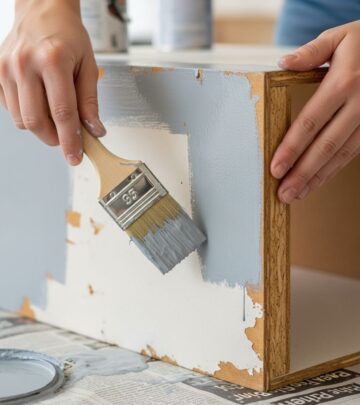
For boards whose surfaces have become severely compromised or whose original finish cannot be salvaged, chalkboard paint offers a complete resurfacing solution. Rather than purchasing expensive commercial chalkboard paint, creating a custom formulation provides cost savings while allowing color customization.
The key ingredient in homemade chalkboard paint is unsanded grout, a porous material that creates the texture necessary for proper chalk adhesion. Combine unsanded grout with acrylic paint in your desired color, mixing thoroughly until you achieve a smooth, paintable consistency. The ratio typically involves using a few teaspoons of grout per portion of paint, though exact measurements depend on the paint type and desired texture.
Prepare the board surface by cleaning and sanding as previously described, but skip the primer step since the grout-based mixture adheres well to bare surfaces. Apply the chalkboard paint using a brush with moderate nap, typically 1.5 inches wide for manageable control. Use smooth, even strokes to create a uniform coat. Allow the first coat to dry completely—generally 24 hours—before applying a second coat. The resulting surface will be rougher than commercial boards but will perform excellently for writing and erasing chalk.
Proper Installation for Safety and Longevity
Once restoration is complete, secure installation becomes essential for both safety and maintaining the restoration’s benefits. Metal French cleats offer a reliable mounting system that distributes weight evenly across the wall and allows for easy removal when necessary. These devices consist of interlocking metal strips that provide stable support for heavy boards while remaining relatively invisible once installed.
Ensure that mounting hardware is secured into wall studs or uses appropriate anchors rated for the board’s weight. Improper installation poses safety risks and can cause damage to walls, frames, or the board itself. Take time to level the board carefully before final installation, as an uneven mounting becomes immediately apparent and affects both appearance and functionality.
Seasoning: The Essential Final Step
Before using your restored chalkboard, seasoning the surface prevents ghost images from persisting permanently and ensures optimal long-term performance. This process, while simple, is often overlooked despite its importance in maintaining board quality.
To season your board, use traditional chalk—not dustless varieties, which lack the texture needed for effective seasoning. Cover the entire board surface with chalk, working both vertically and horizontally to ensure complete coverage. For large surfaces or wall-mounted boards, sidewalk chalk covers area more efficiently than standard chalk sticks.
Once complete coverage is achieved, wipe away all chalk using a clean, dry paper towel or cloth. This process fills the porous spaces in the board’s surface and coats absorbent areas, creating a barrier that prevents the writing surface from absorbing chalk pigment unevenly. Properly seasoned boards resist staining, clean more easily, and maintain writing quality over extended use.
Maintenance Practices for Long-Term Success
After completing restoration, implementing consistent maintenance practices extends the board’s lifespan and preserves its renewed functionality. Clean the board regularly using a dry eraser or soft cloth, removing chalk residue before it accumulates and hardens. For stubborn marks, use a damp cloth with minimal moisture, as excessive water can damage certain board types or frames.
Avoid harsh abrasive cleaners or metal scrapers that can gouge the restored surface. Instead, rely on gentle mechanical action combined with mild soap solutions when necessary. Position the board away from direct sunlight, extreme temperature fluctuations, and high humidity, which can cause warping, fading, or surface degradation. These environmental considerations prove particularly important for wooden-framed boards, where moisture exposure can cause swelling or rot.
Troubleshooting Common Restoration Challenges
Despite careful restoration work, certain issues occasionally emerge during or after the process. If chalk refuses to adhere after restoration, the surface may remain too smooth; additional light sanding addresses this concern. If ghost images persist after seasoning, the surface may require more thorough cleaning before seasoning is attempted. For boards displaying uneven surface texture after custom paint application, additional light sanding between coats creates smoother results.
If the board warps after treatment, this suggests moisture exposure during or after restoration. Ensure adequate ventilation during drying phases and store or display the board in environments with stable humidity levels. In cases where the frame shows signs of rot or structural compromise, addressing these issues before aesthetic restoration prevents worsening damage.
Cost Comparison: Restoration Versus Replacement
Restoration typically costs far less than purchasing a new board of comparable size and quality. Commercial chalkboards range from moderate to expensive, particularly for vintage or high-quality options. Restoration supplies—sandpaper, grout or paint, oils, and cleaning materials—usually cost under $20 total, making restoration accessible to most homeowners and organizations.
Beyond financial considerations, restoration preserves history and character associated with older boards. Vintage classroom chalkboards or antique pieces carry aesthetic and sentimental value that new boards cannot replicate. The restoration process itself provides satisfaction and skill development applicable to numerous home improvement projects.
Frequently Asked Questions
How long does chalkboard restoration typically require?
A straightforward restoration involving cleaning, sanding, and seasoning takes approximately 2-3 days when accounting for drying time between steps. Custom paint application adds 1-2 additional days due to coating cure time requirements.
Can I restore a severely damaged chalkboard?
Most boards can be restored unless structural damage exists in the frame or substrate. Deep gouges in the writing surface can be addressed through custom paint resurfacing, providing a fresh writing area.
What types of chalk work best on restored boards?
Traditional chalk provides optimal results on properly restored surfaces. Ensure chalk is clean and free of contamination before use, and avoid dustless varieties for seasoning and maintenance purposes.
How often should restored boards be re-seasoned?
After the initial seasoning, most restored boards require re-seasoning only occasionally—perhaps annually or when ghosting becomes apparent despite regular cleaning.
References
- How to Season a Chalkboard — Uchida. 2024. https://uchida.com/blogs/tips-techniques/how-to-season-a-chalkboard
- Resurfacing a Blackboard with Homemade Chalkboard Paint — Big City Little Homestead. https://bigcitylittlehomestead.ca/arts-crafts-diy/resurfacing-a-blackboard-paint/
- Restoring a Chalkboard — Way North Blog. 2024-01-07. https://waynorthblog.com/2024/01/07/restoring-a-chalkboard/
Similar Articles



Read full bio of Sneha Tete