Coated Aluminum Furniture Oxidation: Expert Cleaning Guide
Complete guide to removing oxidation from coated aluminum outdoor furniture safely and effectively.
Understanding Oxidation in Coated Aluminum Furniture
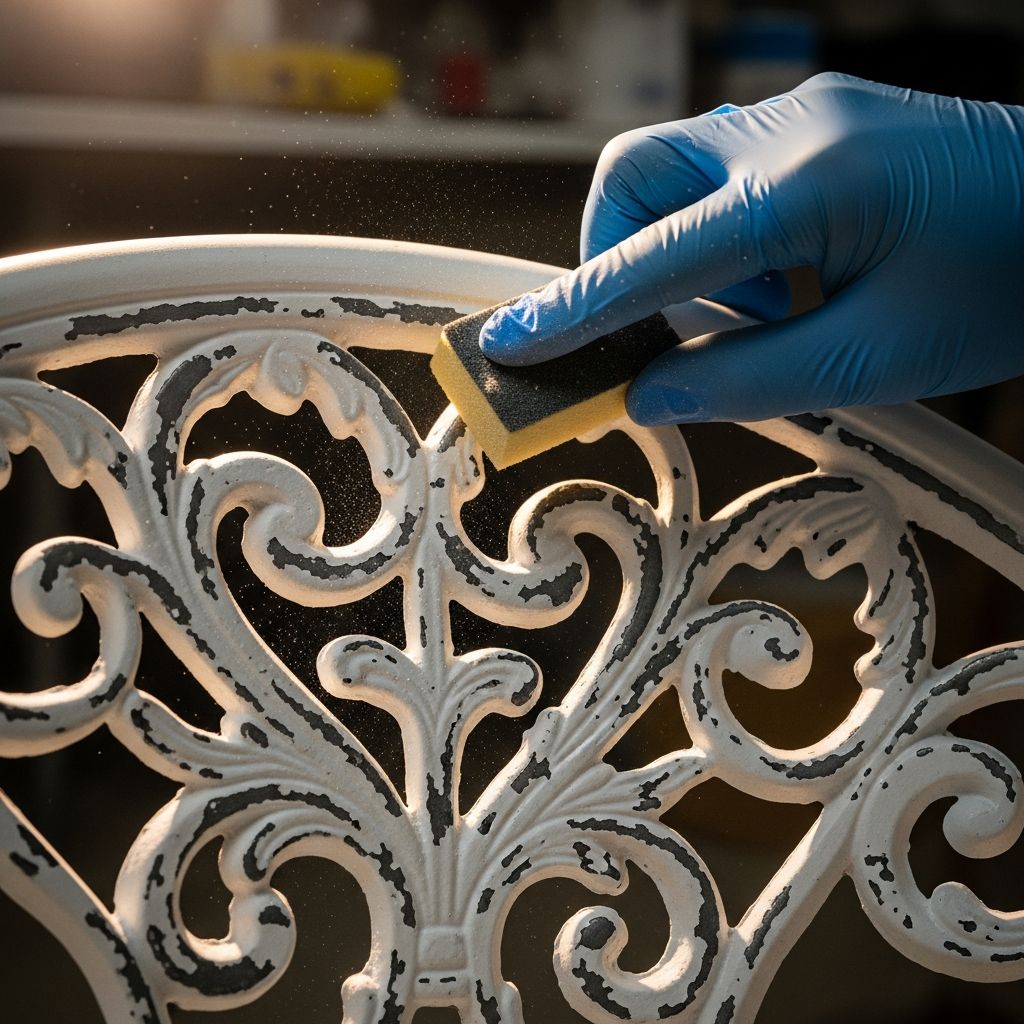
Aluminum is a popular choice for outdoor furniture because of its lightweight nature and corrosion resistance compared to other metals. However, when aluminum is exposed to moisture, oxygen, and environmental elements, it undergoes a chemical process that creates a dull, whitish coating known as oxidation. This oxidation layer not only diminishes the aesthetic appeal of your furniture but can also compromise the protective coating that manufacturers apply to aluminum pieces.
Coated aluminum furniture typically features a powder-coat or paint finish designed to shield the base metal from the elements. When oxidation occurs, it often indicates that moisture has penetrated this protective barrier, creating conditions that allow the oxidation process to accelerate. Understanding what causes oxidation and how it affects your furniture is the first step toward developing an effective maintenance and restoration strategy.
Identifying Different Levels of Oxidation Damage
Not all oxidation is the same, and the severity of oxidation on your furniture will determine which cleaning method is most appropriate. Recognizing the extent of the problem allows you to choose the right approach and avoid causing unnecessary damage through overly aggressive treatment.
Minor Surface Oxidation
Light oxidation appears as a subtle dull finish or slight discoloration on the aluminum surface. You might notice minor white residue that easily wipes away, or areas that have lost their original luster without visible pitting or deep damage. This type of oxidation is the easiest to address and typically requires minimal intervention.
Moderate Oxidation Development
When oxidation progresses beyond the initial stage, a more visible white powdery layer develops across affected areas. The surface becomes noticeably dull, and you may observe shallow pitting or texture changes in the aluminum. Small sections might show slightly raised or rough patches where the oxidation has begun to penetrate the coating more deeply.
Severe Oxidation Conditions
Advanced oxidation presents as rough, deeply pitted surfaces with extensive white or gray coating. The damage may be uneven, with some areas severely affected while others remain relatively untouched. Severe cases often require professional assessment or specialized treatment, and restoration may be limited by the extent of structural damage to the coating.
Safe Cleaning Solutions and Materials
The key to successful oxidation removal from coated aluminum furniture lies in selecting the right cleaning agents and tools. Using inappropriate products can either fail to address the problem or potentially cause additional damage to the protective coating.
Acid-Free Commercial Cleaners
Acid-free aluminum oxidation removal products come in spray and paste formulations specifically designed for aluminum surfaces. These commercial solutions contain mild acids or specialized compounds that dissolve oxidation without harming the underlying coating. They work similarly to buffing compounds and require gentle application with a soft cloth, following manufacturer instructions carefully.
Vinegar and Water Solution
A homemade solution combining equal parts white vinegar and water creates a mildly acidic cleaner suitable for moderate oxidation. Vinegar’s acidity helps break down oxidation while remaining gentle enough for most coated finishes. This natural alternative is cost-effective and works well for regular maintenance and medium-level oxidation issues.
Protective Waxes and Coatings
Automotive car wax serves as an excellent finishing product for aluminum furniture restoration. Applied after cleaning and drying, car wax creates a barrier between the aluminum and environmental moisture, significantly reducing future oxidation risk. Regular waxing maintains shine and provides ongoing protection against the elements.
Tools and Equipment
The materials you use to apply and remove cleaning solutions matter considerably. Soft microfiber cloths, sponges, and cotton rags are ideal for buffing and scrubbing without creating scratches. For heavier oxidation, an electric buffer can reduce physical effort, though it is not essential. Always avoid steel wool, wire brushes, and abrasive pads, which can scratch and damage the protective coating.
Step-by-Step Cleaning Procedures by Oxidation Level
Treating Light Oxidation
Preparation: Begin by removing loose dirt and debris from the furniture surface using a soft brush or cloth. This prevents dirt from grinding into the aluminum during cleaning.
Application: Apply your chosen acid-free cleaner according to product instructions. Spray or paste formulations should be worked onto affected areas using gentle circular motions with a soft cloth.
Buffing: Use moderate pressure to buff the cleaner into oxidized areas, working until the white coating begins to dissolve. The process typically requires several minutes per section.
Rinsing: Rinse thoroughly with clean water, ensuring all cleaner residue is removed. Check frame crevices and joints where water can pool.
Drying: Dry completely with a microfiber cloth to prevent water spots and moisture accumulation.
Protection: Apply a thin layer of car wax with a soft cloth to restore shine and create a protective barrier.
Addressing Moderate Oxidation
Initial Cleaning: Use a vacuum with a brush attachment to remove loose oxidation residue and debris before applying liquid cleaners.
Vinegar Treatment: Apply your vinegar-water solution generously to affected areas using a soft sponge. For stubborn oxidation, allow the solution to sit for several hours or overnight to penetrate the coating.
Gentle Scrubbing: Use a soft cloth or sponge to gently scrub the oxidized areas, applying moderate pressure. The oxidation should gradually lift away as you work the vinegar solution into it.
Thorough Rinsing: Rinse multiple times with clean water to remove all vinegar and dissolved oxidation. Pay special attention to crevices where residue accumulates.
Complete Drying: Air dry or use a microfiber cloth, ensuring no moisture remains on the surface to prevent renewed oxidation.
Wax Application: Once completely dry, apply car wax to restore luster and provide protective sealing.
Managing Heavy Oxidation
Professional Assessment: For severe pitting and extensive damage, consider consulting a professional restoration service. They can assess whether your furniture can be restored or requires specialized treatment.
Specialized Cleaners: Use non-abrasive aluminum-specific cleaners designed for heavy oxidation. Always test these products on a hidden area first to ensure they will not damage your coating.
Careful Application: Work the cleaner into pitted areas using soft cloths only, avoiding any abrasive tools. Multiple applications may be necessary.
Final Rinse and Dry: Rinse extremely thoroughly and dry completely to prevent further oxidation.
Protective Sealing: Apply car wax generously to seal the surface and provide maximum protection against future moisture infiltration.
Products and Materials to Avoid
Several common household products will damage coated aluminum furniture or accelerate oxidation. Bleach and ammonia-based cleaners create chemical reactions that harm the protective coating. Baking soda, while sometimes recommended for aluminum, should be avoided on coated furniture as it can react with the coating material. Trisodium phosphate (TSP) and other alkaline cleaners actually promote oxidation rather than prevent it. Never use pressure washers on coated aluminum, as the high-pressure water can strip away the protective coating entirely.
Prevention Strategies for Long-Term Protection
| Prevention Method | Frequency | Benefits |
|---|---|---|
| Routine Gentle Cleaning | Monthly or after rainfall | Removes dirt and moisture that promote oxidation |
| Car Wax Application | Every 2-3 months | Creates moisture barrier and restores shine |
| Protective Covers | During off-season storage | Shields furniture from UV rays and precipitation |
| Proper Storage | Year-round for cushions | Prevents moisture accumulation and mold growth |
| Inspection and Early Treatment | Quarterly | Catches oxidation early before severe damage occurs |
Regular Maintenance Routine
Establishing a consistent cleaning schedule prevents oxidation buildup. Clean your aluminum furniture with mild soap and water using a soft cloth or sponge at least monthly. Rinse thoroughly and dry completely, as standing moisture is a primary oxidation trigger.
Seasonal Preparation
Before storing furniture for winter or off-season periods, clean and dry all pieces completely. Apply a fresh coat of car wax for extra protection. Use waterproof furniture covers to shield pieces from rain, snow, and UV exposure during extended storage.
Storage Best Practices
When furniture must be stored, choose a dry location with good air circulation. If storage in a damp garage or shed is necessary, use moisture-absorbing products inside protective covers. Store removable cushions indoors in sealed containers to prevent moisture damage.
Environmental Considerations
Furniture exposed to coastal salt spray, harsh sunlight, or frequent humidity faces accelerated oxidation risk. These environments require more frequent protective waxing and inspection. Consider using furniture positioned under pergolas or shade structures to reduce UV exposure and moisture contact.
Restoration Results and Timeline
The time required to restore oxidized coated aluminum furniture depends on the oxidation severity and the cleaning method employed. Light oxidation can be addressed in 30 to 60 minutes, while moderate oxidation typically requires 2 to 3 hours of work spread across one or two treatment sessions. Heavy oxidation may need multiple treatments over several days, with overnight soaking periods between applications.
Results become visible within the first cleaning application, with significant improvement apparent after the initial rinse. Full restoration of shine and protection requires the final wax application. The furniture’s restored appearance should resemble its original finish, with a smooth texture and consistent luster across all surfaces.
Common Questions About Aluminum Furniture Restoration
Q: Can I use baking soda to clean oxidized coated aluminum furniture?
A: No. While baking soda is sometimes used on bare aluminum, it can react with the protective coating on coated aluminum and cause damage. Stick to acid-free commercial cleaners or vinegar solutions instead.
Q: How often should I apply wax to my aluminum furniture?
A: Apply car wax every 2 to 3 months as part of regular maintenance, or more frequently in harsh environmental conditions. After any major cleaning or restoration, waxing should be your final step.
Q: Is it safe to use a pressure washer on aluminum furniture?
A: No. Pressure washers can strip away the protective coating on aluminum furniture, exposing the metal beneath to oxidation. Always use soft cloths, sponges, and gentle hand washing instead.
Q: What causes oxidation to return quickly after cleaning?
A: Rapid re-oxidation indicates that the protective wax coating was either not applied or has worn away. Ensure you apply wax after cleaning, and reapply it regularly to maintain the protective barrier.
Q: Can severely pitted aluminum furniture be fully restored?
A: Severe pitting that has damaged the underlying metal structure cannot be completely removed, though appearance can be significantly improved. Professional restoration services may offer specialized treatments for advanced oxidation.
Q: Should I cover my aluminum furniture year-round?
A: Year-round covers are not necessary in moderate climates, but providing protection during off-season periods and harsh weather significantly extends furniture life and reduces oxidation risk.
Professional Restoration Services
For valuable furniture pieces or extensive oxidation damage, professional restoration may be worthwhile. Experts have access to specialized equipment and products that can achieve results difficult to replicate at home. They can also assess whether damage is reversible or if the furniture requires replacement components.
Professional services typically include deep cleaning, oxidation removal, refinishing, and sometimes recoating with new protective finishes. While more expensive than DIY methods, professional restoration can add years to your furniture’s lifespan and restore pieces to showroom condition.
References
- How to Clean Oxidized Cast Aluminum Furniture: Tips in 2025 — ASUZAC ACM. 2025. https://asuzac-acm.com/how-to-clean-oxidized-cast-aluminum-furniture-tips/
- How to Clean Oxidized Aluminum Patio Furniture — Sunnyland Patio. https://www.sunnilandpatio.com/blogs/sunniblog/how-to-clean-oxidized-aluminum-patio-furniture
- How to Remove Cast Aluminium Oxidation — Lazy Susan Furniture. https://www.lazysusanfurniture.co.uk/blogs/news/how-to-remove-cast-aluminium-oxidation
- How to Care For Outdoor Aluminum Furniture — Purple Leaf. https://purpleleafshop.com/blogs/news/how-to-care-for-outdoor-aluminum-furniture
- How to Remove Oxidation from Aluminum: Methods and Tips — Woodrow Scientific. https://woodrowscientific.com/blog?p=removing-oxidation-from-aluminum
Similar Articles








Read full bio of medha deb