Restore Cracked Faux Leather Couches: DIY Guide
Expert DIY techniques to repair cracks and peeling on faux leather furniture, extending its life affordably at home.
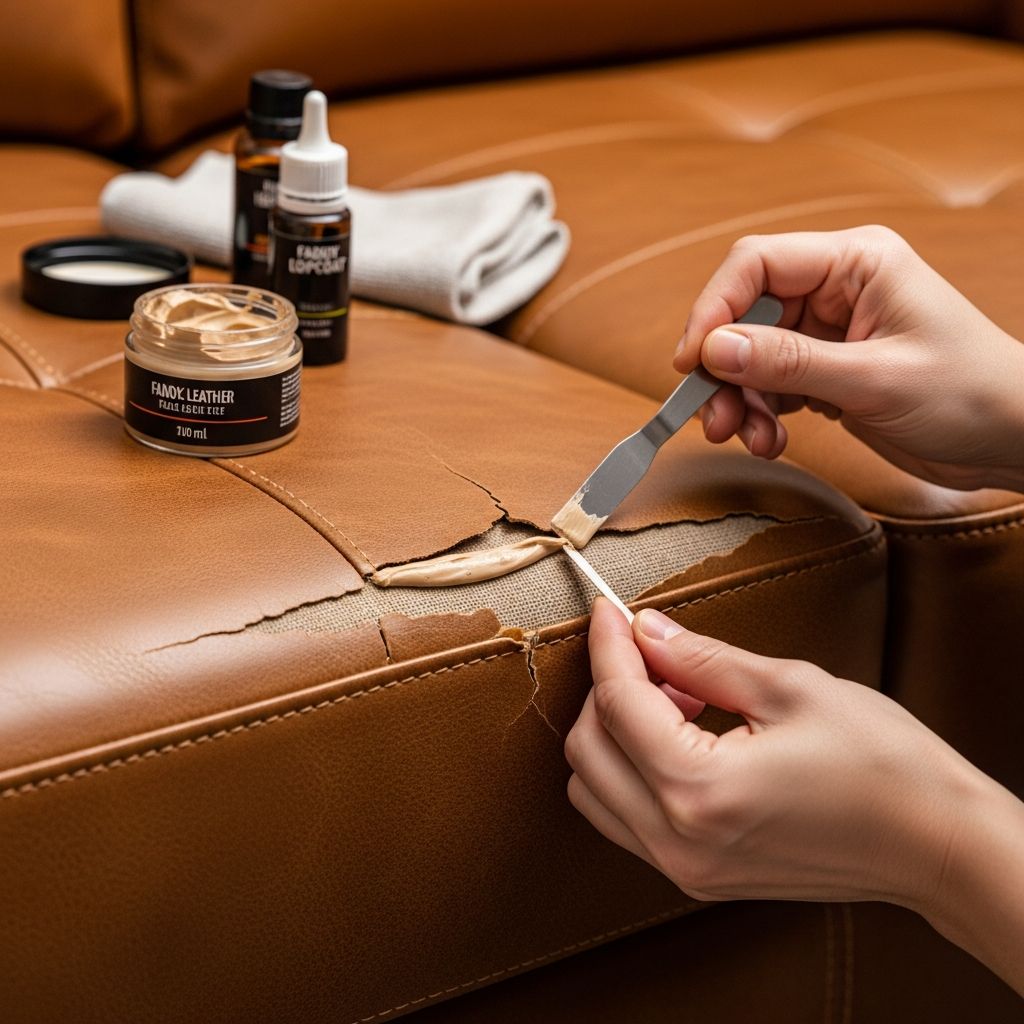
Faux leather couches offer an economical and stylish seating option, but exposure to sunlight, heat, and daily wear often leads to unsightly cracks and peeling. Rather than replacing the entire piece, homeowners can employ targeted repair methods to rejuvenate the surface. This guide outlines practical, at-home approaches to mend these damages, ensuring your furniture regains its original appeal without professional intervention.
Understanding Faux Leather Damage
Faux leather, also known as vinyl or polyurethane-coated fabric, consists of a plastic top layer bonded to a fabric backing. Cracks typically emerge when the topcoat degrades from UV rays, temperature fluctuations, or friction, exposing the underlying material. Early intervention prevents further deterioration, as small fissures can widen into flakes or tears.
Common culprits include prolonged direct sunlight, which hardens the material, and body oils that weaken the coating over time. Identifying the damage stage—hairline cracks versus widespread peeling—determines the repair intensity. Superficial issues respond well to fillers, while deeper problems may require subpatching for structural integrity.
Essential Tools and Materials for Repairs
Gathering the right supplies simplifies the process and enhances outcomes. A basic kit includes:
- Rubbing alcohol or mild soap solution for cleaning
- Cotton swabs, pads, or microfiber cloths
- Repair compound or filler putty designed for vinyl and leather
- Color-matching pigments or guide (for custom shades)
- Spatulas, brushes, and palette knives for application
- Fine-grit sandpaper (320-500 grit)
- Flexible adhesive like super glue or vinyl glue
- Plastic wrap or texturing tools
- Subpatch material, such as denim or levi patches, for larger cracks
Specialized kits provide pre-mixed compounds and instructions, reducing trial-and-error. Test all products on inconspicuous areas to avoid discoloration.
Preparing the Repair Surface
Success hinges on thorough preparation. Start by vacuuming loose debris from the couch. For peeling edges, gently trim jagged flaps with scissors, avoiding further tears. Wipe the area with rubbing alcohol using a cotton swab to remove oils, dirt, and residue. Allow complete drying before proceeding.
If the crack exposes backing fabric, insert a subpatch for support. Cut a denim piece slightly larger than the damage, round corners to prevent lifting, and secure it underneath using flexible glue applied with a toothpick. This creates a stable base, preventing future cratering. Press firmly and let cure per product guidelines.
Applying Filler to Cracked Areas
Once prepped, mix the repair compound if color customization is needed, following any provided guide. Apply thinly under peeling edges and into cracks using a spatula for broad coverage or brush for precision. Feather outward to blend seamlessly, building layers until level with surrounding surfaces.
Drying times vary from 20 minutes in sunlight to several hours indoors. Sand lightly between coats with fine-grit paper in the damage’s direction, collecting dust to mix back in for natural texture. Multiple thin applications outperform thick globs, minimizing shrinkage.
Texturing and Blending the Repair
Faux leather’s pebbled finish demands matching texture. While the final layer is semi-dry, press plastic wrap gently onto the surface and lift, imprinting a subtle pattern. Repeat for uniformity. For scratches or minor cracks, super glue infused with sanded leather dust fills and levels effectively.
Buff edges with alcohol-dampened cloth for smoothness. If recoloring, select a matching shade and apply sparingly, buffing to a sheen. This step camouflages repairs, restoring visual continuity.
| Damage Type | Recommended Filler | Drying Time | Tools Needed |
|---|---|---|---|
| Hairline Cracks | Super Glue + Dust | 5-10 min | Sandpaper, Toothpick |
| Peeling Flakes | Putty Compound | 2-4 hours | Spatula, Brush |
| Deep Tears | Flex Seal + Filler | 24 hours | Subpatch, Knife |
Advanced Techniques for Stubborn Damage
For bonded leather prone to flaking, consider resurfacing with rubberized coatings after peeling loose material. Apply filler putty, cure, then overlay with flexible paint like FlexSeal for durability. Test longevity, as some repairs degrade within months. Avoid over-repairing low-quality pieces, weighing reupholstery costs.
Larger sections benefit from professional-grade fillers offering flexibility. Heat gently with a hairdryer to aid adhesion, but never exceed 120°F to prevent melting.
Preventive Care for Longevity
Post-repair maintenance preserves results. Clean weekly with pH-neutral vinyl cleaners, avoiding abrasives. Position furniture away from windows or use UV-blocking curtains. Condition quarterly with silicone-based protectors to retain suppleness.
Rotate cushions to distribute wear evenly. For high-traffic homes, leather guards repel stains. These habits extend faux leather life by years, deferring major fixes.
Common Pitfalls and Troubleshooting
Repairs fail from rushed drying, mismatched colors, or inflexible adhesives. If bubbling occurs, sand and reapply thinner layers. Color mismatches? Blend with surrounding dust. Persistent peeling signals underlying quality issues—consider replacement.
Over-sanding removes too much material; work progressively. Always ventilate during glue use.
Frequently Asked Questions (FAQs)
What causes faux leather couches to crack?
Cracks stem from UV exposure, heat, humidity, and wear, degrading the plastic coating.
Can I repair faux leather with household items?
Yes, super glue and sandpaper handle small cracks effectively.
How long do DIY repairs last?
With proper technique and maintenance, 1-3 years or more.
Is faux leather repair kit worth it?
Absolutely for multiple fixes; saves versus professional services.
Can I paint over repairs?
Use vinyl-specific paints for flexibility and adhesion.
Comparing Repair Methods
| Method | Cost | Skill Level | Durability | Best For |
|---|---|---|---|---|
| Super Glue Fill | Low | Beginner | Medium | Small Cracks |
| Filler Kit | Medium | Intermediate | High | Peeling Areas |
| Subpatch + Coat | High | Advanced | Very High | Tears |
Selecting based on damage scale optimizes results.
References
- How to Repair a Peeling Faux Leather Sofa Using the Coconix Leather and Vinyl Repair Kit — Coconix. Accessed 2026. https://coconix.com/blogs/coconix/how-to-repair-a-peeling-faux-leather-sofa-using-the-coconix-leather-and-vinyl-repair-kit
- Leather Repair Trick for Small Tears & Cracks — Rub ‘n Restore, Inc. 2014-03-25. https://www.youtube.com/watch?v=sJCGK1BN-Ms
- How to Repair Peeling or Flaking Leather — Rub ‘n Restore. Accessed 2026. https://rubnrestore.com/how-to/bonded-leather-blues/
Similar Articles


Read full bio of Sneha Tete