Restoring Ornamental Glass: A Complete Guide
Learn professional techniques to restore decorative glass and extend its lifespan
Understanding When Decorative Glass Can Be Salvaged
Discovering a crack in a cherished decorative glass piece can be disheartening, but the damage isn’t always irreversible. Whether you’re dealing with a fractured vase, damaged picture frame, or ornamental window panel, understanding the nature and extent of the damage is your first step toward successful restoration. Modern adhesive technologies and repair techniques have made it possible for homeowners to address many types of glass damage without requiring professional intervention or costly replacement.
The viability of a repair depends on several factors, including the size and location of the crack, the thickness of the glass, and the intended use of the item. Small hairline fractures and minor chips are typically excellent candidates for DIY restoration, while extensive breaks or structural damage may require professional evaluation. Understanding these distinctions helps you determine whether proceeding with a repair is practical or if replacement would be more appropriate.
Essential Safety Precautions and Preparation
Before beginning any glass restoration project, prioritizing personal safety is paramount. Broken glass presents multiple hazards including sharp edges, potential splinters, and microscopic particles that can cause injury or respiratory irritation. Protecting yourself should always be the first step in your restoration process.
Proper protective equipment is non-negotiable when working with damaged glass. Safety eyewear prevents glass fragments from contacting your eyes during handling and repair work. Heavy-duty gloves protect your hands from sharp edges and provide a better grip when manipulating pieces. Consider wearing a dust mask if you’ll be handling extensively damaged glass that may release fine particles into the air. Additionally, ensure your work area is well-lit and clear of obstacles that could cause you to stumble while handling fragile materials.
Preparing your workspace involves establishing a clean, flat surface where you can lay out all components of the broken piece. A work table with a protective covering, such as newspaper or a disposable mat, helps contain small glass fragments and makes cleanup simpler. Gather all necessary tools and materials before beginning work so you’re not fumbling around with broken glass in hand while searching for supplies.
Assessment and Cleaning Procedures
Thorough examination of your damaged glass piece determines the best repair approach. Take time to inspect all surfaces and edges, noting the location, length, and direction of cracks. Determine whether the piece is a single large fracture or multiple connected breaks. This assessment guides your choice of repair materials and techniques.
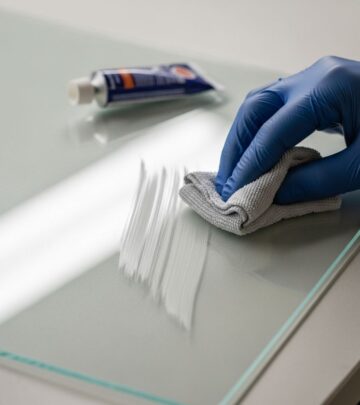
Cleaning represents one of the most critical preparation steps that many people overlook. Any dirt, dust, oils, or residue on the glass surfaces will interfere with adhesive bonding, potentially causing the repair to fail. Use a glass cleaner and lint-free cloth to thoroughly wipe all surfaces that will come into contact with adhesive. For maximum effectiveness, follow the cleaning with a final wipe using isopropyl alcohol on a clean cloth. Allow the alcohol to evaporate completely before proceeding with your adhesive application.
If your decorative glass piece has multiple fragments that have separated, carefully arrange them on your work surface to understand the original structure. This “dry fit” allows you to verify that all pieces are present and to plan your assembly sequence. Take photographs of this arrangement for reference during the actual repair process.
Selecting Appropriate Adhesive Products
The adhesive you choose significantly impacts both the success and longevity of your glass repair. Not all glues are suitable for glass restoration, and using incorrect adhesives can result in weak bonds or discoloration. The market offers several specialized options, each with distinct advantages and limitations.
Specialized glass adhesives represent the gold standard for decorative glass repair. These formulations are specifically engineered to bond glass surfaces and typically cure to a crystal-clear finish, making them ideal for visible repairs. Quality glass adhesives create strong molecular bonds with glass surfaces while remaining flexible enough to accommodate minor stress without cracking. These products often require only seconds to form an initial bond, though full curing may take several hours.
Epoxy-based adhesives offer another viable option, particularly for larger breaks or situations requiring extended working time. Two-part epoxies allow you to position glass pieces precisely before they set, and they typically provide a durable, waterproof bond. The extended working window—usually between five and thirty minutes depending on the formulation—allows for careful alignment and adjustment.
Windshield repair resins, while typically associated with automotive use, have proven effective for certain types of decorative glass damage. These products excel at filling cracks and small chips, working by penetrating the damaged area and hardening to create a seamless appearance. UV-curing windshield resins require exposure to ultraviolet light or specialized UV lamps to fully harden.
Step-by-Step Repair Methodology
Executing your glass repair with precision increases the likelihood of success and results in a more durable, aesthetically pleasing restoration. The specific steps vary depending on whether you’re working with separate fragments or a continuous crack.
Repairing Continuous Cracks
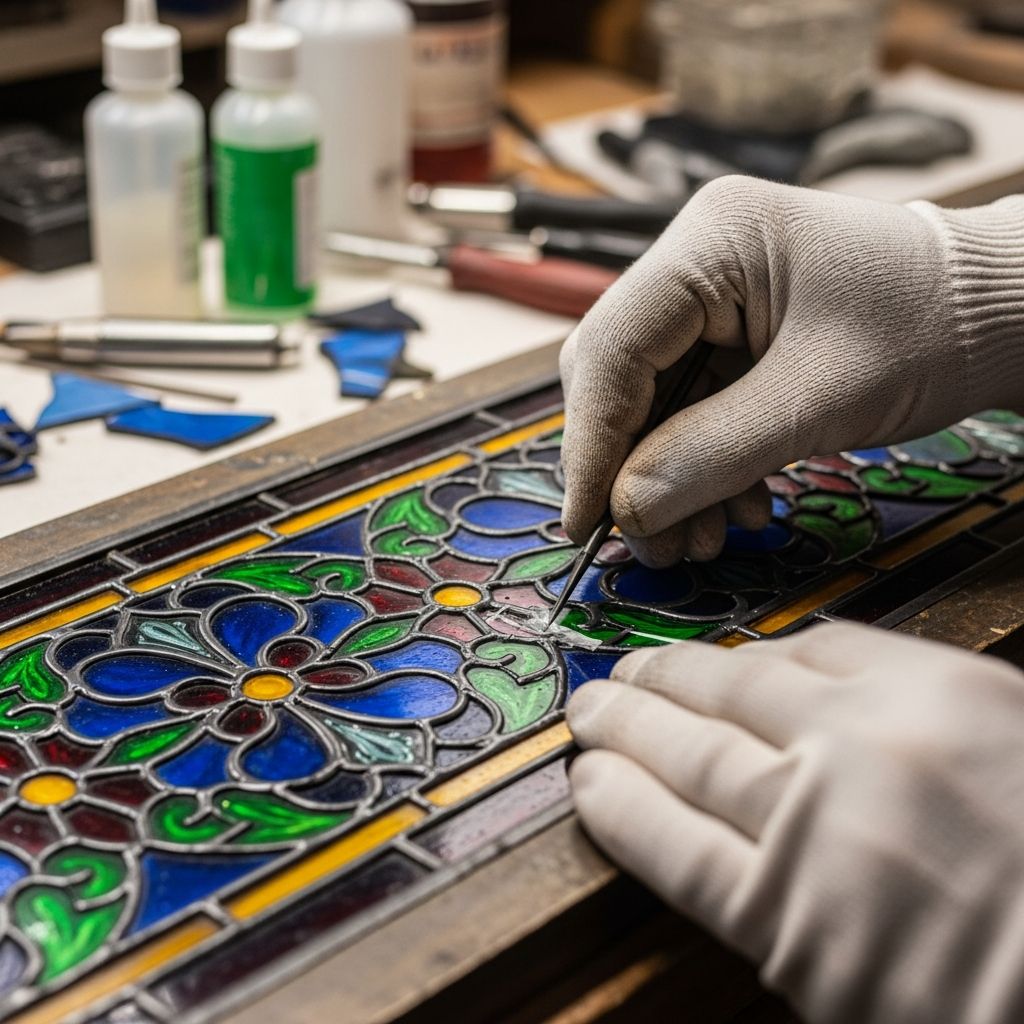
For pieces with cracks that haven’t separated into distinct fragments, the repair process focuses on filling and sealing the damaged area. Apply your chosen adhesive directly into the crack, working carefully to ensure complete penetration without excess product. Use a small applicator tip or syringe-style applicator to direct adhesive into the crack interior. For hairline cracks, capillary action often draws adhesive into the damage automatically.
Once you’ve applied adhesive, carefully wipe away any excess material from the glass surface using a slightly dampened cloth. This prevents the adhesive from creating unsightly hardened residue that will be visible in the final product. Some specialized windshield repair kits include curing strips that help maintain proper adhesive distribution during the hardening process. Apply these strips according to the product instructions if using resin-based adhesives.
Reassembling Separated Fragments
When your decorative glass has fractured into separate pieces, reassembly requires a systematic approach. Begin with your dry fit arrangement and identify the two largest or most structurally important pieces as your starting point. Apply a thin, even bead of adhesive to one mating surface. Avoid excess adhesive, as this will ooze out when you press pieces together and create a messy appearance.
Position the pieces carefully, aligning them precisely before pressure is applied. For glass-to-glass bonds, light finger pressure typically suffices for initial contact. Use clamping devices such as specialized glass clamps, C-clamps, or even heavy-duty clothespins to hold pieces in alignment during curing. Protect the glass surface from damage by placing cloth between the clamping device and the glass.
Work methodically, adding additional fragments one at a time once previous sections have begun to cure. This staged approach prevents you from managing too many pieces simultaneously and reduces the risk of misalignment. Allow each stage to cure partially before adding the next fragment.
Curing and Setting Procedures
Proper curing is essential for achieving maximum bond strength. Different adhesive types have different curing requirements, and rushing this process will result in a weak repair that fails under stress. Always follow the manufacturer’s specific curing instructions provided with your chosen adhesive.
Specialized glass adhesives typically require between 24 and 48 hours for complete curing, though initial set times may be much shorter. During this period, avoid handling or stressing the repaired piece. Two-part epoxies cure through chemical reaction and usually require no special conditions beyond keeping the assembly undisturbed. UV-curing resins require exposure to ultraviolet light or a specialized UV lamp, with curing times typically ranging from 5 to 15 minutes depending on light intensity and product formulation.
Temperature and humidity can affect curing times for many adhesive products. Most formulations cure optimally at room temperature between 65 and 75 degrees Fahrenheit. Avoid exposing your repair to extreme heat or cold during the curing period, as this can compromise bond formation. Similarly, high humidity can interfere with certain adhesive types, while other products actually benefit from ambient moisture.
Finishing and Surface Refinement
After curing is complete, your repaired decorative glass may benefit from finishing touches that enhance the appearance and durability of the restoration. These final steps often determine whether the repair is barely noticeable or clearly visible.
Excess adhesive or residue should be carefully removed once fully cured. For most adhesive types, a straight razor blade held at a shallow angle can scrape away hardened material without damaging the underlying glass. Exercise caution to avoid scratching the glass surface or cutting yourself. Wear gloves during this process for additional protection. Follow blade removal with careful cleaning using appropriate glass cleaner and a lint-free cloth to restore transparency and shine to the repaired area.
For repairs on decorative glass with ornamental details or special finishes, consider whether additional protective treatments would be beneficial. Some glass pieces benefit from application of a clear protective coating that seals the repair and provides additional durability. Consult with specialists if your glass piece has special coatings, gilding, or finishes that might be affected by cleaning or protective treatments.
When Professional Restoration Is Necessary
While many decorative glass repairs are suitable for DIY restoration, some situations warrant professional intervention. Extensive damage affecting structural integrity, valuable antique pieces, or glass with specialized coatings or decorative elements should be evaluated by professionals before attempting repair.
Professional glass restoration specialists possess equipment, materials, and expertise beyond what’s available to homeowners. They can address complex repairs that might be risky for untrained individuals and can often match original finishes or decorative elements that DIY repairs cannot. The cost of professional restoration is often far less than replacement, especially for valuable or difficult-to-replace pieces.
Common Mistakes to Avoid
Several common errors compromise the success of DIY glass repairs. Using incorrect adhesive products is perhaps the most frequent mistake—applying standard construction glue or craft adhesives to glass typically results in weak, discolored, or failed bonds. Always select adhesives specifically formulated for glass surfaces.
Insufficient surface preparation creates another common failure point. Attempting to bond dirty or damp glass surfaces guarantees poor adhesive performance. Similarly, failing to allow adequate curing time before handling or stressing the repair undermines the bond strength that the adhesive could otherwise provide. Following manufacturer instructions precisely regarding curing times and environmental conditions is essential.
Over-application of adhesive causes aesthetic and functional problems. Excess material squeezes out during assembly and hardens as visible lines around the repair. Additionally, excess adhesive can enter hairline cracks and create obscuring residue. Using minimal, precise amounts of adhesive produces superior results.
Frequently Asked Questions
Can all types of decorative glass be repaired?
Most decorative glass pieces can be repaired, but success depends on the extent of damage and glass type. Small cracks, clean breaks, and minor chips are excellent candidates. Extensive shattering, damage affecting load-bearing areas, or damage to specialized glass types may not be repairable through DIY methods.
How long does a glass repair typically last?
Properly executed repairs using quality specialized adhesives can last indefinitely, though longevity depends on stress placed on the repair. Decorative pieces that aren’t subject to significant physical stress often maintain repairs for decades.
Will my repair be noticeable?
Repairs executed with specialized glass adhesives that cure clear and crystal-transparent are often barely visible once complete and cleaned. The visibility depends on the size and location of damage, lighting conditions, and the specific adhesive used.
Is it safe to repair and use damaged decorative glassware?
Repaired glassware can be safely used if the repair is complete and has fully cured. However, dishes or containers used for food or beverages should be carefully considered—some adhesives, while non-toxic when cured, may be better suited to non-food applications. Always verify that your chosen adhesive is food-safe if needed.
What if my first repair attempt fails?
If an initial repair fails, carefully clean away all remnants of the old adhesive using appropriate solvents before attempting a new repair with the same or different adhesive. Remnants of old adhesive prevent proper bonding and should always be removed.
Conclusion: Extending the Life of Valued Pieces
The ability to restore cracked decorative glass offers both practical and emotional benefits. Rather than discarding damaged pieces, DIY restoration provides an opportunity to preserve items of sentimental or aesthetic value. With proper materials, careful technique, and patience, most homeowners can successfully repair decorative glass and restore pieces to their former beauty. By following the procedures outlined in this guide, prioritizing safety, and selecting appropriate adhesives, your glass restoration project is likely to succeed and result in a durable repair that preserves your treasured pieces.
References
- How to Fix Cracked Glass Without Replacing It — Loctite Consumer Australia. 2024. https://www.loctite-consumer.com.au/ideas/repair-diy-projects/how-to-fix-cracked-glass-without-replacing-it.html
- How to Fix a Broken or Cracked Window Glass — Fab Glass and Mirror. 2024. https://www.fabglassandmirror.com/blog/how-to-fix-a-broken-or-cracked-window-glass/
- Repair Your Broken, Cracked, Or Curved Glass With Renee Romeo — YouTube/The Spangler Effect. 2024. https://www.youtube.com/watch?v=R0IQdynKu_E
Similar Articles



Read full bio of Sneha Tete