Restore Plexiglass: Scratch Removal Guide
Discover proven techniques to eliminate scratches from plexiglass and bring back its crystal-clear shine without professional help.
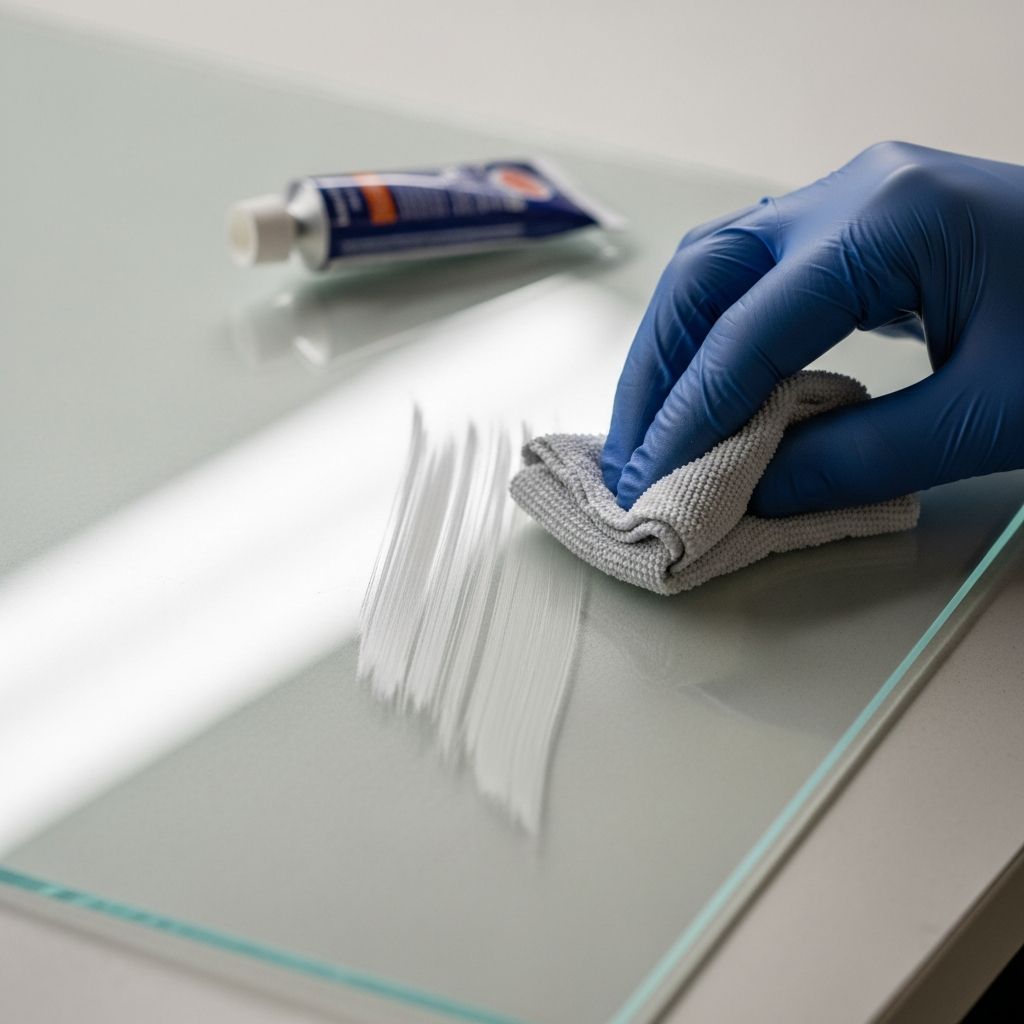
Plexiglass, also known as acrylic or Perspex, offers durability and clarity for applications like protective barriers, windows, displays, and furniture. However, everyday wear from cleaning, impacts, or abrasion can leave unsightly scratches that cloud its transparency. Fortunately, most surface-level damage can be addressed with household or easily sourced materials, restoring the material’s original luster without costly replacements. This guide details effective, tested approaches for different scratch severities, drawing from practical methods used by fabricators and homeowners alike.
Understanding Plexiglass and Scratch Types
Plexiglass is a thermoplastic polymer far softer than glass, making it prone to scratches from dust particles, rough cloths, or tools. Scratches fall into categories: light surface marks visible under light but smooth to touch; medium grooves felt by fingernail; and deep gashes exceeding 5mm, often requiring replacement as polishing weakens the structure.
Assess damage first: run a fingernail across the mark. If it catches, it’s deeper than surface level. Always test methods on an inconspicuous area, as over-sanding thins the material and risks cracking.
Essential Tools and Materials for Plexiglass Restoration
Gather these items before starting to ensure smooth progress:
- Soft microfiber cloths or cotton rags for cleaning and buffing
- Acrylic-specific polish (e.g., Novus #2 or VuPlex)
- Wet/dry sandpaper grits: 400, 600, 800, 1000, 1200, 1500
- Dish soap or acrylic cleaner
- Buffing compound or plastic rouge
- Low-speed power buffer (optional, for large areas)
- Clear nail polish or scratch filler (for temporary fixes)
Water for wet sanding prevents clogging and heat buildup, which can warp plexiglass.
Step-by-Step: Removing Light Surface Scratches
Shallow marks from fingerprints or soft cloths respond best to polishing alone, preserving material thickness.
- Clean Thoroughly: Mix mild dish soap with warm water. Wipe the surface gently, avoiding paper towels that can scratch further. Rinse and dry with a microfiber cloth.
- Apply Polish: Dab acrylic polish on a soft cloth. Rub in small circular motions over the scratch for 1-2 minutes with moderate pressure. The abrasives fill microscopic gaps and smooth the surface.
- Buff and Inspect: Wipe off residue. Check under light; repeat if haze remains. For shine, follow with a finer polish like Novus #1.
This method often yields results in under 10 minutes, ideal for display cases or eyewear lenses.
Addressing Medium Scratches with Wet Sanding
Fingernail-catching scratches need progressive abrasion to level the surface before polishing.
| Step | Grit Level | Technique | Duration |
|---|---|---|---|
| 1. Initial Sand | 600-800 | Wet sand in circles; alternate wet/dry sheets | 2-3 min |
| 2. Refine | 1000-1200 | Continue circling until smooth | 3-5 min |
| 3. Final Buff | 1500 | Light passes; rinse frequently | 1-2 min |
Soak sandpaper in water first. Use soapy water to lubricate, sanding only the damaged spot plus a 1-inch border to blend. The surface may fog temporarily—this haze lifts with finer grits. After sanding, clean and apply polish as in light scratch removal. Expect 15-30 minutes per area.
Advanced Repair for Deeper Imperfections
Scratches beyond 2-3mm demand caution, as aggressive sanding removes material. Start coarser but progress quickly to fine grits.
- Prep Deep Areas: For grooves, use 400 grit wet initially, working outward in circles. Wipe dry periodically to gauge progress.
- Multi-Stage Progression: 400 → 600 → 800 → 1200 → 1500. Each stage 2-3 minutes. Machine buffing with a cloth wheel and rouge accelerates for flat panels.
- Finishing: Plastic buffing compound on a soft wheel at low RPM (under 2000). Hand buff if no tools available.
Aviation enthusiasts report success on windshields using this sequence, followed by metal polish for clarity. Avoid if scratch exceeds 5mm—opt for replacement to maintain strength.
Alternative Quick Fixes for Minor Blemishes
Not all scratches need full refinishing. Temporary solutions include:
- Nail Polish: Fill groove with clear polish, let dry 1 hour, buff excess with remover-dampened cloth. Hides but doesn’t remove damage.
- Commercial Kits: Pre-packaged fillers with pads polish light marks efficiently. Follow kit instructions to avoid over-application.
- Pumice or Toothpaste: Non-gel white toothpaste works like mild abrasive for glass-like surfaces; rub 30 seconds, rinse, repeat.
These suit renters or low-traffic items but fade over time.
Repairing Cracks and Structural Damage
Beyond scratches, hairline cracks compromise integrity. For small ones:
- Cut a patch slightly larger from scrap plexiglass.
- Apply acrylic solvent cement precisely with syringe; clamp edges 24 hours.
- Sand/polish as above once cured.
Large cracks warrant professional help or full sheet replacement.
Safety Precautions and Best Practices
Plexiglass dust is fine—work in ventilated areas, wear masks and gloves. Never dry sand to avoid static and melting. Test polishes for compatibility. Prevent future scratches with microfiber cleaning, anti-static sprays, and avoiding ammonia-based cleaners that cloud acrylic.
For large installations like barriers, power tools speed work but risk heat damage—keep speeds low.
When to Call Professionals or Replace
If DIY fails or damage affects safety (e.g., barriers, visors), consult fabricators. Signs for replacement: persistent deep scratches, crazing (web-like cracks), yellowing, or UV degradation. New plexiglass costs less than liability risks.
Frequently Asked Questions (FAQs)
Can I use regular glass polish on plexiglass?
No—it’s too aggressive and causes hazing. Stick to acrylic formulas.
How long does polishing last?
Indefinitely if maintained properly; reapply polish yearly for high-use items.
Does sanding weaken plexiglass?
Minimally for surface work; deep removal reduces impact resistance.
What’s the best polish brand?
Novus or VuPlex excel for hand application; test locally.
Can I fix scratches on curved plexiglass?
Yes, but carefully—hand methods prevent flat spots.
Maintenance Tips for Long-Lasting Clarity
Weekly: Dust with compressed air, wipe with soapy water. Monthly: Apply anti-static polish. Store vertically to avoid pressure marks. UV protectants extend life outdoors.
References
- How To Repair Plexiglass Scratches — AGC Signs. 2023. https://www.agcsigns.com/blog/plexiglass-repair-how-to-repair-plexiglass-scratches
- 5 Easy Ways To Remove Scratches From a Glass Window — This Old House. 2023. https://www.thisoldhouse.com/windows/how-to-remove-scratches-from-glass
- How To Remove Scratches From Acrylic — The Plastic People. 2023. https://www.theplasticpeople.co.uk/blog/remove-scratches-from-acrylic/
- Has anyone ever removed scratches from plexiglass? — Van’s Air Force. 2010. https://vansairforce.net/threads/has-anyone-ever-removed-scratches-from-plexiglass.51438/
- Acrylic scratch removal novus method — Modelmakers Inc. (YouTube). 2015. https://www.youtube.com/watch?v=rzl-qF7UcEo
- Polishing acrylic to remove scratches, haziness and opacity — Modelmakers Inc. (YouTube). 2015. https://www.youtube.com/watch?v=mg4jnn3GaaQ
Similar Articles



Read full bio of Sneha Tete