Restore Your Toilet Bowl: Complete Refinishing Guide
Master the art of toilet bowl refinishing to extend its life, save money, and achieve a like-new finish with our detailed DIY steps.
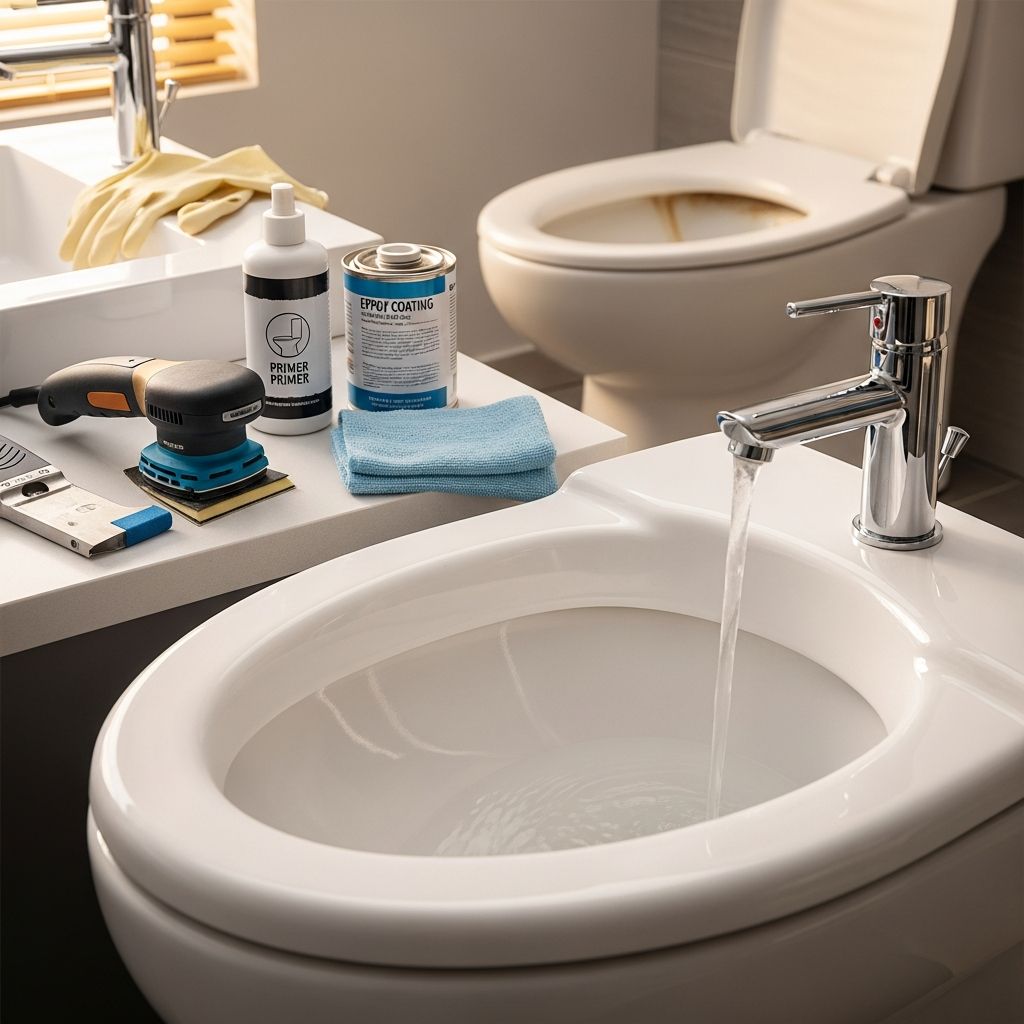
Refinishing a toilet bowl breathes new life into an aging fixture, addressing common issues like cracks, chips, stains, and mineral buildup without the expense of replacement. This process involves meticulous preparation, targeted repairs, and the application of specialized coatings to restore smoothness and functionality. Homeowners can achieve professional-grade results with the right tools and techniques, extending the toilet’s lifespan by years.
Why Refinish Instead of Replace?
Toilet bowls endure constant exposure to water, chemicals, and abrasion, leading to surface degradation over time.
Refinishing
preserves the original porcelain or ceramic structure while creating a protective barrier against further wear. Benefits include cost savings—often under $100 for materials versus $200+ for a new unit—environmental advantages from reduced waste, and customized finishes that match your bathroom aesthetic.Common problems like hairline cracks from thermal stress, deep chips from dropped objects, or etched surfaces from harsh cleaners make refinishing essential. Professional services charge $300–$500, but DIY methods yield similar durability when executed properly.
Essential Tools and Materials for Success
Gathering supplies upfront ensures a smooth workflow. Focus on high-quality, porcelain-compatible products for adhesion and longevity.
- Cleaning agents: Trisodium phosphate (TSP) substitute, dish soap, white vinegar for mineral removal.
- Abrasives: Sandpaper grits from 120 to 1500 (wet/dry), pumice stone, Scotch-Brite pads.
- Repair fillers: Epoxy putty or Bondo for chips/cracks, fiberglass resin for larger damages.
- Coatings: Epoxy enamel paint, porcelain refinishing kits (e.g., roll-on or spray), hardener, thinner.
- Application tools: Foam rollers (4-inch), paintbrushes, spray gun (optional), mixing cups.
- Protection: Gloves, respirator mask, drop cloths, masking tape, painter’s plastic.
- Miscellaneous: Razor blades, paper towels, vacuum with hose attachment.
Invest in a refinishing kit designed for sanitary ware, which includes pre-mixed formulas for optimal bonding to glossy surfaces.
Step-by-Step Preparation: The Foundation of a Flawless Finish
Preparation accounts for 70% of success in refinishing. Skipping steps leads to peeling or uneven coatings.
1. Shut Off Water and Empty the Bowl
Turn off the water supply valve behind the toilet and flush to drain the tank and bowl. Use a sponge to absorb residual water, then stuff rags into the trapway to block sewer gases. Allow 24 hours for complete drying—moisture trapped beneath the coating causes bubbling.
2. Deep Clean Every Surface
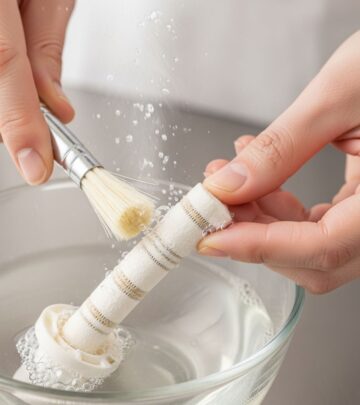
Apply a heavy-duty bowl cleaner and scrub vigorously with a non-scratch pad, focusing on under-rim jets where buildup hides. Rinse thoroughly, then wipe with TSP solution to degrease. For stubborn stains, soak in vinegar overnight. Vacuum dust and dry completely with microfiber cloths.
3. Remove Hardware and Mask Surrounding Areas
Tape off the base, floor, and tank meticulously. Cover the seat hinges and bolts with plastic. Protect the drain opening with a rag dam to prevent filler or paint intrusion.
4. Inspect and Repair Damages
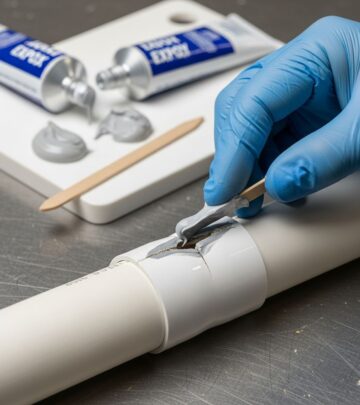
Examine the bowl for imperfections under bright light. For chips, mix epoxy filler with hardener (golf ball-sized filler to 1-inch hardener ratio), press into voids, and overfill slightly. Let cure for 1 hour, then sand progressively: 120-grit for bulk removal, 180, 240, 320, finishing with 600-1500 wet sanding for smoothness.
| Damage Type | Repair Method | Curing Time | Sanding Sequence |
|---|---|---|---|
| Small Chips (<1/4 inch) | Epoxy Putty | 1 Hour | 320 → 600 Wet |
| Cracks/Hairline | Fiberglass Resin | 2 Hours | 120 → 1500 Wet |
| Deep Etching | Bondo Filler | 30 Min | 180 → 320 → Polish |
Mastering the Coating Application
The coating phase transforms the surface. Choose between roll-on for DIY ease or spray for seamless pros.
Roll-On Method for Beginners
Mix the refinishing compound per instructions, typically 2:1 base to hardener. Pour into a tray and apply thin coats with a foam roller in sections, working from rim downward. Overlap strokes by 50% to avoid lap marks. Allow 1-hour flash time between 2-3 coats. Maintain 72–78°F room temperature for proper curing.
Spray Application for Pros
Match paint color by blending whites (start bright, add gray tint gradually). Thin to spray consistency, add 1/3 volume hardener. Wipe surface with thinner, wait 5 minutes, then apply light mist coats, building 4-6 layers. Let cure overnight before wet sanding overspray with 1500-grit.
A pro tip: Apply an adhesion promoter first on glossy porcelain to enhance bonding, preventing flaking from daily use.
Curing, Finishing, and Reassembly
After final coat, seal the bathroom for 24-48 hours—no entry to avoid dust. Lightly wet sand any imperfections, then buff with a microfiber cloth for gloss. Reinstall hardware, remove tape, turn on water, and test for leaks. Full cure takes 72 hours; avoid use during this period.
Pro Tips for Long-Lasting Results
- Work in a dust-free environment: Vacuum floors and close windows.
- Test coating on a hidden area for color match.
- Use only toilet-safe cleaners post-refinish to prevent etching.
- For jet holes, use a thin brush or pipe cleaner for precision.
- Annual maintenance: Vinegar rinses keep minerals at bay.
Common Mistakes and How to Avoid Them
Rushing prep: Leads to poor adhesion—always sand to a matte finish.
Thick coats: Causes runs; thin layers dry faster and bond better.
Humidity issues: Above 60% delays curing; use a dehumidifier.
Color mismatch: Mix incrementally and test spray on cardboard.
Frequently Asked Questions (FAQs)
Can I refinish a one-piece toilet?
Yes, but mask the tank and seat carefully. Focus only on the bowl interior.
How long does a refinished bowl last?
5-10 years with proper care, comparable to new porcelain.
Is refinishing safe for septic systems?
Absolutely—overspray or drips are minimal, and materials are non-toxic once cured.
What if the damage is too severe?
Assess flange integrity; replacement may be safer for structural cracks.
Can I paint over existing stains without sanding?
No—sanding removes gloss and contaminants for adhesion.
References
- Reglazing a Toilet Bowl: What You Need To Know — Lakewood Tub Reglazing. 2023. https://www.lakewood-tub-reglazing.com/reglazing-a-toilet-bowl-what-you-need-to-know/
- Ceramic Toilet Repair — YouTube (Video Transcript). Accessed 2026. https://www.youtube.com/watch?v=FtJsA9ZbbhM
- The Ultimate Guide to Preparing Your Bathroom for Refinishing — Refinished Bath Solutions. 2024. https://refinishedbathsolutions.com/blogs/news/the-ultimate-guide-to-preparing-your-bathroom-for-refinishing
- How to Replace, Repair & Re-attach Your Toilet — Oatey (Official Plumbing Guide). 2025-01-10. https://www.oatey.com/resources/project-guides/how-replace-repair-re-attach-your-toilet
- How to refinish/repair/fix damaged ceramic toilet from drain cleaner — YouTube (Video Transcript). Accessed 2026. https://www.youtube.com/watch?v=hHXxDLCSL7I
Similar Articles








Read full bio of Sneha Tete