Restoring Baking Sheets: Complete Cleaning Guide
Master the art of cleaning baked-on residue from baking sheets using proven techniques and household ingredients.
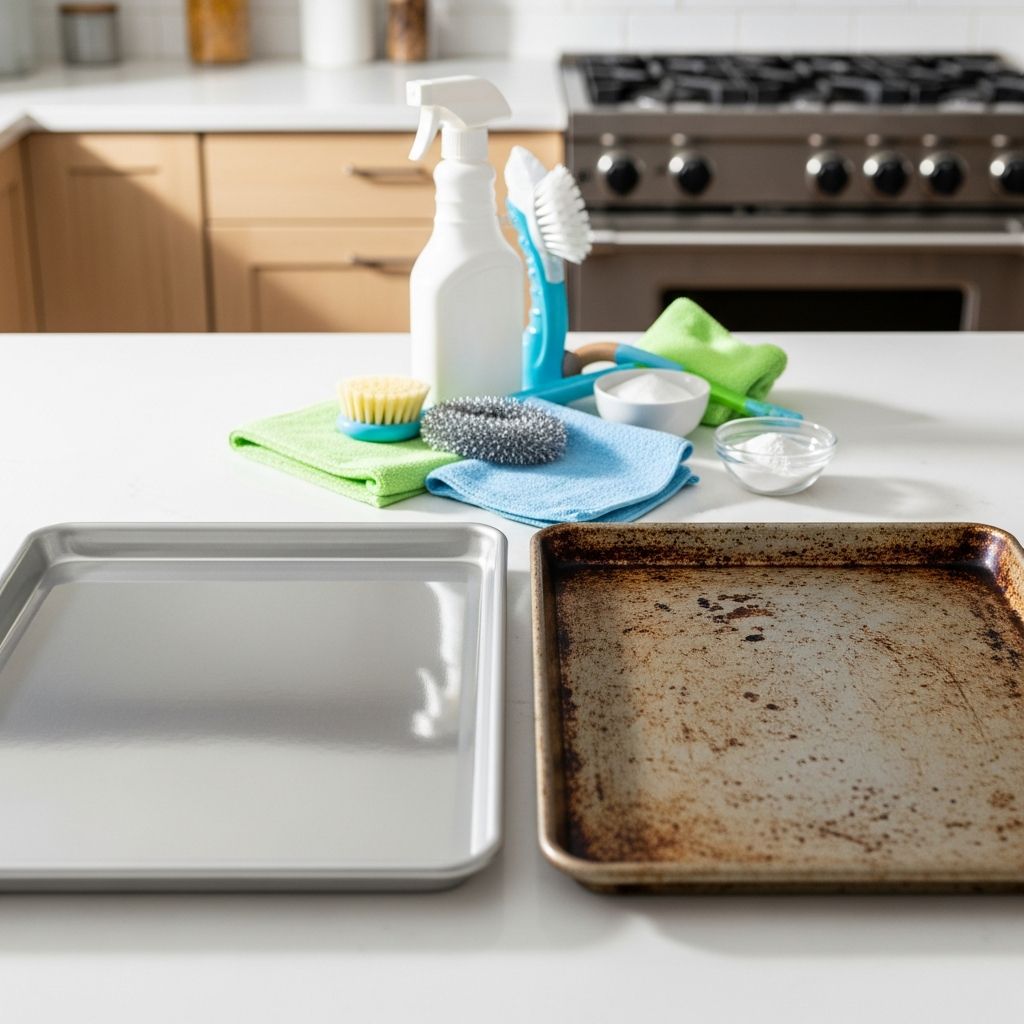
Restoring Your Baking Sheets: A Comprehensive Cleaning Strategy
Baking sheets endure constant use in home kitchens, serving as reliable vessels for roasted vegetables, baked goods, and countless other culinary creations. Despite their durability, these essential tools accumulate stubborn residue that can seem nearly impossible to remove. The challenge of cleaning baking sheets has frustrated cooks for generations, yet modern techniques and household ingredients offer practical solutions that actually work.
Understanding Why Baking Sheets Get So Dirty
The difficulty in cleaning baking sheets stems from how food behaves during the cooking process. High heat causes proteins, sugars, and fats to bond chemically with the metal surface, creating a stubborn layer that simple rinsing cannot remove. When you bake or roast items directly on a sheet, the drippings and splatters harden into a nearly permanent coating. Professional chefs recognize this challenge as an inherent part of using these versatile pans regularly.
Understanding the composition of what needs to be removed helps you choose the right cleaning approach. Sugar-based residue requires different treatment than protein-based buildup or grease accumulation. Most baking sheets encounter a combination of these substances, making comprehensive cleaning strategies essential.
The Power of Strategic Soaking
One of the most effective yet underutilized cleaning methods involves patience rather than elbow grease. Professional culinary experts recommend allowing baking sheets to soak overnight in warm water, which permits the hardened food particles to gradually soften and loosen from the metal surface. This technique transforms what appears to be permanent damage into removable residue.
The soaking process works because water gradually penetrates the bond between cooked-on food and the metal, weakening the adhesion. This is particularly effective for sugar-based residues, which dissolve more readily when given adequate time. Rather than attacking stuck-on food immediately with aggressive scrubbing, allowing nature to do much of the work reduces the physical effort required and minimizes the risk of damaging your baking sheets.
For optimal results, fill your sink or a large basin with enough warm water to completely submerge the baking sheets. If space permits, leave them undisturbed for twelve to twenty-four hours. The extended time allows even the most stubborn spots to soften sufficiently for easier removal.
Baking Soda: The Versatile Kitchen Powerhouse
Baking soda stands out as one of the most effective natural cleaning agents for baking sheets, offering both safety and efficiency. This alkaline powder possesses inherent properties that dissolve food residue through chemical action rather than relying solely on abrasive scrubbing. Many professional cooks prefer baking soda-based solutions because they deliver results without the caustic effects of harsher chemicals.
Creating an Effective Baking Soda Paste
Making your own cleaning paste at home requires only two ingredients: baking soda and a small amount of water. Mix these components until you achieve a thick, spreadable consistency that adheres to the baking sheet surface. Apply this paste directly to problem areas and allow it to sit for fifteen to thirty minutes before scrubbing.
The waiting period is crucial, as it gives the alkaline properties of baking soda time to break down stubborn residue. After the paste has had adequate time to work, use a damp sponge or soft-bristled brush to gently scrub the affected areas. The combination of chemical action and gentle mechanical scrubbing removes most residue without scratching the metal.
Advantages of Baking Soda Over Commercial Alternatives
- Non-toxic and safe for families with children and pets
- Significantly less expensive than specialized cleaning products
- Readily available in most household pantries
- Effective on both mild and moderate baking sheet stains
- Leaves no harsh chemical residue that requires additional rinsing
- Gentle on hands when used without gloves
Soap and Water: The Traditional Approach
After soaking has softened the baked-on residue, a simple combination of dish soap and warm water often proves sufficient for final cleaning. Once food particles have begun to loosen, a quality sponge and degreasing dish soap can remove the remaining debris without requiring aggressive scrubbing or specialized products.
This method works best following an adequate soaking period, as the preliminary softening of food particles makes the subsequent washing phase far more effective. Hot water enhances the degreasing properties of dish soap, making warm or hot water preferable to cold when performing this final cleaning stage.
The effectiveness of this traditional approach explains why professional kitchens often employ it as a standard procedure. Its simplicity, accessibility, and consistent results make it ideal for routine cleaning between more intensive deep-cleaning sessions.
Advanced Cleaning Methods for Stubborn Residue
When soaking, baking soda, and soap prove insufficient, additional tactics can address the most stubborn baking sheet stains. Professional chefs and kitchen experts employ stronger methods that require more care and attention but deliver impressive results.
Steel Wool and Abrasive Cleaners
For baked-on residue that resists gentler methods, steel wool combined with commercial abrasive cleaners provides additional scrubbing power. These tools work through mechanical abrasion rather than chemical action, physically removing stubborn particles from the baking sheet surface.
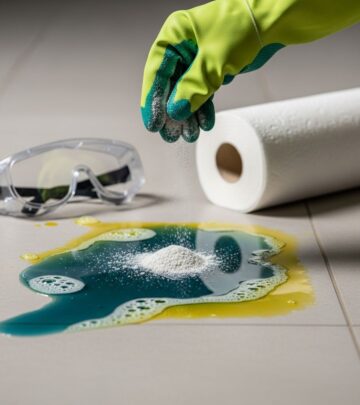
Bar Keeper’s Friend represents one of the most popular professional-grade products for this application. Its formula contains oxalic acid, a natural compound that breaks down stubborn stains at the molecular level while the powder’s gritty texture provides mechanical scrubbing action. This dual approach—chemical dissolution combined with physical abrasion—makes it exceptionally effective on severely stained baking sheets.
Using these more aggressive methods requires protective measures. Always wear rubber gloves when handling powdered abrasive cleaners, as extended skin contact can cause irritation. Ensure adequate ventilation while using these products, and avoid creating dust clouds during application.
Gentler Commercial Alternatives
For those seeking commercial cleaning power without harsh chemicals, newer products offer appealing alternatives. Multipurpose cleaning pastes containing baking soda, quartz, sodium silicate, and soap deliver effective cleaning with reduced caustic effects. These formulations provide the scrubbing power of traditional abrasive cleaners while remaining gentler on hands and the environment.
These paste-based cleaners bridge the gap between natural solutions and industrial-strength products, offering practical middle ground for many home cooks who find traditional products either insufficiently powerful or unnecessarily harsh.
Choosing the Right Baking Sheet Type
The material and construction of your baking sheets significantly influence which cleaning methods you can safely employ. Understanding your pans’ specifications prevents damage while ensuring you can use appropriate cleaning techniques.
Aluminum Restaurant-Style Sheets
Professional kitchens favor basic aluminum rimmed half sheets, which are affordable, durable, and designed to withstand aggressive cleaning. These uncoated, unpretentious pans can endure steel wool scrubbing and harsh abrasive cleaners without damage. Their modest cost eliminates anxiety about inflicting scratches or wear during cleaning.
The advantage of these pans extends beyond just cleaning tolerance. Their working-surface patina actually develops character with use, and many professionals consider this aging process beneficial. Browning and minor scratches pose no functional concern and may even enhance non-stick properties over time.
Coated or Specialty Baking Sheets
Non-stick, ceramic-coated, or silicone-lined baking sheets require gentler cleaning approaches to preserve their specialized surfaces. These pans benefit from soaking and soft-sponge washing with mild dish soap rather than abrasive scrubbing or steel wool application. Aggressive cleaning can damage the protective coatings that make these pans valuable.
For coated baking sheets, baking soda paste applied gently with a soft cloth often provides sufficient cleaning power without risking coating damage. Reserve stronger methods for aluminum uncoated pans that can withstand more aggressive treatment.
Preventive Measures for Easier Cleaning
While effective cleaning methods address existing baking sheet residue, prevention strategies minimize the amount of buildup requiring removal. Implementing simple habits during cooking reduces future cleaning challenges significantly.
- Line baking sheets with parchment paper for foods prone to sticking
- Use silicone baking mats when appropriate for your recipe
- Wipe excess grease or drippings immediately after pan cools
- Soak sheets promptly after use rather than allowing residue to harden completely
- Use appropriate oven temperatures to minimize excessive browning and burning
- Avoid prolonged exposure to extreme heat when alternatives exist
When to Accept Patina Rather Than Pursue Perfection
Professional cooks recognize that aluminum baking sheets naturally develop a patina with regular use. Rather than pursuing perfect shininess through aggressive cleaning, many experts embrace this natural aging as evidence of the pan’s utility and use. Browning, minor scratches, and discoloration pose no functional concerns and may actually improve the pan’s performance characteristics.
This perspective shift removes the stress of maintaining pristine appearance and allows you to focus on functional cleanliness instead. As long as your baking sheets are sanitary and free from loose food particles, aesthetic imperfections matter far less than most home cooks believe.
Common Questions About Baking Sheet Cleaning
Q: How long should I soak my baking sheets before scrubbing?
A: Allow twelve to twenty-four hours for optimal results. Overnight soaking is standard practice among professional chefs, as extended water contact significantly softens stubborn residue and reduces the physical effort required for scrubbing.
Q: Is Bar Keeper’s Friend safe to use regularly?
A: Yes, when used with proper precautions. Always wear rubber gloves to protect your skin from oxalic acid, ensure adequate ventilation, and rinse thoroughly after use. For frequent cleaning, gentler baking soda-based alternatives may be preferable.
Q: Can I use baking soda on non-stick baking sheets?
A: Yes, baking soda paste is gentle enough for non-stick surfaces. Apply gently with a soft cloth or sponge rather than aggressive scrubbing, and avoid steel wool or harsh abrasive cleaners that could damage the protective coating.
Q: Why do some cleaning methods work better than others?
A: Different residue types require different approaches. Sugar-based buildup responds well to soaking and chemical dissolution, while grease requires degreasing agents. Most baking sheets accumulate mixed residue, so combining methods—soaking followed by baking soda or commercial cleaners—often proves most effective.
Q: Should I replace my baking sheets if they become discolored?
A: No. Discoloration and browning are normal with regular use and do not indicate the pan needs replacement. As long as the sheets are structurally sound and clean, cosmetic appearance changes have no impact on functionality or food safety.
Q: What’s the best way to clean baking sheets immediately after use?
A: Allow sheets to cool first, then wipe away excess grease with paper towels. Fill the sink with warm water and let them soak while you finish your meal. This head start on softening residue makes subsequent cleaning much easier.
References
- The Best Way to Clean Baking Sheets, According to a Professional Chef — Mental Floss. 2024. https://www.mentalfloss.com/live-smarter/home/best-way-clean-baking-sheets-according-to-professional-chef
- Bar Keeper’s Friend Product Information — Bar Keeper’s Friend Official. https://www.barkeepersfriendblog.com/
Similar Articles


Read full bio of Sneha Tete