Restoring Dark Grout: Complete Cleaning Guide
Discover proven methods to refresh and maintain dark grout, tackling stains, mold, and grime for a spotless tiled surface.
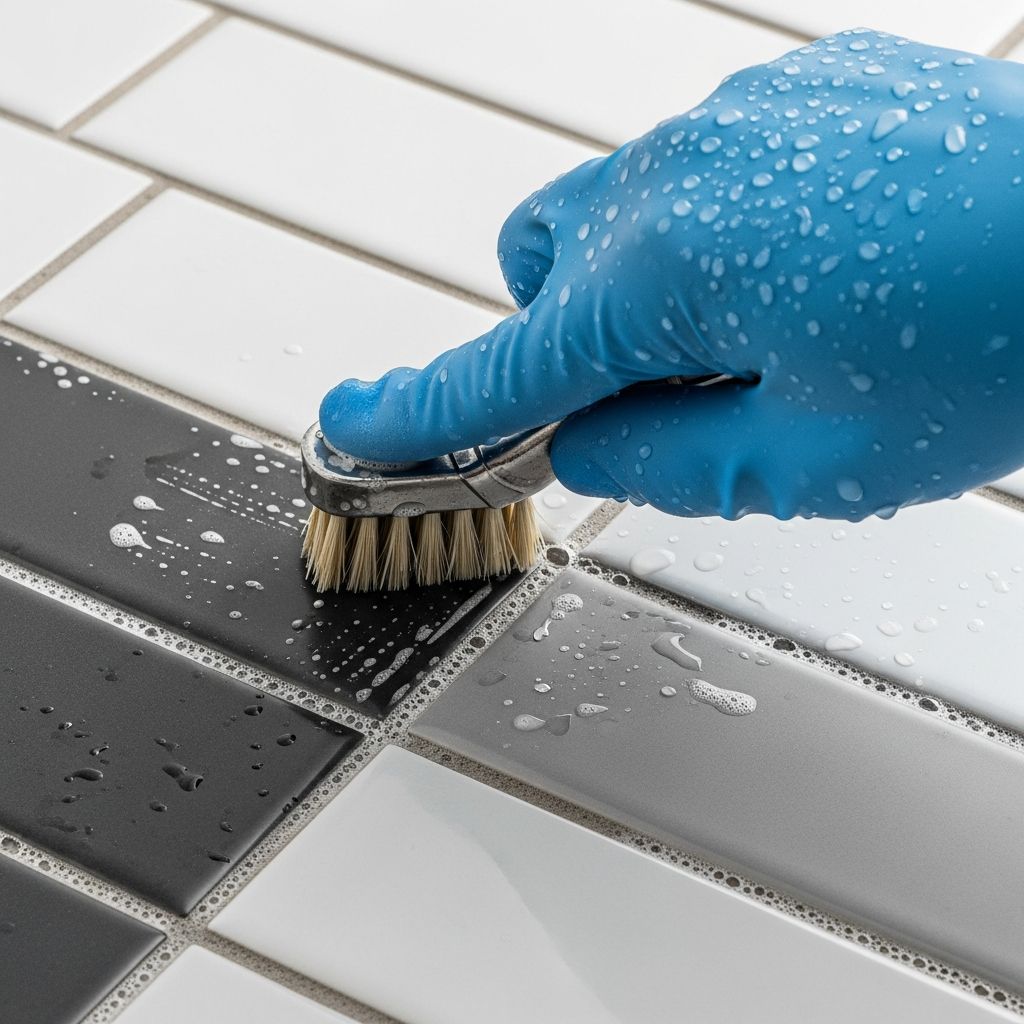
Dark grout provides a stylish contrast to light tiles, enhancing floor and wall aesthetics in kitchens, bathrooms, and entryways. However, its porous nature attracts dirt, mold, and mildew, making it appear faded or stained over time. Regular upkeep prevents these issues, extending the life of your tiled surfaces. This guide explores safe cleaning strategies tailored for dark grout, ensuring color integrity while removing embedded grime.
Understanding Dark Grout Challenges
Dark grout, often black or gray, hides dirt better than light varieties but still accumulates bacteria in moist environments. Unlike white grout, it demands gentle cleaners to avoid fading. Key challenges include oil residues in kitchens, soap scum in showers, and foot traffic soil in hallways. Addressing these promptly maintains hygiene and visual appeal.
- Porosity: Grout absorbs liquids, leading to deep stains.
- Color Sensitivity: Harsh bleaches can lighten dark shades irreversibly.
- Traffic Exposure: High-use areas accelerate wear.
Proactive habits like daily sweeping reduce buildup, making deep cleans easier.
Essential Tools and Supplies for Grout Care
Gather these items before starting: nylon-bristle brushes for scrubbing without scratching, microfiber cloths for residue-free wiping, buckets for solutions, and protective gloves. Specialized tools like grout scrapers handle stubborn layers cautiously.
| Item | Purpose | Why It Works for Dark Grout |
|---|---|---|
| Nylon Brush | Scrubbing lines | Gentle on color, effective on grime |
| Oxygen Bleach | Stain removal | No chlorine fading |
| Baking Soda | Paste base | Abrasive yet non-damaging |
| Steam Cleaner | Deep clean | Chemical-free penetration |
| Grout Sealer | Protection | Repels future dirt |
Daily and Weekly Maintenance Routines
Preventive care keeps dark grout vibrant. Vacuum or sweep tiles daily to eliminate loose particles. Weekly, mop with warm water and mild dish soap, avoiding excess moisture that promotes mold.
- Sweep debris thoroughly.
- Mix 1 tsp dish soap in a gallon of warm water.
- Mop gently, focusing on grout lines.
- Dry with a microfiber cloth to prevent streaks.
This routine, done consistently, minimizes the need for intensive sessions.
Natural Cleaning Mixtures for Everyday Stains
Household staples create powerful, eco-friendly cleaners safe for dark grout. A baking soda paste lifts surface dirt without abrasion.
Baking Soda and Vinegar Method
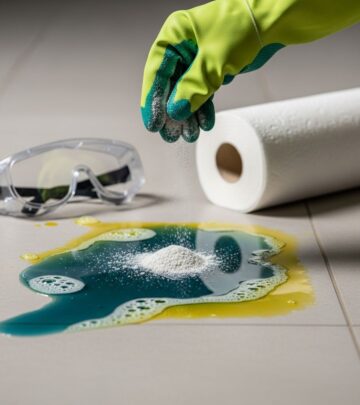
Combine equal parts baking soda and water into a spreadable paste. Apply to grout, wait 10 minutes, then spray white vinegar. The fizzing reaction breaks down grime. Scrub lightly, rinse, and dry.
- Ingredients: ½ cup baking soda, ½ cup water, vinegar spray.
- Time: 20 minutes total.
- Best for: Kitchen grease, bathroom soap scum.
Dish Soap Boosted Paste
Mix warm water, baking soda, and a few drops of dish soap. Pour over vinegar-sprayed lines for enhanced grease-cutting power. Scrub, let sit 5 minutes, scrub again, then wipe clean.
These methods neutralize acids and bases effectively, avoiding grout erosion.
Advanced Solutions for Tough Stains and Mold
Oxygen-Based Bleach Technique
Oxygen bleach dissolves organic stains safely. Dissolve per package in warm water, apply to grout, wait 15-20 minutes, scrub, and rinse. Test first to confirm color fastness.
Steam Cleaning Power
Steam cleaners use heat to loosen debris without chemicals. Direct steam into lines for 5-10 seconds per section, then brush and wipe. Ideal for mold-prone areas like showers.
For severe cases, gently scrape top layers with a grout knife, but avoid overdoing to preserve structure.
Color Refresh and Concealment Options
When cleaning isn’t enough, grout pens restore uniformity. Shake well, trace lines precisely, and dry fully. Perfect for minor discoloration.
Commercial cleaners formulated for colored grout ensure deep cleaning without bleach. Spray, wait 2-3 minutes, scrub, and rinse with warm water.
Sealing Strategies for Long-Term Protection
After cleaning, apply penetrating sealer to repel water and dirt. Clean surface first, apply thinly, dry 3-4 hours, then second coat. Reapply annually, especially in wet zones.
- Choose water-based sealers for dark grout.
- Test on small area.
- Avoid over-application to prevent haze.
Room-Specific Cleaning Approaches
Kitchens: Focus on grease with soap-enhanced pastes.
Bathrooms: Prioritize mold via steam or oxygen bleach.
Entryways: Weekly sweeps plus monthly pastes combat tracked-in soil.
Common Mistakes to Avoid
- Using chlorine bleach: Fades dark colors.
- Excess vinegar: Erodes grout over time.
- Ignoring drying: Leads to mildew.
- Abrasive pads: Scratches surfaces.
Frequently Asked Questions
Can I use vinegar alone on dark grout?
Vinegar works best paired with baking soda; solo use may degrade grout due to acidity.
How often should I deep clean dark grout?
Monthly for high-traffic or wet areas, quarterly elsewhere.
Is steam cleaning safe for all tiles?
Yes for most, but check manufacturer for natural stone.
What if stains persist after cleaning?
Consider professional services or grout replacement for deeply embedded issues.
Does sealing change grout appearance?
Minimal if applied correctly; enhances durability.
Professional Services Overview
For extensive restoration, experts use industrial tools and solutions. They handle large areas efficiently, often including sealing.
References
- How to Clean Black Grout — Grout Works Houston. 2023-05-15. https://groutworkshouston.com/how-to-clean-black-grout/
- How do You Clean Colored Grout Without Destroying the Color — Granite Gold. 2024-02-10. https://granitegold.com/blogs/grout/blog-how-do-you-clean-colored-grout-without-destroying-the-color-or-general-aesthetics
- How to Clean Dirty Grout with Homemade Cleaner — This Old House (YouTube). 2022-08-20. https://www.youtube.com/watch?v=ifeSybjr2RY
Similar Articles







Read full bio of Sneha Tete