Restoring Furniture Finishes: Complete Repair Guide
Master essential techniques to restore and repair damaged wood furniture finishes professionally.
Furniture pieces accumulate wear and damage over time, diminishing their visual appeal and structural integrity. Whether your cherished wooden table has developed a cloudy appearance, your desk has water ring marks, or your dresser shows visible scratches, understanding how to address these common finish problems can extend the life of your furniture while maintaining its beauty. This guide provides practical solutions for restoring damaged finishes using accessible techniques and readily available materials.
Understanding Furniture Finish Degradation
Wood furniture finishes serve both protective and aesthetic purposes. Over time, exposure to environmental factors such as sunlight, temperature fluctuations, humidity, and general use causes finishes to deteriorate. The protective layer that once sealed and beautified your furniture begins to break down, resulting in various visible defects ranging from minor cosmetic issues to more significant structural concerns.
The condition of your furniture’s finish affects not only its appearance but also its ability to resist moisture, stains, and further damage. Addressing finish problems promptly prevents minor issues from developing into major restoration projects requiring complete refinishing.
Revitalizing Lackluster and Dull Surfaces
One of the most common issues furniture owners face is a finish that has lost its original luster and shine. This occurs naturally as protective coatings age and microscopic dust accumulates on the surface. The good news is that restoring shine often requires minimal intervention and expense.
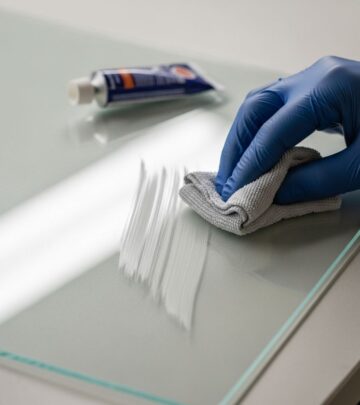
Paste Wax Application Method: The simplest approach to reviving dull finishes involves applying quality paste wax. This method works particularly well for furniture with minor dullness where the underlying finish remains structurally sound. Apply paste wax according to product instructions, typically using a soft cloth in circular motions, then buff to a glossy finish.
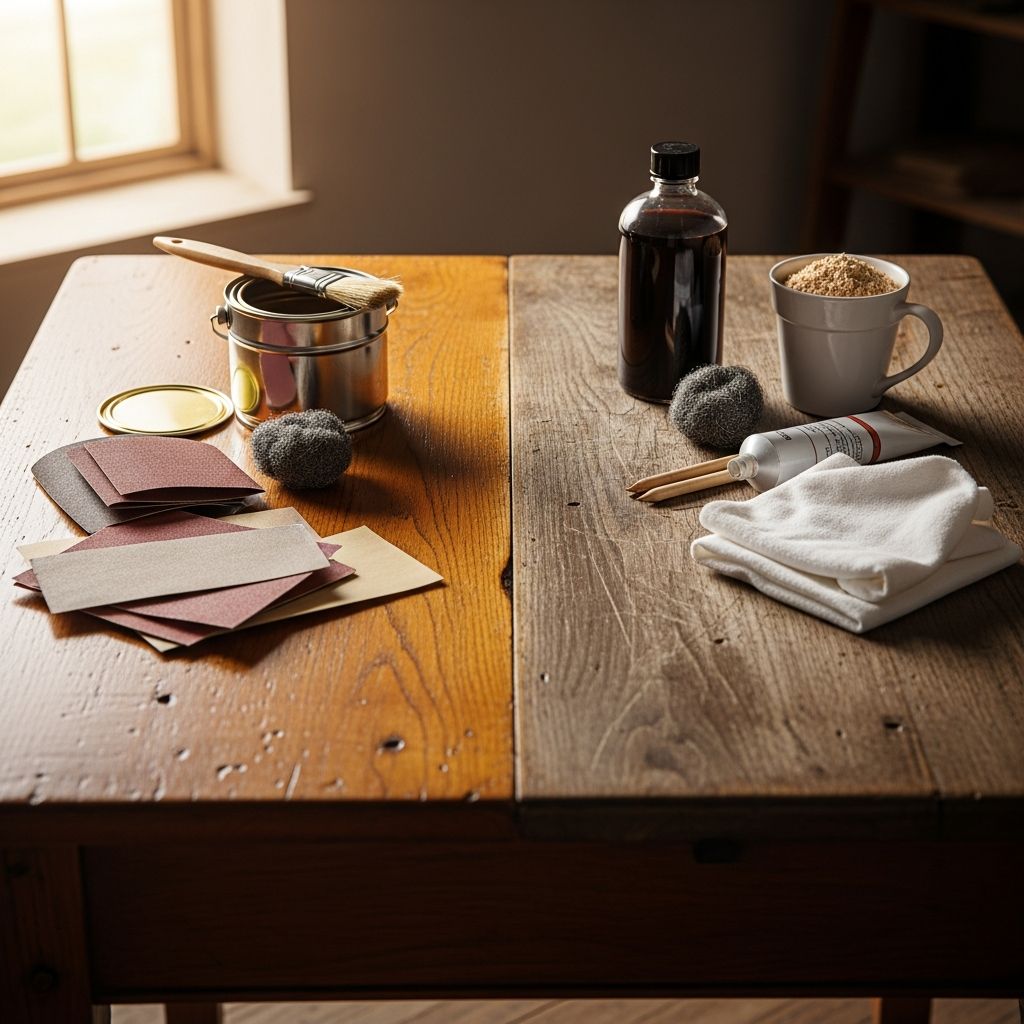
Abrasive Restoration Techniques: For finishes with more pronounced dullness, fine abrasive materials provide effective solutions. Rottenstone, pumice powder, and steel wool represent excellent options for gently abrading away dull surface layers without compromising the finish beneath. The key to success involves lubricating these abrasives with mineral oil or mineral spirits, which reduces friction and prevents excessive material removal. Apply the abrasive lubricant mixture with light pressure and even strokes, monitoring your progress frequently to prevent over-correction.
Complete Recoating: When extensive dullness affects the entire surface or when abrasive methods prove insufficient, recoating the finish provides a comprehensive solution. This approach involves applying a new protective layer over the existing finish, effectively sealing in the dullness while creating a fresh, lustrous surface.
Eliminating Water Damage and White Marks
Water-related damage appears as white or cloudy marks on furniture finishes, typically resulting from condensation rings, spilled beverages, or moisture exposure. These marks often seem permanent, alarming furniture owners. Fortunately, most water damage affects only the surface protective layer rather than the wood beneath.
The restoration process begins with identification. Test whether the mark disappears when you apply mineral spirits with a cloth. If the discoloration vanishes temporarily, you have confirmed surface-level damage that responds well to abrasive treatment.
Use fine abrasives like rottenstone or steel wool combined with mineral oil to gently remove the affected finish layer. Work carefully in the damaged area, using circular motions and light pressure. For severe or widespread water damage, abrading the entire surface ensures uniform appearance and prevents creating noticeable repairs.
Addressing Wax, Crayon, and Adhesive Marks
Furniture frequently accumulates unwanted marks from various sources, including children’s crayon marks, candle wax drips, sticker residue, and tape adhesive. Each type of mark requires a slightly different removal approach.
Crayon Marks: Mineral spirits effectively dissolve crayon waxy residue from finishes. Apply mineral spirits to a soft cloth and gently rub the affected area until the mark disappears. This solvent-based approach removes the crayon without damaging underlying finishes when applied with appropriate care.
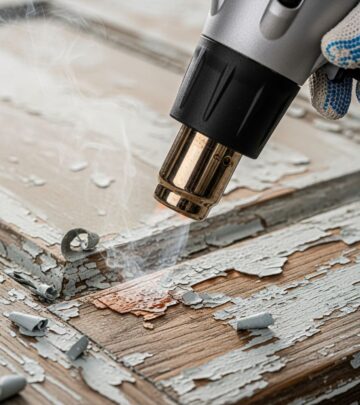
Candle Wax Removal: When candle wax drips onto furniture, resist the urge to immediately scrape. Instead, allow the wax to cool and harden completely, then carefully scrape or freeze the wax to facilitate removal. Once removed physically, clean any remaining residue with mineral spirits or appropriate solvents. Avoid using heat guns, as the concentrated heat can blister and permanently damage finishes.
Sticker and Tape Adhesive: Stickers remove most easily when moistened with water, which softens the adhesive. For stubborn adhesive residue, apply gentle heat from a blow dryer to further soften the material, then carefully remove it. For particularly resistant adhesive, specialized solvents including naphtha, toluene, or xylene dissolve stubborn residue. Apply these solvents cautiously, following product safety instructions, and test on inconspicuous areas first.
Repairing Scratches and Minor Surface Imperfections
Scratches range from barely visible surface marks to deep gouges that expose wood beneath the finish. Surface-level scratches typically respond well to mechanical and chemical treatments without requiring complete refinishing.
Shallow Scratch Treatment: Light scratches respond effectively to sanding with appropriate grit sandpaper. Determine the depth and severity by running your fingernail across the scratch. If your nail catches slightly, the scratch merits abrasive treatment. Use stearated sandpaper for dry sanding or wet/dry sandpaper with lubricant for damp sanding. Progress gradually from coarser to finer grits, monitoring your progress carefully to prevent over-sanding and creating uneven surfaces.
Color Matching and Touch-Up: After sanding shallow scratches, assess whether the wood grain or color layer has been compromised. Minor scratches may require only finish reapplication, while deeper marks might need color restoration before sealing.
Restoring Missing or Damaged Color
Some furniture damage affects not only the protective finish but also the stain or color layer beneath. Successful color restoration requires careful matching and skillful application.
Color Matching Process: Begin by testing potential color matches on a separate piece of glass or clear plastic rather than directly on your furniture. This allows experimentation without risking permanent mistakes. Artist’s brushes and concentrated oil or acrylic colors provide control and flexibility during the matching process. Blend colors on the glass surface to achieve precise matches before committing to furniture application.
Application Technique: Use felt-tip markers in appropriately matched colors for small repairs and scuffed edges. Ensure marker color dries completely before applying protective finish. For larger areas, employ artist’s brushes with concentrated colors for superior blending and naturalistic appearance.
Protection and Sealing: After color restoration, protect the repaired area with suitable finishes. Wiping varnish provides excellent protection while maintaining natural appearance, allowing the grain to remain visible. Fast-drying finishes minimize dust collection during curing and speed project completion.
Filling Gouges and Deep Damage with Epoxy
Deep gouges, dents, and structural divots require a different approach than surface scratches. Epoxy filling compounds provide durable solutions for restoring damaged areas structurally while maintaining aesthetic continuity.
Surface Preparation: Before applying epoxy, remove rough edges around the damaged area using light sanding. This creates cleaner borders for epoxy application and reduces the visible repair line.
Epoxy Application: Knead two-part epoxy thoroughly until color becomes completely uniform. Press the mixed epoxy firmly into the gouge or damaged area, slightly overfilling to account for shrinkage during curing. Dampen the epoxy surface lightly with water to facilitate smoothing and prevent sticking to removal tools.
Finishing: Once epoxy hardens, remove excess material and level the repair to match surrounding surfaces. Sand the cured epoxy smooth using progressively finer grits, then apply matching stain or paint as needed to disguise the repair and blend with surrounding finish.
Comprehensive Furniture Restoration Process
Addressing multiple finish problems on a single piece may require a coordinated approach combining several techniques. Understanding the sequential relationship between repairs ensures optimal outcomes and prevents creating new problems while fixing existing ones.
Begin by identifying and assessing all visible damage. Clean the furniture thoroughly to distinguish actual damage from accumulated dirt and debris. Address water damage and adhesive residue first, as these problems often resolve with simple cleaning and mild abrasives.
Next, tackle structural damage including gouges and deep scratches using epoxy filling or wood filler as appropriate. Allow these repairs to cure completely before proceeding to finishing stages.
Color restoration follows structural repairs, ensuring you work with a completely prepared surface. Finally, apply protective finishes or wax to seal and protect all repairs and the surrounding original finish.
Essential Tools and Materials for Finish Restoration
| Repair Type | Primary Materials | Tools Required |
|---|---|---|
| Dull Finish Restoration | Paste wax, mineral oil, rottenstone, steel wool | Soft cloth, lint-free rags |
| Water Damage Removal | Mineral spirits, fine abrasives | Soft cloth, fine steel wool |
| Crayon and Wax Removal | Mineral spirits, naphtha | Soft cloth, scraper tool |
| Scratch Repair | Sandpaper (120-220 grit), colored markers | Sanding block, artist brushes |
| Gouge Filling | Two-part epoxy, wood filler | Putty knife, sanding tools |
| Color Matching | Oil or acrylic colors, clear glass | Artist brushes, felt-tip markers |
| Surface Protection | Paste wax, wiping varnish, fast-drying finish | Lint-free cloth, brush |
Safety Considerations During Furniture Restoration
Working with furniture finishing materials requires attention to safety protocols. Many solvents and chemicals used in restoration produce harmful vapors. Ensure adequate ventilation when working with mineral spirits, naphtha, toluene, or xylene. Consider wearing a respirator mask when exposed to these substances for extended periods.
Vintage furniture often contains lead paint, which presents serious health risks when sanded or abraded. If your furniture predates 1978, assume it may contain lead paint and take appropriate precautions including containment, proper respirators, and careful disposal of dust and debris.
Wear safety glasses when sanding to protect eyes from dust and debris. Use eye protection when working with sprays or chemical applications that might splash.
Frequently Asked Questions About Furniture Finish Repair
Can I repair furniture finishes without professional help?
Yes, most minor and moderate finish damage responds well to do-it-yourself treatment using readily available materials and basic techniques. Simple repairs like removing water marks, applying paste wax, and filling scratches require minimal skill development. More complex projects like complete refinishing may benefit from professional expertise, but many homeowners successfully complete comprehensive restoration projects.
How do I know if a scratch requires epoxy filling or simple touch-up?
Run your fingernail across the damage. If your nail catches or the scratch feels deep enough to trap a fingernail edge, filling with epoxy provides better results. Shallow scratches where the nail passes smoothly over the damage typically respond well to sanding and finish application.
What is the difference between rottenstone and pumice for finish restoration?
Both are fine abrasives suitable for reviving dull finishes. Pumice tends to be slightly more aggressive than rottenstone, making it better for heavier dullness. Rottenstone works effectively for lighter restoration. Test both on inconspicuous areas to determine which performs best for your specific finish.
Can heat guns safely remove candle wax from furniture?
Heat guns are generally not recommended for wax removal as concentrated heat frequently blisters or damages finishes. Physical removal through scraping cold, hardened wax followed by solvent cleaning provides safer, more controllable results.
How long should epoxy cure before sanding and refinishing?
Curing time varies by product formulation. Follow manufacturer instructions carefully, as sanding before complete curing compromises repair durability. Most two-part epoxies require 24 hours minimum before sanding, though some formulations cure faster.
Maintaining Restored Furniture Finishes
Once you have successfully restored your furniture’s finish, maintaining that restored condition preserves your investment and effort. Regular dusting with soft, lint-free cloths prevents dust accumulation that causes dullness. Periodic paste wax applications protect finishes and maintain luster between major restorations.
Minimize exposure to direct sunlight, extreme temperature fluctuations, and excessive humidity, all of which accelerate finish degradation. Use coasters under beverages and protective pads under objects to prevent new water damage and scratches.
By understanding these restoration techniques and implementing preventive maintenance practices, your furniture finishes will maintain their beauty and protective qualities for years to come.
References
- Furniture Restoration: Tips to Restore Damaged Finishes — Popular Woodworking. https://www.popularwoodworking.com/finishing/furniture-restoration-tips-to-restore-damaged-finishes/
- How to Refinish Wood Furniture — Lowe’s Home Improvement. https://www.lowes.com/n/how-to/refinish-wood-furniture
- How to Repair and Refurbish Furniture — Pottery Barn. https://www.potterybarn.com/tips-and-ideas/how-to-repair-and-refurbish-furniture/
- How to Refinish Wood Furniture — Benjamin Moore. https://www.benjaminmoore.com/en-ca/interior-exterior-paints-stains/how-to-advice/interiors/restaining-furniture
- How to Refinish Wood Furniture: A Step-by-Step Guide — French Creek Farmhouse. https://www.frenchcreekfarmhouse.com/2023/10/how-to-refinish-wood-furniture.html
Similar Articles



Read full bio of Sneha Tete