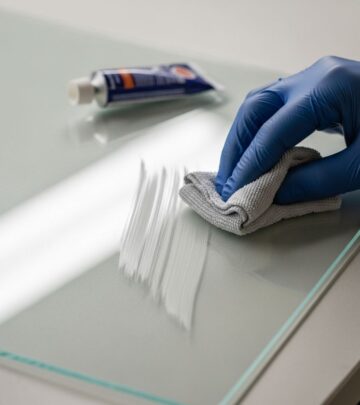
Restoring Mirrors: Removing Backing Paint
Discover safe, effective methods to strip backing paint from mirrors and reveal pristine glass for custom projects.
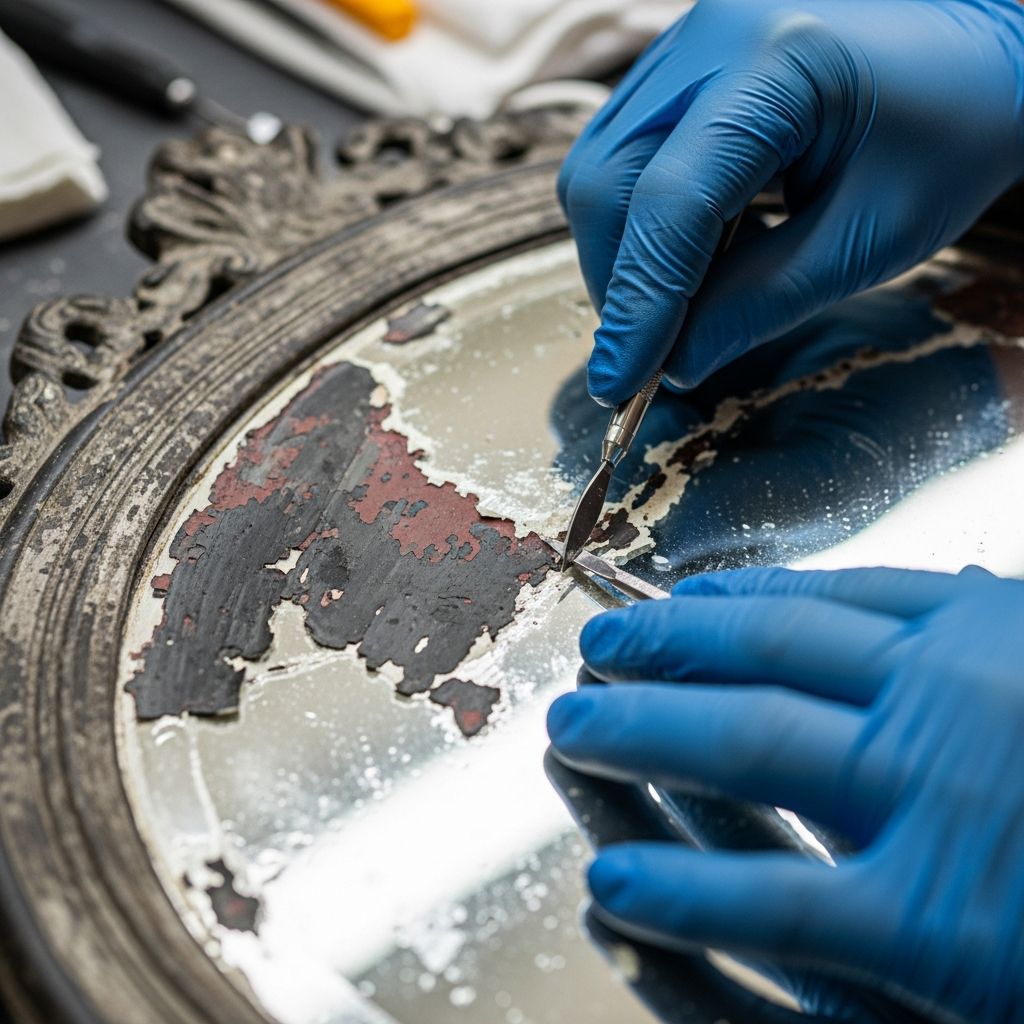
Mirrors often feature a protective paint layer on their reverse side to shield the delicate silvering that creates the reflective surface. Over time, or for creative repurposing, you may need to eliminate this backing paint to expose the silver layer or clear glass beneath. This process demands precision to avoid harming the mirror’s core structure. Whether you’re refurbishing an antique piece or preparing glass for etching designs, understanding the right stripping methods ensures professional outcomes without costly mishaps.
Understanding Mirror Construction
Commercial mirrors consist of multiple layers applied to a glass base. The outermost layer is typically a durable gray or black paint designed to protect against oxidation and handling wear. Beneath it lies a copper coating in some cases, followed by the silver reflective layer directly bonded to the glass. This multi-layered setup makes complete removal challenging but achievable with targeted chemicals and tools.
Identifying your mirror’s age and type is crucial. Older mirrors might have baked-on paint that’s more resilient, while modern ones use solvent-soluble coatings. Test a small inconspicuous area first to gauge reactivity. Proper knowledge of these components prevents accidental damage to the silvering, which could ruin reflectivity if exposed to harsh conditions prematurely.
Essential Tools and Materials
Gathering the correct supplies streamlines the process and minimizes risks. Here’s a curated list of must-haves:
- Chemical strippers: Opt for epoxy or paint removers like Jasco Epoxy Stripper, which targets backing without affecting silver.
- Silver removers: Products such as MSR or mild acids like muriatic for post-paint cleanup.
- Protective gear: Nitrile gloves, safety goggles, respirator mask, and ventilation setup.
- Application tools: Paintbrushes, plastic scrapers, cotton pads, and microfiber cloths.
- Surface prep: Painter’s tape, vinyl masks for designs, and plastic sheeting for workspace protection.
- Cleaning agents: Rubbing alcohol, vinegar, dish soap, and distilled water for residue removal.
Invest in high-quality, fume-rated gloves and ensure your workspace is well-ventilated or outdoors. Avoid metal tools initially to prevent glass scratches.
Preparation Steps for Safe Stripping
Before applying any chemicals, prepare thoroughly to protect surrounding areas and yourself. Lay down plastic sheeting and tape edges of the mirror to contain drips. Clean the back surface with a mild soap solution to remove dust and grease, which can interfere with stripper efficacy.
If working on a framed mirror, remove it if possible to access the full back. For design-specific projects, apply vinyl stencils or masking tape to preserve areas you wish to keep painted. Allow masks to adhere fully for 24 hours. Test strippers on a hidden spot to confirm they don’t seep under masks or etch the silver.
Step-by-Step Guide to Paint Removal
Follow this methodical approach for clean results. Always work in sections for large mirrors to maintain control.
- Apply stripper evenly: Use a brush to coat the paint layer thickly with epoxy stripper. Follow product dwell time, usually 15-30 minutes. Reapply if needed for stubborn coatings.
- Monitor reaction: The paint will bubble and soften. Avoid disturbing until fully activated.
- Scrape gently: Use a plastic scraper at a low angle to lift softened paint. Wipe residue with damp cloths. Repeat for copper layers if present.
- Clean thoroughly: Rinse with water and neutralize with vinegar solution to halt chemical activity.
- Inspect silver layer: If exposing silver for further work, proceed cautiously to avoid oxidation.
For oil-based paints, which are common in protective backings, solvents like citrus-based strippers may require multiple applications but are less aggressive on glass.
Advanced Techniques for Silver Layer Handling
Once paint is gone, the silver may need removal for transparent designs. Use specialized removers like MSR, applied similarly but with extra caution due to acidity. Alternatives include diluted toilet bowl cleaners (e.g., CLR) or bleach solutions, which dissolve silver selectively.
For intricate patterns, reverse stenciling on the back allows selective stripping. Apply vinyl masks, strip exposed areas, then remove silver only where desired. This creates frosted or clear windows in the mirror without etching the front. Post-treatment, seal exposed glass with clear acrylic to prevent future tarnish.
Safety Protocols and Best Practices
Chemical strippers emit strong fumes; use in open air or with exhaust fans. Never mix products, as reactions can produce toxic gases. Dispose of waste per local hazardous material guidelines—most communities have drop-off sites.
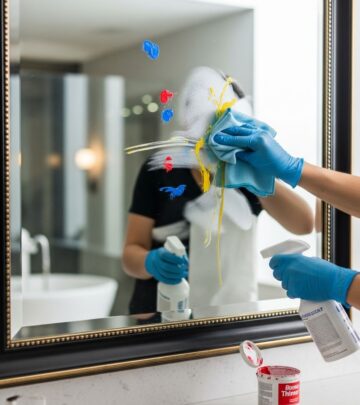
Common pitfalls include dry scraping, which scratches glass, or using metal blades prematurely. Always dampen surfaces first. For latex splatters on the front (not backing), milder methods suffice: warm soapy water followed by alcohol.
| Stripper Type | Best For | Pros | Cons | Dwell Time |
|---|---|---|---|---|
| Jasco Epoxy | Baked-on paint | Silver-safe, effective | Fumes require ventilation | 15-30 min |
| Citri-Strip | General paint | Low odor, eco-friendly | Multiple apps needed | 30-60 min |
| MSR | Silver removal | Precise targeting | Acidic, hazardous | 10-20 min |
Troubleshooting Common Issues
Stripper not working? Increase dwell time or thin with mineral spirits. Mask lifting? Use heavier vinyl and pre-test adhesion. Silver tarnishing? Immediately rinse and dry, then apply anti-tarnish spray.
For heavily layered vintage mirrors, combine mechanical sanding (fine grit, wet) with chemicals after initial softening. Patience yields the best results—rushing leads to imperfections.
Creative Applications Post-Restoration
Exposed silver or clear glass opens doors to custom art. Back-paint designs in acrylics for colored accents. Etch the front for texture, or layer tints for artistic effects. Repurposed mirrors make stunning tabletops, wall decor, or lighting diffusers.
Professional fabricators use these techniques for signage and architectural glass. Home enthusiasts can achieve similar with practice, turning thrift finds into heirlooms.
Maintenance for Longevity
After stripping, protect new backings with high-quality paint or sealants. Avoid direct sunlight on exposed silver to prevent UV degradation. Clean fronts with vinegar-water sprays for streak-free clarity.
Frequently Asked Questions
Can I remove backing paint without chemicals?
Limited success with sanding, but risks scratching silver. Chemicals are safest for full removal.
Is it safe for antique mirrors?
Test small areas; gentle strippers preserve value. Consult restorers for irreplaceables.
What if paint is on the front?
Use non-abrasive methods: soap, alcohol, or plastic scrapers.
How long does the process take?
1-4 hours per square foot, depending on layers and mirror size.
Can I reuse the mirror after stripping?
Yes, reseal or repaint for protection.
This comprehensive guide equips you to tackle mirror restoration confidently. With care, transform dull pieces into sparkling focal points.
References
- Mirror backing removal – Hand Lettering Forum! — Handletteringforum.com. Accessed 2026. https://handletteringforum.com/forum/viewtopic.php?p=4312
- How to Remove Paint from a Mirror — Seattle Green Cleaning Fairy. Accessed 2026. https://www.seattlegreencleaningfairy.com/blog/how-to-remove-paint-from-mirror
- Removing Silver Backing from Glass Mirror — Glass Etching Secrets. Accessed 2026. https://www.glassetchingsecrets.com/blog/removing-silver-backing-mirror/
Similar Articles



Read full bio of medha deb