Restoring Particle Board: Mold Removal Guide
Discover effective strategies to eliminate mold from particle board, safeguard your health, and prevent future outbreaks in your living spaces.
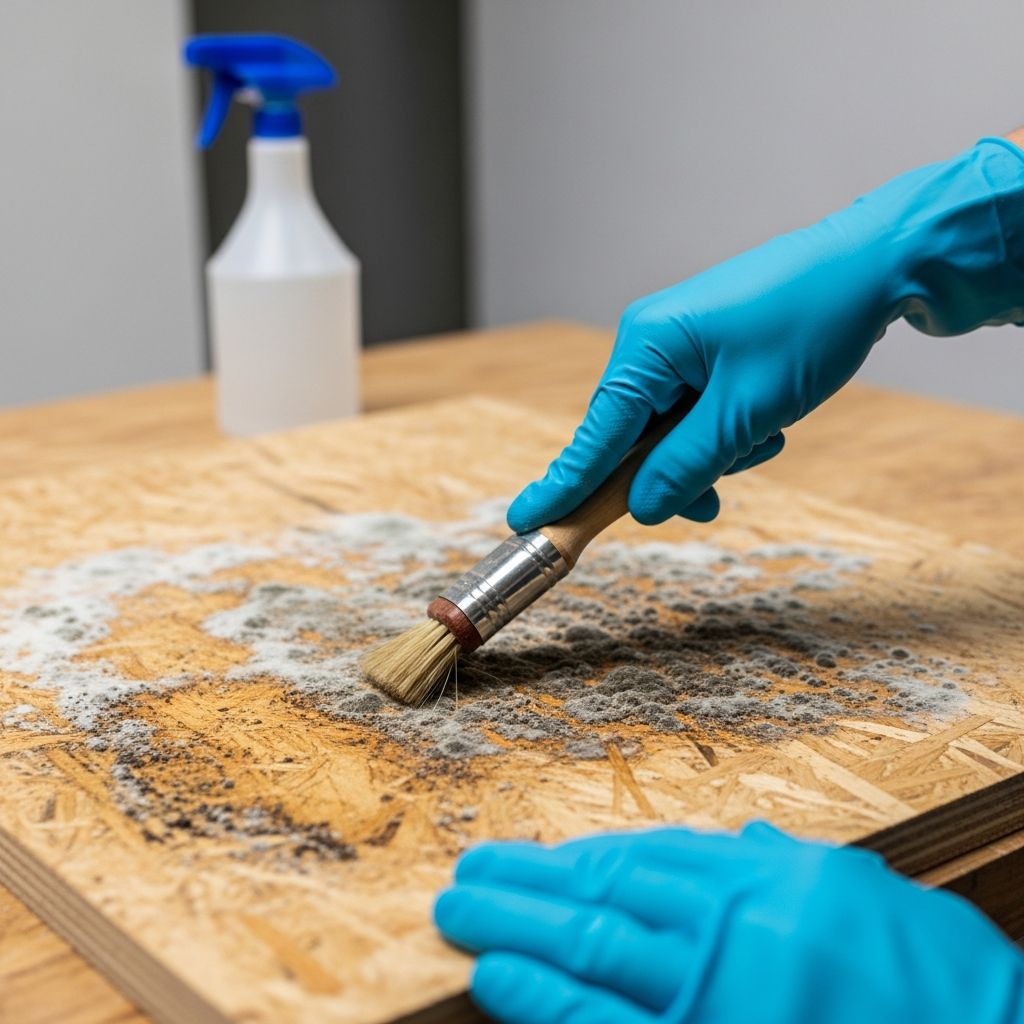
Particle board, a common material in affordable furniture and shelving, is highly susceptible to mold due to its porous nature and adhesive content. Effective removal requires careful preparation, targeted cleaning, and preventive measures to avoid health risks and structural damage.
Understanding Mold on Particle Board
Mold thrives in damp environments, feeding on the organic binders in particle board made from compressed wood chips. This leads to visible spots, musty odors, and potential respiratory issues. Early intervention prevents spread to other areas.
- Identify signs: Black, green, or white fuzzy growth, discoloration, or warping.
- Health concerns: Spores can trigger allergies, asthma, or worse in sensitive individuals.
- Material vulnerability: Unlike solid wood, particle board absorbs moisture deeply, making surface cleaning insufficient.
Gathering Essential Safety Gear and Tools
Before starting, assemble protective equipment and supplies to minimize exposure. Work in a well-ventilated area or outdoors.
| Category | Items | Purpose |
|---|---|---|
| Protection | Nitrile gloves, N95 mask, goggles, long sleeves/pants | Blocks spore inhalation and skin contact |
| Cleaning Tools | Soft brush, scraper, HEPA vacuum, microfiber cloths, spray bottle | Removes loose spores and applies solutions |
| Solutions | Bleach (diluted), white vinegar, borax, dish soap | Kills mold at various stages |
| Drying | Fans, dehumidifier, sunlight exposure | Prevents regrowth |
Prioritize HEPA vacuums for spore capture, trapping 99.97% of particles down to 0.3 microns.
Step-by-Step Preparation Process
Isolate the affected item to contain spores. Relocate outdoors if feasible, or to a garage with open doors.
- Evacuate surroundings: Remove nearby objects like books or clothes. Clean them separately with diluted bleach (1/2 cup per gallon water) or Clorox wipes, then dry immediately.
- Vacuum spores: Use HEPA filter to suck up loose particles. Seal and dispose of contents outside in a tied plastic bag.
- Cover floors: Lay plastic sheeting to catch debris.
- Test solutions: Apply cleaners to inconspicuous areas to check for discoloration on veneered surfaces.
Natural Cleaning Methods for Mild Infestations
For small growths, opt for non-toxic options that penetrate without harsh fumes.
- Vinegar solution: Undiluted white vinegar in a spray bottle. Saturate mold, wait 15 minutes, scrub with soft brush, rinse, and dry. Effective on surface spores.
- Borax mix: 1 tablespoon borax per cup water. Scrub vigorously; no rinsing needed as it inhibits regrowth.
- Baking soda paste: Mix with water, apply, scrub, and wipe. Ideal for walls or non-porous edges.
These methods suit early-stage mold, avoiding chemical residues in living spaces.
Chemical Treatments for Stubborn Mold
Deeper infestations demand stronger agents. Always dilute and ventilate.
- Bleach application: Mix 1 cup bleach to 1 gallon water (stronger for sources) or 1/2 cup for items. Spray, let sit 10-15 minutes, scrub, rinse thoroughly. OSHA-recommended ratio ensures safety.
- Hydrogen peroxide: 3% solution; spray, foam indicates reaction, wipe after 10 minutes.
- Dish soap warm water: Initial gentle scrub for loose mold before stronger treatments.
Warning: Never mix bleach with ammonia-containing products; toxic gases result.
Thorough Drying and Inspection
Moisture fuels recurrence. Post-cleaning:
- Air dry in sunlight (UV kills remaining spores) or use high-velocity fans for 24-48 hours.
- Inspect closely with flashlight; re-treat if spots persist.
- Check for hidden growth under veneers or joints.
Dehumidifiers maintain below 50% humidity, critical for particle board.
When to Replace Affected Sections
If mold penetrates deeply, cleaning fails. Particle board often serves as backing.
- Assess damage: Deep black roots indicate irreparable infestation; discard per guidelines.
- Removal: Pry out with flathead screwdriver or hammer, avoiding frame damage.
- Replacement: Measure and cut new sheets from hardware stores. Secure with screws; clean any residual mold.
This preserves functional furniture economically.
Advanced Prevention Techniques
Address root causes post-restoration.
| Issue | Solution |
|---|---|
| High humidity | Dehumidifiers, exhaust fans, AC set to 50-60% RH |
| Poor ventilation | Vents, open windows, air circulators |
| Leaks | Seal roofs, pipes; fix promptly |
| Surface protection | Mold-resistant primers, sealants on exposed edges |
Regular inspections in basements, bathrooms, and storage reveal issues early.
Common Mistakes to Avoid
- Ignoring PPE: Leads to health exposure.
- Incomplete drying: Causes regrowth.
- Over-bleaching: Discolors finishes.
- Disposal errors: Bagging unsealed spores spreads mold.
Frequently Asked Questions
Can I save moldy particle board furniture?
Yes, if surface-level. Deep penetration requires section replacement.
Is vinegar as effective as bleach?
Vinegar kills 82% of mold species naturally; bleach for tougher cases.
How long does cleaning take?
1-3 hours active, plus 24-48 hours drying.
Does sunlight kill mold?
UV rays deactivate spores effectively during drying.
Should I hire professionals?
For large areas (>10 sq ft) or health vulnerabilities, yes.
Long-Term Maintenance Tips
Integrate habits like weekly dusting, humidity monitoring, and silica gel packs in closets. Seal particle board edges with polyurethane for moisture resistance. Annual deep cleans in humid seasons sustain results.
By following these protocols, restore particle board items safely, extending their life while protecting indoor air quality.
References
- How to Remove Mold From Wood Furniture and Particle Board — House Beautiful. 2019-06-12. https://www.housebeautiful.com/lifestyle/cleaning-tips/a27076660/remove-mold-from-wood-furniture/
- The Complete Guide to DIY Mold Removal — TaskRabbit Blog. 2023-08-15. https://www.taskrabbit.com/blog/the-complete-guide-to-diy-mold-removal/
- Black Mold – How we get rid of mold in under 3 min! — YouTube (Twin Home Experts). 2022-05-10. https://www.youtube.com/watch?v=maRsAPZRzJg
- Mold Cleanup in Homes and Communities — Centers for Disease Control and Prevention (CDC). 2024-01-22. https://www.cdc.gov/mold/cleanup.htm
- Guidelines for Responding to Mold Found in FEMA Temporary Housing Units — Federal Emergency Management Agency (FEMA). 2023-11-05. https://www.fema.gov/sites/default/files/documents/fema_mold-guidelines.pdf
Similar Articles








Read full bio of Sneha Tete