Restoring Stone Foundations: Complete Guide
Master the art of stone foundation restoration with proven techniques to ensure structural integrity and prevent costly damage.
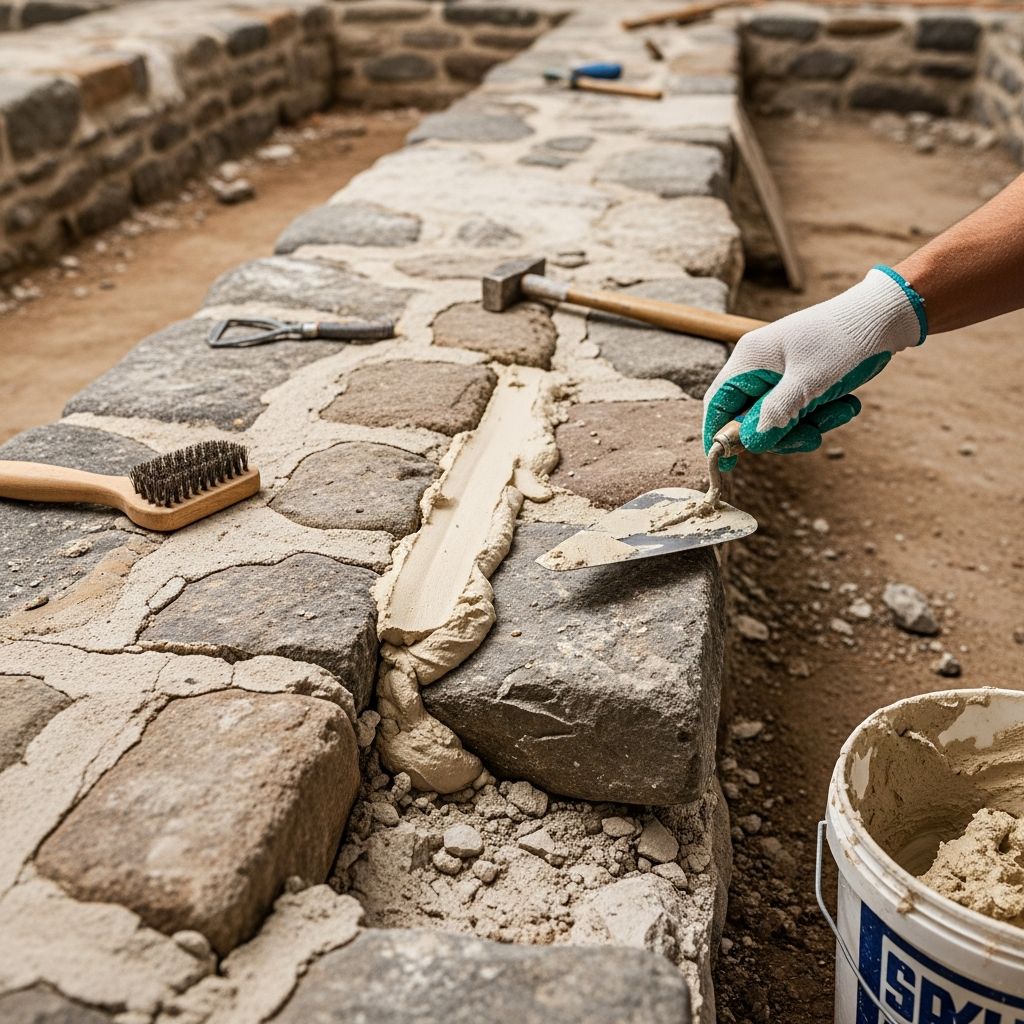
Stone foundations, common in older homes, provide exceptional durability when properly maintained but can deteriorate due to age, moisture, and shifting soils. This guide outlines a comprehensive approach to inspecting, repairing, and protecting these structures to extend their lifespan and maintain your property’s value.
Understanding Stone Foundation Basics
Stone foundations, often made from fieldstone or rubble, rely on mortar primarily for filling voids rather than bonding stones rigidly like modern concrete. Over time, original lime-based mortars erode, allowing water infiltration that weakens the wall. Unlike rigid cement, historic mortars flex with soil movement, preventing cracks. Recognizing this distinction is key to effective repairs.
Spotting Early Warning Signs of Trouble
Regular inspections reveal issues before they escalate. Look for these indicators:
- Crumbling or missing mortar in joints, exposing stones to elements.
- Water stains, efflorescence (white powdery deposits), or dampness inside basements.
- Bulging, leaning, or displaced stones signaling structural shifts.
- Cracks wider than hairline, especially horizontal ones indicating settlement.
- Vegetation growth or soil erosion at the base.
Address these promptly to avoid major interventions like full wall replacement.
Gathering Tools and Materials for the Job
Equipping yourself correctly ensures safe and efficient work. Essential items include:
- Safety gear: gloves, goggles, dust mask, and sturdy boots.
- Removal tools: masonry chisel, hammer, wire brush, shop vac.
- Application tools: pointing trowel, mortar hawk, mixing bucket, plant mister.
- Materials: Type S masonry mortar or lime-based mix, bonding agent, water.
| Category | Item | Purpose |
|---|---|---|
| Prep | Plant mister | Dampen surfaces to control dust |
| Removal | Chisel & hammer | Extract deteriorated mortar |
| Mixing | Tarp or bucket | Blend mortar uniformly |
| Finishing | Soft brush | Smooth and clean joints |
Invest in quality lime mortar for historic authenticity and breathability, allowing moisture to escape without trapping it.
Step-by-Step Preparation Process
Preparation sets the foundation for success. Start by protecting surrounding areas with drop cloths. Assess damage extent: minor joint issues suit DIY repointing, while severe bowing requires professionals.
- Clear the area: Remove soil, debris, or insulation from wall tops.
- Wet the surface: Spray stones and joints lightly to suppress dust.
- Remove old mortar: Chip out at least 2 inches deep using chisel and hammer, avoiding stone damage. Vacuum residues thoroughly.
For stubborn sections, soak mortar overnight or use an electric chisel sparingly.
Mixing the Perfect Mortar Blend
Mortar selection impacts longevity. Lime-based mixes suit older stones for flexibility; Type S offers strength for load-bearing areas. Add bonding agents for adhesion.
Recipe for small batches:
- 1 bag Type S mortar.
- Water as per instructions.
- 1/2 gallon bonding agent.
Mix on a tarp by folding repeatedly until uniform, like bread dough. Avoid overwatering to prevent weakness.
Mastering the Repointing Technique
Repointing rebuilds joints securely. Work top-down in sections.
- Scoop mortar onto hawk.
- Press firmly into joints with pointing trowel, filling completely.
- For gaps over 3 inches, insert small stones then mortar around them.
- Replace fallen stones on thick mortar beds, packing sides firmly.
Tool joints smooth after initial set (30-60 minutes). Mist lightly and brush flush to stones, exposing aggregate for aesthetics.
Advanced Repair Strategies for Severe Damage
When repointing isn’t enough:
- Shotcrete application: Spray concrete over steel mesh for reinforcement, creating a new bearing wall. Ideal for leaking or bulging sections, though it alters appearance.
- Sectional replacement: Demolish and rebuild compromised areas with concrete blocks.
- Fiber-reinforced mortar: Blend basalt fibers or polymers for tensile strength and crack resistance.
These methods restore integrity while preserving historic charm where possible.
Essential Waterproofing and Drainage Solutions
Water is the primary enemy. Enhance repairs with:
- Grade adjustments: Slope soil 6 inches over 10 feet away from walls.
- Gutter extensions: Direct runoff 5-10 feet from foundation.
- Sealants: Apply breathable coatings post-curing, avoiding rigid paints that trap moisture.
Interior drainage systems like sump pumps complement exterior fixes for comprehensive protection.
Post-Repair Curing and Inspection
Allow 24-48 hours curing before heavy loads. Mist daily for a week to prevent rapid drying cracks. Inspect for even joints, adhesion, and watertightness. Plan annual checks focusing on mortar condition and drainage.
DIY vs. Professional: Making the Right Choice
Small repointing jobs (under 50 sq ft) are DIY-friendly with patience. Hire experts for structural issues, heights over 4 feet, or historic properties to comply with preservation standards. Costs range $10-30 per sq ft for pros.
Frequently Asked Questions (FAQs)
What type of mortar is best for stone foundations?
Lime-based or Type S masonry mortar; lime for breathability in historic walls.
How deep should I remove old mortar?
At least 2 inches to ensure new mortar bonds properly.
Can I repair a stone foundation myself?
Yes, for minor joint work; consult pros for major damage.
How long does repointing last?
20-50 years with proper materials and maintenance.
Will repointing stop water leaks?
It helps, but combine with drainage improvements for best results.
Long-Term Maintenance Strategies
Prevent recurrence through vigilance:
- Annual visual checks post-rain.
- Clean gutters seasonally.
- Trim vegetation near base.
- Monitor indoor humidity.
These habits extend repairs indefinitely.
References
- Stone Foundation Repair 101: Methods That Work! — Foundation Pros FL. 2023. https://foundationprosfl.com/stone-foundation-repair-101-methods-that-work/
- How to Repoint and Prevent Further Damage to a Fieldstone… — YouTube (Done Right Services). 2022-10-15. https://www.youtube.com/watch?v=nlxxf-4vWKg
- How To Repoint a Stone Foundation — This Old House. 2024-05-20. https://www.thisoldhouse.com/foundations/how-to-repoint-a-stone-foundation
- Repairing Fieldstone Foundation Guide: Expert Insights for 2026 — Aspen Foundation Repairs. 2025-12-01. https://www.aspenfoundationrepairs.com/about-us/news-and-events/52230-repairing-fieldstone-foundation-guide-expert-insights-for-2026.html
- Repointing a Stone Foundation with Lime Mortar — Blake Hill House. 2023-08-10. https://www.blakehillhouse.com/repointing-a-stone-foundation-with-lime-mortar/
Similar Articles





Read full bio of Sneha Tete