Reusable Home Essentials: A Practical Guide to Cutting Waste and Saving Money
Transform your home with simple, reusable swaps that reduce waste, save money, and simplify daily life.
Reusable Home Essentials: How to Cut Waste Without Complicating Your Life
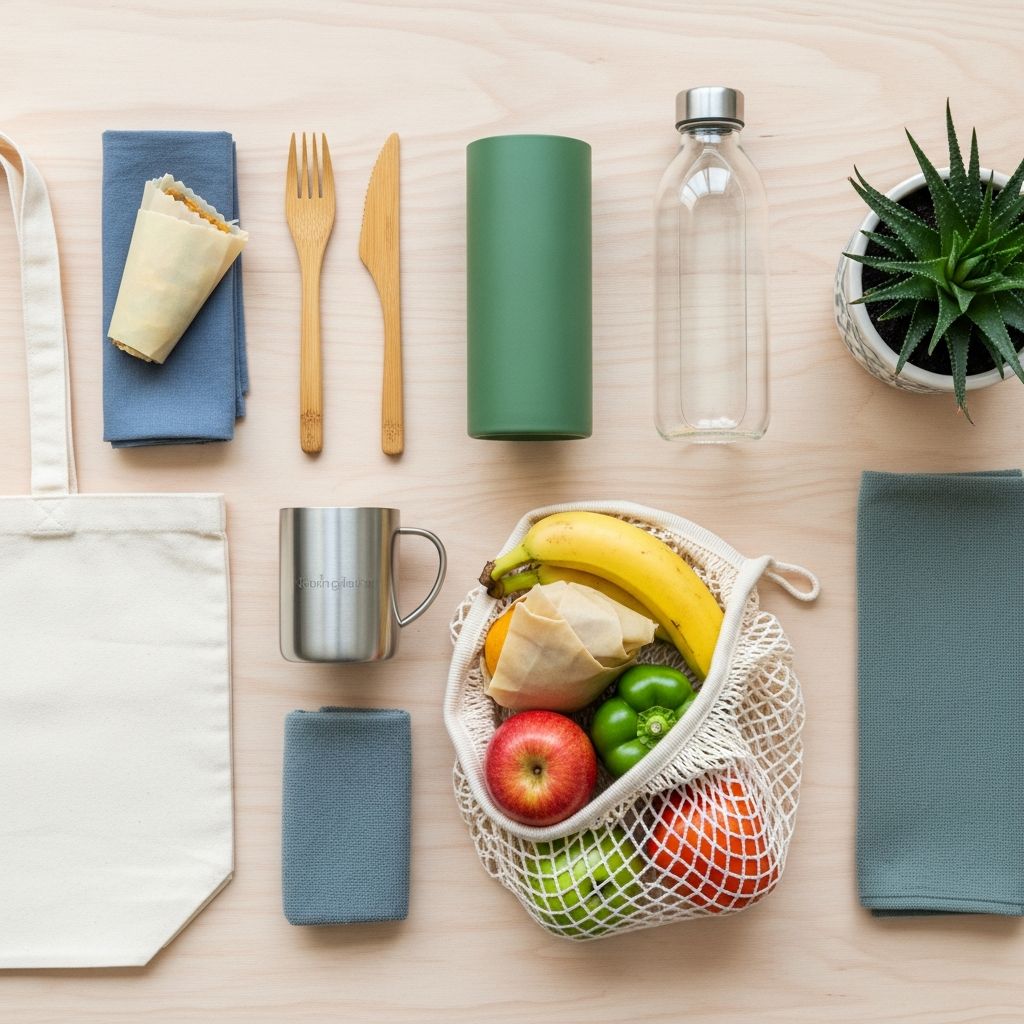
Switching from throwaway items to reusable products at home is one of the simplest ways to reduce household waste, save money, and create a healthier environment indoors and out. Instead of relying on single-use plastics, paper products, and disposable cleaning tools, you can build a small collection of durable essentials that work harder and last longer.
Why Reusable Products Belong in Every Home
Reusable home products replace items you buy over and over again, such as paper towels, plastic bags, and disposable cleaning wipes. By investing once in durable alternatives, you dramatically reduce the amount of trash your home sends to the curb and the number of new products you need to purchase.
Beyond environmental benefits, reusable items often perform better than disposable options. Many are made from sturdier materials, feel more comfortable to use, and are designed to withstand frequent washing, refilling, or refitting, which makes everyday chores feel more efficient and less wasteful.
- Lower long-term costs compared to constantly rebuying disposables.
- Less clutter from bulky packaging and one-off products.
- Smaller household trash output and fewer overflowing bins.
- More control over materials that touch your food, skin, and air.
Core Principles for Choosing Reusable Home Products
Not every reusable product is automatically a smart choice. Focus on items that will genuinely be used often, are easy to maintain, and realistically fit your daily habits. A reusable tool that stays buried in a drawer is no more helpful than a disposable one you never buy.
Use these principles as a quick filter whenever you are deciding whether a reusable option is worth bringing into your home.
- Durability over novelty: Look for sturdy stitching, solid seals, and materials that can withstand repeated washing or refilling.
- Ease of cleaning: Choose items that can be quickly rinsed, tossed in the washer, or wiped down without special care routines.
- Versatility: The best reusables do more than one job, such as a glass jar that works as storage, a vase, or a leftover container.
- Material safety: Favor food-safe glass, stainless steel, natural fibers, and low-toxicity plastics for items that touch food or skin.
Reusable Swaps for the Kitchen
The kitchen is usually the biggest source of household waste, from food packaging to paper products. Swapping just a few frequently used items can have an outsized impact on your trash output and your grocery bill.
Below are high-impact replacements that integrate easily into an ordinary kitchen routine without requiring a full lifestyle overhaul.
Dishcloths and Towels Instead of Paper Towels
Paper towels are convenient but expensive over time and fill trash bags quickly. Keeping a stack of absorbent cloths on the counter or a hook by the sink offers the same convenience in a washable, reusable form.
- Use lightweight towels for everyday spills and drying hands.
- Reserve a few older or darker cloths for greasy messes and grimy tasks.
- Store a small bin or basket for used cloths so they can go straight into the wash.
Reusable Food Storage: Containers, Wraps, and Bags
Instead of relying on plastic wrap and disposable zipper bags, build a small collection of containers and reusable wraps that fit your most common leftovers, snacks, and lunches. A mix of sizes and shapes helps reduce food waste because it is easier to see and use what you have.
- Glass or stainless steel containers with tight lids for leftovers, meal prep, and freezer storage.
- Reusable silicone or fabric snack bags for school lunches and on-the-go snacks.
- Fabric or wax-coated wraps to cover bowls, wrap sandwiches, or protect produce halves.
Reusable Beverage Gear: Mugs, Bottles, and Coffee Filters
Daily coffee, tea, and water habits can create a surprising trail of disposable cups, lids, and plastic bottles. A few thoughtfully chosen reusable items can replace dozens or even hundreds of single-use containers per person each year.
- Insulated travel mugs for hot drinks from home or your favorite café.
- Sturdy water bottles sized for commutes, workouts, or desks.
- Permanent metal or cloth coffee filters that replace paper filters in many standard brewers.
Bathroom and Personal Care: Gentle, Refillable, and Reusable
Bathrooms tend to collect tiny bottles, disposable wipes, and single-use plastic items. Switching a few of these to reusable options can simplify shelves, reduce plastic packaging, and make your self-care routine feel more intentional.
Reusable Facial Rounds and Cloths
Cotton pads and makeup wipes generate ongoing waste and often contain synthetic fibers. Reusable facial rounds or soft cloths offer the same functionality with less irritation for both skin and planet.
- Use with makeup remover, toner, or micellar water just as you would with disposables.
- Keep a small mesh bag nearby to gather used rounds and toss them directly into the laundry.
- Choose gentle, tightly woven fabrics for sensitive skin and delicate eye areas.
Refillable Bottles for Soap, Shampoo, and Lotion
Big-box packs of body care products often come in multiple plastic bottles that end up in the trash. Refillable pumps and jars let you buy larger quantities less often or visit refill shops, reducing both packaging and visual clutter.
- Label each bottle clearly to avoid mix-ups in the shower.
- Opt for pump tops for liquids and wide mouths for thicker lotions and scrubs.
- Rinse bottles fully before refilling to prevent residue build-up and product separation.
Durable Grooming Tools
Items like razors, toothbrushes, and cotton swabs are classic examples of disposable products that can often be replaced with long-lasting alternatives. While not every reusable version fits every household, even one or two swaps can dramatically shrink a bathroom trash can.
- Choose razors with replaceable blades instead of fully disposable plastic handles.
- Consider toothbrushes with replaceable heads or those made from more sustainable materials.
- Use washable cloths instead of disposable wipes for quick sink or counter tidy-ups.
Cleaning Tools You Can Wash and Reuse
Cleaning supplies are often marketed as single-use for convenience, but many tasks can be handled with tools that last for years. By swapping a few key items, you reduce plastic waste, limit chemical exposure, and build a cleaning kit that actually costs less over time.
Spray Bottles and Concentrated Cleaners
Instead of purchasing new plastic bottles of cleaner every time, use durable spray bottles that you refill with concentrates or DIY solutions. Concentrated formulas often require less storage space and packaging and allow you to tailor strength to your specific surfaces.
- Dedicate one bottle for glass, one for all-purpose, and one for disinfecting tasks.
- Label bottles clearly and record basic dilution instructions on a small tag or tape.
- Rinse or wash spray nozzles occasionally to keep them from clogging.
Reusable Mop Pads and Dusting Cloths
Disposable mop pads and dusting sheets add up quickly, especially in busy households. Reusable microfiber or cotton pads attach to many standard mop heads and can be tossed into the washer when dirty.
- Keep several pads on hand so you always have a clean one ready.
- Use slightly damp cloths for dusting to capture particles instead of just moving them.
- Avoid fabric softener when washing microfiber to maintain its absorbency and grip.
Long-Lasting Scrubbers and Brushes
From dishes to tile grout, sturdy scrub brushes and washable scrub pads often outperform flimsy disposables. Look for ergonomic handles, replaceable heads, and materials that do not shed or break down quickly in water.
- Assign colors or labels to different tasks (bathroom vs. kitchen) to prevent cross-use.
- Let brushes dry completely between uses to prolong their life and reduce odor.
- Replace only the head when it wears out, not the entire tool.
Everyday Reusables for Shopping, Storage, and On-the-Go
Beyond the kitchen and bathroom, there are many simple ways to reduce daily waste while you shop, commute, or travel. Preparing a small “reuse kit” makes it easier to say no to single-use items when you are away from home.
Shopping and Produce Bags
Reusable shopping bags and produce bags help reduce the piles of plastic and paper that accumulate after weekly grocery trips. They are easy to keep in the car, by the door, or tucked into a backpack.
- Keep a few compact, foldable bags in your purse, work bag, or car glove compartment.
- Use lightweight mesh or cloth bags for fruits, vegetables, and bulk-bin items.
- Wash bags periodically, especially if they touch unpackaged food.
On-the-Go Kits: Utensils, Straws, and Containers
Takeout containers, plastic cutlery, and disposable straws are common sources of waste outside the home. A small kit with reusable utensils and a container can help you decline extras without sacrificing convenience.
- Pack a simple roll with a fork, spoon, knife, and reusable straw.
- Carry a leak-resistant container for leftovers or takeout.
- Stash the kit in your bag so it is always available for spontaneous meals.
Household Storage Jars and Multiuse Containers
Glass jars and sturdy containers are among the most flexible reusable items you can own. They organize pantries, store hardware, corral craft supplies, and serve as makeshift vases, drinking glasses, or lunch containers.
- Save jars from pantry goods and remove labels for a clean, uniform look.
- Use identical or stackable sizes when possible to save shelf space.
- Label lids or sides with removable tape so contents are easy to identify.
Cost and Waste: How Reusables Compare to Disposables
Reusable items often cost more up front but quickly pay for themselves when you consider how many disposable versions they replace. Understanding this trade-off makes it easier to prioritize which swaps to make first.
The table below illustrates general patterns in cost and waste over time for common household items. Actual numbers will vary by brand and region, but the differences in direction and scale remain similar.
| Product Type | Typical Upfront Cost | Ongoing Cost Over 1 Year | Estimated Waste Generated |
|---|---|---|---|
| Paper towels vs. cloth towels | Low for paper; moderate for a set of cloths | High recurring purchases for paper; minimal laundry cost for cloth | Multiple trash bags of used paper vs. a handful of worn-out cloths over many years |
| Disposable food bags vs. reusable bags/containers | Low for disposables; moderate for reusables | Frequent restocking of bags vs. only occasional replacement of lost or damaged items | Hundreds of plastic bags vs. a small set of containers and bags used repeatedly |
| Single-use water bottles vs. reusable bottle | Very low per bottle; low to moderate for a reusable | Regular purchases of multi-packs vs. rare replacement of one durable bottle | Dozens of plastic bottles vs. one long-lasting bottle and cap |
| Disposable cleaning wipes vs. spray + cloths | Low ongoing cost for wipes; moderate for spray bottles and cloths | Steady spending as containers run out vs. occasional refills of concentrate or solution | Stacks of plastic-lidded tubs vs. a few reusable bottles and washable cloths |
How to Transition Without Overwhelm
Shifting to reusable home products does not require throwing away everything you currently own. In fact, the most sustainable approach is to finish what you have, then replace items slowly with better options as they run out or wear out.
A simple plan helps you stay consistent and avoid buying more than you will realistically use.
- Audit high-waste areas: Notice where your trash fills up fastest: paper towels, food packaging, bathroom products, or cleaning supplies.
- Pick three big-impact swaps: Focus first on items you use every day, such as water bottles, paper towels, or food bags.
- Set a budget and pace: Replace one category per month or quarter to spread out the cost.
- Store reusables visibly: Keep them where you normally reach for disposables to make the habit change effortless.
- Review and adjust: After a few weeks, identify what works well and what needs a different size, material, or design.
Frequently Asked Questions About Reusable Home Products
Do reusable products really save money?
Most reusable home products save money when you compare their cost to how many disposable versions they replace over time. Items used daily, such as cloth towels, food storage containers, and refillable bottles, often pay for themselves within a few months and then continue providing savings each time you skip a restock.
How many reusable items do I actually need?
It is better to own a small number of well-chosen items you use constantly than a drawer full of gadgets. For example, a dozen cloth towels, a handful of containers in different sizes, two or three water bottles, and a few grocery bags are plenty for many households.
Is it really more eco-friendly if I have to wash everything?
Washing reusable items does use water and energy, but the overall environmental impact is still usually lower than manufacturing and transporting large quantities of single-use items. Maximizing each item’s lifespan and using full loads in dishwashers and washing machines help keep that footprint small.
What if my family prefers disposables?
Changing habits can take time, especially if several people share a home. Start by introducing reusables in low-friction areas, like providing a set of soft cloth napkins at the table or placing a reusable bottle near the sink, and allow everyone to test what feels comfortable before expecting a full switch.
How do I keep reusable items from becoming clutter?
Give every reusable product a clear “home” near where it is used, such as a basket for clean cloths, a hook for bags, or a shelf for containers with their lids. Periodically donate or repurpose extras you do not reach for, and aim to keep only what you can store neatly without overflowing cupboards or drawers.
Similar Articles






Read full bio of medha deb