Revamp Your Kitchen: Painting Tile Backsplashes
Transform outdated kitchen tile backsplashes affordably with expert painting techniques for a fresh, modern look without demolition.
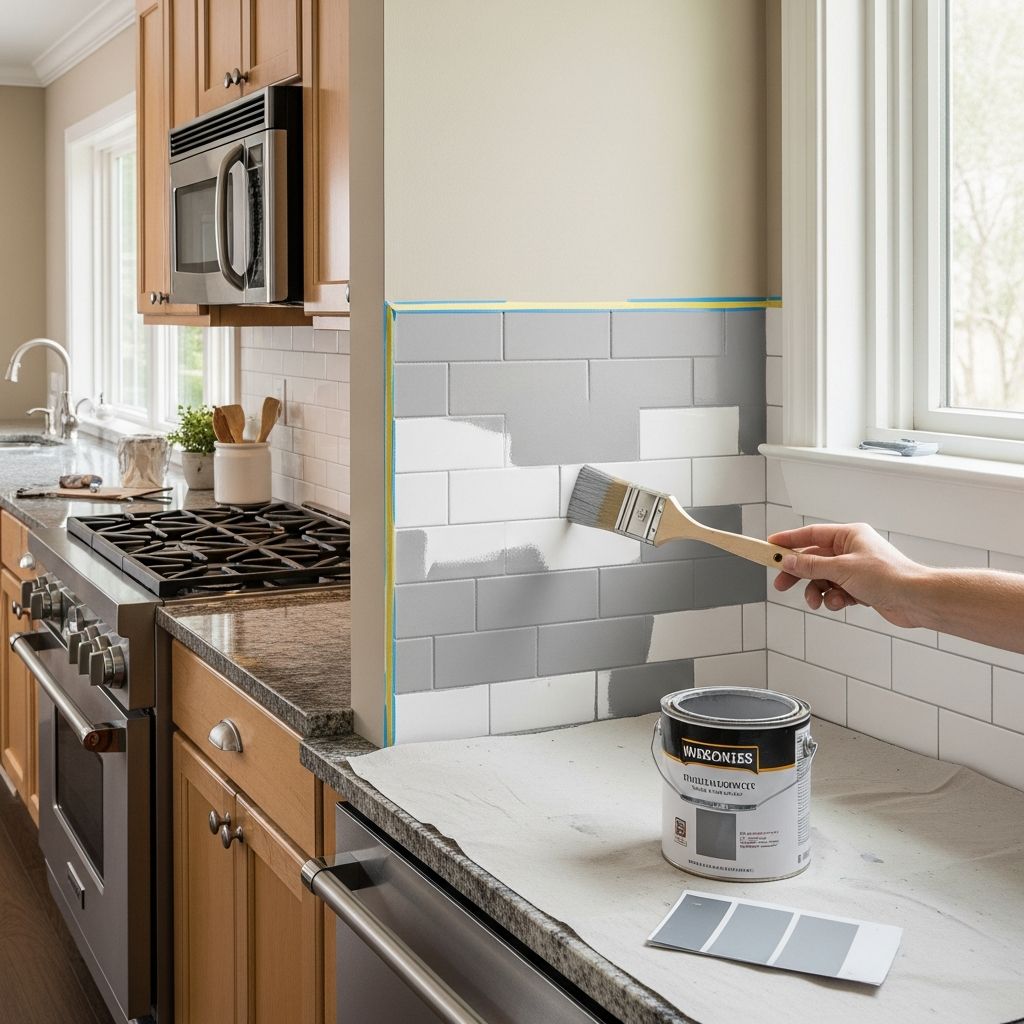
Updating a kitchen backsplash can dramatically change the room’s appearance without the expense of replacement. Painting existing tiles offers a budget-friendly alternative to demolition and new installation, allowing homeowners to achieve custom colors and finishes in a weekend project. This method works best on ceramic or porcelain tiles in good condition, providing a fresh look that withstands daily use when done correctly.
Why Choose Painting Over Replacement?
Traditional backsplash replacement involves costly labor, tile removal, and potential wall repairs. Painting sidesteps these issues, costing under $200 for materials while delivering personalized style. Results can last 5-10 years with proper preparation and quality products, making it ideal for rentals, flips, or temporary updates. Homeowners report satisfaction with the seamless finish that mimics new tile, especially in high-traffic kitchens.
- Cost savings: $50-200 vs. $1,000+ for pro installation.
- Speed: Complete in 1-2 days, including drying time.
- Customization: Any color or sheen to match decor.
- Minimal disruption: No demolition dust or plumbing disruptions.
Assessing Your Backsplash for Painting
Evaluate tiles for cracks, loose grout, or heavy damage before starting. Glazed ceramic tiles paint well after deglossing, while unglazed or porous types may absorb paint unevenly. Test a small area with primer to check adhesion. Avoid painting over mold, grease buildup, or unstable surfaces, as these lead to peeling. Ideal candidates include dated white subway tiles or bold 80s patterns ready for neutral tones.
| Tile Type | Suitability for Painting | Prep Notes |
|---|---|---|
| Ceramic (glazed) | Excellent | Heavy sanding required |
| Porcelain | Good | Etch with cleaner first |
| Glass mosaic | Poor | Too smooth; use epoxy only |
| Damaged/cracked | Not recommended | Replace tiles instead |
Gathering Essential Tools and Materials
Invest in durable supplies for professional outcomes. Quality primers and paints designed for high-moisture areas prevent failures in steamy kitchens.
- Cleaning: TSP substitute, degreaser (e.g., Krud Kutter), scouring pads, buckets, gloves.
- Sanding/Etching: 220-400 grit sandpaper or blocks, abrasive pads, calcium remover.
- Priming/Painting: Tile primer (e.g., Zinsser), epoxy or enamel paint kit (Rust-Oleum Specialty or Sherwin-Williams Emerald), 4-inch foam roller, 1.5-2 inch angled brush.
- Protection: Painter’s tape, drop cloths, outlet covers.
- Finishing: Silicone caulk (clear or white), caulk tool, fans for ventilation.
Purchase paints in sample sizes first for color testing. Satin or semi-gloss sheens resist stains better than flat finishes.
Mastering Surface Preparation
Preparation accounts for 70% of success; skipping steps causes peeling. Begin 24-48 hours before painting to allow drying.
Clearing and Protecting the Area
Remove appliances, utensils, and outlet/switch plates. Cover counters with plastic drop cloths taped securely. Protect cabinets with tape along edges. Work in sections if the backsplash exceeds 20 sq ft to manage drying times.
Deep Cleaning for Adhesion
Mix TSP or heavy-duty cleaner per instructions; apply with sponge to dissolve grease, especially behind cooktops. Rinse twice with clean water. Follow with degreaser on a cloth for residue-free shine. Dry completely with fans or towels.
Removing Old Caulk and Etching
Scrape deteriorated caulk from counter-tile joints using a plastic tool to avoid scratches. Apply etching cleaner or rust remover with abrasive pad, working in circles for 5-10 minutes. Rinse and inspect for uniform dullness.
Sanding for Grip
Use fine-grit sandpaper to scuff glossy surfaces lightly—aim for a matte feel without deep scratches. Wipe dust with tack cloth or damp rag; repeat cleaning to remove particles. This step ensures primer bonds chemically.
Applying Primer for Lasting Durability
Primer creates a bridge between slick tile and topcoat. Choose bonding primers labeled for tile or glossy surfaces. Stir thoroughly; apply thin first coat with brush on grout lines and edges, rolling foam over tiles. Maintain wet edges to avoid lap marks. Dry 1-2 hours, then add second coat for opacity. Sand lightly between coats if needed.
Pro tip: In humid kitchens, extend drying to 4 hours with good airflow. Test adhesion by scratching dried primer with a coin—it should hold firm.
Painting Techniques for Flawless Coverage
Select epoxy kits for superior adhesion or acrylic enamels for easier cleanup. Mix two-part epoxies 3:1 (color to hardener) for 2 minutes; pot life is 4 hours.
First Coat Application
Brush grout lines precisely to seal them, then roll tiles in 2×2 ft sections. Use minimal paint on roller to prevent drips. Feather edges for seamless blending. Coverage improves after drying; expect 60-80% opacity.
Second and Final Coats
Wait 1 hour between coats. Focus brushwork on details, rolling one tile at a time. Inspect under light for holidays (missed spots). Two coats suffice for most; add third for dark originals. Full cure takes 24-72 hours—avoid touching.
Ventilate heavily during application; epoxy fumes are potent. Wear respirator if sensitive.
Sealing and Finishing Touches
Apply thin silicone caulk bead along counter seam; smooth with wet finger for invisible joint. Reinstall covers after 24 hours. Clean tools immediately with soap for reusability.
Common Pitfalls and Troubleshooting
- Peeling paint: Insufficient sanding/cleaning—strip and redo.
- Uneven color: Worked in too-large sections—sand and recoat.
- Grout bleed: Tape religiously or caulk post-paint.
- Bubbles: Thick application—thin layers only.
Long-Term Care and Maintenance
Wipe with mild soap; avoid abrasives. Re-caulk annually. Touch up chips promptly. Expect minor wear after 3-5 years in heavy-use areas—recoat as needed.
Frequently Asked Questions
Can I paint over grout lines?
Yes, but tape or brush precisely to contain paint. Filling grout first with caulk creates smoother fields.
What paint is best for tile backsplashes?
Epoxy kits like Rust-Oleum or high-adhesion enamels from Sherwin-Williams offer top durability in kitchens.
How long does painted tile last?
5-10 years with proper prep; less if exposed to harsh cleaners or impacts.
Is ventilation crucial during painting?
Essential—epoxy vapors irritate lungs. Use fans and open windows.
Can I paint glass or metal backsplashes?
Glass requires specialty primers; metal needs rust inhibitors. Test adhesion first.
References
- How to Paint a Tile Backsplash — This Old House. 2023. https://www.thisoldhouse.com/painting/how-to-paint-a-tile-backsplash
- How to Paint a Tile Backsplash in Your Kitchen — Hannah Bollinger. 2023-07-26. https://hannahbollinger.com/2023/07/26/how-to-paint-a-tile-backsplash-in-your-kitchen/
- How to Paint Tile — Sherwin-Williams. 2025. https://www.sherwin-williams.com/en-us/project-center/paint/how-to-paint-tile
Similar Articles


Read full bio of Sneha Tete