Revitalizing Vintage 1970s Wood Kitchen Cabinets
Transform your retro kitchen cabinets into modern spaces with proven techniques and budget-friendly solutions.
Understanding Your 1970s Kitchen Cabinet Foundation
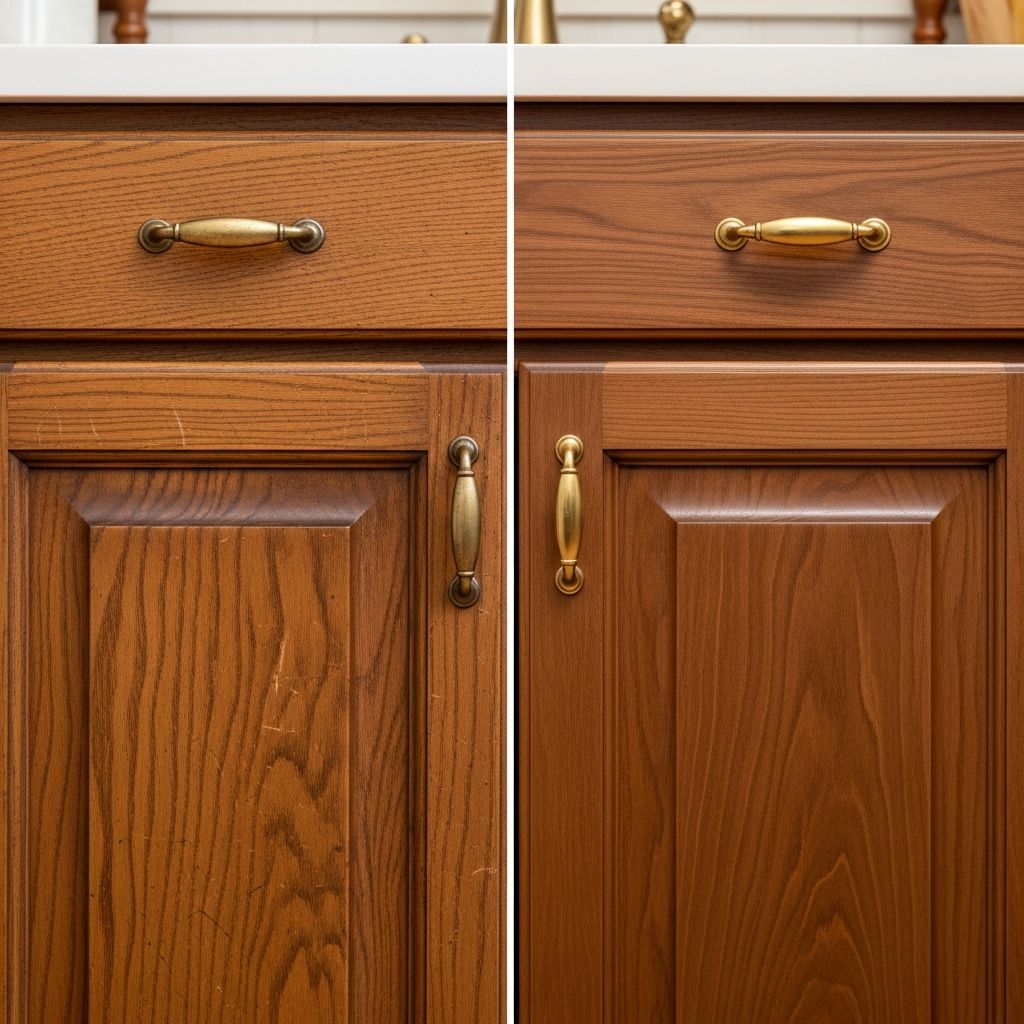
Kitchen cabinets manufactured during the 1970s represent a unique opportunity for homeowners seeking renovation projects. Unlike many modern mass-produced alternatives, vintage cabinets from this era were typically constructed from solid wood materials and built with substantial craftsmanship. Even if the aesthetic appeal has faded or the original finishes have deteriorated, the underlying structure often provides an excellent foundation for transformation. Before committing to expensive replacement options, recognizing the value of what already exists can save thousands of dollars while preserving the structural integrity that solid wood construction offers.
The primary challenge with 1970s cabinetry isn’t the quality of construction but rather outdated styling and worn finishes. Common color choices from this period—including avocado green, harvest gold, and chocolate brown—now feel dated to contemporary sensibilities. Many homeowners mistakenly assume complete replacement is necessary when strategic updates can deliver impressive transformations. Understanding that these cabinets represent sound bones for renovation projects helps frame the decision-making process around which updating method best fits your vision and budget.
Assessing Condition and Planning Your Approach
Before selecting an updating strategy, thorough assessment of your cabinet’s current condition determines which methods are viable and cost-effective. Examine cabinet boxes for structural damage, loose joints, or water damage. Inspect door and drawer fronts for warping, deep gouges, or rotting wood. Look closely at hinge functionality and drawer slide operation. Understanding the extent of damage guides whether you can proceed with cosmetic updates or require more substantial restoration work.
Surface condition significantly impacts which techniques work best for your situation. Cabinets with intact wood surfaces but poor finishes are excellent candidates for refinishing or painting approaches. Those with significant damage to door fronts might benefit from replacement doors while retaining cabinet boxes. Structural issues like loose joinery or water-damaged wood may necessitate professional refacing or selective component replacement. Taking time to document existing conditions with photographs helps consultants provide accurate estimates if professional assistance is needed.
The Painting Method: Complete Visual Transformation
Painting represents one of the most popular and accessible approaches for updating 1970s cabinets. A quality paint application can completely transform kitchen appearance while preserving existing cabinetry structure. This method works exceptionally well when you’re satisfied with cabinet layout and construction but want to modernize the visual aesthetic. The process requires patience and attention to detail, but the results deliver dramatic impact at a fraction of replacement costs.
Preparation Phase: Setting the Foundation for Success
Success in cabinet painting depends heavily on thorough preparation work. Begin by removing all cabinet doors, drawer fronts, and hardware. This allows each component to be painted independently, ensuring complete coverage and professional-looking results. Label everything carefully—using painter’s tape numbered on hinge sides helps during reinstallation. Photograph the original hardware configuration for reference during reassembly.
Deep cleaning comes next and cannot be overstated in importance. Kitchen cabinets accumulate grease, dust, and cooking residue that interfere with paint adhesion. Use trisodium phosphate (TSP) or phosphate-free degreaser alternatives with warm water and a sponge. Scrub thoroughly across all surfaces, paying special attention to horizontal surfaces where buildup concentrates. Allow complete drying before proceeding to the next step.
Sanding progressively prepares wood surfaces for primer and paint application. Start with 80-grit sandpaper for rough work, progressing through 120 and 150-grit for intermediate smoothing, finishing with 220-grit for final preparation. This gradual progression removes old finishes, smooths imperfections, and creates surface texture that accepts primer and paint effectively. An orbital sander speeds this process considerably, though hand sanding with a sanding block works for smaller projects. Between each grit progression, wipe surfaces with tack cloths to remove all dust.
Addressing damaged wood requires wood filler application. Fill dents, gouges, and old hardware holes with appropriate wood filler, allowing proper curing time. Once dry, sand filled areas smooth with 220-grit paper to blend seamlessly with surrounding surfaces.
Priming and Painting Application
Primer application is essential for cabinet painting success. Choose stain-blocking primers such as shellac-based or oil-based formulations that prevent wood tannins from bleeding through topcoats. This step proves particularly important for previously stained wood cabinets where tannins would otherwise discolor new paint. Apply primer evenly, allowing proper drying time between coats.
Cabinet-grade paints deliver superior durability compared to standard house paints. Products like Benjamin Moore Advance or Sherwin-Williams ProClassic offer exceptional finish quality and moisture resistance necessary for kitchen environments. These premium paints cure to harder finishes that resist fingerprints, stains, and moisture damage better than budget alternatives.
Apply paint in thin coats rather than attempting single heavy coats. Two to three thin applications deliver superior finish quality with fewer drips and runs. Between coats, light sanding with 320-grit paper creates surface texture that improves adhesion of subsequent layers. Use high-density foam rollers for broad flat surfaces and quality brushes for edges, trim, and detailed areas. Allow proper curing time—typically three to seven days—before reinstalling doors and drawers.
Refinishing: Celebrating Natural Wood Character
For cabinets with solid wood construction and appeal, refinishing reveals and enhances natural wood beauty. This approach works particularly well when original wood species and grain patterns are attractive but covered by dated finishes. Stripping old finish layers and applying contemporary stains creates a completely refreshed appearance while maintaining wood authenticity.
Chemical strippers remove old finishes more efficiently than sanding alone. Apply stripper according to manufacturer instructions, allowing adequate time for finish softening. Scrape away loosened finish with putty knives or scrapers. Multiple applications may be necessary for thick or polyurethane finishes. Follow stripping with progressive sanding using 80, 150, and 220-grit paper to remove stripper residue and smooth wood surfaces.
Wood conditioner application before staining ensures even color absorption across wood surfaces. This proves especially important for softwoods or those with variable grain patterns that accept stain unevenly. After conditioning, apply contemporary stain colors in neutral or warm tones that complement modern kitchen aesthetics. Options range from light honey to warm walnut or cool gray tones that coordinate with current design trends.
Seal refinished cabinets with polyurethane or other durable topcoats. Gloss finishes provide contemporary shine and maximum protection, while satin finishes offer sophistication with slightly reduced reflection. For homeowners preferring vintage character, distressed finishes created through strategic sanding before staining add personality while maintaining refined appearance.
Quick Update Options: Hardware and Contact Paper Solutions
When budget constraints or time limitations prevent extensive projects, strategic quick updates deliver surprising impact. Hardware replacement provides immediate visual freshness. Swapping outdated knobs and pulls for contemporary styles—brushed nickel, matte black, or brass finishes—creates modern appearance without removing cabinet doors. Measure center-to-center distances carefully to avoid drilling new holes. Soft-close hinges and updated drawer slides simultaneously improve functionality while adding contemporary touches.
Adhesive contact paper offers fast cabinet door and drawer front updates. High-quality options in solid colors, wood grain patterns, or textures provide texture and color upgrades without paint commitment. Application requires careful measurement and smooth application to avoid bubbles, but results transform appearance quickly. This approach suits renters or those uncertain about permanent changes.
Professional Refacing: Comprehensive Modernization
Cabinet refacing offers comprehensive updating without complete replacement. This professional approach replaces cabinet doors and drawer fronts while applying new veneer to visible cabinet box surfaces. New hardware and hinges complete the transformation. Refacing costs significantly less than replacement while delivering essentially new-looking cabinetry. This method suits those wanting completely transformed appearance without structural or layout changes.
Strategic Enhancement Techniques
Beyond primary updating methods, several enhancement strategies amplify transformation impact. Crown molding installation along ceiling lines above upper cabinets adds architectural sophistication and custom appearance. Decorative trim application to cabinet door fronts creates dimensional interest on otherwise plain surfaces. These enhancements work whether you’re painting, refinishing, or combining multiple approaches.
Converting some upper cabinets to open shelving creates visual breathing room and displays attractive dishware or decorative items. This works particularly well in smaller kitchens where cabinetry can feel overwhelming. Cane webbing inserted in cabinet door frames adds trendy textured appearance that coordinates with natural finishes while maintaining storage functionality.
Essential Tools and Materials
Successful cabinet updating requires appropriate tools and quality materials. Basic equipment includes screwdrivers or drills for hardware removal, painter’s tape and plastic sheeting for protection, drop cloths or plastic sheeting for floor protection, and microfiber cloths for dust removal. Sanding equipment ranging from 80 to 320-grit paper or an orbital sander prepares surfaces properly. Painting supplies include high-quality brushes, foam rollers, primer, and cabinet-grade paint.
Cleaning supplies like TSP, warm water, and sponges remove accumulated kitchen grease. Wood filler addresses surface damage before finishing. New hardware including knobs, pulls, handles, and soft-close hinges complete transformations. Measuring tools ensure accurate hardware placement and trim cutting. Having all materials prepared before starting prevents project interruptions and maintains workflow momentum.
Finishing Considerations and Product Selection
Finish selection significantly impacts both appearance and durability. Semi-gloss finishes provide excellent moisture and stain resistance ideal for kitchen environments, maintaining easy-clean surfaces despite heavy use. Satin finishes deliver sophisticated appearance with slightly reduced reflection compared to semi-gloss options. Flat or matte finishes appear modern but show fingerprints and grease more readily, requiring more frequent cleaning. For kitchens with heavy use, semi-gloss or satin finishes provide superior performance.
Paint quality directly correlates with longevity and appearance. Premium cabinet-grade paints cure harder than standard paints, resisting moisture, stains, and daily wear more effectively. Investing in quality products ensures results withstand kitchen humidity, temperature fluctuations, and frequent cleaning without deterioration.
Frequently Asked Questions
Q: How long does cabinet painting typically require from start to finish?
A: Complete cabinet painting projects generally require two to three weeks including preparation, application, and proper curing time. Actual work hours spread across this period as primer and paint layers require drying between applications.
Q: Can refinishing work on cabinets with veneer rather than solid wood?
A: Refinishing works best on solid wood cabinets. Veneer-faced cabinets may have thin veneer layers that refinishing can damage. Painting or professional refacing provide better solutions for veneer-faced cabinetry.
Q: What finish should I choose for a kitchen with significant moisture exposure?
A: Semi-gloss finishes provide superior moisture resistance and durability in high-humidity kitchen environments. Avoid flat finishes in kitchens as they show water spots and staining more readily.
Q: How do I prevent wood tannins from bleeding through new paint?
A: Using stain-blocking primer—specifically shellac-based or oil-based formulations—prevents tannin bleed-through. This primer application proves especially important for previously stained wood cabinets.
Q: Is professional refacing worth the cost compared to DIY painting?
A: Professional refacing costs more than DIY painting but delivers completely new-looking results with warranty protection and professional installation. Choose refacing when desiring the most comprehensive transformation or when existing cabinet condition requires expert assessment.
Q: Can I update kitchen cabinets without removing cabinet doors?
A: While possible, removing doors allows complete coverage and professional results. In-place painting is messier and delivers inferior finishes compared to removed-door painting, though quick contact paper updates can work without removal.
References
- How to Give Your ’70s Kitchen Cabinets a Modern Makeover — Rosie Right. 2024. https://rosieright.com/70s-old-kitchen-cabinets-makeover/
- A 1970s Kitchen Reimagined — DFW Improved. 2024. https://www.dfwimproved.com/a-1970s-kitchen-remodel/
- Updating a 1970’s Kitchen On a Budget | Painting Cabinetry — YouTube. 2024. https://www.youtube.com/watch?v=cRW0YloGWiA
- Need ideas for 1970’s oak kitchen cabinet update — Houzz. 2024. https://www.houzz.com/discussions/1360221/need-ideas-for-1970-s-oak-kitchen-cabinet-update
- Retro Kitchen Designs That Are to Die For — Lilly Ann Cabinets. 2024. https://www.lilyanncabinets.com/cabinet-articles/retro-kitchens/
Similar Articles








Read full bio of Sneha Tete