Revive Cast Iron Grill Grates: 3 Proven Methods For Restoration
Expert techniques to strip rust, deep clean, and perfectly season your cast iron grill grates for superior grilling performance.
Revive Cast Iron Grill Grates
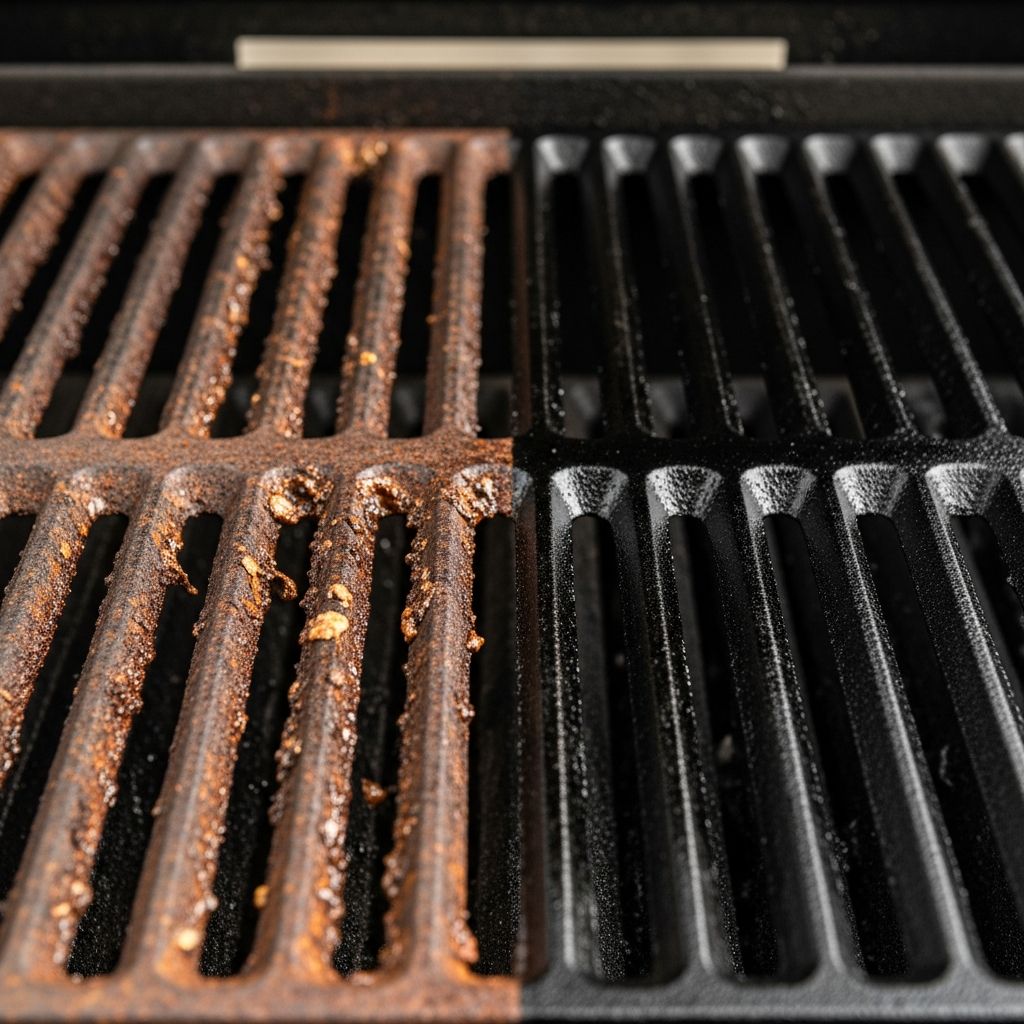
Cast iron grill grates offer exceptional heat retention and those coveted sear marks, but rust and buildup can compromise their performance. Restoring them involves thorough cleaning, rust elimination, and proper seasoning to return them to peak condition. This guide provides detailed, step-by-step methods inspired by reliable cleaning practices, ensuring your grates deliver flavorful results season after season.
Why Cast Iron Grates Need Restoration
Cast iron excels in grills due to its durability and ability to develop a natural non-stick patina through seasoning. However, exposure to moisture, acidic foods, and infrequent cleaning leads to rust formation. Rusty grates impart metallic flavors to food and hinder even cooking. Regular restoration prevents pitting and extends grate lifespan, often making them outperform new ones after proper treatment.
Neglect during off-seasons accelerates deterioration. High humidity or improper storage causes oxidation, turning a seasoned surface flaky and ineffective. Restoration not only revives functionality but also enhances flavor through a rebuilt polymerized oil layer that repels moisture and food particles.
Assessing Your Grill Grates
Before starting, inspect your grates. Light surface rust requires mild cleaning, while heavy flaking demands aggressive methods. Check if grates are removable—most are, allowing easier access to tools like tubs or bags for soaking. Non-removable grates suit in-place pastes. Gather supplies: baking soda, white vinegar, dish soap, nylon brushes, vegetable oil or shortening, aluminum foil, and gloves. Work in a well-ventilated area, preferably outdoors.
Initial Cleaning: Burn-Off and Loose Debris Removal
Begin with a high-heat burn-off. Fire up your grill to maximum temperature for 20-30 minutes. This carbonizes grease and food remnants, loosening them for easy brushing. Once cooled slightly (to avoid burns), use a nylon-bristled brush to scrape away ash. Avoid wire brushes on cast iron, as they can gouge seasoning.
For stubborn spots, repeat the burn-off. This preliminary step reduces scrubbing effort later and prepares the surface for deeper treatments.
Effective Rust Removal Techniques
Rust demands targeted approaches. Here are proven methods, progressing from gentle to intensive.
Baking Soda Paste for Mild Rust
Mix 1.5 cups baking soda with 0.25 cups dish soap and 0.25 cups water into a thick paste. Apply generously to grates, ensuring coverage of rusty areas. Let sit 8-12 hours or overnight without heat. The alkaline paste neutralizes rust acids, loosening flakes. Scrub with a nylon brush, rinse, and dry immediately.
Vinegar Soak for Heavy Rust
For severe rust, submerge grates in a solution of equal parts white vinegar and water in a large plastic tub or sealed garbage bag. Soak 24-48 hours, checking periodically. Vinegar’s acidity dissolves rust without damaging iron. Agitate occasionally. After soaking, light rust may lift effortlessly; scrub remnants with a non-abrasive pad.
- Monitor soak time to avoid over-etching.
- Rinse thoroughly post-soak to neutralize acidity.
- Avoid prolonged water exposure to prevent flash rust.
Electrolysis Alternative for Extreme Cases
For grates too rusted for soaking, consider DIY electrolysis using a car battery charger, washing soda, and scrap iron anode. This method pulls rust ions away electrically, preserving the base metal. It’s advanced but effective for heirloom pieces.
Post-Cleaning Preparation
After rust removal, rinse with warm water and dry completely using towels or low grill heat. Any moisture invites immediate re-rusting. Inspect for remaining pits; sand lightly with fine steel wool if needed, but minimize to preserve texture.
Seasoning Your Restored Grates
Seasoning creates a protective, non-stick barrier. Apply a thin layer of high-smoke-point oil like vegetable, canola, or flaxseed.
- Heat grill to 250-350°F.
- Coat grates evenly with oil using a brush or cloth, reaching crevices.
- Close lid and maintain heat for 30-60 minutes, allowing smoke to polymerize the oil.
- Repeat 2-4 layers, cooling between applications for buildup.
Finished seasoning appears dark and glossy. Test by frying an egg—it should slide off.
Daily and Seasonal Maintenance Strategies
Prevention beats restoration. After each use:
- Brush hot grates with nylon tool.
- Apply thin oil coat.
- Store dry, covered.
Seasonally, deep clean with baking soda soaks. Grill frequently to maintain seasoning—idle grates rust faster.
Common Pitfalls and Fixes
| Issue | Cause | Solution |
|---|---|---|
| Sticky residue | Thick oil layers | Burn off excess at high heat |
| Flash rust post-clean | Water residue | Heat dry and oil immediately |
| Uneven seasoning | Pooling oil | Thin, even coats; multiple applications |
| Persistent rust | Incomplete removal | Extend soak or repeat process |
Tools and Supplies Comparison
| Method | Tools Needed | Best For | Time |
|---|---|---|---|
| Baking Soda Paste | Paste ingredients, nylon brush | In-place cleaning | 8-12 hours |
| Vinegar Soak | Vinegar, tub/bag, pad | Heavy rust | 24-48 hours |
| Seasoning | Oil, brush, grill heat | All grates | 2-4 hours |
Frequently Asked Questions
Can I use steel wool on cast iron grates?
Use fine steel wool only for stubborn rust spots post-soak; avoid regular to prevent scratches. Nylon brushes are safer for seasoning.
How often should I season grates?
After every deep clean and touch-up after uses. Build 3-5 layers initially for durability.
What if my grates won’t come out?
Use baking soda paste applied in place, scrubbing without heat. Vinegar spray works for spot treatment.
Is vegetable oil best for seasoning?
Yes, its smoke point suits grilling. Alternatives like shortening or grapeseed oil also excel.
Why do my grates rust so fast?
Moisture exposure and no oil barrier. Cook often and store dry to inhibit oxidation.
Advanced Tips for Pro Results
For flawless grates, preheat oil before applying. Use clarified butter for gourmet seasoning. After restoration, grill fatty meats first to infuse flavor. Monitor for hot spots during seasoning. With care, restored grates outperform factory finishes, providing searing power for years.
This process transforms neglected grates into BBQ heroes. Invest time now for endless summer grilling success.
References
- Four Ways to Clean Your Grill Grates with Baking Soda — ARM & HAMMER. 2023. https://www.armandhammer.com/en/articles/how-to-clean-a-grill
- Cast Iron Grill Restoration — YouTube (FN3FAl94CVM). 2020. https://www.youtube.com/watch?v=FN3FAl94CVM
- How to deep clean rusty cast iron grill grates! — Rob’s Backyard BBQ (YouTube). 2021-08-17. https://www.youtube.com/watch?v=nS6GgHR5v_8
- How To Clean and Season Rusted Cast Iron Grill Grates — Smoked Reb BBQ (YouTube). 2020-07-11. https://www.youtube.com/watch?v=GwP2Fh5JyYY
- Tips and Tricks | How to Get Rust Off Cast Iron — Broil King BBQ. 2023. https://broilkingbbq.com/how-to-get-rust-off-cast-iron/
- Cast Iron Grates – Rust — BBQ Brethren Forums. 2014. https://www.bbq-brethren.com/threads/cast-iron-grates-rust.273063/
Similar Articles



Read full bio of medha deb