Cultured Marble Countertops Step-By-Step Guide To Restore Shine
Transform worn cultured marble surfaces into stunning, durable features with proven DIY refinishing techniques and professional insights.
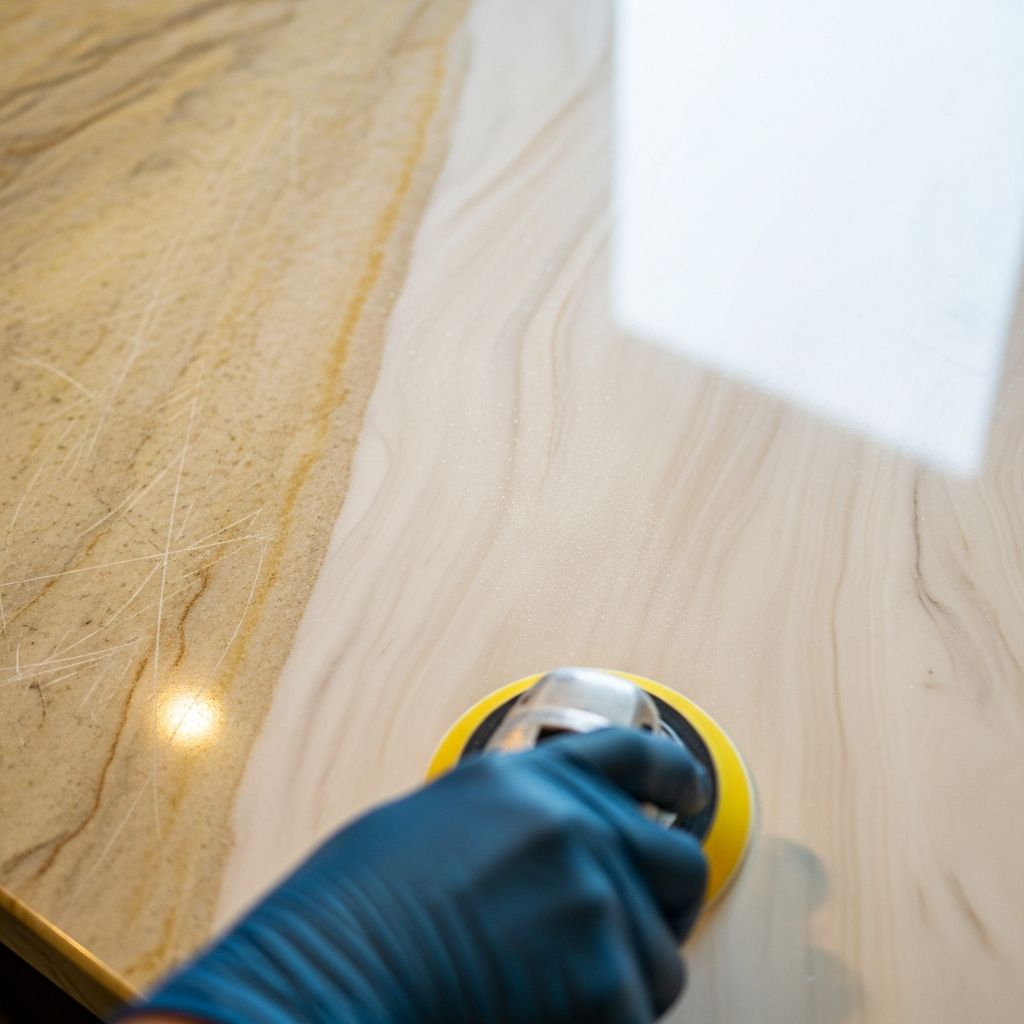
Revive Cultured Marble Countertops
Cultured marble countertops, popular in bathrooms and kitchens, combine marble dust with polyester resin under a protective gel coat for an elegant, affordable stone-like appearance. Over years of use, this surface often dulls from scratches, stains, and chemical exposure, prompting homeowners to consider costly replacements. Refinishing offers a practical alternative, restoring shine and functionality at a fraction of the expense—often 75% less than full removal and reinstallation.
Understanding Cultured Marble Composition
This engineered material starts as a mix of polyester resin, catalysts, fillers, pigments, and a clear gel coat applied to molds. The gel coat forms the glossy top layer, mimicking natural marble while resisting initial wear. However, everyday hazards like abrasive cleaners, hot water fluctuations, and impacts compromise this layer, leading to visible damage.
- Gel coat vulnerability: Scratches penetrate easily without abrasives.
- Thermal shock: Rapid temperature changes around sinks cause cracks.
- Staining agents: Harsh chemicals etch the surface permanently.
Recognizing these issues early allows targeted repairs before extensive refinishing becomes necessary.
Assessing Damage Before Starting
Begin by inspecting your countertop under bright light. Run fingers across the surface to detect texture changes. Categorize issues:
| Damage Type | Severity Indicators | Recommended Action |
|---|---|---|
| Light scratches | Visible lines, no depth | Polishing compound |
| Deep gouges | Felt with fingernail | Sanding + filler |
| Stains/etching | Discolored patches | Wet sanding |
| Cracks | Visible fissures | Epoxy fill + refinish |
Minor flaws respond to polishing, while severe cases may need professional evaluation to avoid breaching the gel coat entirely.
Gathering Essential Tools and Materials
A successful project requires quality supplies. Prioritize wet-dry sandpaper in progressive grits (400, 600, 800, 1000, 1200, 2000), automotive buffing compounds, microfiber cloths, painter’s tape, Gel-Gloss or similar polish, and optionally an orbital buffer for efficiency.
- Sandpaper assortment: Start coarse, finish ultra-fine.
- Buffing wheel/pads: For machine polishing.
- Protective sealants: Carnauba-based for lasting shine.
- Safety gear: Gloves, goggles, respirator.
Protect surrounding areas with drop cloths and tape off fixtures to prevent overspray or sanding dust migration.
Step-by-Step Preparation Process
Thorough prep ensures adhesion and even results. Empty the vanity, remove loose items, and cover walls or floors.
- Clean thoroughly: Use mild soap and water, avoiding ammonia or acids that etch further.
- Tape fixtures: Wrap faucet bases tightly to shield metal from abrasives.
- Degrease: Wipe with mineral spirits for residue-free surface.
- Ventilate: Open windows; use fans to disperse fumes.
This foundation prevents contamination during refinishing.
Sanding Techniques for Smooth Results
Sanding removes imperfections without thinning the gel coat excessively. Work wet to minimize dust and heat buildup.
Begin with 400-600 grit for stains or moderate scratches, progressing to 800 grit. Use circular motions, checking frequently. For deeper marks, apply light pressure; never sand to the scratch bottom if unsure of gel coat depth—risk opening pores that trap dirt.
- Pro tip: Rinse paper often; switch grits only when uniform haze appears.
- Hand vs. machine: Manual for precision, orbital for speed on large areas.
Advance to 1000-2000 grit for mirror-like prep, wiping clean between stages.
Buffing to Restore Luster
Post-sanding, buffing eliminates micro-scratches. Apply automotive compound sparingly to a foam pad or cloth.
With a buffer at low speed (1500-2000 RPM), glide evenly, overlapping passes. By hand, use firm, circular pressure. Multiple rounds refine the finish, bringing deeper scratches closer to the surface for blending.
Products like Aqua Blue Fast-Cut Compound excel here, followed by finer polishes for high gloss.
Applying Protective Coatings
Seal the renewed surface against future wear. Gel-Gloss, a carnauba wax emulsion, provides superior protection.
Apply thinly with microfiber, buff immediately. For countertops, use an orbital buffer if manual yields fogging—multiple light coats build durability without haze. Expect enhanced water resistance and shine lasting months.
Alternative: Epoxy overlays for dramatic updates. Mix custom-tinted undercoat, spray granite effect, then flood coat with clear epoxy. Bubble removal via torching ensures clarity; full cure takes 72 hours.
Advanced Repair Methods for Cracks and Chips
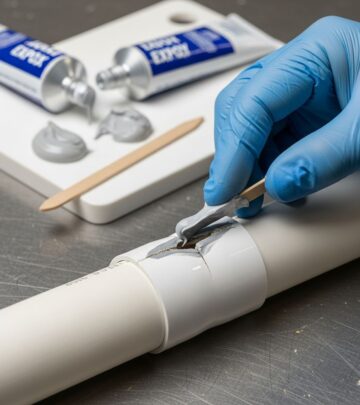
Structural damage demands fillers before refinishing. Clean cracks, apply epoxy resin matching the color, and sand smooth once cured.
Professionals use bonding agents like MM-4 for adhesion on cultured marble, avoiding acid etching that dissolves resin. DIY kits mimic this with color-matched putties.
Comparing DIY vs. Professional Services
| Aspect | DIY | Professional |
|---|---|---|
| Cost | $50-200 | $300-800 |
| Time | 1-2 days | 1 day |
| Warranty | None | 5-10 years |
| Customization | Limited | Full colors/patterns |
DIY suits light restoration; pros handle heavy damage with guarantees.
Daily Maintenance for Longevity
Prevent recurrence with non-abrasive cleaners (pH-neutral), soft cloths, and prompt spill wipe-up. Reapply Gel-Gloss quarterly. Avoid hot pans directly and harsh chemicals.
Frequently Asked Questions
Can I refinish cultured marble myself?
Yes, for surface-level issues. Follow progressive sanding and sealing for best outcomes.
How long does refinishing last?
DIY: 1-3 years with care; professional: 5+ years.
Is painting over cultured marble effective?
Epoxy painting works post-prep, offering color changes, but requires skill to avoid peeling.
What if sanding goes too deep?
Stop at first porosity signs; apply primer and topcoat to seal.
Does refinishing work on sinks too?
Absolutely—same process extends to integrated basins.
Project Timeline and Cost Breakdown
Day 1: Prep/sand (4-6 hrs). Day 2: Buff/seal (2-4 hrs). Total cost: Sandpaper ($20), compounds ($30), polish ($15), tools if needed ($50). Under $150 typically.
Revitalizing cultured marble breathes new life into bathrooms affordably, blending DIY accessibility with pro-level results.
References
- Cultured Marble Countertop Refinishing — Miracle Method. Accessed 2026. https://www.miraclemethod.com/cultured-marble-countertop-refinishing.htm
- Restoring the gloss on scratched cultured-marble countertops — The Gazette. 2023-10-15. https://www.thegazette.com/home-garden/restoring-the-gloss-on-scratched-cultured-marble-countertops/
- Cultured Marble Refinishing — Miracle Method. Accessed 2026. https://www.miraclemethod.com/cultured-marble-refinishing.htm
- Restore or repair cultured marble countertop — Natural Handyman. Accessed 2026. https://www.naturalhandyman.com/qa/qacultmarbcountertop.html
- Restoring Cultured Marble Countertops | Polish Out Scratches — YouTube (DIY Creators). Accessed 2026. https://www.youtube.com/watch?v=xzozazaSeXw
- How to Epoxy Over a Cultured Marble Sink and Vanity Full Tutorial — YouTube (Stone Coat Countertops). Accessed 2026. https://www.youtube.com/watch?v=E-k7-WmgwHE
Similar Articles








Read full bio of Sneha Tete