Revive Formica: Complete Refinishing Guide
Transform worn Formica surfaces into stunning, durable countertops with expert DIY techniques and professional insights for lasting results.
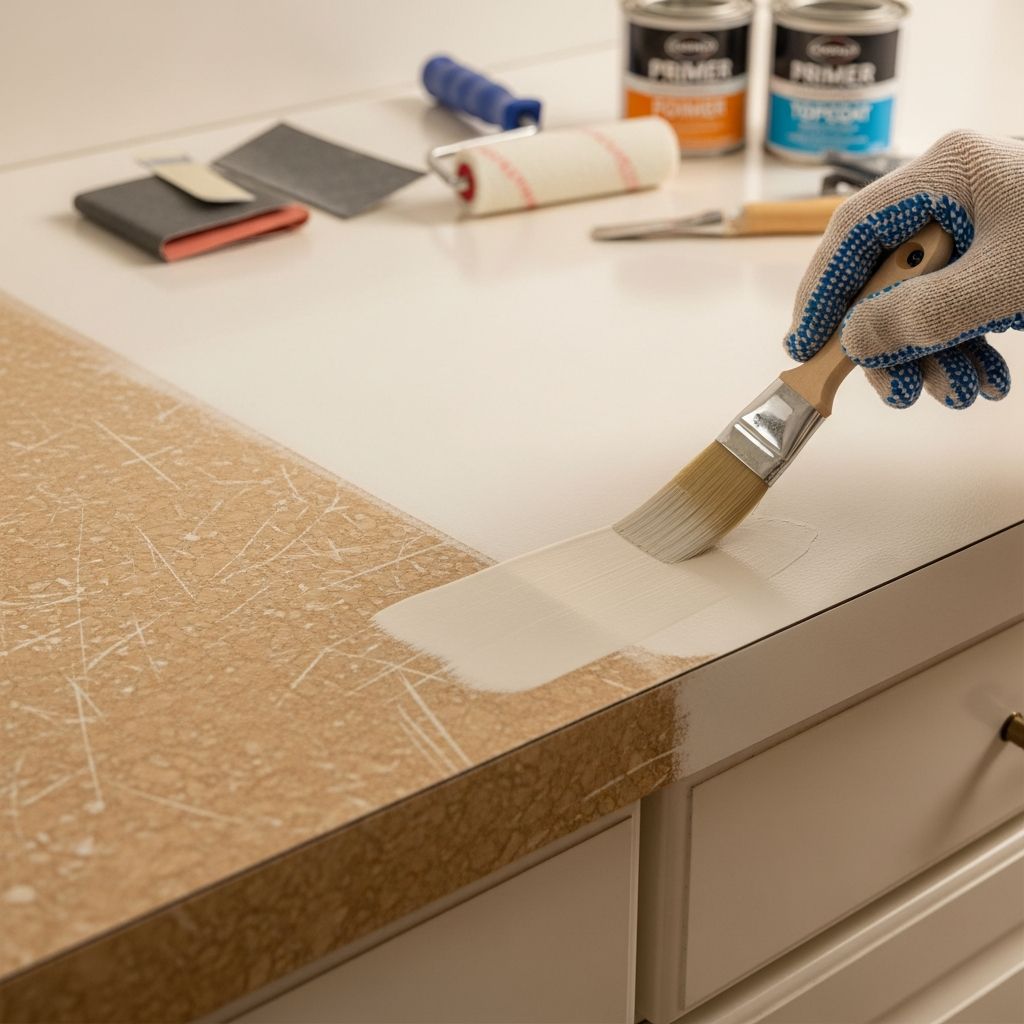
Formica countertops, a staple in many homes for decades, often show signs of wear like scratches, stains, and faded colors. Rather than facing the high costs and disruption of full replacement, refinishing offers a practical solution to restore their appearance and functionality. This process can extend the life of your surfaces while updating your kitchen or bathroom aesthetic at a fraction of the expense, typically 30-50% less than new countertops.
Why Choose Refinishing Over Replacement?
Refinishing Formica preserves existing structures, avoiding demolition mess and installation downtime. It allows customization with modern colors and finishes, including stone-like effects, without altering cabinetry or plumbing. Professional services or DIY approaches yield durable results using specialized acrylic enamels that bond strongly to laminate, outperforming basic paints. Homeowners report countertops returning to service in 1-3 days post-refinishing, minimizing inconvenience.
Key benefits include:
- Cost savings: Avoid premium materials like granite.
- Quick turnaround: No weeks-long renovations.
- Customization: Match any decor with diverse finishes.
- Durability: High-tech coatings resist daily wear better than factory originals over time.
Assessing Your Countertop Condition
Before starting, evaluate damage extent. Minor issues like surface scratches or discoloration respond best to refinishing. Severe structural problems, such as deep gouges exposing particleboard or widespread water damage, may require professional assessment or replacement. Test a small area: if the laminate lifts easily, refinishing won’t hold.
| Damage Type | Suitable for DIY Refinishing? | Recommended Action |
|---|---|---|
| Light scratches, stains | Yes | Clean, sand, paint |
| Chips, burns | Yes, with filler | Fill, sand smooth |
| Swelling, delamination | No | Replace section |
| Deep cuts to core | Maybe | Professional repair |
Essential Tools and Materials
Gather supplies for success. Quality products ensure adhesion and longevity.
- Cleaning: Degreaser (TSP or dish soap), abrasive pads, microfiber cloths.
- Prep: Medium (120-grit) and fine (220-grit) sandpaper, filler for repairs, oscillating tool for seams.
- Priming/Painting: Acrylic bonding primer (e.g., Benjamin Moore Insl-x Stix or XIM UMA), countertop-specific acrylic paint or kit.
- Finishing: Polyurethane topcoat (water-based for no yellowing), foam rollers, brushes.
- Safety: Gloves, mask, ventilation fans.
Invest in primers designed for glossy laminates; they create a hard base compatible with various topcoats.
Step-by-Step Refinishing Process
Step 1: Thorough Cleaning and Degreasing
Clear the surface completely. Mix dish soap with warm water or use a degreaser to scrub away grease, especially near sinks and stoves. An abrasive pad lightly scuffs while cleaning, aiding later adhesion. Rinse thoroughly and dry. For stubborn residue, TSP solution works effectively.
Step 2: Repairing Imperfections
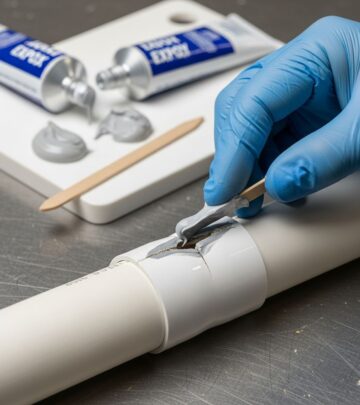
Fill chips, burns, or cuts with laminate filler or bonding compound. Apply, let cure, then sand level with medium-grit paper. Address seams: remove old silicone with an oscillating tool or scraper to prevent fish-eye bubbles in coatings.
Step 3: Sanding for Optimal Adhesion
Sand the entire surface with medium-grit to dull the glossy finish, creating micro-abrasions. Follow with fine-grit for smoothness. Wipe away dust with a tack cloth or damp rag. This step is critical; skipping it leads to peeling.
Step 4: Priming the Surface
Apply bonding primer evenly with a foam roller. Cover backsplashes too for seamless results. Allow full drying (24 hours minimum). Lightly sand glossy spots and re-prime if needed. Primers like XIM ensure paint grips non-porous laminate.
Step 5: Applying Color Coats
Select durable acrylic paints for countertops. Use a foam roller for even, streak-free application. Apply 2-3 thin coats, drying fully between each (4-6 hours). For faux finishes like marble, sponge on base, then vein with artist brushes in varied shades.
Step 6: Sealing for Protection
Once paint cures (24-48 hours), apply 2-3 coats of polyurethane topcoat. Water-based options prevent yellowing and enhance durability by up to 70%. Use thin layers to avoid bubbles; sand lightly between coats.
Advanced Techniques for Stunning Finishes
Elevate basic painting with epoxy pours for depth or metallic shimmers. Mix epoxy resin with hardener, pour over prepped surfaces, and torch bubbles. Ideal for backsplash integration; sand drips while wet. For stone effects, layer glazes mimicking granite veins.
Pro Tip: Tape edges with painter’s tape before final coats, removing before full cure to avoid lines.
Common Mistakes and How to Avoid Them
- Rushing prep: Always clean and sand fully; residue causes failures.
- Thick coats: Thin layers dry faster, reduce drips.
- Poor ventilation: Fumes are strong; work in well-aired spaces.
- Skipping seal: Unprotected paint chips quickly.
- Wrong products: Avoid latex house paint; use laminate-specific formulas.
Maintenance for Long-Lasting Results
Post-refinishing, use coasters, trivets, and cutting boards. Clean with mild soap; avoid abrasives. Sealed surfaces resist stains, but prompt spills prevent etching. Expect 5-10 years of beauty with care, outlasting DIY paints.
DIY vs. Professional: Making the Choice
DIY suits minor updates under $100, ideal for handy homeowners. Professionals offer guarantees, specialty finishes like Natural Accents, and handle complex repairs. Weigh time (weekend DIY) vs. perfection (pro 1-3 days).
Frequently Asked Questions (FAQs)
Can you paint Formica countertops directly?
No, prime first for adhesion. Bonding primers are essential on glossy surfaces.
How long does refinished Formica last?
5-15 years with proper prep and sealers, depending on use.
Is refinishing Formica waterproof?
Sealed finishes resist water, but avoid prolonged submersion.
What’s the best paint for laminate?
Acrylic enamels or countertop kits over bonding primer.
Can I refinish over existing damage?
Repair chips first; severe swelling needs replacement.
Cost Breakdown and Savings
| Method | Estimated Cost | Time |
|---|---|---|
| DIY Paint Kit | $50-150 | 2-4 days |
| Professional Refinish | $500-1500 | 1-3 days |
| Full Replacement | $2000+ | 1-2 weeks |
Refinishing slashes expenses while delivering factory-like quality.
References
- Formica Countertops Refinishing – Miracle Method — Miracle Method. Accessed 2026. https://www.miraclemethod.com/formica-countertops.htm
- Reviving Your Formica Countertop: A Step-by-Step Guide — Orea Tai. Accessed 2026. https://www.oreateai.com/blog/reviving-your-formica-countertop-a-stepbystep-guide-to-refinishing/953b4a23f61fecdae43c46486c96ed7a
- How to paint Formica countertops yourself – 4 steps for a perfect finish — Homes & Gardens. Accessed 2026. https://www.homesandgardens.com/solved/how-to-paint-formica-countertops
- How to Epoxy Countertops Over Formica with a Backsplash — YouTube (Countertop Epoxy). Accessed 2026. https://www.youtube.com/watch?v=QMFrp8dnKSE
- How to Paint Laminate Countertops | Plus 1-Year Real Life Review — YouTube. Accessed 2026. https://www.youtube.com/watch?v=cCUxBDkQjr8
Similar Articles


Read full bio of Sneha Tete