From Flea Market Find to Statement Seat: A Complete Guide to Reviving a Tired Chair
Transform a worn-out chair into a stylish, personalized accent piece with paint, fabric, and a clear step-by-step plan.
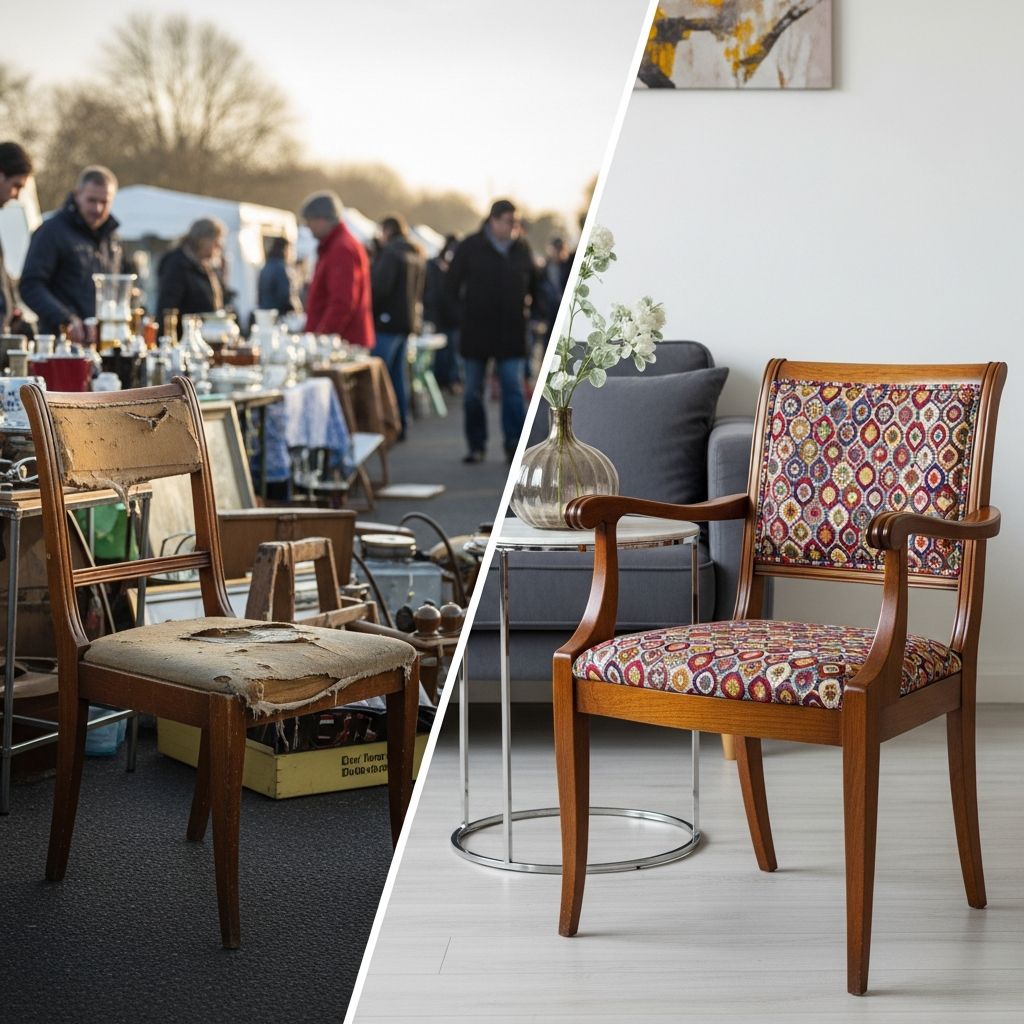
How to Turn a Tired Chair into a Showpiece: A Step-by-Step DIY Makeover
If you have a worn, wobbly, or just plain boring chair at home, you are sitting on a hidden design opportunity. With a weekend, a few basic tools, and a clear plan, you can turn a castoff seat into a statement piece that looks intentionally designer—not like a last-minute rescue from the curb.
Why Old Chairs Make Perfect DIY Projects
Chairs are one of the easiest and most rewarding pieces of furniture to transform. They are small enough to move and flip, inexpensive to experiment on, and instantly noticeable in a room once you give them a fresh look. Unlike large furniture, a chair makeover usually requires only modest amounts of paint, fabric, and time.
Giving new life to an existing chair is also a sustainable choice. Instead of sending an imperfect piece to the landfill and buying something new, you keep solid materials in use and add personality to your space at the same time.
- Low material cost compared with larger furniture.
- Quick results that can often be finished in a weekend.
- Endless design directions: colorful, neutral, vintage, modern, or eclectic.
Deciding on Your Chair’s New Personality
Before you reach for sandpaper or paint, pause and decide what role this chair will play in your home. A deliberate vision helps you choose colors, finishes, and fabrics that feel cohesive rather than random. Think about who will use the chair, how often, and where it will live.
Ask yourself these design questions to narrow down the possibilities and avoid mid-project second thoughts:
- Function: Is this a daily dining chair, a living room accent, a desk chair, or a decorative corner piece?
- Style: Do you prefer airy and minimalist, warm and rustic, playful and colorful, or polished and glam?
- Durability: Will kids climb on it, will guests drag it around, or is it mostly for light use?
- Room palette: Which colors already exist in that space, do you want the chair to blend in or stand out?
Design Direction Ideas
Use these concepts as a starting point and customize them to fit your home. You can mix elements from different directions to create a chair that feels one-of-a-kind.
- Soft Scandi: Pale wood tones or white paint, subtle texture, and neutral or pastel fabric.
- Bold Art Accent: Saturated paint color, contrasting seat fabric, and maybe a patterned cushion.
- Modern Rustic: Exposed wood grain, matte or satin protective finish, and natural linen or leather upholstery.
- Playroom Fun: Washable paint, wipeable fabric, and bright color blocking or two-tone legs and seat.
Tools and Materials You Actually Need
You do not need a woodworking shop to pull off a successful chair makeover. Most of the tools are simple and either already in your home or easy to borrow or rent. For a basic project—cleaning, painting, and refreshing a seat—this streamlined list is enough.
Basic Supply Checklist
- Drop cloth or old sheet to protect your floor.
- Mild cleaner, bucket, and rags or sponges.
- Screwdriver set for removing the seat or hardware.
- Sandpaper in several grits (for example, 80, 120, 220).
- Wood filler and putty knife for small dents or holes.
- Primer appropriate for wood or metal, depending on your chair.
- Paint (latex, chalk, or spray paint, based on your look and tools).
- Clear protective topcoat (polyurethane, polycrylic, or wax, as suited to your paint).
If You Are Reupholstering
- Staple gun and staples (plus protective glasses).
- Fabric suitable for upholstery, ideally medium to heavy weight.
- Foam cushion, if the existing pad is flat or crumbling.
- Batting to soften edges and smooth out the foam.
- Fabric scissors or very sharp household scissors reserved for fabric only.
- Pliers for pulling old staples and tacks.
Inspecting and Repairing the Chair Frame
Every successful makeover starts with a sound base. A wobbly or cracked frame will undermine even the most beautiful fabric and paint, so take time at this stage to really inspect your piece. Gently rock the chair, press on the back, and lean your weight on the seat to discover loose joints or weak spots.
Address issues before you invest in cosmetics. Fixing structural problems now will make the chair safer, more comfortable, and far more durable.
Common Problems and Simple Fixes
| Issue | What It Looks Like | What to Do |
|---|---|---|
| Loose legs or rungs | Chair rocks or creaks when you sit | Disassemble if possible, clean old glue, and reglue with wood glue and clamps. |
| Surface dents and scratches | Visible gouges or rough patches | Fill with wood filler, let dry fully, then sand smooth before painting. |
| Peeling or flaking finish | Chips of varnish or paint coming off | Scrape loose areas and sand to feather the edges before priming. |
| Cracked seat or back slat | Visible cracks that flex under pressure | Inject wood glue into the crack, clamp tightly, and let cure according to instructions. |
Cleaning and Prepping: The Step Everyone Wants to Skip
Prep work is not glamorous, but it is the difference between a finish that chips in a month and one that looks fresh for years. Even a chair that looks clean will have skin oils, dust, and residue that can interfere with paint or topcoat.
Prep Steps in Order
- Remove the seat: If your chair has a removable seat, flip the chair over and unscrew it. Set the hardware aside in a labeled container.
- Wash thoroughly: Wipe all surfaces with a mild cleaner and water, then let dry completely.
- Sand the old finish: Start with a medium grit to knock down shine and imperfections, then move to a finer grit for a smooth surface.
- Repair imperfections: Fill gouges or holes with wood filler, allow to dry, and sand flush.
- Final dust removal: Use a slightly damp cloth or tack cloth to remove all sanding dust so primer sticks evenly.
Choosing Paint, Stain, and Finish
The finish you choose depends on your design goal and how the chair will be used. For a playful, colorful piece, opaque paint makes sense. For a more refined or rustic look, a stain that shows the grain through a protective coat might be the better choice.
Finish Options at a Glance
| Finish Type | Best For | Pros | Considerations |
|---|---|---|---|
| Latex or acrylic paint | Colorful, everyday chairs | Easy to clean, wide color range | Often needs primer and topcoat for durability. |
| Chalk or mineral paint | Soft, matte, vintage looks | Good adhesion, forgiving of imperfections | Usually needs wax or sealer to protect. |
| Spray paint | Curved, detailed, or metal chairs | Smooth finish, fast application | Requires careful masking and good ventilation. |
| Wood stain + clear coat | Natural wood grain emphasis | Classic look, enhances texture | Demands more sanding and a clean surface. |
Painting or Staining the Chair Like a Pro
Once the prep is complete, the creative part finally starts. Work methodically, keeping coats thin and even, and resist the urge to rush drying times. A little patience here leads to a much more professional-looking result.
Step-by-Step Painting Process
- Prime the surface: Apply primer suitable for your material using a brush or roller. Work from underside to top to catch drips.
- Lightly sand the primer: After drying, gently sand with fine grit sandpaper to smooth any raised grain, then wipe away dust.
- Apply the first color coat: Use long, even strokes following the shape of the chair. Do not try to cover everything in one pass.
- Inspect and touch up: Once dry, check for drips or missed areas. Lightly sand if needed and apply a second coat.
- Seal the finish: When the paint is fully cured, add a clear topcoat if required to protect against scuffs and daily wear.
Tips for a Smooth Finish
- Use a high-quality brush or foam roller designed for your type of paint.
- Avoid over-brushing; once paint starts to set, brushing again can create streaks.
- Work in a dust-free area to prevent particles from sticking to wet paint.
- Let each coat dry fully according to the manufacturer’s instructions before adding another.
Reupholstering the Seat for Comfort and Style
If your chair has a padded seat, changing the upholstery is the fastest way to make it feel brand new. Even a simple solid fabric can transform the piece, especially when coordinated with the paint color or surrounding room decor.
Fabric and Cushion Choices
- Durable fabrics: Look for tightly woven cotton, linen blends, canvas, denim, or fabrics labeled for upholstery.
- Pattern scale: On a small seat, large patterns show only a portion of the design, while small or medium patterns are easier to center.
- Cleanability: Consider stain-resistant treatments or darker colors for high-traffic areas and homes with kids or pets.
- Comfort: Replace flattened foam with a new cushion of similar thickness or slightly thicker for added support.
Seat Reupholstery Steps
- Remove old fabric: Unscrew the seat from the frame. Use pliers or a staple remover to pull out old staples and lift off the fabric and batting.
- Assess the foam: If the foam is crumbly or permanently indented, cut a new piece to match the seat base.
- Add batting: Place batting over the foam to soften corners and prevent sharp edges from showing through.
- Cut new fabric: Lay the seat upside down on the wrong side of the fabric and cut with at least 3–4 inches of extra material around each edge.
- Staple the fabric: Start at the center of each side, pulling the fabric snug and stapling, then work toward the corners.
- Shape the corners: Fold excess neatly, pulling tight for smooth, rounded corners, and secure with extra staples.
- Trim and reattach: Trim extra fabric close to the staples, then screw the seat back onto the painted frame.
Styling Your Newly Revived Chair
Once your chair is dry, reassembled, and ready for use, the fun continues with styling. How you place and pair the chair in your space will determine whether it quietly supports the room or steals the spotlight in the best way.
Ways to Showcase Your Chair
- Reading nook: Add a small side table, a floor lamp, and a throw blanket to turn your chair into a cozy corner.
- Entryway perch: Use it as a spot for putting on shoes, paired with a basket underneath for storage.
- Desk companion: Move it to a home office or vanity for a unique alternative to generic office chairs.
- Dining highlight: Use your revamped chair as a special end chair at a dining table alongside simpler side chairs.
Quick Safety and Practical Tips
DIY projects are most satisfying when they are both beautiful and safe. While a chair makeover is generally low-risk, it still involves tools, chemicals, and weight-bearing furniture, so a few precautions go a long way.
- Work in a well-ventilated area when using paint, primer, and adhesives.
- Wear eye protection when sanding, stapling, or cutting materials.
- Allow all finishes to cure fully before heavy use, especially in homes with children or pets.
- Test the chair by sitting and gently rocking before putting it into regular rotation.
Frequently Asked Questions About DIY Chair Makeovers
How long does a typical chair makeover take?
The active work time is often just a few hours, but drying and curing can stretch the project across a weekend. Plan for at least one day to handle cleaning, sanding, and the first coats of paint, plus another day for additional coats, sealing, and reassembly.
Do I have to strip all the existing finish?
Not always. If the current finish is sound—not peeling, flaking, or sticky—you can usually scuff-sand it and apply primer. When the finish is badly damaged or when you want to stain bare wood, more thorough stripping and sanding is worth the effort.
What kind of paint holds up best on chairs?
Chairs experience more constant contact than many other furniture pieces, so durability matters. A good-quality acrylic or latex paint paired with a compatible clear topcoat is usually a reliable choice. For a smoother, factory-like look on detailed or metal chairs, carefully applied spray paint can also be very effective.
How do I avoid visible staple lines on the seat?
Use enough batting to soften the transition between wood base and fabric, and pull the fabric consistently tight as you staple. Keep staples close to the underside edge of the seat so they are hidden once the seat is reattached to the frame.
Can a beginner really get a designer-level result?
Yes. The secret is not advanced tools but thoughtful planning and patience. Taking time to prep properly, letting each coat dry fully, and choosing a simple color-and-fabric combination sets you up for a finished chair that looks intentional and polished rather than hastily thrown together.
Similar Articles







Read full bio of Sneha Tete