Revive Your Sagging Couch: Complete DIY Guide
Restore comfort to your worn-out couch with these proven DIY techniques, from cushion fluffing to spring repairs—no new furniture needed.
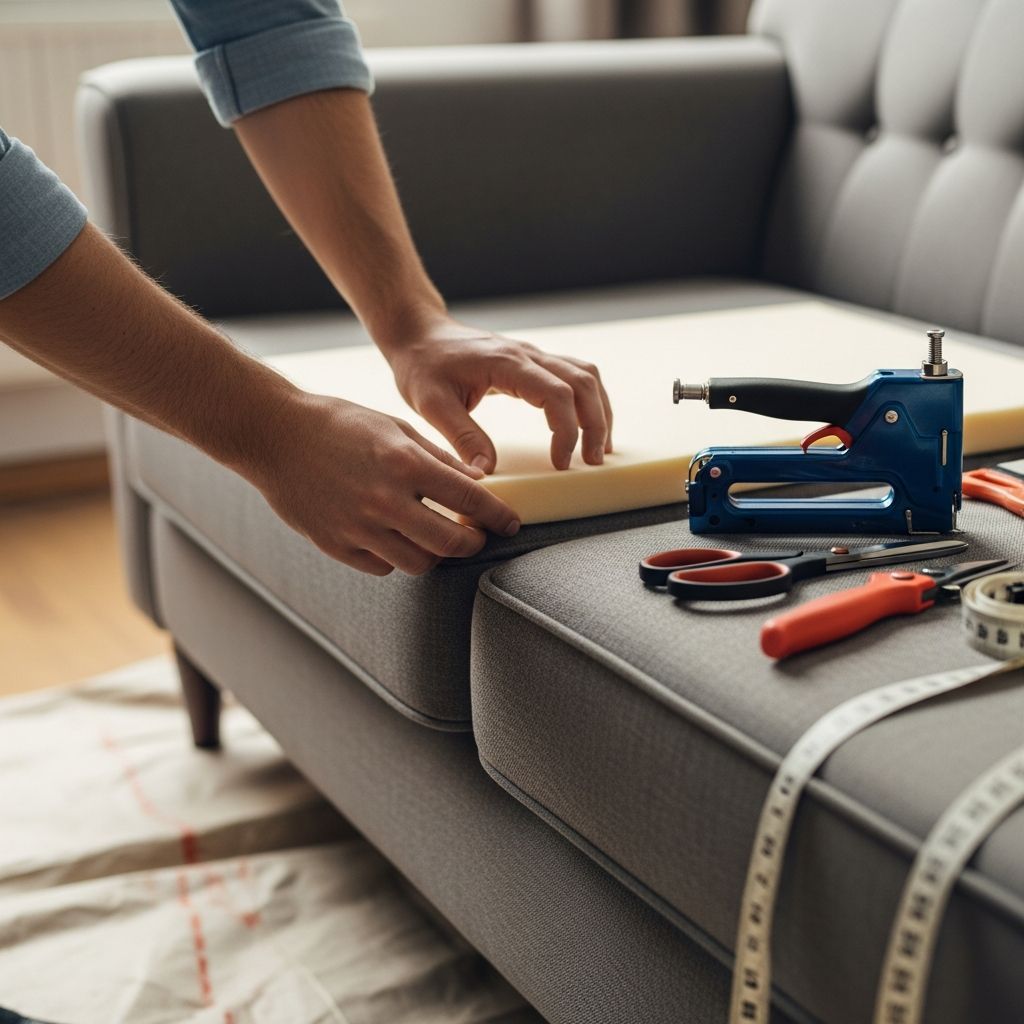
Your favorite couch may start to sag over time due to regular use, leading to discomfort and an unsightly appearance. This guide provides a comprehensive approach to diagnosing and repairing sagging couches, particularly those with attached cushions, using accessible tools and materials. By following these steps, you can restore firmness and extend the furniture’s lifespan without professional help.
Understanding Why Couches Sag
Sagging occurs when internal components like foam padding, springs, or the frame weaken. Attached cushions complicate repairs because they cannot be easily removed or rotated, but targeted fixes address the root causes directly. Common culprits include compressed foam from body weight, stretched springs that lose tension, and insufficient frame support under heavy use.
Regular maintenance prevents rapid deterioration. Vacuum under cushions weekly and avoid jumping on the sofa to preserve structural integrity. For older pieces, proactive repairs can add years of service.
Essential Tools and Materials for Couch Repairs
Before starting, assemble these items to ensure smooth progress:
- Staple gun with staples
- Utility knife or scissors
- Pliers or vice grips
- Flat-head screwdriver
- Drill with bits
- Measuring tape
- Replacement foam (high-density preferred)
- Polyester fiberfill
- Serpentine springs or wire/twine
- Plywood sheet (1/4-inch thick)
- Dust cover fabric
These tools handle most repairs efficiently. Source materials from hardware stores matching your couch’s dimensions for best results.
Step 1: Initial Assessment and Preparation
Begin by flipping the couch upside down on a stable surface, balancing it on chairs if needed for access. Remove legs by unscrewing them and detach the bottom dust cover using a screwdriver or pliers to expose the understructure.
Inspect thoroughly: Check springs for stretching or breaks, foam for flattening, and frame for cracks. Press cushions to identify soft spots. This diagnosis guides your repair strategy—foam issues need padding fixes, while loose springs require tension adjustments.
| Issue | Symptoms | Primary Fix |
|---|---|---|
| Compressed Foam | Cushions sink unevenly | Add/replace foam |
| Loose Springs | Base sags when sat upon | Tighten or replace |
| Weak Frame | Creaking or visible cracks | Reinforce with plywood |
Step 2: Quick Fixes for Attached Cushions
For attached cushions, avoid full removal by focusing on accessible areas. First, unzip or carefully cut seams to access filling without damaging fabric. Beat cushions firmly to redistribute compacted material, mimicking pillow fluffing for temporary firmness.
If sagging persists, insert polyester fiberfill or cut high-density foam pieces to fit saggy sections. Push inserts deep into cushions and reseal seams with tight stitching or fabric glue. This method revives softness without disassembly.
- Measure sag depth before cutting inserts.
- Use foam density of 1.8-2.5 lbs/ft³ for durability.
- Test firmness after each addition to avoid overstuffing.
For an ultra-quick solution, layer a sofa topper or mat protector over cushions. These pads add uniform support, masking minor sags while you plan deeper repairs.
Step 3: Tightening and Repairing Springs
Springs provide foundational bounce; when stretched, they cause pronounced dips. Use vice grip pliers to compress each spring segment, shortening them to restore tension. Work systematically from front to back, squeezing multiple coils per spring.
For damaged units, detach clips holding ends and install new serpentine springs. Hook ends into frame clips, ensuring even spacing. Reinforce by weaving paper-wrapped wire or heavy twine perpendicularly through spring curves, tying knots securely for added stability.
After adjustments, bounce-test the base: It should resist deep compression. This step often resolves 70% of sagging issues in mid-life couches.
Step 4: Replacing and Enhancing Foam Padding
Exhausted foam loses resilience, compressing permanently under weight. Cut away deteriorated sections with a utility knife, preserving cover integrity. Measure the cavity precisely and cut replacement foam to match, opting for reticulated or convoluted varieties for breathability.
Layer new foam over existing if partial replacement suffices, securing with spray adhesive. For full overhaul, wrap foam in batting before reinsertion. Staple or sew covers back, smoothing wrinkles for a professional finish.
Pro tip: High-resiliency (HR) foam withstands 30% more cycles than standard types, ideal for high-traffic homes.
Step 5: Reinforcing the Frame for Long-Term Stability
If springs and foam check out but sagging endures, the frame needs bolstering. Cut 1/4-inch plywood to frame dimensions, laying it flat atop slats or directly on the base. Secure with screws every 6 inches, avoiding spring interference.
For cracked wood, replace sections: Unscrew damaged parts, fit new lumber matching thickness, and reattach springs via clips. This plywood platform distributes weight evenly, preventing future breakdowns.

Reassembly and Finishing Touches
Reinstall the dust cover, stapling tautly around edges. Screw legs back on, ensuring level placement. Flip upright and fluff cushions. Vacuum thoroughly and apply fabric protector spray for stain resistance.
Break in repairs by sitting evenly across the surface. Monitor for shifts over a week, adjusting as needed. Proper reassembly yields a couch rivaling new condition.
Preventive Care to Avoid Future Sagging
Maintenance sustains repairs:
- Rotate use across all seats.
- Use protective covers.
- Support arms during sits.
- Annual undercarriage inspections.
These habits double furniture longevity, saving thousands on replacements.
Common Mistakes to Avoid in Couch Repairs
Steer clear of:
- Undersized materials: Always match or exceed original specs.
- Rushed spring work: Uneven tension causes wobbling.
- Ignoring frame cracks: They worsen without reinforcement.
- Low-quality foam: Cheap fills compress quickly.
Patience ensures durable outcomes.
Frequently Asked Questions (FAQs)
What causes attached cushions to sag faster?
Attached designs prevent rotation, concentrating wear in high-use spots. Targeted stuffing restores balance.
Can I fix a couch without replacing springs?
Yes, tightening existing ones with pliers often suffices unless broken.
How long do repairs last?
With quality materials and care, 5-10 years, matching new budget models.
Is plywood safe for all couches?
Best for slat-based frames; measure clearance to avoid spring compression.
What if my couch has a metal frame?
Focus on springs and foam; weld cracks professionally if severe.
Advanced Tips for Professional Results
For enthusiasts, steam-clean fabric pre-repair to refresh appearance. Consider sinuous spring upgrades for superior bounce. Track progress with before/after photos for fine-tuning.
This holistic method transforms tired sofas into cozy havens, proving DIY prowess pays off handsomely.
References
- Structural Guidelines for Upholstered Furniture — American Home Furnishings Alliance. 2023-05-15. https://ahfa.us/standards
- Foam Selection for Seating Applications — Polyurethane Foam Association. 2024-02-10. https://pfa.org/foam-guide
- How to Fix a Sagging Couch in 5 Steps — TaskRabbit Blog. 2023-11-20. https://www.taskrabbit.com/blog/how-to-fix-a-sagging-couch/
- A Step-by-Step Guide on How to Fix a Sagging Sofa — Lowe’s. 2024-08-05. https://www.lowes.com/n/how-to/how-to-fix-a-sagging-sofa
- 3 Ways to Fix a Sagging Couch or Sofa – Simple and Easy DIY — Father and Son Fix (YouTube). 2023-02-11. https://www.youtube.com/watch?v=mldXMqkU27I
Similar Articles




Read full bio of Sneha Tete