Revive Your Sofa: Firm Up Sagging Cushions
Discover proven DIY techniques to restore firmness to your sofa cushions and extend their lifespan without buying new furniture.
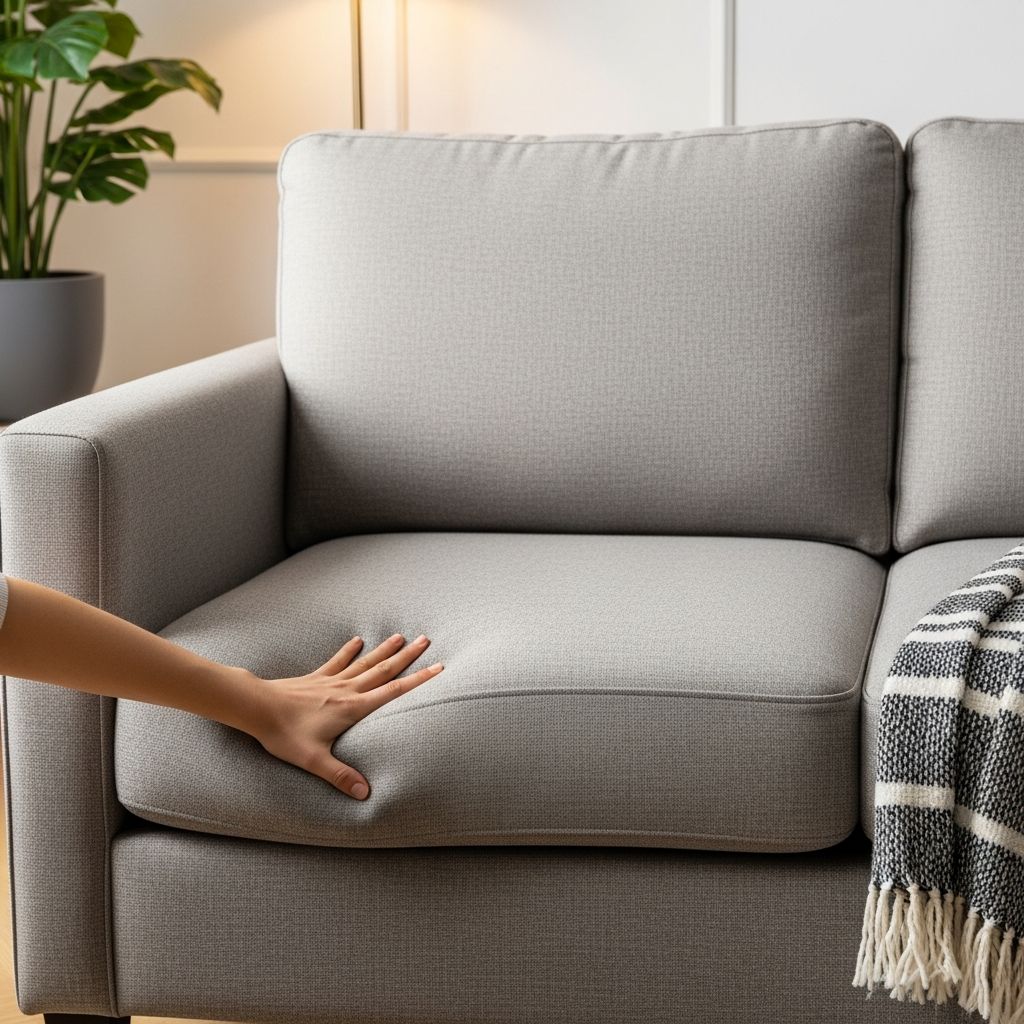
Sagging cushions can transform a once-comfortable sofa into an uncomfortable eyesore, but you don’t need to replace the entire piece. With basic tools and materials, homeowners can restore firmness through targeted DIY approaches. This guide explores practical strategies, drawing from reliable home maintenance practices to help you achieve professional results at a fraction of the cost.
Understanding Why Cushions Sag
Cushion degradation occurs primarily due to foam compression over time. Daily use causes polyurethane foam—the standard filling in most sofas—to lose resilience, especially in high-traffic areas. Factors like humidity, improper rotation, and low-quality initial materials accelerate this process. Attached or detachable cushions both suffer, but identifying the type is key to selecting the right fix.
- Compression set: Foam permanently deforms under repeated weight.
- Environmental damage: Moisture softens materials, leading to breakdown.
- Uneven wear: Favorite sitting spots sink faster without rotation.
Addressing these issues early prevents further deterioration and maintains structural integrity.
Quick Fixes for Immediate Firmness
For those seeking fast results without disassembly, start with non-invasive methods. These temporary solutions buy time while planning more permanent repairs.
Rotate and Flip Cushions
Simply turning cushions upside down or swapping their positions distributes wear evenly. This technique revives slight sags by exposing unused surfaces to compression. Perform this monthly to prolong foam life. For attached back cushions, unzip hidden seams underneath to flip internals if accessible.
Add Plywood or Cardboard Support
Place a thin plywood sheet or layered cardboard cut to cushion dimensions beneath the cover. This adds a rigid base, elevating softness without altering the filling. Ensure the material fits snugly to avoid shifting, providing noticeable firmness under soft foam.
| Method | Pros | Cons | Time Required |
|---|---|---|---|
| Flipping | No tools needed; free | Temporary; limited effect | 5 minutes |
| Plywood Base | Strong support; inexpensive | May bunch fabric; not aesthetic | 15 minutes |
Stuffing Techniques for Added Plushness
Polyfill, batting, or polyester fiber offers a budget-friendly way to bulk up cushions. This method suits mild sagging and works on both removable and fixed types.
- Unzip the cushion cover carefully to avoid tears.
- Remove old filling if compacted.
- Stuff new material firmly, focusing on low spots for even distribution.
- Zip securely and fluff by hand.
Use more fill for sturdier feel, but avoid overstuffing to prevent lumpiness. This approach mimics down feathers’ resilience without the mess.
Tufting for Structured Support
Tufting involves sewing buttons through the cushion to compress foam strategically, creating a tailored, firm appearance. Ideal for decorative sofas, this elevates aesthetics alongside comfort.
- Gather tufting needles, strong twine, buttons, and chalk.
- Mark even spots on both sides (typically 4-6 per cushion).
- Thread twine through buttons, pierce fabric, and knot tightly on the reverse.
- Trim excess for a clean finish.
This prevents future shifting and adds vintage charm. Practice on scrap fabric first.
Comprehensive Foam Replacement Guide
The gold standard for lasting firmness is swapping out degraded foam with high-density alternatives. Polyurethane foam in 1.8-2.5 lb/ft³ density provides optimal durability, softening naturally over years rather than collapsing abruptly.
Selecting the Right Foam
Measure existing cushions precisely: length, width, and thickness. Opt for foam ¼ to ½ inch thicker to fill covers fully, avoiding bagginess. High-resiliency (HR) foam resists breakdown better than standard types.
| Foam Density | Firmness Level | Best For | Lifespan |
|---|---|---|---|
| 1.8 lb/ft³ | Medium | Everyday use | 5-7 years |
| 2.2 lb/ft³ | Firm | Heavy use | 8-10 years |
| 2.5+ lb/ft³ | Extra Firm | Commercial | 10+ years |
Step-by-Step Replacement Process
For detachable cushions:
- Unzip and extract: Remove old foam; note any batting or netting.
- Trace and cut: Lay old foam on new sheet, outline with marker, and slice using an electric knife for clean edges.
- Wrap securely: Encase in polyester batting (1-2 inches thick) to soften edges and prevent friction wear.
- Reinsert: Turn cover inside out, maneuver foam in (team up for ease), then zip.
For attached cushions, access via bottom zippers. Air out new foam 24-48 hours post-unpacking to dissipate odors.
Tools and Materials Checklist
- High-density foam sheet
- Electric carving knife or serrated blade
- Polyester batting or fiber fill
- Measuring tape
- Marker and scissors
- Duck tape for seams if needed
Advanced Tips for Longevity
Beyond repairs, preventive habits extend results. Rotate cushions bi-weekly, vacuum weekly to remove debris, and use furniture sliders for easy movement. In humid climates, employ dehumidifiers to protect foam integrity. For custom sizes, specialty suppliers cut to spec, ensuring perfect fits.
Consider feather-down blends for luxury feel atop firm foam bases, balancing support and plushness. Test firmness by sitting: it should contour without bottoming out.
Common Mistakes to Avoid
- Undersized foam: Leads to slippage; always go slightly thicker.
- Skipping batting: Causes rough edges and accelerated cover wear.
- Rushing insertion: Tears fabric; patience yields better outcomes.
- Low-density choices: Repeats the sagging cycle quickly.
Frequently Asked Questions
What is the best foam density for sofa cushions?
High-density foam at 2.0 lb/ft³ or higher offers the best balance of firmness and comfort for residential sofas, lasting 7-10 years under normal use.
Can I fix cushions without replacing foam?
Yes, stuffing with polyfill, tufting, or adding underlay support provides temporary firmness, ideal for minor sags.
How often should I replace couch foam?
Every 5-10 years, depending on usage; signs include visible dents over 1 inch deep or bottoming out when seated.
Where to source replacement foam?
Online foam specialists, craft stores for standards, or upholstery shops for custom cuts and densities.
Does batting make a difference?
Absolutely—it smooths edges, reduces noise, and protects covers from direct foam abrasion.
References
- Foam Replacement Couch Cushions, Custom — FoamOrder. 2023. https://www.foamorder.com/custom-cushions/indoor-cushions/replacement-cushions-by-shape
- How to Firm Up Your Soft Couch in Minutes — Recreated Designs. 2021-06-01. https://www.recreateddesigns.com/2021/06/how-to-firm-up-soft-couch-in-minutes/
- How to Fix Sagging Couch Cushions — Thistlewood Farms. Accessed 2026. https://thistlewoodfarms.com/how-to-fix-sagging-couch-cushions/
- 3 Proven Ways To Fix Sagging Couch Cushions at Home — Comfort Works (YouTube). 2023. https://www.youtube.com/watch?v=Ley3O32drcg
- How To Fix A Couch That Is Too Soft – Easy Tutorial — YouTube Tutorial. Accessed 2026. https://www.youtube.com/watch?v=WpIis6L3CHs
Similar Articles








Read full bio of Sneha Tete