Revive Sticky Kitchen Cabinets: Ultimate Cleaning Guide
Discover proven methods to eliminate stickiness from kitchen cabinets, restore shine, and prevent future buildup for a spotless kitchen.
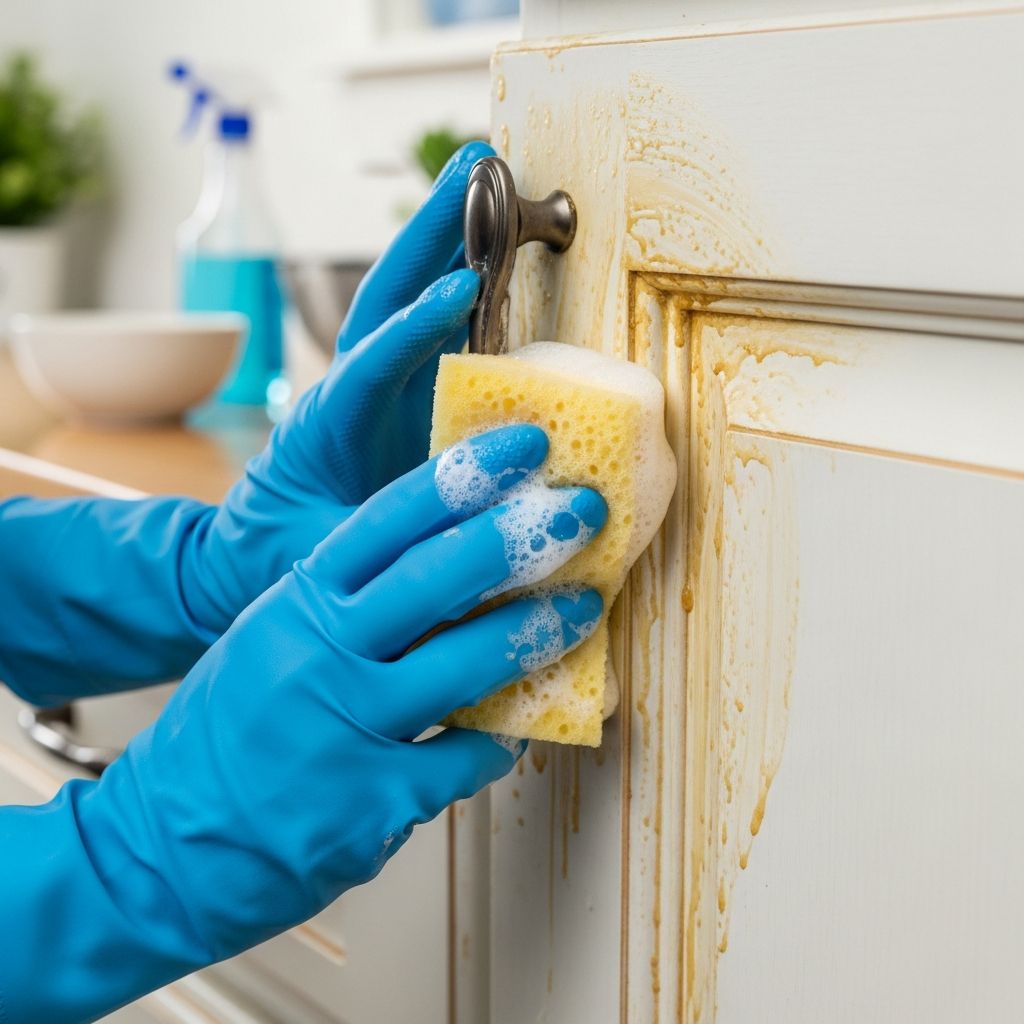
Kitchen cabinets often develop a sticky residue from cooking oils, spills, and daily use, making doors hard to open and surfaces tacky to the touch. This comprehensive guide provides original, tested strategies to remove buildup safely, tailored to different materials, ensuring your cabinets look new without damage.
Understanding Sticky Residue on Cabinets
Sticky kitchen cabinets result primarily from airborne grease particles that settle during cooking, combined with fingerprints, sugary spills, and dust accumulation. Over time, this creates a film that attracts more dirt, especially in high-traffic areas like door handles and edges. Regular maintenance prevents escalation into stubborn stains, preserving both aesthetics and functionality.
Common culprits include frying oils, steam from boiling pots, and even pet hair sticking to the grease layer. Addressing it promptly avoids deeper penetration into wood grains or paint finishes, which could lead to discoloration or warping.
Essential Tools and Supplies for Effective Cleaning
Gather these items before starting to ensure a smooth process:
- Microfiber cloths for lint-free wiping
- Mild dish soap for grease-cutting power
- Distilled white vinegar for natural degreasing
- Baking soda for abrasive pastes on tough spots
- Spray bottle for custom solutions
- Soft-bristled toothbrush or magic eraser for crevices
- Cotton swabs for detailed hardware cleaning
- Dry towels for immediate drying
These household staples are non-toxic and safe for food-prep zones, minimizing chemical exposure.
Basic Daily Maintenance to Combat Stickiness
Incorporate quick routines to keep stickiness at bay. Start each session by dusting surfaces with a dry microfiber cloth, targeting handles and top edges where grime hides. Follow with a damp cloth lightly misted with warm water and a drop of dish soap—wipe in gentle circles, then dry thoroughly.
This 5-minute habit prevents buildup. For glass inserts, use a streak-free glass cleaner on a cloth to avoid drips. Consistency here reduces the need for intensive deep cleans.
Step-by-Step Guide to Removing Sticky Buildup
Follow this sequence for thorough results:
- Dust Thoroughly: Remove loose particles with a dry cloth or vacuum brush attachment, paying extra attention to recessed panels and hinges.
- Mix Cleaning Solution: Combine warm water, a few drops of mild dish soap, and equal parts white vinegar in a spray bottle. This cuts grease without harsh fumes.
- Test in Hidden Spot: Apply to an inconspicuous area like inside a cabinet to check for discoloration, especially on painted or wood surfaces.
- Apply and Wipe: Spray solution onto a microfiber cloth (never directly on cabinets), then wipe doors in sections, following wood grain if applicable. Use circular motions for flat painted areas.
- Rinse Residue: Go over with a clean, damp cloth to lift soap traces.
- Dry Immediately: Buff with a dry cloth to prevent water spots or moisture damage, critical for wood and MDF.
Advanced Techniques for Stubborn Sticky Spots
When basic methods fall short, escalate with targeted approaches. For hardened grease:
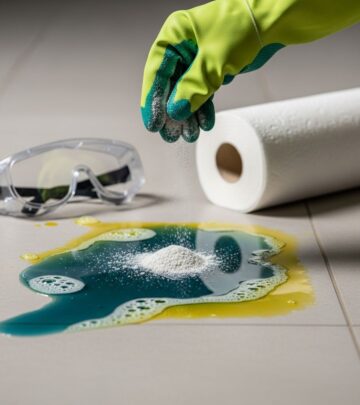
- Create a baking soda paste (mix with water to toothpaste consistency), apply to spots, let sit 5-10 minutes, then scrub gently with a soft sponge. Rinse and dry.
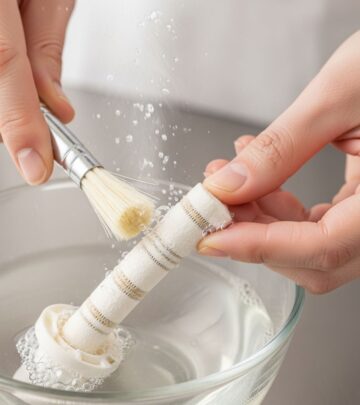
- For crevices around handles, dip a toothbrush in vinegar solution and scrub lightly, following with a cotton swab for precision.
- Sticky spills like honey? Chill with an ice cube for 2 minutes to harden, then scrape gently with a plastic scraper before cleaning.
Avoid abrasive pads on delicate finishes to prevent scratches.
Custom Cleaning Methods by Cabinet Material
Different surfaces demand specific care to avoid harm.
| Cabinet Type | Recommended Solution | Key Tips |
|---|---|---|
| Wood | Sugar soap or diluted vinegar (1:2 ratio) | Wipe along grain; wring cloth well; dry fully to avoid warping. |
| Painted/MDF | Mild soap water only | Gentle pressure; no soaking; immediate drying protects finish. |
| Glass Doors | Glass cleaner or vinegar spray on cloth | Buff for streak-free shine; toothbrush edges. |
| Laminated | Dish soap solution | Soft cloth; avoid excess moisture buildup. |
Deep Cleaning Your Entire Kitchen Cabinet System
Every 3-6 months, perform a full overhaul. Empty cabinets, vacuum interiors, and wipe shelves with baking soda paste for sticky residues inside. Focus on undersides and sides often overlooked. For hardware, soak knobs in soapy water, scrub, air-dry, then reattach.
Use an extender duster for tops, spraying solution first. Steam can loosen heavy grease—hold a steamer 6 inches away briefly, then wipe.
Cleaning and Maintaining Cabinet Hardware
Handles and hinges collect the most grime. Remove if possible, soak in warm soapy water 10-15 minutes, scrub with non-abrasive sponge, rinse, and dry. For in-place cleaning, wrap a vinegar-soaked cloth around, secure with a rubber band, let sit, then buff. Disinfectant wipes work for quick sanitizing post-clean.
Prevention Strategies for a Stickiness-Free Kitchen
Prolong cleanliness with these habits:
- Install a strong range hood to capture cooking vapors.
- Wipe splatters immediately after meals.
- Use splatter screens during frying.
- Weekly light cleans with microfiber and vinegar mist.
- Avoid aerosol sprays near cabinets to prevent residue.
Post-holiday deep cleans tackle seasonal buildup from festive cooking.
Frequently Asked Questions
Can I use bleach on sticky cabinets?
No, bleach is too harsh and can strip finishes or discolor wood. Stick to mild soap and vinegar.
How often should I deep clean cabinets?
Every 3-6 months, or more if you cook frequently with oils.
What if vinegar dulls my painted cabinets?
Dilute further or switch to plain soapy water. Always test first.
Is baking soda safe for all surfaces?
Yes for most, but use sparingly on matte finishes to avoid abrasion.
How do I clean cabinet tops without a ladder?
Extendable dusters sprayed with solution reach high spots effectively.
Pro Tips for Lasting Cabinet Shine
– Work top-to-bottom to avoid drips on cleaned areas.
– Polish with a microfiber cloth after drying for extra gleam.
– In humid kitchens, increase drying vigilance.
– Choose non-toxic cleaners for family safety.
Implementing these methods transforms sticky cabinets into pristine focal points, enhancing your kitchen’s appeal effortlessly.
References
- How to Clean Cabinet Doors Properly — Kitchen Makeover Company. 2023-05-15. https://kitchenmakeovercompany.com/how-to-clean-cabinet-doors/
- How to Clean Shaker Cabinets the Easy Way at Home — Kitchen Cabinet Depot. 2024-02-10. https://www.kitchencabinetdepot.com/blog/how-to-clean-shaker-cabinets.html
- How to Clean Kitchen Cabinets: Tested and Recommended Products — Fabuwood. 2024-08-22. https://www.fabuwood.com/blog/how-to-clean-kitchen-cabinets-tested-and-recommended-products/
- Cleaning HACKS for Kitchen Cabinets you NEED TO KNOW! — YouTube (Video Transcript). 2023-11-05. https://www.youtube.com/watch?v=NGTQcT68Zbs
Similar Articles




Read full bio of medha deb