Revive Your Metal Patio Bench
Transform worn-out metal patio benches into stunning outdoor features with expert painting techniques and durable finishes that withstand weather.
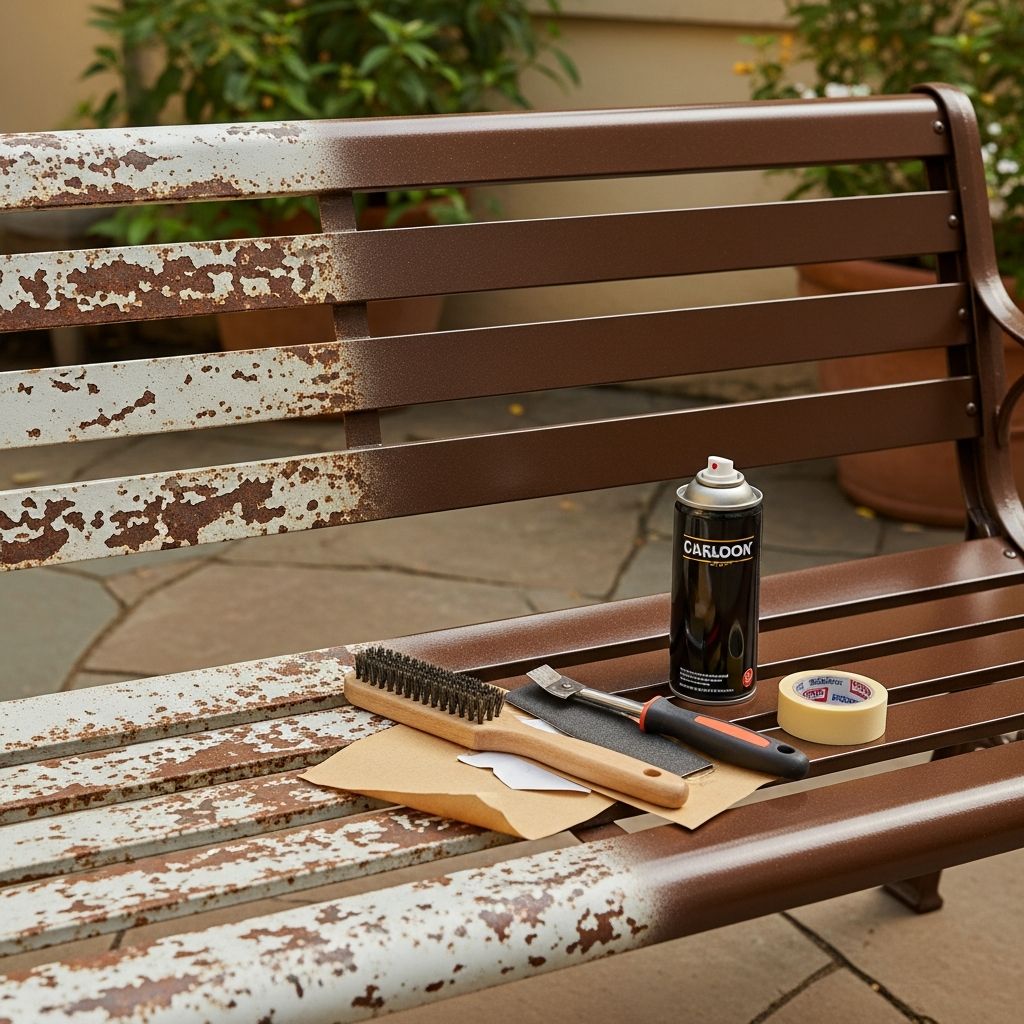
Outdoor metal patio benches endure harsh elements like rain, sun, and temperature swings, leading to rust, peeling paint, and faded appearances over time. Repainting restores their appeal and extends their life, turning a simple weekend project into a vibrant backyard upgrade. This guide provides a comprehensive approach to achieve professional results at home.
Why Repaint Your Outdoor Bench
Regular maintenance through repainting prevents corrosion and maintains structural integrity. Metal benches exposed to moisture develop rust spots that weaken the frame if untreated. A fresh coat of specialized paint creates a barrier against UV rays and humidity, potentially lasting several seasons. Homeowners report benches looking new after restoration, enhancing patio aesthetics without costly replacements.
Essential Tools and Materials
Gathering the right supplies ensures smooth execution. Focus on products designed for exterior metal surfaces to maximize adhesion and durability.
- Wire brush or stiff-bristled brush for rust removal
- Medium-grit sandpaper (100-220 grit) and fine-grit for smoothing
- Degreaser or TSP substitute cleaner
- Rust-inhibiting primer (e.g., bonding primer for metal)
- High-quality spray paint for outdoor metal (all-in-one or metallic finishes)
- Clear sealant spray for added protection
- Drop cloths, painter’s tape, gloves, safety goggles, and dust mask
- Optional: Electric sander, rust converter, or scrub sponge
Invest in reputable brands like Rust-Oleum for proven performance on patio furniture. All-in-one spray paints simplify the process by combining primer and color.
Preparing Your Work Area
Safety and cleanliness are paramount. Select a shaded, well-ventilated outdoor space to avoid fumes and overspray. Lay down drop cloths or tarps to protect surrounding surfaces. If indoors, use a garage with open doors. Wear protective gear to guard against dust, chemicals, and potential lead from old paint.
Step-by-Step Surface Preparation
Proper prep accounts for 70% of a successful repaint, ensuring paint bonds effectively.
Initial Cleaning
Start by hosing down the bench to remove dirt, pollen, and loose debris. For stubborn grime, mildew, or grease, apply a degreaser with a scrub sponge, then rinse thoroughly. Dry completely with clean towels to prevent trapping moisture.
Rust and Old Paint Removal
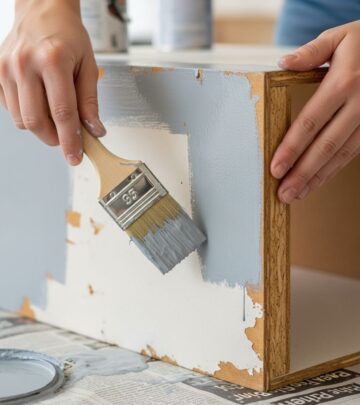
Inspect for rust pits and flaking paint. Use a wire brush to scrape away loose material, focusing on crevices and undersides. Follow with medium-grit sandpaper to dull glossy surfaces and eliminate rust. For heavy rust, apply a rust remover or converter, allowing it to penetrate before scrubbing. Sand smooth with finer grit. Avoid removing all old paint; target only loose or damaged areas to save time.
| Surface Type | Recommended Tools | Tips |
|---|---|---|
| Wrought Iron | Wire brush + sandpaper | Reach bare metal for best adhesion |
| Aluminum | 100-grit then 220-grit sandpaper | Roughen then smooth surface |
| General Rust | Rust converter + brush | Neutralize before priming |
Final Wipe-Down
Wipe the bench with a tack cloth or damp rag to remove sanding dust. Ensure it’s bone-dry before priming, as moisture causes bubbling.
Applying Primer for Lasting Protection
Primer creates a key for paint adhesion and blocks rust reformation. Shake the can vigorously for one minute. Hold 8-10 inches away, applying thin, even coats in sweeping motions. Start with the underside, flipping the bench as needed. Allow 1-2 hours drying time per label instructions, or overnight for best results. One to two coats suffice for most surfaces.
Use a metal-specific primer like Rust-Oleum Bonding Primer, which grips slick metals without extensive sanding.
Mastering the Painting Technique
Spray paint delivers a factory-like finish superior to brushes for even coverage on contoured benches.
Choosing the Perfect Paint
Opt for exterior-grade, rust-resistant sprays. Metallic finishes like Rust-Oleum Universal Metallics offer elegance without primer on lightly prepped surfaces. For bold colors, Ultra Cover provides variety in sheens. All-in-one formulas streamline application.
Application Best Practices
Shake cans for 1-2 minutes. Maintain 8-12 inches distance, using 45-degree angles for slats and curves. Apply light mist coats to avoid drips—better multiple thin layers than one heavy. Coat bottoms first, wait 15-30 minutes between coats (2-4 total). Work in shade to prevent fast drying and blotchiness. Final cure takes 24-48 hours.
- First coat: Very light for base adhesion
- Subsequent coats: Build opacity gradually
- Avoid direct sun or wind during process
Sealing for Ultimate Durability
Top with a clear polyurethane or acrylic sealant spray for UV and water resistance. Apply 1-2 thin coats after paint cures fully (24 hours). This step repels dirt and extends finish life by years, especially in humid climates.
Curing, Reassembly, and Maintenance
Position the bench in a ventilated, sheltered spot for 48 hours minimum. Avoid use until fully hardened. Gently reassemble cushions or accessories. Clean annually with mild soap, touching up scratches promptly. Store under cover during off-seasons.
Common Mistakes to Avoid
- Skipping primer: Leads to peeling and rust return.
- Heavy coats: Causes runs and uneven texture.
- Painting in direct sun: Results in bubbling or poor adhesion.
- Inadequate prep: Paint fails to stick on dirty or glossy surfaces.
- No safety gear: Risks health from fumes and particles.
Advanced Tips for Professional Results
For ornate benches, use painter’s tape on non-metal parts. Electric sanders speed prep on large surfaces. Test paint on inconspicuous areas. Multiple colors? Mask between applications. Humidity above 80%? Delay project to avoid curing issues.
Cost and Time Breakdown
| Item | Estimated Cost | Time |
|---|---|---|
| Prep tools | $20-40 | 1-2 hours |
| Primer (1 can) | $10 | 30 min |
| Paint (2-3 cans) | $25-40 | 1 hour |
| Sealant | $10 | 20 min |
| Total | $65-100 | 4-6 hours + drying |
This DIY saves hundreds versus new furniture ($300+).
FAQs
Can I paint over rust without removal?
No, use rust converter first, but full removal yields best longevity.
How long does the finish last?
3-5 years with proper prep and quality products; reseal yearly.
Is brush painting viable?
Possible for small areas, but spray ensures smoother, faster coverage.
What if my bench has lead paint?
Wear N95 mask, wet sand, and dispose properly per local regs.
Best time of year?
Spring/fall; mild temps (50-80°F), low humidity.
References
- How to Paint Rusty Metal Patio Furniture? — YouTube. Accessed 2026. https://www.youtube.com/watch?v=IhPJZNxmm1s
- Using Spray Paint to Revitalize Your Metal Patio Furniture — Westlake Hardware. Accessed 2026. https://westlakehardware.com/resources/tips-tricks/using-spray-paint-revitalize-metal-furniture/
- How to Restore Metal Outdoor Furniture (So It’s Better Than New!) — Renovated Faith. Accessed 2026. https://renovatedfaith.com/how-to-restore-metal-outdoor-furniture/
- How to Renovate Your Patio Chairs — Sherwin-Williams. Accessed 2026. https://www.sherwin-williams.com/en-us/project-center/paint/how-to-renovate-patio-chairs
- Restore Faded Metal Outdoor Furniture — New Again Patio Furniture. Accessed 2026. https://newagainpatiofurniture.com/restore-faded-metal-outdoor-furniture/
Similar Articles



Read full bio of Sneha Tete