Reviving Blinds: Complete Dyeing Guide
Transform faded window blinds into vibrant focal points with our expert dyeing techniques and step-by-step instructions for lasting results.
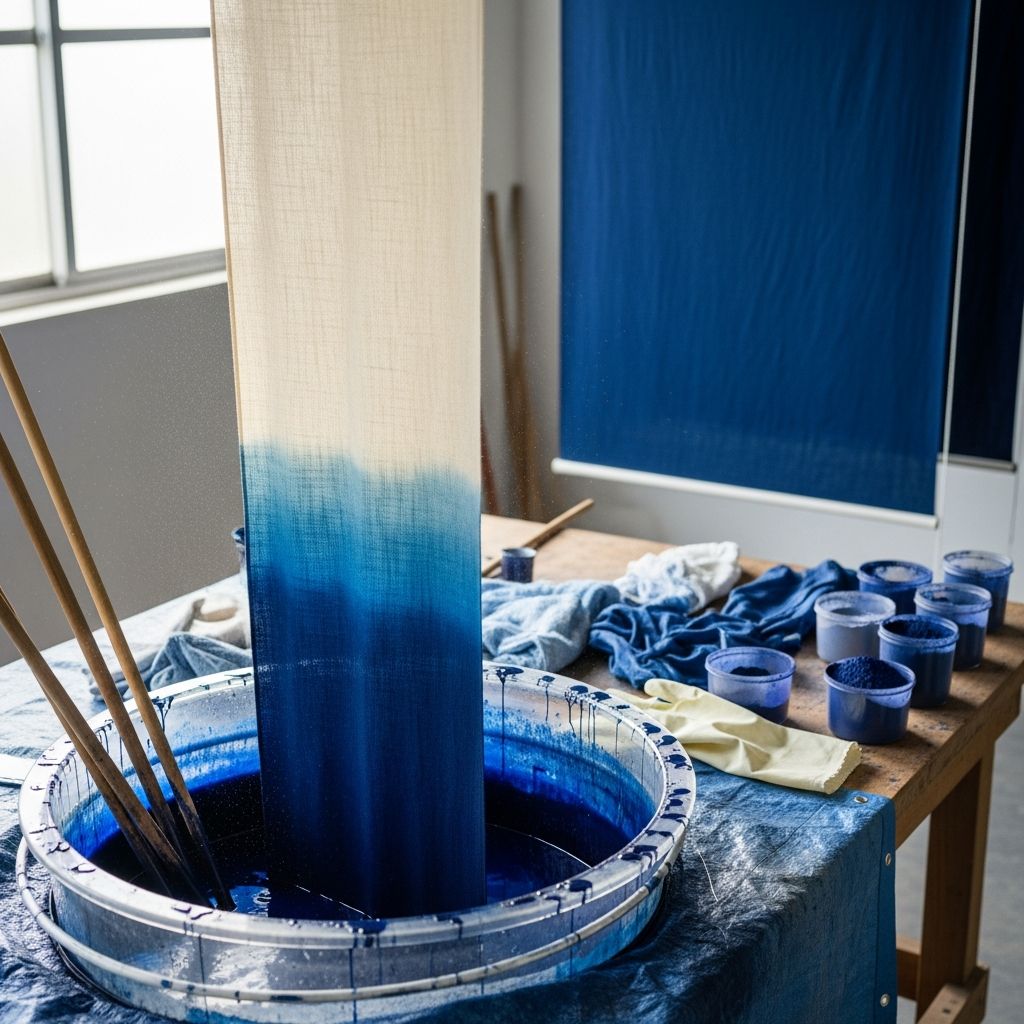
Updating the appearance of window treatments doesn’t require expensive replacements. Dyeing or painting mini blinds offers a cost-effective way to refresh your space, allowing customization to match any interior theme. This guide provides detailed steps for safely transforming aluminum, vinyl, or fabric blinds into striking features.
Why Choose Dyeing Over Replacement?
Window blinds accumulate dust, fade from sunlight, and clash with evolving decor tastes. Rather than discarding them, dyeing restores vibrancy while saving money—often under $20 per set. This method suits various materials, extending usability by years. Homeowners report satisfaction from creative color choices, turning mundane coverings into personalized accents.
Benefits include environmental impact reduction by reusing items and skill-building for future projects. Unlike store-bought options, dyeing enables unique patterns or gradients unachievable through standard purchases.
Assessing Your Blinds for Dyeing
Before starting, evaluate blind condition. Inspect slats for warping, deep scratches, or material degradation. Aluminum and vinyl tolerate dyeing best; fabric requires specialized fabric dyes to avoid stiffening. Measure width and length to estimate paint needs—typically one can per standard window.
- Aluminum: Durable, accepts spray paints well after priming.
- Vinyl: Flexible, cleans easily, holds thin paint coats.
- Fabric: Use liquid dyes; test for colorfastness first.
Discard irreparably damaged units. For multi-window uniformity, dye all sets simultaneously.
Gathering Essential Materials and Tools
Prepare a workspace with drop cloths and ventilation. Core supplies ensure adhesion and finish quality.
| Item | Purpose | Quantity (Standard Window) |
|---|---|---|
| Spray primer for metal/plastic | Promotes paint bonding | 1 can |
| Spray paint (metal/vinyl safe) | Applies color | 2-3 cans |
| Clear sealant spray | Protects against fading | 1 can |
| Mild dish soap | Cleaning agent | Small bottle |
| Screwdriver or pliers | Disassembly | 1 set |
| Clamps or string | Holds slats extended | 2-4 pieces |
| Gloves, masks | Safety gear | As needed |
Source paints from hardware stores matching your desired sheen—matte for subtlety, gloss for boldness. Opt for low-VOC formulas to minimize fumes.
Step-by-Step Disassembly Process
Safe removal prevents damage to mechanisms. Work in good light over a soft surface.
- Lower blinds fully and tilt slats horizontal.
- Remove bottom rail end caps with a flathead screwdriver—pry gently to avoid bending.
- Untie or cut lift strings, sliding slats free from headrail notches.
- Detach headrail if repainting; store cords separately.
For cordless models, consult manufacturer guides. Label slats if varying sizes to simplify reassembly. This phase takes 10-15 minutes per blind set.
Thorough Cleaning Techniques
Clean surfaces ensure even dye uptake. Neglect leads to peeling or blotches.
Submerge vinyl/aluminum slats in warm soapy water for 20-30 minutes, agitating to lift grime. Scrub with a soft sponge, rinse thoroughly, and air-dry in sunlight for 1-2 hours. For stubborn spots, use a vinegar-water mix (1:1 ratio).
- Drying tip: Hang slats on a line or lay flat to prevent water spots.
- Fabric blinds: Vacuum first, spot-clean with diluted detergent, then dry flat.
Inspect post-cleaning; repeat if residue remains. Dryness is critical—moisture traps under paint.
Priming for Optimal Adhesion
Primer bridges surfaces and topcoats, especially on slick metals. Shake cans vigorously.
Outdoor or ventilated areas preferred. Extend slats with clamps for access. Hold 6-8 inches away, sweeping side-to-side in thin layers. Cover both sides, drying 60 minutes between.
Two primer coats suffice; sand lightly (220-grit) if bumpy. This step halves peeling risks.
Mastering the Dyeing Application
Spray paint delivers smooth, professional results. Thin coats prevent drips.
- Lay slats on protected surfaces, fanning slightly for airflow.
- Apply first color coat lightly, overlapping strokes 50%. Dry 10-20 minutes.
- Flip and repeat; add 2-3 total coats for opacity.
- Incorporate patterns: Mask sections for two-tones or ombre fades.
Vinyl benefits from quick-dry formulas. Rotate cans to avoid clogs. Full cure takes 24 hours—patience yields durability.
Applying Protective Topcoats
Sealants guard against UV damage and handling wear. Clear acrylic sprays work universally.
One or two light layers post-color drying. Matte topcoats preserve subtle looks; gloss enhances vibrancy. Allow 24-hour cure before handling. This extends finish life by 2-3 years.
Precise Reassembly Instructions
Reverse disassembly with care to maintain function.
- Thread strings through headrail and slat holes in original order.
- Secure in bottom rail notches, knotting firmly.
- Replace end caps, test lift/tilt mechanisms.
- Rehang and adjust tension if needed.
Lubricate pulleys with silicone spray for smoothness. Test outdoors first to catch issues.
Creative Design Ideas and Variations
Elevate beyond solids. Gradient effects mimic sunsets; stencils add geometrics. Mix metallics with neutrals for modern appeal.
- Ombre: Blend light-to-dark sprays downward.
- Patterns: Painter’s tape for stripes or polka dots.
- Multi-color slats: Alternate hues for whimsy.
For fabric, immersion dyeing creates uniform shades. Experiment on spares first.
Safety Precautions and Best Practices
Prioritize health amid fumes and chemicals.
- Wear N95 masks, gloves; work upwind outdoors.
- Keep pets/children away during processes.
- Dispose waste per local regs—recycle cans.
- Ventilate spaces 48 hours post-project.
Avoid oil-based paints indoors; water-based are safer.
Troubleshooting Common Issues
| Problem | Cause | Solution |
|---|---|---|
| Peeling paint | Poor prep | Re-prime, sand, repaint |
| Uneven color | Thick coats | Thin layers, longer dries |
| Sticky finish | Humidity | Dehumidify, extend cure |
| Stiff slats | Heavy paint | Use flexible formulas |
Prevention trumps fixes—follow drying times strictly.
Maintenance for Long-Lasting Results
Dusted weekly with a microfiber cloth, blinds stay pristine. Vacuum monthly; spot-clean gently. Avoid harsh cleaners post-dyeing. Annual inspections catch wear early.
UV films on windows prolong color retention.
Frequently Asked Questions (FAQs)
Can I dye plastic blinds?
Yes, vinyl responds excellently to spray paints designed for plastics. Clean thoroughly first.
How long does dyed paint last?
With sealant, 3-5 years in moderate light; more in low-exposure areas.
Is dyeing suitable for all blind types?
Best for aluminum/vinyl; wood needs stains, fabric immersion dyes.
What if I make a mistake?
Sand lightly and overcoat; spares allow practice.
Cost comparison to new blinds?
Dyeing: $15-30; new sets: $50+ per window.
References
- Painting Aluminum Venetian Blinds in a Few Easy Steps — SP Air. N/A. https://sp-air.co.za/painting-aluminum-venetian-blinds-in-a-few-easy-steps/
- How To Spray Paint Blinds – Ace Hardware — YouTube (Ace Hardware). N/A. https://www.youtube.com/watch?v=VFBP8Mu864Q
- How to Spray Paint Window Blinds — YouTube (The Handyman’s Daughter). N/A. https://www.youtube.com/watch?v=Hb_J68Fr82M
Similar Articles




Read full bio of Sneha Tete