Reviving Carpets: Mastering Old Stain Removal
Discover proven strategies to banish stubborn, set-in carpet stains and restore your floors to pristine condition effortlessly.
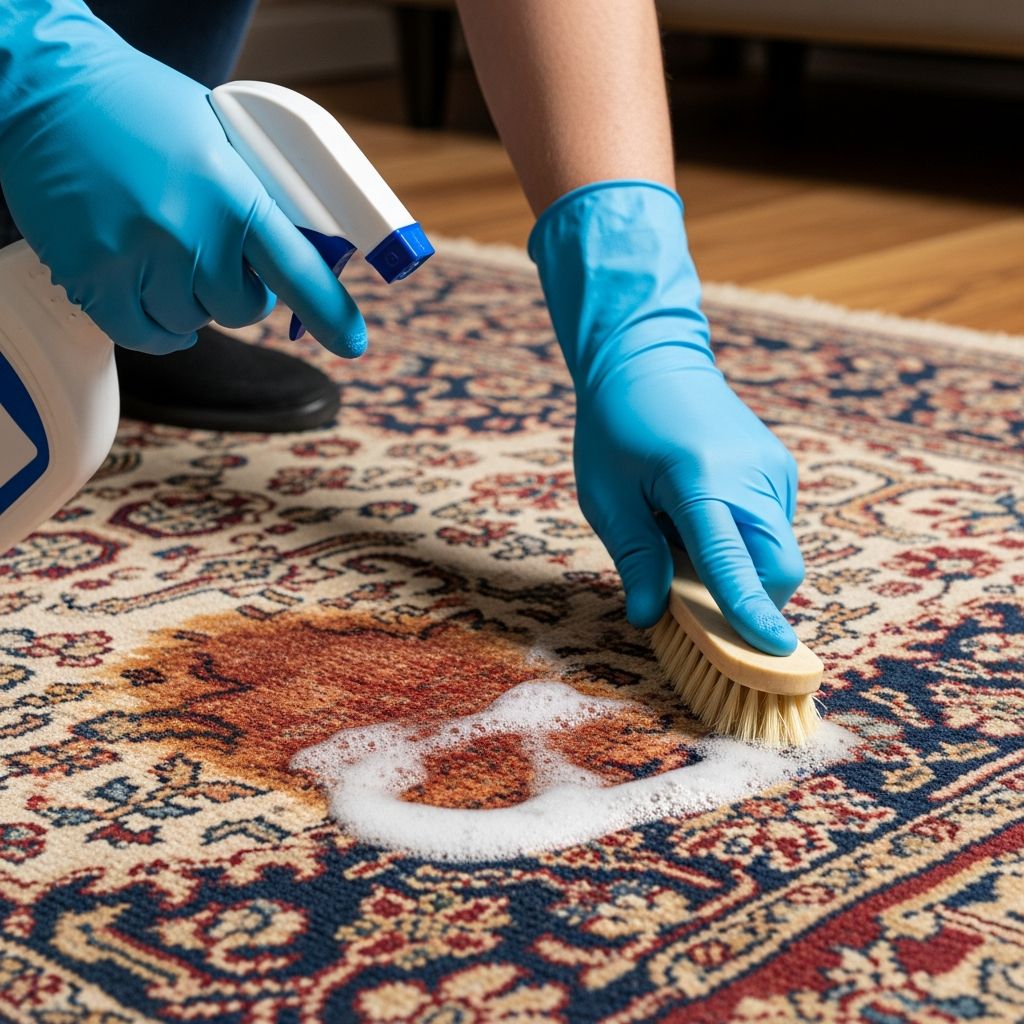
Entrenched stains on carpets can transform a cozy living space into an eyesore, but with the right approach, even long-standing marks from spills, pets, or daily wear can be eradicated. This guide delves into targeted strategies for identifying, treating, and preventing persistent carpet discoloration, empowering homeowners to achieve professional-level results without expensive services.
Understanding Why Stains Become Permanent Fixtures
Carpet fibers act like sponges, absorbing liquids and solids that bond chemically over time, especially when exposed to heat, friction, or foot traffic. Oil-based residues penetrate deeply, while organic matter like food or urine fosters bacterial growth, embedding odors and discoloration. Factors such as carpet material—synthetic nylon versus natural wool—affect treatment efficacy, as wool demands gentler acids to avoid fiber damage.
Regular maintenance delays this bonding; vacuuming twice weekly removes surface debris, reducing the chance of stains setting. For old marks, patience and layered methods are essential, starting with non-aggressive steps to lift without spreading.
Essential Preparation Before Any Treatment
Success hinges on groundwork. Begin by vacuuming the area meticulously using a machine with strong suction and a brush roll, making multiple slow passes in varying directions to dislodge embedded dirt. This prevents grit from abrading fibers during cleaning.
Test all solutions on a hidden spot, like under furniture, waiting 24 hours to check for color bleeding or texture changes. Gather tools: white cloths or paper towels (to avoid dye transfer), a spray bottle, dull scraper, and gloves. Work in a well-ventilated space, especially with solvents.
- Vacuum thoroughly: 16+ passes for deep dirt removal.
- Test patch: Apply cleaner to inconspicuous area first.
- Blot only: Press firmly outward-to-inward; never rub.
Household Heroes for Everyday Set-In Stains
Common kitchen staples tackle most old stains effectively and affordably. These methods break down residues without harsh chemicals.
Vinegar and Dish Soap Duo for Food and Beverage Marks
Mix equal parts white vinegar and warm water with a drop of mild dish soap. Spray generously on the stain, let dwell 10-15 minutes to loosen tannins from coffee, tea, or juice. Blot with a clean cloth, repeating until transfer stops, then rinse with plain water and dry. For entrenched versions, cover with plastic wrap overnight to enhance penetration.
Baking Soda Absorption for Odorous Organic Spots
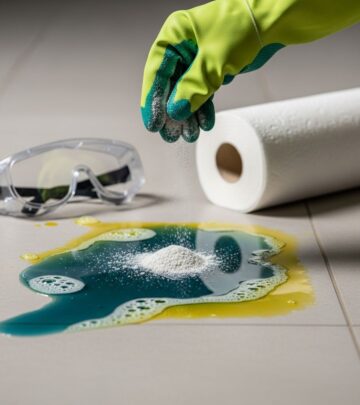
Sprinkle baking soda liberally over pet urine or vomit remnants, pressing it in gently. Let sit 15-30 minutes (or overnight for severe cases) to neutralize and absorb. Vacuum away, following with an enzyme spray if odor lingers. This duo excels on protein-based old stains.
| Stain Type | Solution Ratio | Dwell Time | Follow-Up |
|---|---|---|---|
| Coffee/Tea | 1:1 Vinegar:Water + Soap | 10-15 min | Blot & Rinse |
| Pet Urine | Baking Soda + Enzyme | Overnight | Vacuum & Spray |
| Food Grease | Dish Soap Solution | 5-10 min | Blot Dry |
Advanced Remedies for Greasy and Chemical-Based Discolorations
Tougher stains like grease, ink, or polish require solvents to dissolve bonds.
Alcohol and Mineral Spirits for Oils and Inks
For oil drips or ballpoint marks, dab 90% isopropyl alcohol or mineral spirits onto a cloth, blotting from edges inward. This evaporates quickly, pulling pigments without residue. Rinse with dish soap solution afterward. Caution: Use sparingly on synthetics to prevent melting.
Hydrogen Peroxide for Blood and Wine
Dilute 3% hydrogen peroxide 1:1 with water for dark red set-ins. Apply, wait 5 minutes, blot. Its oxidizing power lifts without bleaching most carpets if tested first—ideal for oxidized old blood. Avoid on wool or silk.
Freezing Technique for Sticky Residues
Gum, wax, or candy hardens when frozen. Place ice in a bag over the spot for 15 minutes, scrape with a plastic tool, then treat remnants with soap.
Enzymatic Power for Biological and Pet-Related Stains
Organic compounds in urine, feces, or dairy thrive on enzymes that digest proteins at a molecular level. Commercial enzymatic cleaners, available at pet stores, are formulated for carpets—spray, let sit 8-24 hours, blot, and air dry. They eliminate roots of old stains, preventing reappearance and musty smells. For DIY, combine vinegar with bio-enzyme additives, but pros outperform for deep sets.
Mechanical Deep Cleaning for Stubborn Holdouts
When manuals fail, extraction machines inject hot solution and suck out filth. Rent one, pre-treat stain, shampoo per instructions. For maintenance, low-moisture encapsulation systems crystallize dirt for vacuuming, minimizing dry time. Steam isn’t true steam—it’s hot water extraction.
- Pre-treat: Boosts machine efficacy.
- Multiple passes: Ensures thoroughness.
- Dry fully: Fans or open windows prevent mildew.
Professional Intervention: When to Call Experts
For commercial dyes, pesticides, or faded wool, hire certified cleaners with truck-mounted units and proprietary solvents. They assess fiber type via spectrometry, guaranteeing no damage. Costs $0.25-$0.50 per square foot, but extends carpet life. Seek IICRC-certified firms.
Preventive Armor: Protecting Cleaned Carpets
Post-treatment, apply fluorochemical stain guards forming hydrophobic barriers. Reapply yearly or after deep cleans, matching carpet specs. Combine with rules: prompt blotting, no-shoe zones, and scheduled pros.
Frequently Asked Questions (FAQs)
What if my stain returns after cleaning?
Wicking from below causes this—blot with water-vinegar, dry weighted. Enzymes tackle urine ghosts.
Is bleach safe for white carpets?
No; it degrades fibers. Use peroxide sparingly after testing.
How often should I deep clean stained carpets?
Quarterly for high-traffic, using extraction to prevent buildup.
Can I remove nail polish from carpet?
Yes, non-acetone remover on cloth, dab, rinse repeatedly.
What’s best for mud after drying?
Vacuum, then baking soda, peroxide dab for residue.
Mastering the Art of Carpet Longevity
Consistent vigilance transforms stain battles into minor skirmishes. Integrate daily vacuums, spot protocols, and barriers for enduring freshness. Experiment cautiously, documenting successes for your carpet’s profile.
References
- The Top 11 Professional Carpet Spot Removal Techniques — Whittaker System. 2023-05-15. https://www.whittakersystem.com/blog/carpet-spot-removal-techniques/
- Carpet Revival: 10 Expert Techniques for Deep Cleaning and Stain Removal — Uhoo. 2024-02-20. https://getuhoo.com/blog/home/carpet-revival-10-expert-techniques-for-deep-cleaning-and-stain-removal/
- Carpet Stains 4-1-1: Best Practices for Removing Stains — Carpet and Rug Institute. 2022-11-10. https://carpet-rug.org/carpet-stains-4-1-1-best-practices-for-removing-stains/
- Stain Removal Tips — Jensen’s Carpet Care & Restoration. 2023-08-05. https://www.jensenscarpetcare.com/faq/jensens-stain-removal-tips/
- How to Get Dirt & Mud Out of Carpet — COIT. 2024-01-12. https://www.coit.com/blog/spot-removal/how-get-mud-out-carpet
Similar Articles








Read full bio of medha deb