Reviving Gas Heaters with High-Temp Paint
Transform your worn gas heater into a sleek, durable fixture using specialized heat-resistant coatings for safety and style.
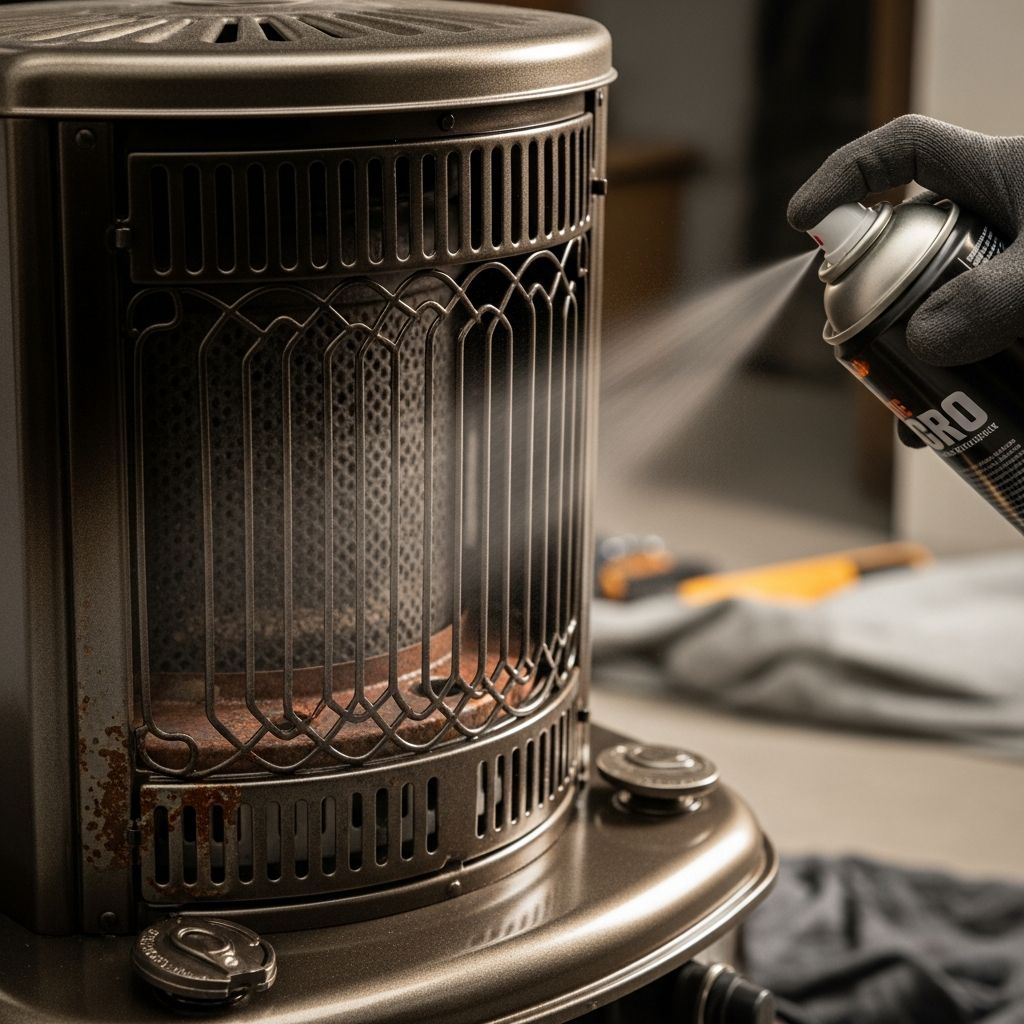
Gas heaters endure intense heat cycles that fade their original finish over time, but applying specialized high-temperature paints can restore their look while enhancing durability. These coatings, formulated with silicone resins and thermoset pigments, withstand temperatures up to 700°C or more, preventing peeling, cracking, or fire hazards associated with standard paints.
Why Standard Paints Fail on Hot Surfaces
Conventional acrylic or synthetic paints break down under heat, leading to discoloration, blistering, or ignition risks. Heat-resistant alternatives use advanced binders like silicone that form a tough, flexible barrier against thermal shock, ideal for gas heaters, stoves, and exhaust components.
For gas heaters operating below 100°C on exteriors, radiator-specific enamels suffice, but interior or high-exposure areas demand paints rated for 1200°F to ensure safety and longevity.
Selecting the Right High-Temperature Coating
Choose paints based on your heater’s maximum operating temperature and desired finish. Here’s a comparison of common options:
| Paint Type | Max Temp | Best For | Colors | Application |
|---|---|---|---|---|
| Heat Resistant Spray (e.g., MTN PRO) | 700°C (1292°F) | Stoves, boilers, pipes | Black, silver | Aerosol |
| Radiator Enamel | 100°C (212°F) | Heater exteriors | White, gray, beige | Aerosol/brush |
| High Heat Enamel (e.g., Rust-Oleum) | 1200°F | Grills, fireplaces | Black, metallics | Spray/brush |
Opt for aerosol formats for even coverage on intricate heater parts. Verify product labels for gas appliance compatibility, avoiding direct flame zones.
Gathering Essential Tools and Materials
- High-temp paint (spray or brush-on)
- Degreaser or ethyl alcohol
- Sandpaper (medium grit, 220-400)
- Masking tape and paper
- Drop cloths
- Gloves, respirator, safety glasses
- Wire brush for rust
- Primer (high-heat if needed)
Invest in low-VOC formulas for indoor use to maintain air quality.
Preparation: The Foundation of Success
Proper surface prep prevents adhesion failures. Turn off and cool the gas heater completely, then disconnect gas supply per manufacturer guidelines for safety.
- Clean Thoroughly: Remove dust, grease, and soot with degreaser or rubbing alcohol. For painted surfaces, use solvent-based cleaners.
- Remove Loose Material: Scrape flaking paint and rust with a wire brush or steel wool.
- Sand Smooth: Lightly sand to create a profile for new paint grip, wiping residue with a tack cloth.
- Mask Off Areas: Protect vents, controls, and surrounding floors with tape and paper.
For rusty heaters, apply a rust-inhibiting high-heat primer after sanding.
Mastering the Painting Technique
Apply in a well-ventilated area, ideally outdoors. Shake aerosol cans vigorously for 1-2 minutes.
- Test Spray: Practice on scrap metal to adjust flow.
- Maintain Distance: Spray 8-12 inches away with sweeping motions to avoid drips.
- Layer Thinly: 2-4 light coats, drying 10-30 minutes between each. Thick layers trap solvents and crack.
- Brush-On Option: Use for detailed areas, stippling to minimize strokes.
Avoid painting in direct sun or high humidity for optimal curing.
Curing and Initial Heat-Up Process
Allow 24 hours air-dry before handling. Gradually introduce heat: first low for 1 hour, then full operation over days. This ”bake-in” hardens the coating, achieving full resistance.
Expect slight off-gassing initially; ventilate well. Full cure takes 7 days, resisting up to rated temps thereafter.
Safety Precautions During the Project
Heat-resistant paints reduce risks but require caution:
- Wear PPE: respirator for fumes, gloves against chemicals.
- No smoking or open flames nearby.
- Ensure heater is cold and gas off.
- Follow local codes; consult pros for vented systems.
- Test for gas leaks post-reassembly.
Common Mistakes and How to Avoid Them
| Mistake | Consequence | Solution |
|---|---|---|
| Skipping prep | Peeling paint | Deep clean and sand |
| Heavy coats | Drips, cracking | Thin, multiple layers |
| Rushing cure | Finish failure | Gradual heat-up |
| Wrong paint temp rating | Discoloration | Match to heater specs |
Maintenance for Long-Lasting Results
Dust monthly with a soft brush; avoid abrasives. Reapply touch-ups annually on high-wear spots. High-quality paints like Rust-Oleum maintain color up to 1200°F with minimal upkeep.
For kitchens or frequent-use heaters, pair with scrub-resistant formulas.
Benefits Beyond Aesthetics
These coatings provide rust protection, reduce heat loss via smoother surfaces, and extend heater life. Custom colors blend with decor, boosting home value.
Frequently Asked Questions
Can I paint a gas heater while installed?
Yes, if fully cooled and gas disconnected, but removal simplifies masking.
How many coats are ideal?
3-4 thin coats for opacity without runs.
Is primer always necessary?
Only for bare or rusty metal; self-priming paints suffice otherwise.
What if my heater gets very hot inside?
Use 1200°F-rated paint; avoid standard radiator types.
Are these paints safe indoors?
Low-VOC versions are, post-curing.
References
- Renewing Radiators with Heat Resistant Paint — Montana Colors. 2023. https://www.montanacolors.com/en/noticias/renewing-radiators-heat-resistant-paint/
- Rust-Oleum High Heat Paint – YouTube — YouTube. 2023. https://www.youtube.com/watch?v=Mq0tZMEe2v0
- Stove And Fireplace Paint — Fireplace Doors Online. 2024. https://www.fireplacedoorsonline.com/high-temp-stove-paint.html
- High Heat Paint – Brush On — Rust-Oleum. 2025. https://www.rustoleum.com/product-catalog/consumer-brands/specialty/high-heat-brush-on
- Best Heat-Resistant Paints for Fireplaces and Kitchens — Paint Heroes. 2024. https://www.paintheroes.com/expert-blog/best-heat-resistant-paints-for-fireplaces-and-kitchens
Similar Articles




Read full bio of medha deb