Reviving Glass Patio Tables with Paint
Transform worn-out glass patio tables into vibrant outdoor focal points using simple painting techniques and durable materials for lasting beauty.
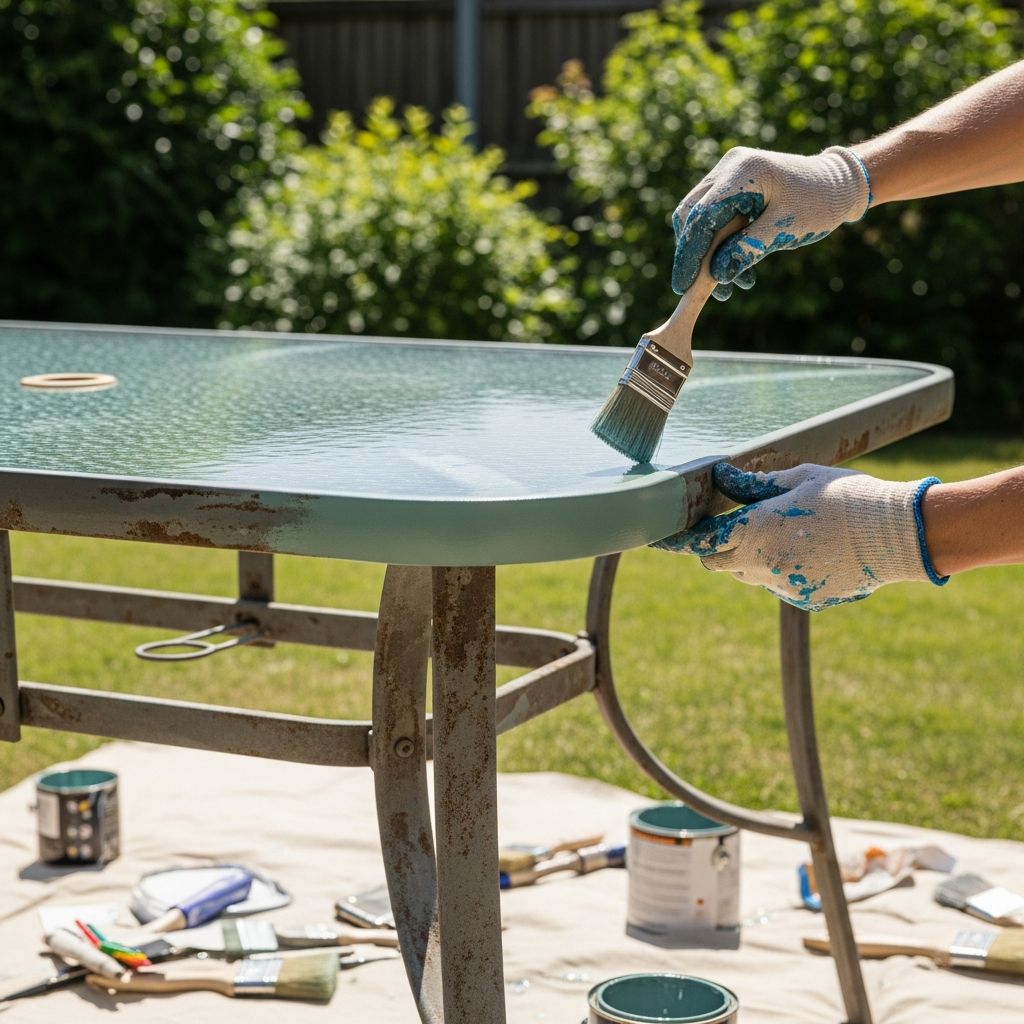
Glass patio tables offer a sleek, modern look for outdoor spaces, but exposure to sun, rain, and daily use can leave them dull and scratched. Painting the underside provides a simple yet effective way to refresh them, creating custom designs or solid colors that enhance your patio’s aesthetic while protecting the surface. This approach avoids direct exposure to weather, ensuring longevity without needing extra sealants in many cases.
Why Paint the Underside of Glass Tables?
Painting on the bottom side of glass patio tops shields the finish from direct environmental damage. Rain, UV rays, and temperature fluctuations primarily affect the top surface, leaving the painted underside intact for years. This method also maintains the smooth, easy-to-clean top while adding personality from below, visible through the transparent glass.
- Enhanced durability against outdoor elements.
- Customizable designs like stained glass effects or patterns.
- Cost-effective alternative to replacement.
- No disruption to table functionality.
Gathering Essential Materials
Selecting the right supplies ensures a professional outcome. Start with paints formulated for glass, such as stained glass or enamel types, which adhere well and cure to a hard finish.
| Category | Recommended Items | Purpose |
|---|---|---|
| Cleaning | Isopropyl alcohol, lint-free cloths, razor blade | Remove dirt, oils, and residues |
| Painting | Stained glass paint (e.g., DecoArt), acrylic enamels, spray paint | Color application and designs |
| Tools | Toothpicks, brushes, painter’s tape, vinyl stencils | Precise application and masking |
| Protection | Clear sealant spray, drop cloths | Optional weatherproofing |
Budget options include thrift store finds or leftover craft paints, making this project accessible for beginners.
Step-by-Step Surface Preparation
Proper prep is crucial for paint adhesion. Begin by flipping the table to access the underside.
- Disassemble if possible: Remove the glass top carefully using appropriate tools to avoid cracks. If stuck, protect surrounding areas.
- Clean thoroughly: Wipe with isopropyl alcohol to eliminate fingerprints, grease, and debris. For stubborn spots, use a razor blade gently, followed by a solvent like Goof-Off.
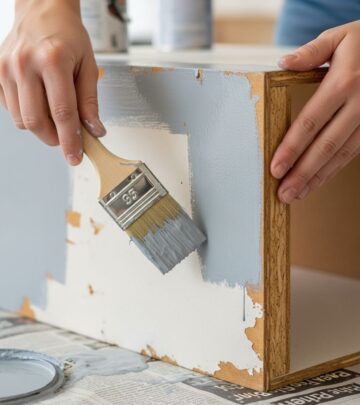
- Mask edges: Apply painter’s tape around metal frames or edges. Cut kraft paper to fit and tape it down for full coverage during base painting if needed.
- Sand lightly: Use fine-grit sandpaper on rusty frames to create a smooth base for spray paint.
This process prevents imperfections from showing through the glass once reassembled.
Choosing and Applying the Perfect Paint
Different paints yield varied effects. Stained glass paints create translucent, light-catching designs ideal for artistic tables.
Solid Color Coverage
For opaque finishes, roll on two coats of enamel paint, allowing drying between layers. Spray paints work well for frames: thin Rust-Oleum with an HVLP sprayer for even application, protecting glass with tape and paper.
Stained Glass Effects
Flood sections with paint, using toothpicks to spread to edges. Mix colors for ombre or add glitter for sparkle. Work one area at a time to avoid drying issues. Apps like Da Vinci Eye help trace intricate patterns.
- Flood paint into outlined sections.
- Drag with toothpick for smooth edges.
- Layer colors wet-on-wet for blends.
Stencil and Vinyl Designs
Use Cricut-cut vinyl for crisp patterns. Apply to the underside, paint over, then peel for negative space effects. This saves time compared to freehand.
Allow 48 hours curing time for most paints before handling.
Protecting Frames and Bases
Patio tables often have metal supports that rust over time. Spray paint the base while glass is in place by sliding scrap paper underneath and taping meticulously.
Choose rust-resistant paints in colors complementing your design. Multiple thin coats prevent drips. For brushwork, select angled brushes to avoid glass contact, sanding frames first for grip.
Sealing for Outdoor Longevity
Though underside painting often skips sealers, add clear spray for extra UV and moisture resistance. Apply two light coats after full curing, ensuring ventilation.
Avoid moving the table excessively post-painting to prevent scratches.
Design Inspiration for Stunning Results
Personalize with themes: floral motifs, geometric patterns, or abstract ombre. Thrift flips turn dated pieces into art. Hand-painted whimsy or vinyl-cut florals add charm without advanced skills.


Common Mistakes and Troubleshooting
Avoid these pitfalls for flawless finishes:
- Rushing cleaning: Leads to bubbling or peeling.
- Overworking dried paint: Causes streaks; work wet.
- Poor masking: Results in overspray; double-check tape.
- Thick layers: Cracking; opt for thin, multiple coats.
If bubbles form, sand lightly and repaint. Test paints on scrap glass first.
Maintenance Tips for Long-Lasting Beauty
Clean tops with mild soap; avoid abrasives. Store indoors during harsh winters. Refresh paint every 2-3 years if fading occurs.
Frequently Asked Questions
Can I paint the top side of the glass?
Underside is recommended for protection, but top-side painting requires heavy sealing and may chip easier.
What if my glass top won’t come off?
Paint in place with careful masking; focus on accessible areas.
How long does the paint last outdoors?
With proper prep, 3-5 years or more, depending on exposure.
Is stained glass paint waterproof?
Yes, after full cure (48 hours), it’s durable for indoor/outdoor use.
Can I use regular acrylic paint?
Better with glass-specific formulas for adhesion; add medium for flow.
Advanced Techniques for Pros
Experiment with metallic leaf under paint or embedded LED lights for illuminated effects. Combine spray and brush for mixed media looks. For large tables, work in sections to manage drying times.
This DIY project not only saves money but boosts creativity, turning everyday patio furniture into personalized statement pieces. With patience and the right techniques, your refreshed table will shine through seasons.
References
- Thrift Flip: Painting a Glass Table with DecoArt Stain Glass Paint — YouTube (Decorative Painting Tutorial). 2023. https://www.youtube.com/watch?v=Kmt8xtpnDZI
- Painting an Outdoor Glass Patio Table — Your Decorative Painting Resource (Lisa). Accessed 2026. https://www.your-decorative-painting-resource.com/painting-an-outdoor-glass-patio-table.html
- Easy No Cost Makeover for Outdoor Glass Top Side Table — Modern on Monticello. 2023. https://modernonmonticello.com/easy-no-cost-makeover-outdoor-glass-top-side-table/
Similar Articles



Read full bio of Sneha Tete