Reviving Indoor Wood Shutters with Paint
Transform tired indoor wooden window shutters into stunning focal points with our expert DIY painting guide for lasting beauty and protection.
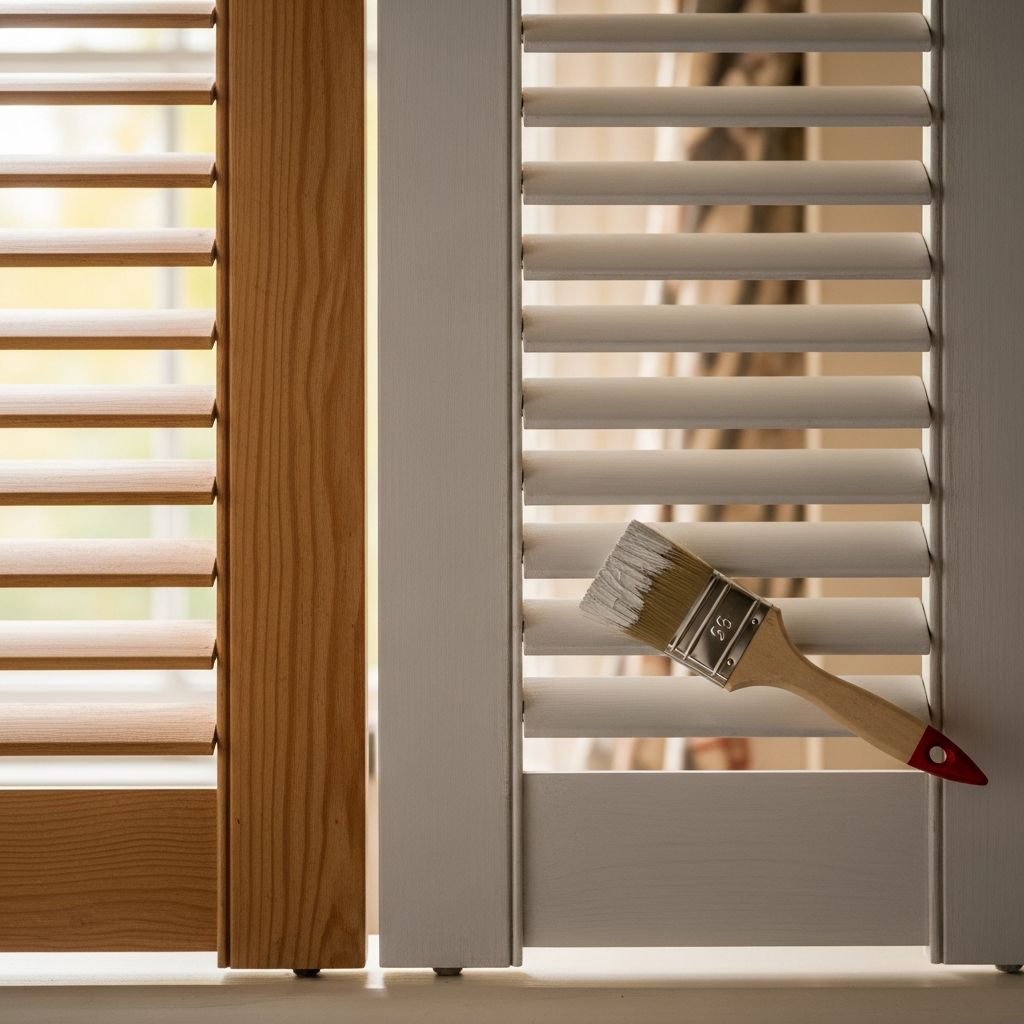
Indoor wooden window shutters add timeless charm and functionality to any room, but over time, they can fade, accumulate dust, or show wear from daily use. Painting them yourself offers a cost-effective way to restore their appeal, boosting your home’s interior style while protecting the wood. This guide provides a complete roadmap for successfully painting indoor wood shutters, focusing on safety, efficiency, and professional-quality outcomes suitable for beginners and seasoned DIYers alike.
Why Paint Your Indoor Shutters?
Regular maintenance through painting prevents wood deterioration from humidity fluctuations and minor scuffs common in living spaces. A fresh coat seals the surface, resists stains, and allows customization to match evolving decor themes. Unlike exterior shutters exposed to harsh weather, indoor ones benefit from user-friendly paints that prioritize low odor and quick drying for minimal disruption. Homeowners often report that painted shutters increase room brightness and perceived value, making this project a high-impact upgrade.
Gathering the Right Tools and Materials
Success starts with quality supplies tailored for indoor use. Assemble everything beforehand to streamline the process.
- Cleaning agents: Mild soap, water, and a soft brush for initial dirt removal.
- Sanding tools: Fine-grit sandpaper (220-320 grit) or sanding sponges to smooth surfaces without gouging.
- Primer: Water-based primer designed for interior wood to promote adhesion.
- Paint: High-quality latex or acrylic interior paint in satin or semi-gloss for easy cleaning and subtle sheen.
- Application tools: Angled brushes (2-inch for edges), foam rollers (4-inch for flat areas), and extension poles if needed.
- Protection gear: Drop cloths, painter’s tape, gloves, safety glasses, and masks for dust and fumes.
- Hardware tools: Screwdriver set for removal, and painter’s pyramids or sawhorses for elevated drying.
Opt for low-VOC products to maintain indoor air quality, especially in bedrooms or living areas. Budget around $50-100 for materials on a standard set of shutters.
Planning for Removal or In-Place Painting
Decide whether to remove shutters based on accessibility and project scale. Removal allows thorough coverage but requires more time; in-place painting suits quick touch-ups.
| Method | Pros | Cons | Best For |
|---|---|---|---|
| Removal | Full access to all sides; even drying; no wall risks | Time-intensive; hardware handling | Large or detailed shutters |
| In-Place | Faster setup; minimal disruption | Limited reach; potential overspray | Small jobs or hard-to-remove units |
For removal, label hinges and screws with tape to simplify reinstallation. Work in a well-ventilated garage or covered porch to control mess.
Thorough Surface Preparation
Preparation accounts for 70% of a durable finish. Skip it, and paint may peel prematurely.
- Initial cleaning: Mix warm soapy water and scrub louvers with a soft brush. Rinse thoroughly and air-dry 24 hours to avoid trapping moisture.
- Inspect and repair: Fill cracks or dents with wood filler, sand smooth once dry. Tighten loose louvers if applicable.
- Sanding phase: Lightly scuff existing finish with fine-grit paper in the wood grain direction. Wipe away dust with tack cloths for a pristine base.
- Tape off adjacent areas: Protect window frames, walls, and floors meticulously if painting in situ.
For glossy old paint, use a deglosser instead of heavy sanding to save effort. Always test adhesion on a small spot.
Applying Primer for Optimal Adhesion
Primer bridges old surfaces and new paint, preventing bleed-through and enhancing coverage. Choose a stain-blocking formula for woods prone to tannins.
- Stir primer well and apply thin coats with a brush on edges and a roller on flats.
- Work top-to-bottom to catch drips.
- Allow 2-4 hours drying; lightly sand if bumpy.
One coat suffices for most interiors unless bare wood requires two. This step ensures your topcoats bond securely for years of wear.
Mastering the Painting Technique
Precision application yields streak-free results. Indoor settings favor brushes and rollers over sprayers for control and reduced overspray.
Brush and Roller Combo
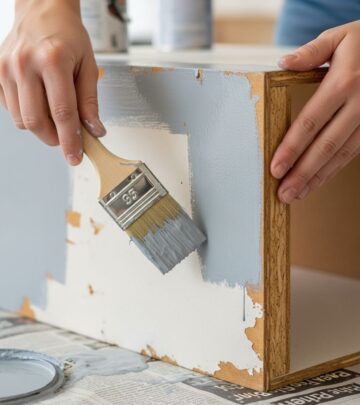
Start with a quality angled sash brush for crevices between slats. “Feather” strokes by lifting at ends to avoid lines. Switch to a mini foam roller for broad louvers, rolling in one direction aligned with grain. Apply two thin coats, waiting 4 hours between.
Sprayer Option for Speed
For louver-heavy designs, an HVLP sprayer delivers even mist. Thin paint per instructions, maintain 6-8 inches distance, and use light passes. Mask generously and ventilate well.
Pro tip: Paint during low-humidity periods for smoother drying. Inspect for holidays (missed spots) after each coat.
Choosing Colors and Finishes
Interior shutters shine in neutrals like soft grays, warm whites, or bold accents matching trim. Satin resists fingerprints; eggshell hides imperfections.
- Test samples on inconspicuous areas to check undertones under room lighting.
- Consider historical accuracy for period homes—creamy off-whites mimic originals.
Layer with a clear topcoat for extra durability in high-touch zones like kitchens.
Drying, Reinstallation, and Finishing Touches
Patience here prevents smudges. Dry flat on protected surfaces 24-48 hours per coat. Reinstall with fresh screws or lubricated hinges for smooth operation. Touch up screw heads discreetly.
Update hardware—brass knobs or wrought iron pulls—for a cohesive refresh.
Common Mistakes to Avoid
- Rushing prep: Leads to peeling.
- Heavy coats: Causes drips and long dry times.
- Poor ventilation: Fume buildup indoors.
- Skipping primer: Uneven color absorption.
Maintenance for Longevity
Dust quarterly with a microfiber cloth; spot-clean with mild soap. Repaint every 5-7 years based on wear. Monitor for humidity damage in bathrooms.
Frequently Asked Questions
Can I paint over stained shutters?
Yes, after sanding and priming to cover the stain effectively.
What if my shutters are MDF?
Use moisture-resistant primer; avoid water-based paints if unsealed.
How long does the entire project take?
2-4 days including drying for a pair of shutters.
Is oil-based paint safe indoors?
Prefer latex for faster dry and lower VOCs.
What grit sandpaper for final touch-up?
320+ for ultra-smoothness.
References
- EPA Guidelines for Indoor Painting Safety — U.S. Environmental Protection Agency. 2024-06-15. https://www.epa.gov/saferchoice/low-voc-paints
- Wood Finishing Best Practices — USDA Forest Service. 2023-11-01. https://www.fpl.fs.usda.gov/documnts/fplgtr/fplgtr190.pdf
- Consumer Reports: Best Paints for Interiors — Consumer Reports. 2025-03-20. https://www.consumerreports.org/home-garden/paints/best-interior-paints-a1057394250/
- DIY Painting Standards — Sherwin-Williams Technical Bulletin. 2024-09-10. https://www.sherwin-williams.com/architects-specifiers-designers/resources/sw-article-pro-priming
- Indoor Air Quality and VOCs — World Health Organization. 2023-05-12. https://www.who.int/news-room/fact-sheets/detail/household-air-pollution-and-health
Similar Articles



Read full bio of Sneha Tete