Reviving Your Money Tree: A Complete Recovery Guide
Master the art of nursing your Pachira aquatica back to health with expert diagnostics and proven solutions.
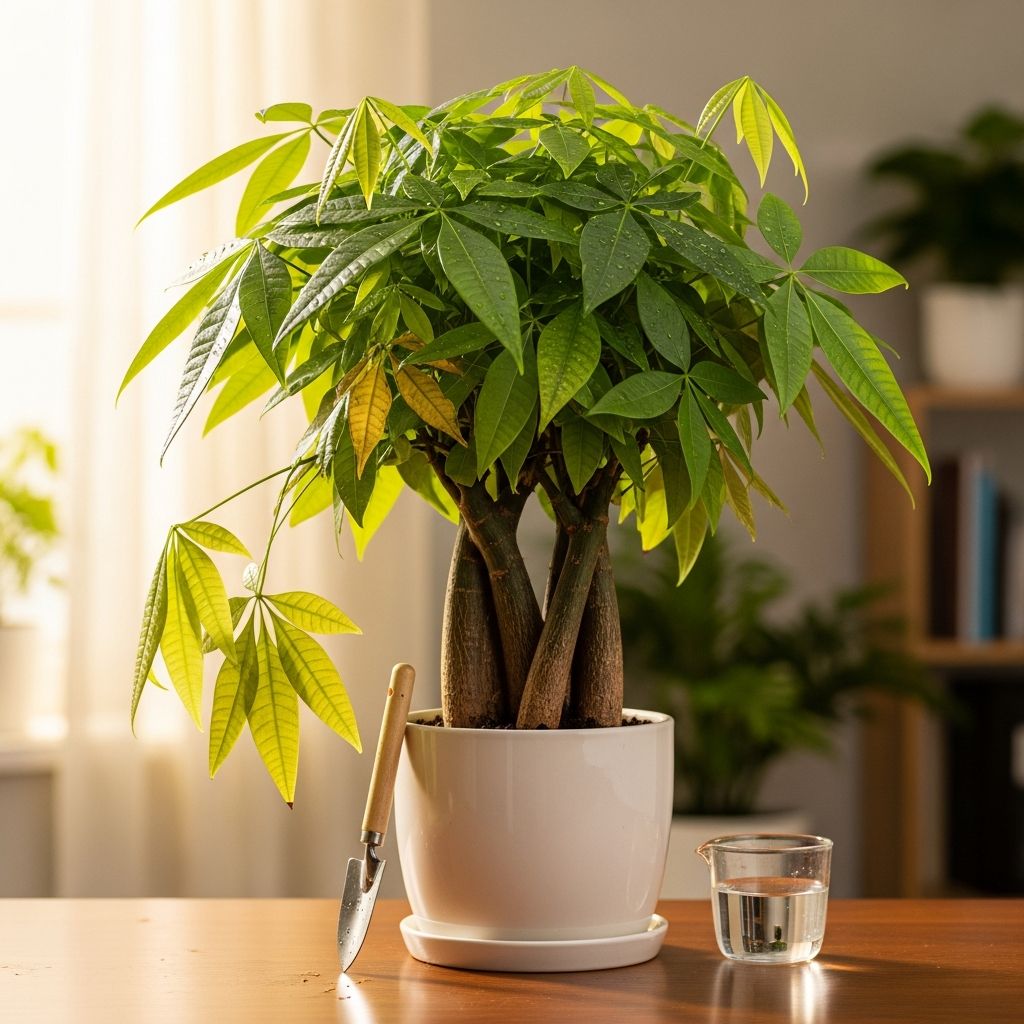
Understanding Your Money Tree’s Health Status
Money trees, scientifically known as Pachira aquatica, are among the most resilient and forgiving houseplants available. However, even these hardy specimens can develop health issues when their environmental conditions or care routines fall short of their needs. The key to successful recovery begins with understanding that your money tree communicates its distress through visible symptoms. Before implementing any treatment plan, you must first develop the ability to read these signals accurately. Whether your plant displays yellowing foliage, drooping stems, or signs of pest damage, each symptom points toward specific underlying problems that require targeted interventions. By learning to recognize these warning signs early, you can prevent minor issues from escalating into serious threats to your plant’s survival.
Diagnosing Moisture-Related Problems
The most common threat to money tree health stems from improper watering practices. These tropical plants store significant water reserves within their woody trunks, which means they require substantially less frequent watering than many gardeners assume. Understanding the distinction between overwatering and underwatering is crucial for recovery.
Recognizing Overwatering Damage
Overwatering represents the leading cause of money tree decline in indoor environments. When soil remains consistently saturated, the roots cannot access oxygen, leading to root rot—a potentially fatal condition. The symptoms of overwatering develop progressively: initially, you may notice yellowing leaves that appear soft and mushy to the touch. As the condition worsens, the stem base may develop a dark, waterlogged appearance, and an unpleasant smell may emanate from the soil. The plant’s overall growth slows dramatically, and leaves may fall prematurely.
To assess whether overwatering is your problem, examine the soil moisture at the root level, not just the surface. Insert your finger two to three inches into the soil; it should feel nearly dry at this depth. Additionally, check your drainage system carefully. Money trees require containers with adequate drainage holes, and any water sitting in the saucer beneath the pot must be removed immediately after watering. If water accumulates in the saucer, it creates a reservoir that keeps roots perpetually wet.
Addressing Underwatering Issues
Conversely, underwatering manifests differently than overwatering. When a money tree receives insufficient water, its leaves become noticeably droopy and may curl at the edges. The foliage may appear dull rather than vibrant green, and leaves may drop from the plant despite remaining structurally intact. Unlike the mushy texture of overwatered leaves, underwatered foliage feels papery and brittle.
The confusion many plant owners experience regarding money tree watering stems from the plant’s ability to store water in its trunk. This adaptation means your money tree can tolerate periods of dryness that would harm most houseplants. However, completely neglecting water for extended periods will eventually stress the plant. The ideal approach involves allowing the top inch of soil to dry completely between waterings, then providing a thorough soaking until water drains from the bottom of the pot.
Correcting Watering Practices for Recovery
Once you’ve identified moisture-related problems, implementing corrective watering practices requires patience and consistency. The recovery process cannot happen overnight, as damaged roots need time to regenerate.
For overwatered money trees: Stop watering immediately and allow the soil to dry out significantly. Consider repotting the plant into fresh, dry soil if root rot has become severe. Use a well-draining potting mix specifically formulated for tropical houseplants. Remove the plant from its current pot, gently untangle any circling roots, and trim away any soft or blackened root sections with sterile shears. Place the plant in its new container and wait several days before resuming any watering.
For underwatered money trees: Increase watering frequency gradually, but remain cautious not to overcorrect. Water thoroughly when the top inch of soil feels dry, ensuring water reaches the root zone and drains completely. The recovery for underwatered plants typically occurs faster than for overwatered specimens, with improved leaf appearance becoming visible within one to two weeks of consistent proper watering.
During both recovery scenarios, avoid fertilizing until the plant shows signs of new growth. Applying fertilizer to stressed plants can cause additional damage rather than providing benefit.
Managing Light Conditions and Environmental Stress
Light availability significantly impacts money tree health, and improper light conditions can cause symptoms that owners sometimes misattribute to watering problems. Money trees require bright, indirect light to thrive. This means positioning your plant near a window that receives abundant light without direct sunlight striking the leaves for extended periods.
Correcting Low-Light Symptoms
Insufficient light causes leaves to become pale and droopy, and growth slows considerably. The plant may appear weak and leggy, with excessive space between leaf nodes. To address low-light conditions, relocate your money tree to a brighter location. An east-facing or south-facing window provides ideal light exposure in most homes. If window placement isn’t possible, consider supplementing with a grow light positioned twelve to eighteen inches above the canopy for twelve to fourteen hours daily.
Preventing Light Burn
Conversely, direct sunlight can scorch money tree leaves, creating brown, papery patches on the foliage. If your plant exhibits signs of sun damage, move it slightly away from the window or filter harsh afternoon sunlight with sheer curtains. Recovery from light burn requires removing the damaged leaves entirely, as these sections will not regenerate.
Environmental Temperature and Humidity
Money trees also prefer stable temperatures and moderate humidity. Exposure to cold drafts, heating vents, or fluctuating temperatures causes leaf curling and browning at the edges. Maintain your home between 65 and 75 degrees Fahrenheit for optimal growth. If your home’s air is particularly dry, especially during winter months, mist your plant occasionally or place it on a humidity tray filled with pebbles and water. This mimics the tropical humidity these plants naturally experience.
Pest Identification and Control Strategies
Indoor money trees can attract common houseplant pests, including spider mites, scale insects, and mealybugs. These pests weaken the plant by extracting sap from leaves and stems, causing yellowing, stippling, and overall decline.
Identifying pest infestations: Regularly inspect both the upper and lower leaf surfaces for tiny moving insects, sticky residue, or webbing. Spider mites create fine webbing on new growth and cause leaves to develop a speckled appearance. Scale insects appear as small brown bumps on stems and leaves, while mealybugs look like small cotton-like clusters on leaf joints.
Natural pest control methods: For mild infestations, wipe affected leaves with a soft cloth dampened in soapy water. For more persistent problems, apply neem oil or insecticidal soap once weekly until pests disappear. Always spray the undersides of leaves thoroughly, as pests often hide in these protected areas. Treat the plant in the evening when beneficial insects are less active, and repeat applications every seven to ten days for two to three weeks to ensure complete elimination.
Nutrient Deficiencies and Fertilization Recovery
Yellowing leaves accompanied by slow growth may indicate nutrient deficiency rather than watering problems. Money trees require balanced nutrition during their active growing season to maintain lush foliage and vigorous growth.
Proper fertilization schedule: During spring and summer, apply a balanced liquid fertilizer diluted to half strength once monthly. Never fertilize during fall and winter when the plant naturally enters dormancy. Fertilizing during this rest period provides unnecessary nutrients that the plant cannot utilize and may actually harm the roots.
Addressing nutrient issues: If you’ve neglected fertilizing during the growing season, begin a regular feeding schedule immediately. Improvement in leaf color typically appears within three to four weeks of beginning regular fertilization. However, leaves that have already turned completely yellow will not regain their green coloration; new growth will be properly colored as the plant’s nutritional status improves.
Pruning Techniques for Plant Rejuvenation
Strategic pruning serves multiple functions in money tree recovery. Removing dead, diseased, or severely yellowed leaves allows the plant to redirect energy toward healthy growth rather than maintaining compromised foliage. Additionally, pruning encourages bushier, more compact growth patterns.
Pruning best practices: Use sharp, sterile pruning shears to avoid introducing disease through cut surfaces. Always cut just above a leaf node at a slight angle, which encourages new branch development at that point. Remove entire branches that show no signs of recovery rather than leaving dead stubs. When pruning significantly, do so during spring when the plant experiences its strongest growth surge. Avoid heavy pruning of already stressed plants, as the additional trauma can hinder recovery.
Timing and frequency: You can remove dead leaves and branches at any time, but comprehensive reshaping should occur in spring. For ongoing health maintenance, make light pruning an annual routine rather than attempting major overhauls. This distributed approach stresses the plant less than removing large amounts of foliage simultaneously.
Repotting as a Recovery Strategy
Sometimes money tree recovery requires a complete change of environment through repotting. This becomes particularly important when dealing with root rot or when the plant has outgrown its current container.
When to repot: Repot every two to three years during spring or early summer. However, if you suspect root rot or see roots circling the drainage holes, repot immediately regardless of season. Choose a pot only slightly larger than the current container—moving to an oversized pot retains excess moisture and increases rot risk.
Repotting procedure: Use a well-draining potting mix formulated for tropical houseplants or create your own using equal parts peat moss, perlite, and compost. Gently remove the plant from its current pot and carefully loosen the root ball. Trim away any soft, blackened, or foul-smelling roots with sterile shears. Partially fill the new pot with fresh soil, position the plant at the same depth it occupied previously, and fill around the sides with additional soil. Water thoroughly after repotting, then hold off further watering for several days to allow roots to recover from the handling stress.
Supporting Recovery Through Plant Rotation and Care Consistency
Money trees respond negatively to frequent relocation and environmental changes. Once you’ve placed your plant in an appropriate location with proper light and stable temperature, leave it undisturbed. However, rotating the plant ninety degrees every few weeks encourages even growth on all sides and prevents the plant from developing a one-sided appearance as it grows toward the light source.
Consistency in care matters tremendously during recovery. Establishing a routine watering schedule based on soil dryness rather than calendar dates allows you to respond to the plant’s actual needs. Similarly, maintaining stable environmental conditions without dramatic temperature fluctuations or sudden changes in light exposure helps the plant focus its energy on recovery rather than adapting to new stressors.
Keep detailed notes about your care practices, symptoms observed, and treatments applied. This record helps you identify which interventions proved effective and prevents you from inadvertently repeating mistakes that caused the initial decline.
Frequently Asked Questions
Q: How long does it take for a money tree to recover from overwatering?
A: Recovery timeline depends on severity. Minor overwatering issues show improvement within two to four weeks once proper watering resumes. Severe root rot may require one to two months of careful management before significant visible recovery occurs. Some root regeneration and regrowth can continue for several months after you’ve addressed the initial problem.
Q: Can a money tree survive complete root rot?
A: Mild to moderate root rot can be reversed through repotting into fresh soil and adjusting watering practices. Severe root rot where the entire root system has blackened and mushy texture is difficult to recover from, though propagation from healthy stem cuttings may allow you to start a new plant from the diseased parent.
Q: Should I remove all yellow leaves at once?
A: Remove completely yellow or diseased leaves immediately, but avoid stripping the plant of all foliage. Keep approximately seventy percent of existing leaves intact to maintain the plant’s ability to photosynthesize and produce energy during recovery. As new healthy growth emerges, gradually remove older compromised leaves.
Q: Is my money tree dead if it loses all its leaves?
A: Not necessarily. Money trees can regenerate from bare branches if the stems remain green and flexible. Continue appropriate care—proper watering, light, and temperature—and new leaf buds should emerge within weeks. However, if the stems become completely brown, woody, and brittle, the plant has likely died.
Q: Can I propagate cuttings from a sick money tree?
A: Yes, healthy stem cuttings can be propagated even from a struggling parent plant. Take four to six-inch cuttings from the healthiest available growth, place them in water or moist soil, and maintain warmth and humidity. This provides insurance against complete plant loss while the original plant recovers.
Q: How often should I check my recovering money tree?
A: During active recovery, check your plant weekly to assess soil moisture, leaf appearance, and overall condition. Avoid obsessive daily monitoring, which can lead to unnecessary adjustments that create additional stress. Weekly assessment provides sufficient information to track progress without causing anxiety-driven overmanipulation.
References
- How to Care for Money Trees — Bloomscape. https://bloomscape.com/plant-care-guide/money-tree/
- Money Tree Plant Care Guide: Yellow Leaves, Common Issues — YouTube. https://www.youtube.com/watch?v=N8nG6aDP1Vc
- The Secrets of Money Trees: A Guide to Growing and Caring — The Juicy Leaf. https://www.thejuicyleaf.com/money-tree-care-guide/
- Complete Guide to Money Tree Care — Patch Plants. https://www.patchplants.com/pages/plant-care/complete-guide-to-money-tree-care/
- How to Grow a Money Tree — ScottsMiracle-Gro US. https://scottsmiraclegro.com/en-us/learn/gardening/how-to-grow-plant-library/how-to-grow-a-money-tree.html
- Money Tree (Pachira aquatica): Home — New York Botanical Garden. https://libguides.nybg.org/pachira
Similar Articles








Read full bio of medha deb