Reviving Non-Stick Pans: Complete Restoration Guide
Discover proven methods to restore your worn Teflon pans, extend their life, and achieve like-new non-stick performance at home.
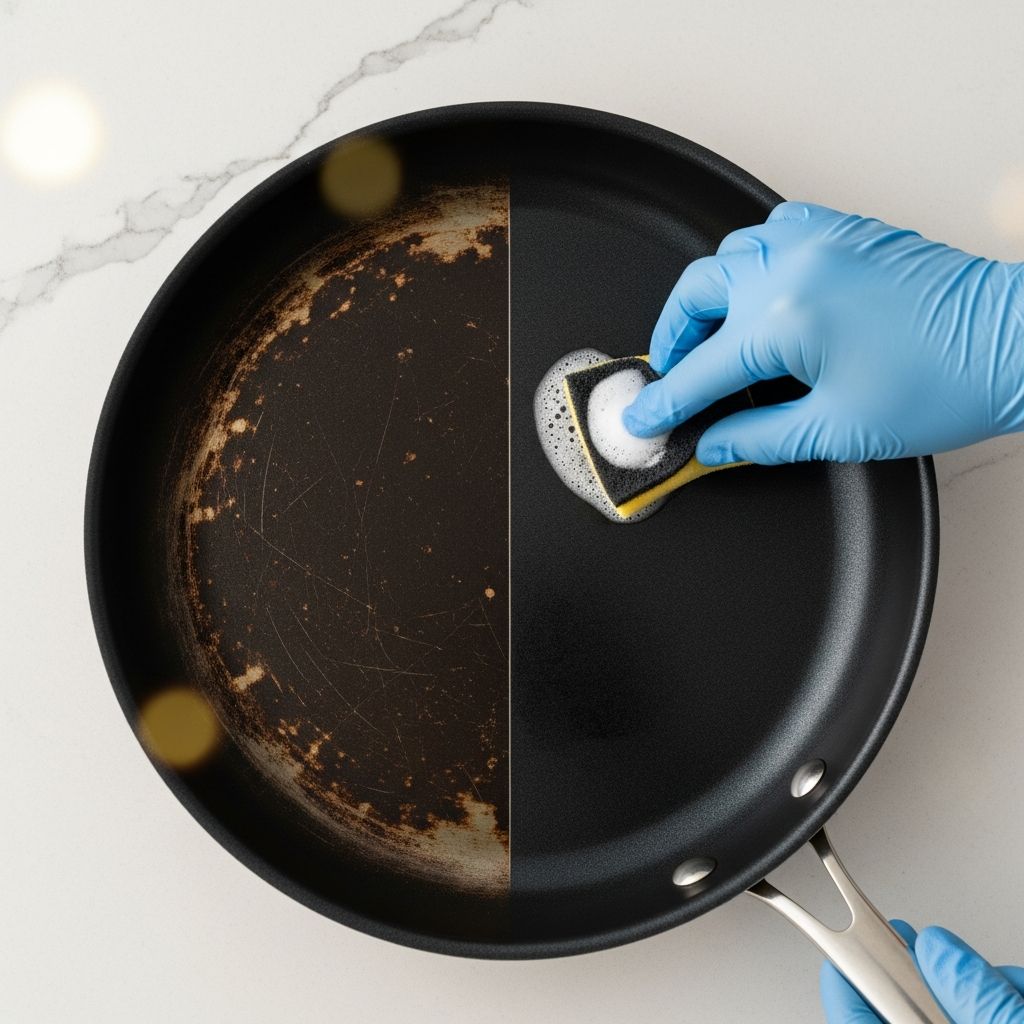
Non-stick pans with Teflon coatings offer convenience for everyday cooking, but wear over time leads to sticking food and reduced performance. Rather than discarding them, targeted restoration methods can renew their surfaces effectively. This guide explores practical approaches, from basic cleaning to advanced recoating, drawing on reliable techniques to help you achieve professional results at home or through simple professional processes.
Understanding Teflon Wear and Why Restoration Matters
Teflon, or polytetrafluoroethylene (PTFE), forms a durable yet thin layer on cookware that repels food. Overuse, high heat, or abrasive cleaning erodes this layer, exposing metal and causing sticking. Restoring it prevents waste, saves costs, and maintains cooking efficiency. Early intervention with cleaning preserves the coating, while deeper methods address severe damage.
- Surface scratches: Minor marks from utensils reduce slipperiness but can be polished out.
- Polymer degradation: Heat above 260°C (500°F) breaks down PTFE, requiring full renewal.
- Buildup residue: Grease and food particles mimic wear, fixable via degreasing.
Regular maintenance extends pan life by years, reducing environmental impact from discarded cookware.
Assessing Your Pan’s Condition Before Starting
Before restoration, evaluate damage to choose the right method. Inspect under bright light for uniformity.
| Damage Level | Symptoms | Recommended Action |
|---|---|---|
| Mild | Light sticking, faint scratches | Deep clean and season |
| Moderate | Visible peeling, patchy coating | Chemical strip and reseason |
| Severe | Flaking, bare metal exposed | Full recoat or professional blast |
Remove handles if possible for thorough work, especially on aluminum-core pans. Test by frying an egg: effortless sliding indicates good condition; sticking signals intervention needed.
Basic Cleaning Techniques for Everyday Renewal
Start with non-abrasive methods to remove residue without harming the coating. Cool the pan fully to avoid warping.
- Warm soapy soak: Submerge in hot water with mild dish soap for 15-30 minutes. Gently scrub with a soft sponge.
- Baking soda paste: Mix with water into a paste, apply to stains, let sit 15 minutes, then rinse. Boost with vinegar for fizzing action on grease.
- Salt scrub: Add coarse salt to dry pan, heat on medium for 3-5 minutes. Salt absorbs residue; discard and wipe clean.
These steps restore 70-80% of mild wear cases, as seen in practical demos where eggs slide post-treatment.
Seasoning: Building a Natural Protective Layer
For pans with intact but sticky coatings, seasoning creates an oil-polymer bond mimicking factory non-stick. This works on Teflon or bare metal.
Step-by-Step Seasoning Process:
- Clean thoroughly and dry completely.
- Heat pan on medium until warm (about 2 minutes).
- Add 1-2 tsp neutral oil (like vegetable or ghee); tilt to coat evenly.
- Heat until oil smokes lightly (2-3 minutes), forming a translucent film.
- Cool, wipe excess, repeat 2-3 times for layers.
Test with an egg: it should glide without oil. Preserve by heating oil post-cleaning. This method bonds oil to metal, preventing oxidation and enhancing slickness.
Advanced Stripping for Moderately Damaged Surfaces
When residue persists, strip old coating remnants safely. Avoid harsh chemicals; use heat or abrasives judiciously.
Oven Stripping Method:
- Place pan upside down in oven at 250-300°C (480-570°F) for 10 minutes to loosen flakes.
- Cool, peel softened PTFE with plastic scraper.
- Degrease with thinners or acetone on cloth (ventilate area).
For stubborn spots, flap discs on low speed remove grime quickly without deep gouging. Mask exteriors to protect.
Professional-Style Recoating at Home
True recoating requires primer and topcoat, akin to factory processes. Home kits exist, but DIY mimics pro steps for best results.
DIY Recoat Blueprint:
- Prep surface: Media blast or sandblast to raw metal (rent equipment or pro service). Use 80-grit aluminum oxide.
- Prime: Apply PTFE primer spray; bake at 250-300°C for 10 minutes until cured (monitor to 70-80°C ramp).
- Topcoat: Spray Teflon finish; bake at 400°C for 5-10 minutes.
- Reassemble: Refinish handle, reattach.
Post-cure, pans look factory-new with even, glossy finish. Home ovens limit precision; pros use industrial kilns.
Safety Precautions During Restoration
PTFE fumes above 260°C pose risks; ventilate and avoid overheating. Wear gloves for chemicals, eye protection for blasting. Never recoat cracked cast iron—opt for seasoning instead.
- Use heat-resistant gloves and thermometer.
- Avoid metal tools; plastic or wood only.
- Post-process: Season lightly before first use.
Preventive Habits for Long-Lasting Non-Stick
Prolong restorations with care:
- Cook below medium heat.
- Use silicone utensils.
- Clean promptly, hand-wash only.
- Store with protectors between pans.
- Oil lightly before each use.
These habits can double pan lifespan post-restoration.
Common Mistakes and How to Avoid Them
Avoid pitfalls for success:
| Mistake | Consequence | Fix |
|---|---|---|
| Overheating oil | Gummy residue | Heat gradually to smoke point |
| Abrasive scrubbing | Scratches coating | Soft sponges only |
| Skipping degrease | Poor adhesion | Thinners pre-spray | Uneven baking | Patchy finish | Oven thermometer |
Frequently Asked Questions (FAQs)
Can I recoat Teflon pans myself without special equipment?
Yes, basic seasoning works for mild wear, but full recoating needs sprays and high-heat ovens. Rent sandblasters for prosumer results.
How long does a restored non-stick pan last?
With proper care, 1-3 years, matching new pans. Season regularly to extend.
Is it safe to use oven for stripping old coating?
Yes, at controlled temps under 300°C with ventilation. Avoid breathing fumes.
What if my pan has bare metal spots?
Strip fully and recoat or season as stainless. Discard if structurally damaged.
Does vinegar damage Teflon?
No, diluted vinegar cleans safely; avoid boiling acids long-term.
Choosing Between DIY and Professional Services
DIY suits light restoration; pros excel for blasting and spraying. Costs: DIY under $50, pro $20-50 per pan. Weigh time vs. quality—pros guarantee even coats.
In summary, restoring non-stick pans transforms kitchen waste into renewed tools. Start simple, scale to advanced for flawless results every time.
References
- Refurbishing and Recoating a Pan with Teflon Non-Stick Coating — YouTube (Professional Demo). 2020. https://www.youtube.com/watch?v=TziHplceA3I
- Don’t Throw Away Your Old Nonstick Pans! This Trick — YouTube (Cleaning Hack). 2023. https://www.youtube.com/watch?v=Rx6ujyJGg6U
- How to Restore a Nonstick Pan — Our Place (Care Guide). 2024. https://fromourplace.com/blogs/care-use/how-to-restore-a-nonstick-pan
- Make Your Frying Pan Non-Stick Non-Toxic — Instructables (Seasoning Method). 2022. https://www.instructables.com/Make-Your-Frying-Pan-Non-Stick-Non-Toxic/
- The Best Way To Clean Non-Stick Pans — MasterChef (Cleaning Steps). 2023. https://masterchef.com/blogs/masterchef-pantry/how-to-clean-non-stick-pans
Similar Articles


Read full bio of medha deb