Reviving Your Oven: High-Heat Paint Guide
Transform a tired oven into a sleek centerpiece with expert techniques using durable, heat-resistant coatings for lasting kitchen renewal.
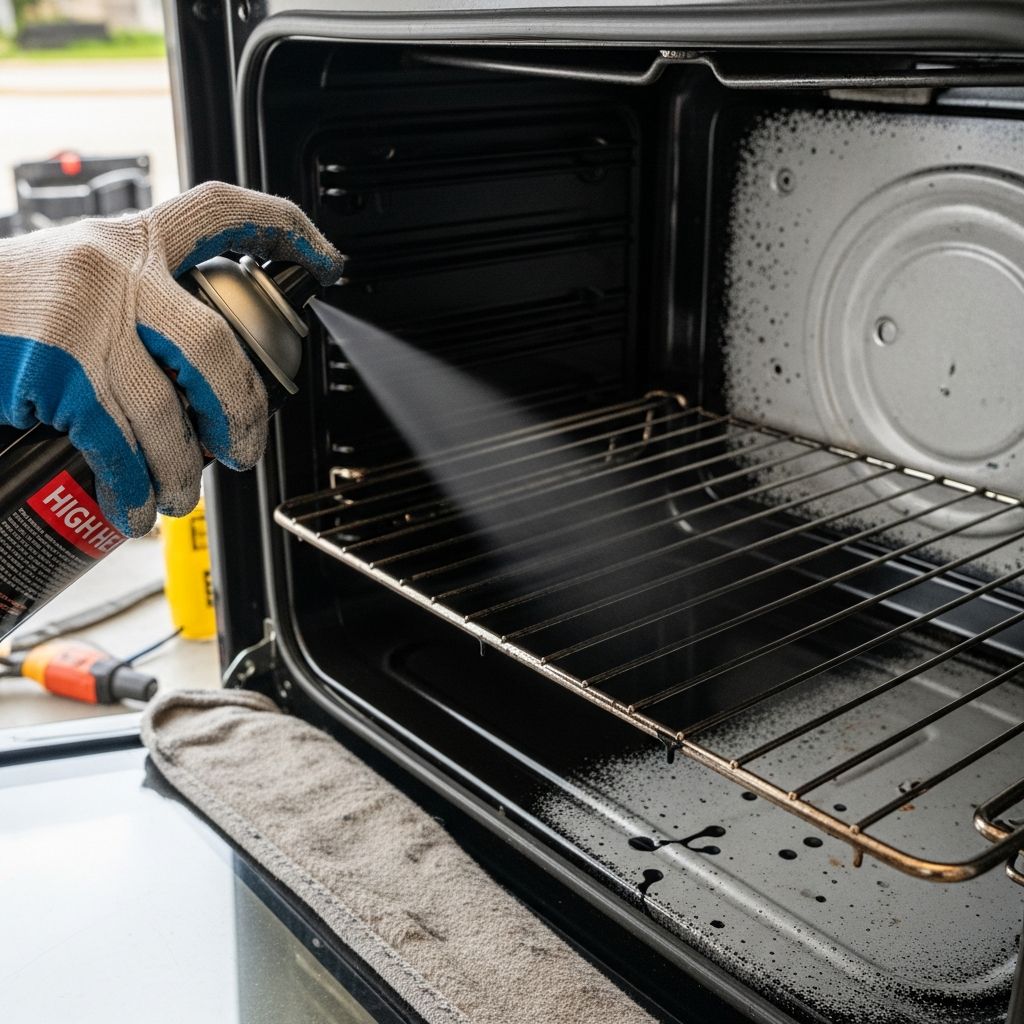
Reviving Your Oven: The Ultimate Guide to High-Heat Paint Transformation
Updating kitchen appliances doesn’t always require expensive replacements. Applying
high-heat resistant paint
to an oven can dramatically improve its appearance and extend its life, offering a cost-effective DIY solution for homeowners. This method rejuvenates faded or chipped surfaces, blending seamlessly with modern kitchen aesthetics while enduring temperatures over 600°F.Why Choose High-Heat Paint for Oven Restoration?
Standard paints fail under the intense heat of ovens, leading to peeling, cracking, or toxic fumes. High-heat paints, formulated with silicone resins and thermoset pigments, resist temperatures up to 690-700°C, making them ideal for ovens, stovetops, and exhausts. They provide a durable, glossy finish that protects against corrosion and thermal shock.
- Cost Savings: Refresh instead of replace, saving hundreds on new appliances.
- Aesthetic Upgrade: Match white, black, or metallic finishes to your decor.
- Durability: Withstands daily baking and broiling cycles.
Products like Rust-Oleum High Heat or MTN PRO exemplify these qualities, transforming outdated almond or brown ovens into sleek modern pieces.
Essential Materials and Tools for Success
Gather these items before starting to ensure a smooth process:
| Category | Item | Purpose |
|---|---|---|
| Paint | High-heat spray enamel (e.g., Rust-Oleum, Stove Bright) | Main coating, heat-resistant up to 1200°F |
| Prep | Degreaser, steel wool, sandpaper (220-grit), painter’s tape | Cleaning and surface prep |
| Tools | Scrub brush, lint-free cloths, respirator mask, gloves | Safety and application |
| Safety | Ventilation fan, drop cloths | Protect workspace and health |
Opt for aerosol cans for even coverage on curved surfaces. Stove Bright prep spray removes residues effectively.
Step-by-Step Surface Preparation: The Foundation of Longevity
Proper prep is 80% of the project. Skipping it leads to poor adhesion and premature failure.
- Power Down and Cool: Unplug the oven and let it cool to room temperature (around 60°F) to avoid burns and ensure paint bonds correctly.
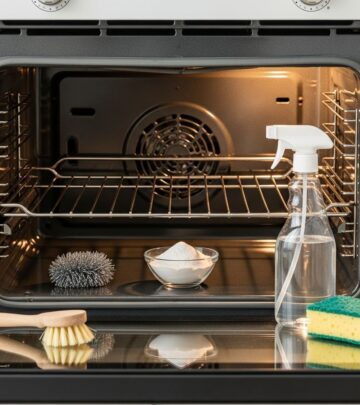
- Deep Clean: Scrub with soap, water, and a degreaser using steel wool or a stiff brush. Remove all grease, burnt food, and fingerprints—stubborn spots need multiple passes.
- Disassemble Removables: Take out coils, racks, and knobs. For fixed burners, prop them up and tape around bases.
- Sand and Etch: Lightly sand painted surfaces for better grip, then wipe with a tack cloth. Acid etching may be needed for porcelain; consult product guidelines.
- Mask Off: Tape handles, glass, and edges meticulously. Cover floors with drop cloths.
This meticulous cleaning prevents off-gassing and ensures the paint cures into a rock-hard shield.
Mastering the Painting Technique for Professional Results
Apply in a well-ventilated area, wearing a respirator and gloves.
- Shake Thoroughly: Agitate the can for 1-2 minutes to mix pigments.
- Test Spray: Practice on cardboard to gauge distance (8-12 inches).
- Thin Coats: Apply 3-4 light layers, allowing 20-30 minutes dry time between each. Hold upright; avoid drips by moving steadily.
- Coverage Focus: Prioritize interior walls, door, and exterior panels. Multiple thin coats outperform one heavy one.
Expect 1-2 hours total application time. Clean the nozzle upside down after use.
Curing Process: Patience for Peak Performance
Drying isn’t instant—heat curing activates the formula.
- Initial Dry: Air dry 24-48 hours in a dust-free space.
- First Bake: Set to 200°F for 1 hour, vent windows for vapors. Repeat at 350°F next day.
- Full Cure: Avoid heavy use for 7 days; max performance after 30 days.
Initial uses may produce light smoke—normal as binders burn off. Ensure airflow.
Safety Protocols: Protecting Yourself and Your Home
Heat-resistant paints contain solvents; prioritize safety.
- Wear N95 mask, gloves, and eye protection.
- Work outdoors or ventilate heavily—fans and open windows essential.
- Keep pets and kids away during prep and curing.
- Never paint near flames; unplug fully.
Follow label warnings: some emit VOCs during first heats.
Common Pitfalls and How to Avoid Them
Learn from others’ mistakes for flawless execution.
| Mistake | Consequence | Solution |
|---|---|---|
| Inadequate Cleaning | Peeling paint | Degrease twice; use prep spray |
| Thick Coats | Runs and bubbles | Light, multiple layers |
| Rushing Cure | Chipping | Follow 7-day wait |
| Wrong Paint | Fumes or failure | Verify 700°C rating |
Real-world example: One DIYer succeeded after switching from regular paint, which chipped immediately.
Maintenance Tips for a Lasting Finish
Preserve your investment with routine care.
- Clean gently with mild soap; avoid abrasives.
- Reapply every 3-5 years if needed.
- Monitor for wear near high-heat zones.
This extends the refresh beyond a decade.
Advanced Applications: Beyond Basic Ovens
High-heat paint suits grills, pipes, and engines too. For powder coating pros, acid etch and bake for industrial strength. Experiment with colors like matte black or metallic silver for custom looks.
Frequently Asked Questions (FAQs)
Can I paint the oven glass door?
Yes, use high-heat paint rated for glass; mask edges and apply thinly to avoid cracking during cure.
How long does the paint last?
5-10 years with proper prep and use; touch up as needed.
Is it safe for food contact after curing?
Fully cured paints are FDA-compliant for exteriors; avoid interior food zones unless specified.
What if my oven has porcelain enamel?
Sand lightly and etch; test a small area first.
Can I bake right after painting?
No—wait 48 hours minimum, with gradual heat-ups to prevent damage.
This comprehensive approach empowers DIYers to achieve pro-level results safely. Your kitchen will thank you with a fresh, vibrant oven ready for years of cooking adventures.
References
- How to Paint an Oven with Heat Resistant Paint — Handyman On Call. 2020-03-16. https://handymanoncallmd.com/2020/03/16/how-to-paint-an-oven-with-heat-resistant-paint/
- How to paint a heat resistant object with MTN PRO High Temperature Paint — MTN Makers (YouTube). 2020-11-26. https://www.youtube.com/watch?v=g0789ZIrOFk
- DIY stove-top makeover using high heat spray paint — Heart of it All Custom Creations (YouTube). 2020-04-10. https://www.youtube.com/watch?v=Q_JFQi1yAbw
- DIY: Painting an oven — Houzz Discussions. N/A. https://www.houzz.com/discussions/2697207/diy-painting-an-oven
- FAQS: Stove Bright® High Temperature Paint Preparation — Forrest Paint Resources. N/A. https://resources.forrestpaint.com/stove-bright-high-temperature-paint-faqs-prep
Similar Articles




Read full bio of medha deb