Reviving Particleboard Furniture with Paint
Transform outdated particleboard pieces into stunning furniture with expert painting techniques and durable finishes for lasting beauty.
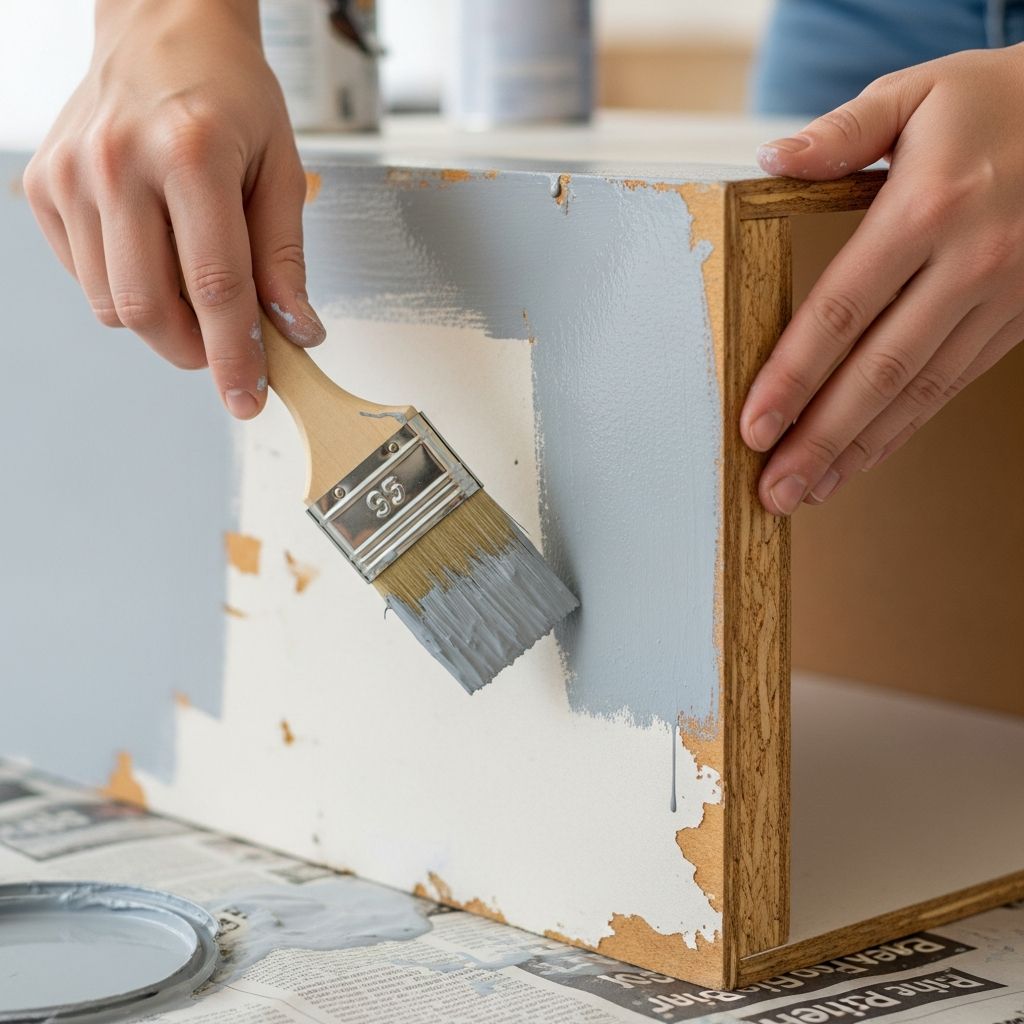
Particleboard furniture offers affordability and versatility but often lacks durability and aesthetic appeal over time. With the right painting techniques, you can breathe new life into these pieces, creating custom looks that rival high-end wood furniture. This guide provides a complete roadmap for achieving smooth, long-lasting results through meticulous preparation, specialized primers, creative finishes, and protective sealants.
Understanding Particleboard and Its Painting Challenges
Particleboard consists of wood particles bonded with resin under high pressure, typically covered in a thin laminate layer for factory finishes. This smooth, non-porous surface repels paint without proper preparation, leading to peeling or chipping. Key challenges include the laminate’s slickness, the material’s tendency to swell with moisture, and vulnerability to wear in high-use areas like desks or shelves.
To overcome these, focus on creating ‘tooth’ for adhesion via light sanding, using bonding primers designed for laminates, and selecting paints that flex with the substrate. Proper techniques ensure your makeover withstands daily use, from kitchen cabinets to bedroom dressers.
Gathering Essential Tools and Materials
Success starts with quality supplies. Assemble these items before beginning:
- Medium-grit sanding sponges or 120-220 grit sandpaper for scuffing.
- Tack cloths or microfiber towels for dust removal.
- Bonding primer (shellac-based or high-adhesion formulas like BIN or Zinsser).
- High-quality latex or chalk mineral paint in your chosen colors.
- Angled brushes, foam rollers, and blending brushes for application.
- Glazes, pet hair removers, or comb tools for faux finishes.
- Clear topcoats like polycrylic, wax, or polyurethane for protection.
- Drop cloths, painter’s tape, and safety gear (gloves, masks).
Invest in reputable brands to avoid common pitfalls like poor adhesion or yellowing finishes. Budget options from hardware stores work well for beginners.
Step-by-Step Surface Preparation
Preparation is 80% of the project. Rushing this step dooms the finish.
Disassembly for Precision Work
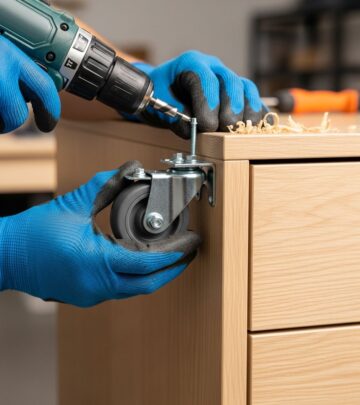
Remove drawers, shelves, hardware, and knobs. Label screws in bags to simplify reassembly. Work in a well-ventilated garage or outdoors to manage fumes and overspray. Lay parts on drop cloths to protect floors.
Initial Cleaning
Wipe surfaces with a degreaser like TSP substitute or white lightning cleaner to remove oils, grime, and residues. This ensures primer bonds directly to the laminate. Rinse with damp cloths and dry thoroughly.
Scuff Sanding Technique
Use light, even pressure with a sanding sponge to dull the glossy laminate without damaging the core. Focus on flat surfaces and edges. Avoid over-sanding, which exposes fragile particleboard edges prone to crumbling. Vacuum and tack-cloth away all dust—any residue causes fisheyes in primer.
This creates microscopic scratches for mechanical adhesion, complementing chemical bonding from primers.
Applying the Perfect Primer
Primer bridges laminate and paint, preventing failures. Opt for high-bond formulas:
| Primer Type | Best For | Drying Time | Coats Needed |
|---|---|---|---|
| Shellac-based (e.g., BIN) | Laminates, glossy surfaces | 45 minutes | 1-2 |
| Water-based bonding | Low odor, easy cleanup | 1-2 hours | 2 |
| Oil-based | High durability | 4-6 hours | 2 |
Apply thin coats with a foam roller for flats and brushes for details. Sand lightly between coats (220 grit). Allow full cure overnight for optimal results. Primed surfaces should feel tack-free and uniform.
Mastering the Painting Process
With a solid primer base, painting becomes straightforward and forgiving.
Choosing and Applying Base Coats
Select paints with good flow: latex enamel, chalk paint, or milk paint. Apply two thin coats using a roller for speed and brush for crevices. Work in sections to avoid lap marks. Sand lightly (320 grit) between coats for smoothness. Full dry time: 24 hours.
Advanced Techniques for Custom Finishes
Elevate basic paint with faux effects:
- Faux Wood Grain: Roll on base coat, brush glaze in wood direction, drag a rubber pet hair remover for lines, blend with a dry brush.
- Distressing: After drying, sand edges lightly to reveal primer or wood tones for vintage appeal.
- Metallic Accents: Dry-brush gold or silver for hardware-like shine.
These methods hide imperfections and add depth without advanced skills.
Sealing for Longevity and Protection
Unsealed paint chips easily on particleboard. Choose finishes based on use:
- Polycrylic: Water-based, non-yellowing, ideal for desks.
- Wax: Satin sheen, easy touch-ups for dressers.
- Polyurethane: Tough for floors or tables (oil-based for max durability).
Apply 2-3 thin coats, sanding lightly between. Buff for desired sheen. Cure fully (7 days) before heavy use. This creates a moisture barrier, preventing swelling.
Troubleshooting Common Issues
Even pros face hiccups. Here’s how to fix them:
- Peeling Paint: Insufficient sanding/priming—strip, re-prep.
- Bubbles/Swelling: Moisture trapped—sand out, dry fully, use dehumidifier.
- Uneven Coverage: Thick coats—thin with medium, multiple layers.
- Dull Finish: Wrong topcoat—switch to gloss polycrylic.
Patience and testing on scraps prevent disasters.
Project Ideas and Inspiration
Particleboard shines in makeovers:
- Kitchen island from shelving units.
- Entry console with metallic glaze.
- Child’s bookshelf in pastel chalk paint.
Match colors to your decor—neutrals for versatility, bold hues for statements.
FAQs
Can you paint particleboard without sanding?
No, light sanding is crucial for adhesion on laminate.
How long does painted particleboard last?
5-10 years with proper prep and sealing.
Is chalk paint good for particleboard?
Yes, its matte finish hides flaws well.
Water-based or oil-based primer?
Water-based for ease; oil for toughness.
Can I paint edges without swelling?
Prime edges heavily and seal promptly.
Refinishing particleboard empowers budget-savvy transformations. Follow these steps for heirloom-quality results that endure.
References
- Wood Handbook: Wood as an Engineering Material — United States Department of Agriculture, Forest Service. 2024-01-15. https://www.fpl.fs.usda.gov/documnts/fplgtr/fplgtr282/chapter_03.pdf
- Composite Panels Manufacturing — Composite Panel Association (CPA). 2025-03-10. https://www.compositepanel.org/publications/technical-documents/
- Surface Preparation for Painting Laminates — Sherwin-Williams Technical Data Sheet. 2025-06-20. https://www.sherwin-williams.com/document-library/pds/primers/b-in-shellac-based-primer-pds.pdf
- Guide to Topcoats for Furniture — Minwax Product Specifications. 2024-11-05. https://www.minwax.com/en/products/protective-finishes/polycrylic-protective-finish
- Adhesion Testing on Engineered Woods — ASTM International D3359 Standard. 2023-09-01. https://www.astm.org/d3359-22.html
Similar Articles



Read full bio of medha deb